
 Save
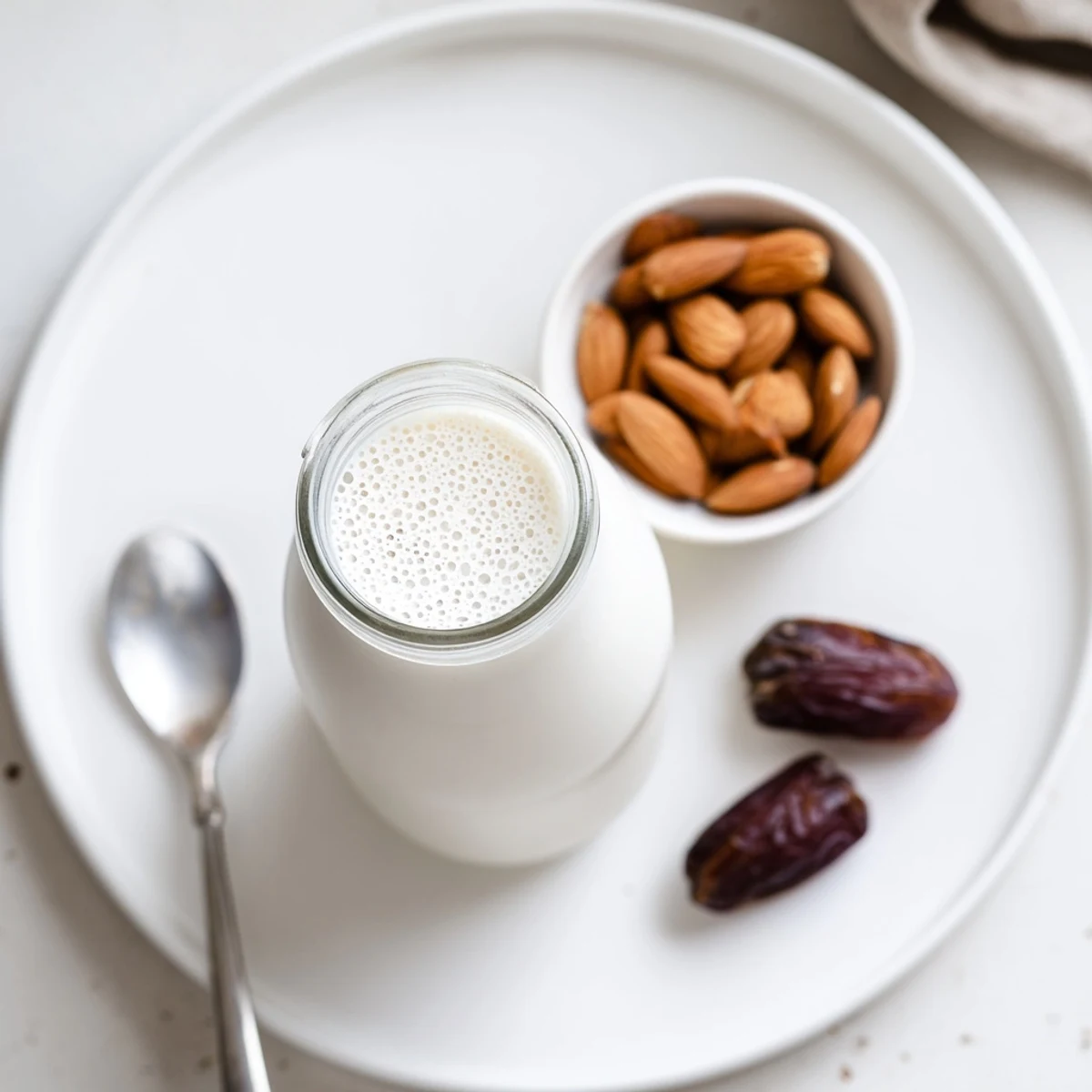
Save Soak raw almonds overnight, drain and rinse, then blend with filtered water until very smooth. Strain through a nut milk bag, cheesecloth, or fine mesh to extract silky milk; squeeze the pulp to get all liquid. Chill in a sealed jar and shake before using. Adjust thickness by altering water ratio, sweeten with dates or maple, and repurpose leftover pulp in baking or smoothies. Use within 3-4 days.
My blender was a wedding gift that sat untouched for two years until a Tuesday night impulse to make almond milk changed everything. The sound of those soaked almonds grinding into something silky and white felt like a small act of kitchen rebellion against every carton I had ever bought. That first batch, slightly gritty and barely sweet, was the freshest thing I had ever tasted. I have not bought store bought almond milk since.
A friend watched me strain a batch one morning and stood there with her coffee mug, waiting for me to pour her some before I had even finished bottling it. She called it liquid silk and immediately went home to soak her own almonds. There is something quietly powerful about making something from scratch that people assume you can only buy.
Ingredients
- Raw almonds (1 cup, 150 g): Use truly raw almonds, not roasted or salted, because the flavor is cleaner and the blending yields a creamier result.
- Filtered water (4 cups, 1 liter, plus more for soaking): Good water matters here since it is the base of everything and tap water can introduce flavors you did not invite.
- Optional dates (1 to 2, pitted): One date adds gentle sweetness that does not overpower, and two makes it feel like a treat you want to drink on its own.
- Vanilla extract (1 tsp): This is the bridge between plain almond milk and something that tastes genuinely indulgent.
- Sea salt (a pinch): Just a pinch sharpens every flavor and keeps the milk from tasting flat.
Instructions
- Soak the almonds:
- Cover the almonds generously with water in a bowl and leave them to soak at least 8 hours or overnight. You will know they are ready when they feel plump and soft between your fingers.
- Drain and rinse:
- Dump the soaking water and rinse the almonds well under cool running water. They should look swollen and almost twice their original size.
- Blend everything:
- Add the soaked almonds and 4 cups of fresh filtered water to your blender, then toss in the dates, vanilla, and salt if using. Blend on the highest speed for a full 1 to 2 minutes until the mixture looks completely smooth and frothy on top.
- Strain the milk:
- Pour the blended mixture through a nut milk bag or a double layer of cheesecloth into a large bowl. Twist and squeeze with your hands until you feel the pulp go dry and nothing more comes out.
- Bottle and chill:
- Transfer the milk to a clean bottle or jar and refrigerate it. Give it a strong shake before every pour because separation is natural and means you made it right.
 Save
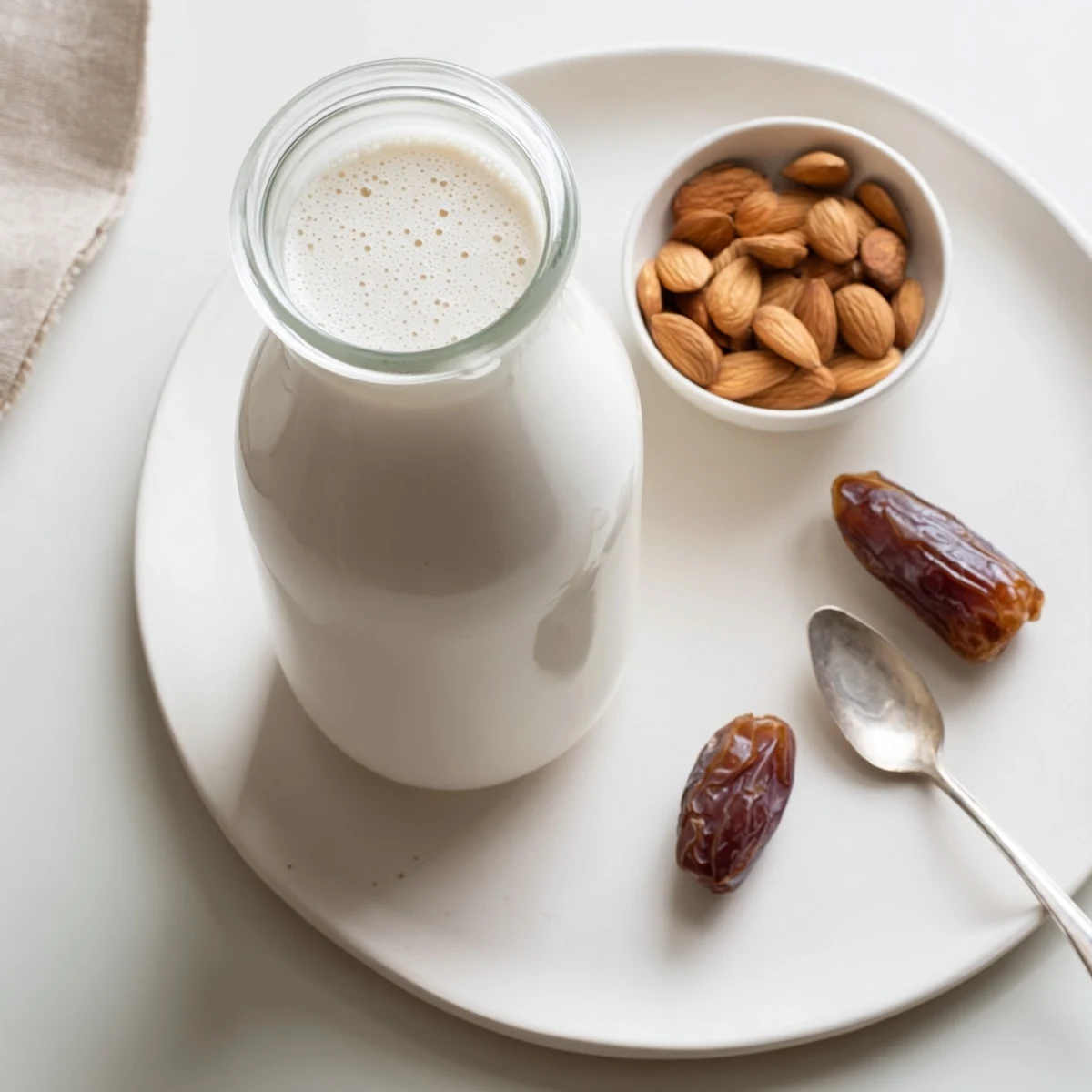
Save Making almond milk became a Sunday ritual for me, the kind of quiet task that lets your mind wander while your hands stay busy. The leftover pulp drying in the oven became its own reward, baked into cookies later that evening.
Getting the Texture Right
The ratio of almonds to water is your dial for thickness. If you want something pourable for cereal, stick to the recipe as written.
Do Not Toss the Pulp
That leftover almond pulp is a hidden treasure that too many people throw away without thinking. Spread it on a baking sheet, dry it at a low oven temperature, and blitz it into almond flour for your next baking project.
Storing and Serving
Homemade almond milk lasts 3 to 4 days in the refrigerator, which sounds short but honestly never lasts that long in my house. Shake it well each time because the natural separation is a sign you made something real.
- Use a glass bottle with a tight lid for the freshest storage.
- Add a splash to your morning coffee and watch how it transforms the cup.
- Give the bottle a good shake before every single pour.
 Save
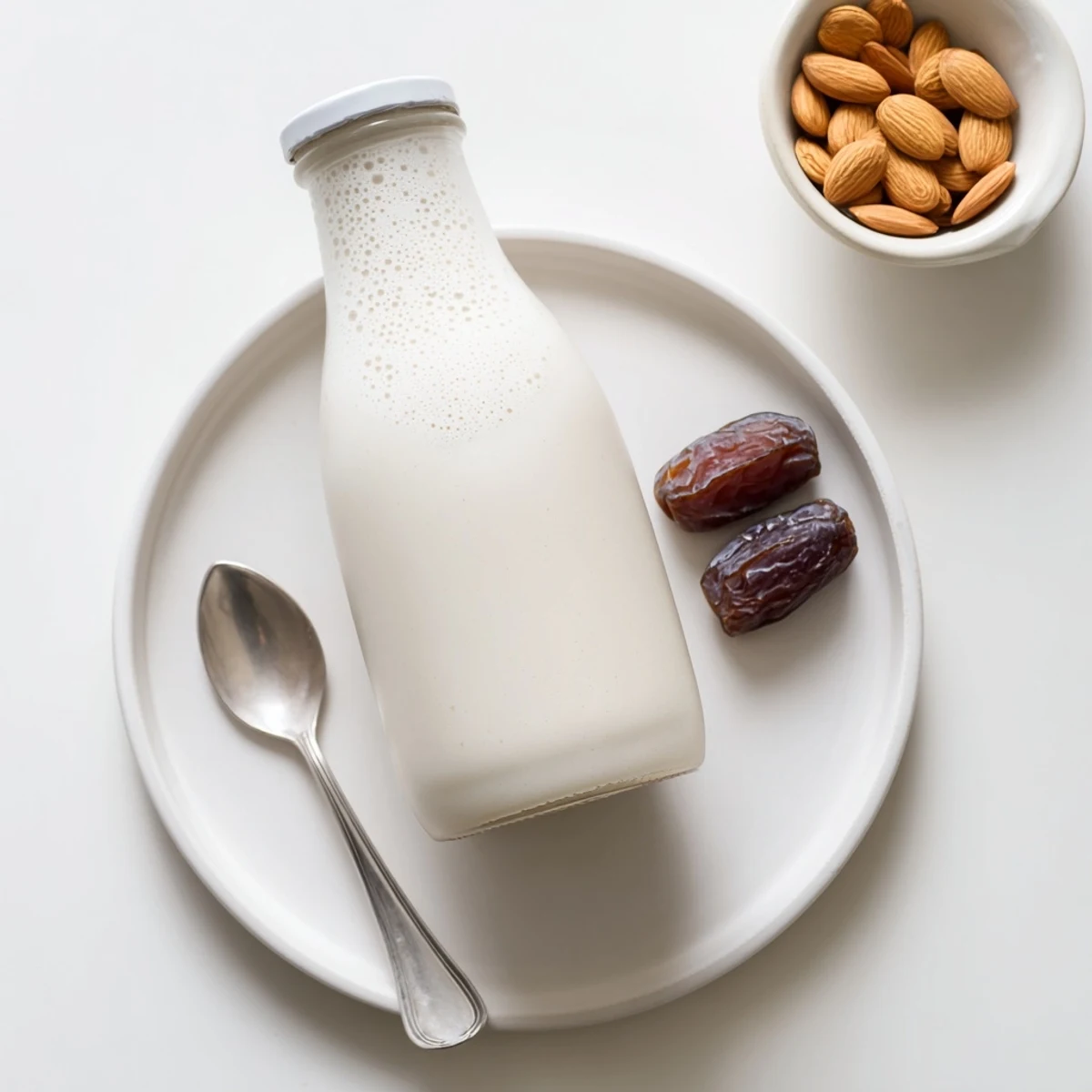
Save There is a quiet confidence that comes from making something as simple as milk with your own hands. Once you start, you will wonder why you ever settled for the carton.
Recipe FAQs
- → How long should almonds soak?
-
Soak almonds at least 8 hours or overnight. Longer soaking softens them for smoother blending and a creamier texture.
- → Can I skip soaking?
-
Skipping soaking yields a grittier texture and may be harder to blend. Quick-soak (hot water, 1 hour) helps if short on time, but overnight is best.
- → How do I make the milk creamier?
-
Use fewer cups of water per cup of almonds, blend longer at high speed, or add a small handful of soaked cashews for extra body.
- → What are natural ways to sweeten or flavor it?
-
Add 1–2 pitted dates while blending for natural sweetness, or a teaspoon of vanilla. Maple syrup or a pinch of sea salt also enhance depth.
- → What can I do with the leftover almond pulp?
-
Dry the pulp in a low oven or use it fresh in muffins, granola, smoothies, or energy balls to avoid waste and add fiber.
- → How long will the milk keep?
-
Store chilled in a sealed jar for 3–4 days. Shake well before each use, as separation is natural.