
 Save
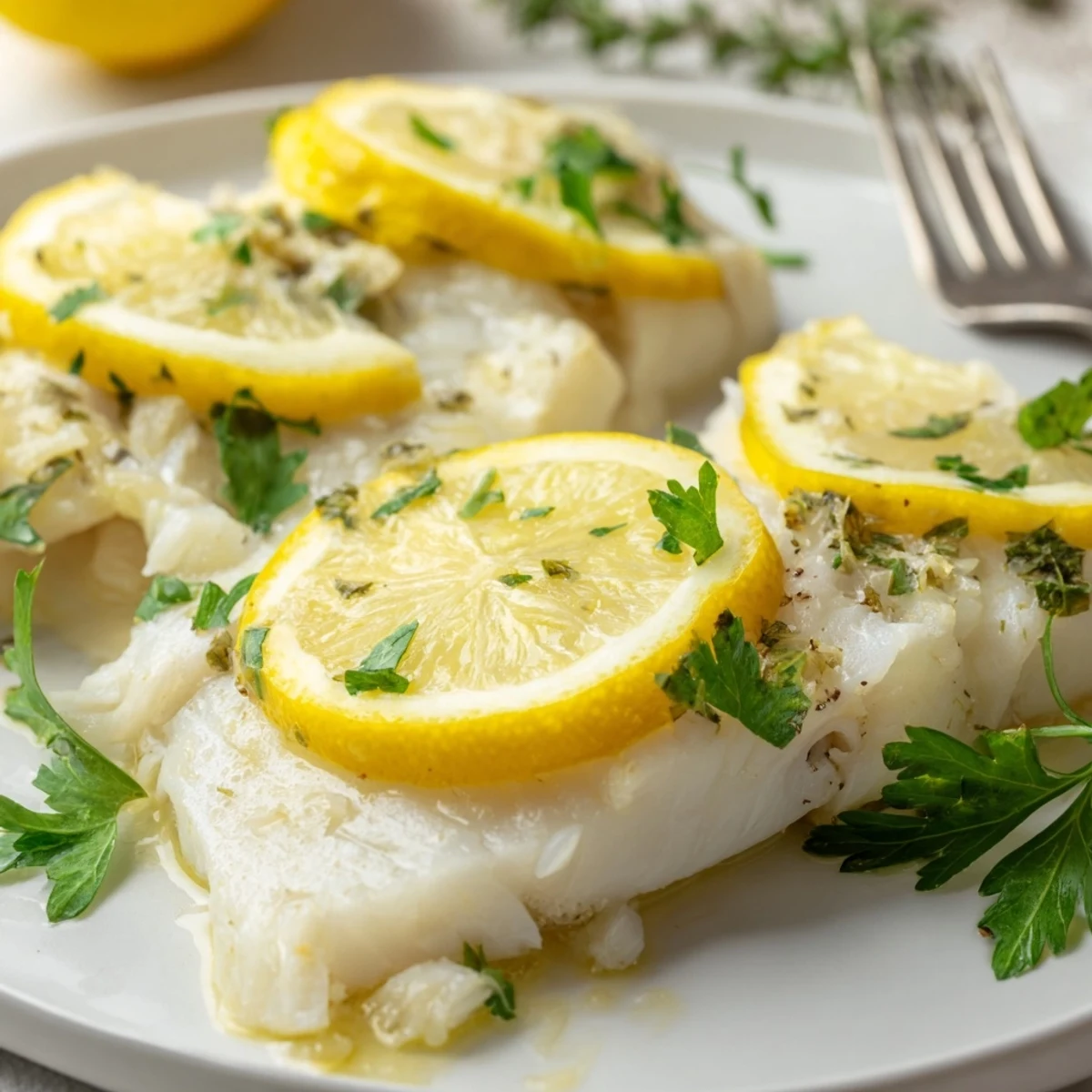
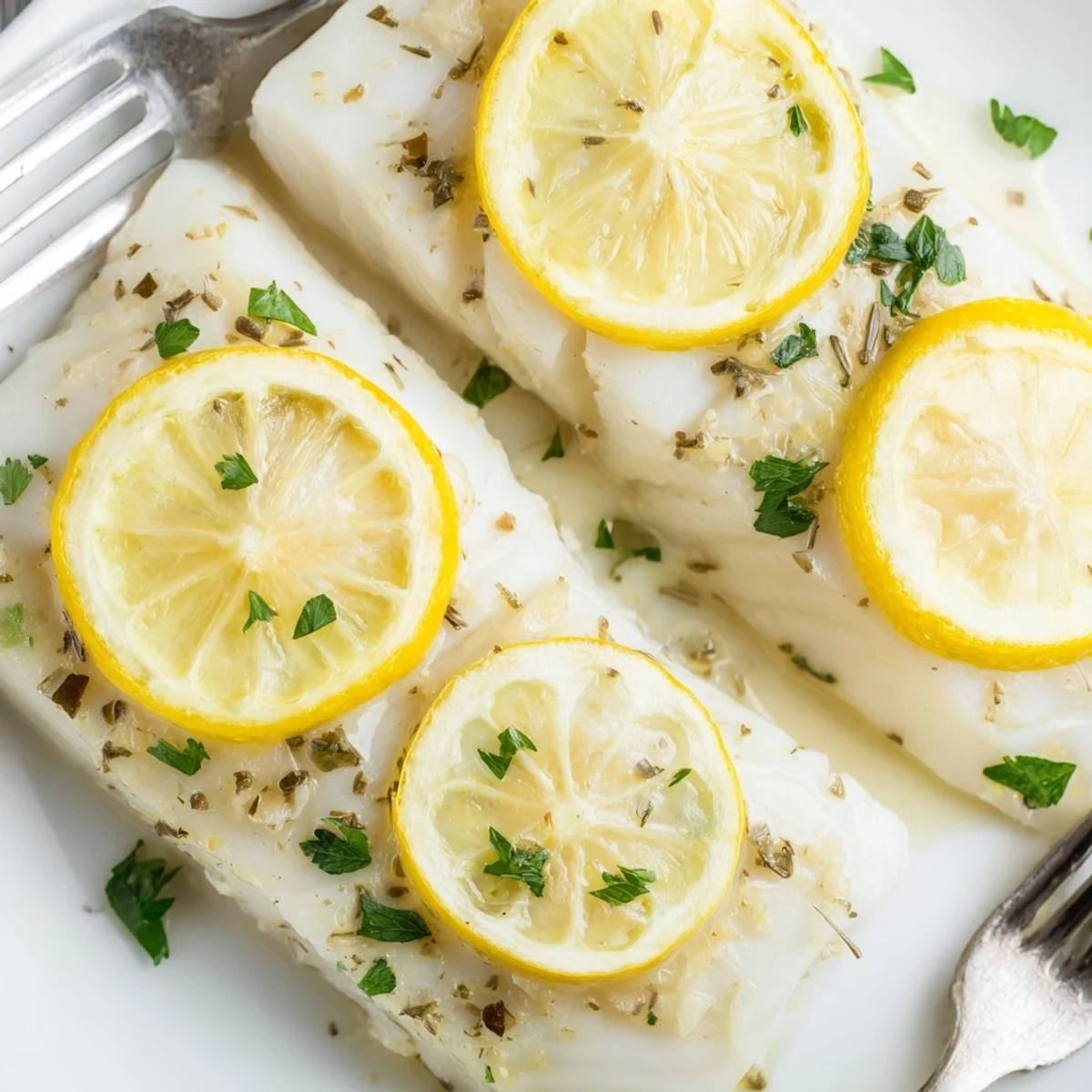
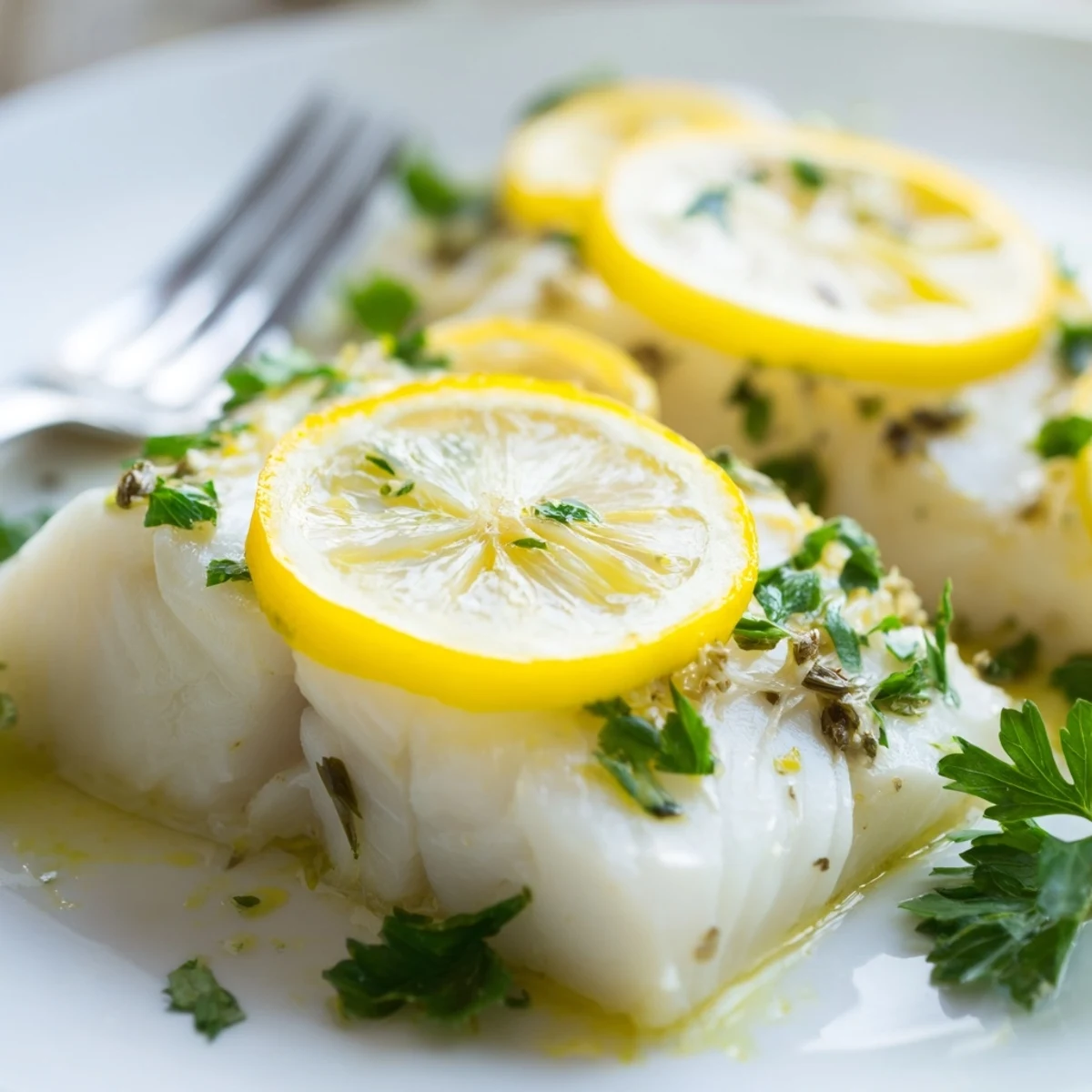
Save This dish features delicate halibut fillets brushed with a marinade of olive oil, fresh lemon juice, zest, garlic, and thyme. Baked until flaky and tender, garnished with lemon slices and parsley, it offers a bright, fresh flavor perfect for a wholesome main course. Cooking is quick and uncomplicated, highlighting clean ingredients and natural tastes.
Halibut found its way into my kitchen on a Wednesday afternoon when my partner came home with a bag from the fish counter, saying they'd been curious about cooking something lighter. I'd never worked with halibut before, so we stood there figuring it out together, and what emerged from the oven eighteen minutes later was so delicate and bright that we both looked at each other in that surprised way you do when something simple turns out almost elegant. The lemon was the star, it turns out, and the herbs didn't fight with it but whispered alongside. That first bite made us both slow down.
A few months later, I made this for my sister's unexpected visit when she texted saying she'd just been diagnosed with high cholesterol and wanted to eat better. Watching her take that first forkful, seeing how the flesh flaked so easily, and hearing her say, 'I didn't know healthy food could taste like this' made me realize this recipe was about more than dinner. It became the dish I reach for when someone needs feeding but also needs to feel cared for.
Ingredients
- Halibut fillets (6 ounces each, 4 total): Look for pale, almost translucent flesh without any browning; ask your fishmonger to remove the skin so you have one less step.
- Olive oil (2 tablespoons): Use your decent oil here, the kind you keep in a dark bottle, because nothing masks bad oil in something this simple.
- Lemon juice (2 tablespoons) and lemon zest (1 teaspoon): Fresh-squeezed makes the difference between bright and thin; microplane the zest so it's feathery and fragrant.
- Garlic cloves (2, minced): Mince them small enough that they'll melt into the oil rather than sit in chunks.
- Fresh thyme (1 teaspoon) or dried (1/2 teaspoon): If using fresh, strip the leaves from the stem with your fingers; dried works just fine when fresh isn't there.
- Salt and black pepper: Taste as you season; halibut is delicate enough that it'll telegraph exactly what it needs.
- Lemon slices and fresh parsley: These aren't decoration, they're the final thought that says you meant it.
Instructions
- Heat your oven and ready the dish:
- Get the oven to 400°F and let it come all the way up while you work; parchment paper does the job or a light grease will too. This matters because the heat needs to be honest and immediate.
- Make your golden marinade:
- Whisk the oil, lemon juice, zest, garlic, thyme, salt, and pepper together in a small bowl until they look like they've decided to be friends. The mixture should smell warm and make you want to taste it.
- Dry and position your fish:
- Pat each fillet with paper towels until they're truly dry; moisture is the enemy of anything golden and good. Arrange them in the dish in a way that feels unhurried, with a little space between them.
- Anoint with brightness:
- Brush the marinade over each fillet with care, then lay a couple of lemon slices on top of each one. The citrus will nestle into the flesh and season it from the outside in.
- Let the oven do its work:
- Bake until the fish is opaque and flakes without resistance, fifteen to eighteen minutes depending on your oven's mood. A fork should separate the flesh in clean, tender pieces.
- Finish with green and serve:
- Pull it from the heat, scatter fresh parsley over everything while it's still steaming, and bring it to the table right away. The moment after something leaves the oven is when it tastes most like itself.
 Save
Save The real gift of this recipe is how it taught me that some of the best meals don't announce themselves with effort. It's become the first thing I make when someone asks, 'What should I cook tonight for someone I want to impress without making a fuss?'
The Lemon, Undiluted
The lemon in this recipe isn't a whisper; it's the whole point. Fresh-squeezed juice mixed with zest creates two kinds of citrus flavor, and they work together to make the delicate fish taste more like itself, not like it's been masked. I learned this the hard way by once using bottled juice thinking it wouldn't matter, and it mattered so much that I threw the batch out and started again.
Why Halibut, Why This Way
Halibut is a clean fish with a gentle flavor that gets easily overwhelmed, which is why so many recipes pile it with cream or butter to give it somewhere to hide. Baking it simply with acid and heat lets it be itself, and somehow that's braver than drowning it in sauce. The herbs add dimension without noise, and the whole thing comes together with a kind of quiet confidence.
Building the Moment
This is a dish that belongs at a table where people are paying attention to what they're eating, where maybe there's a good glass of white wine alongside and the conversation drifts toward things that matter. It's elegant without being precious, healthy without tasting like punishment, and fast enough that you can make it on a weeknight without feeling like you're sacrificing anything.
- If your halibut fillets are particularly thick, they may need a few extra minutes; trust what you see more than the timer.
- A splash of dry white wine in the bottom of the dish before baking adds a subtle richness that nobody can quite name.
- Leftovers, surprisingly, taste just as good cold the next day with a squeeze of fresh lemon.
 Save
Save There's something about pulling a perfectly baked halibut from the oven that feels like you've done something worth doing. Come back to this recipe whenever you need to remember that the best meals are often the simplest ones, made with care and a forkful of hope.
Recipe FAQs
- → How do I know when the halibut is done baking?
-
Halibut is done when it turns opaque and flakes easily with a fork. Baking for 15–18 minutes at 400°F usually achieves this.
- → Can I substitute other fish for halibut?
-
Yes, cod or haddock work well as alternatives, offering similar texture and flavor.
- → What herbs complement the lemon in this dish?
-
Fresh thyme and parsley add bright, aromatic notes that balance the lemon's zest and acidity.
- → Is it necessary to pat the fish dry before marinating?
-
Patting dry helps the marinade adhere better and promotes even cooking.
- → Can I add wine to enhance the flavor?
-
A splash of dry white wine added to the baking dish before cooking can deepen the dish’s flavor.