
 Save
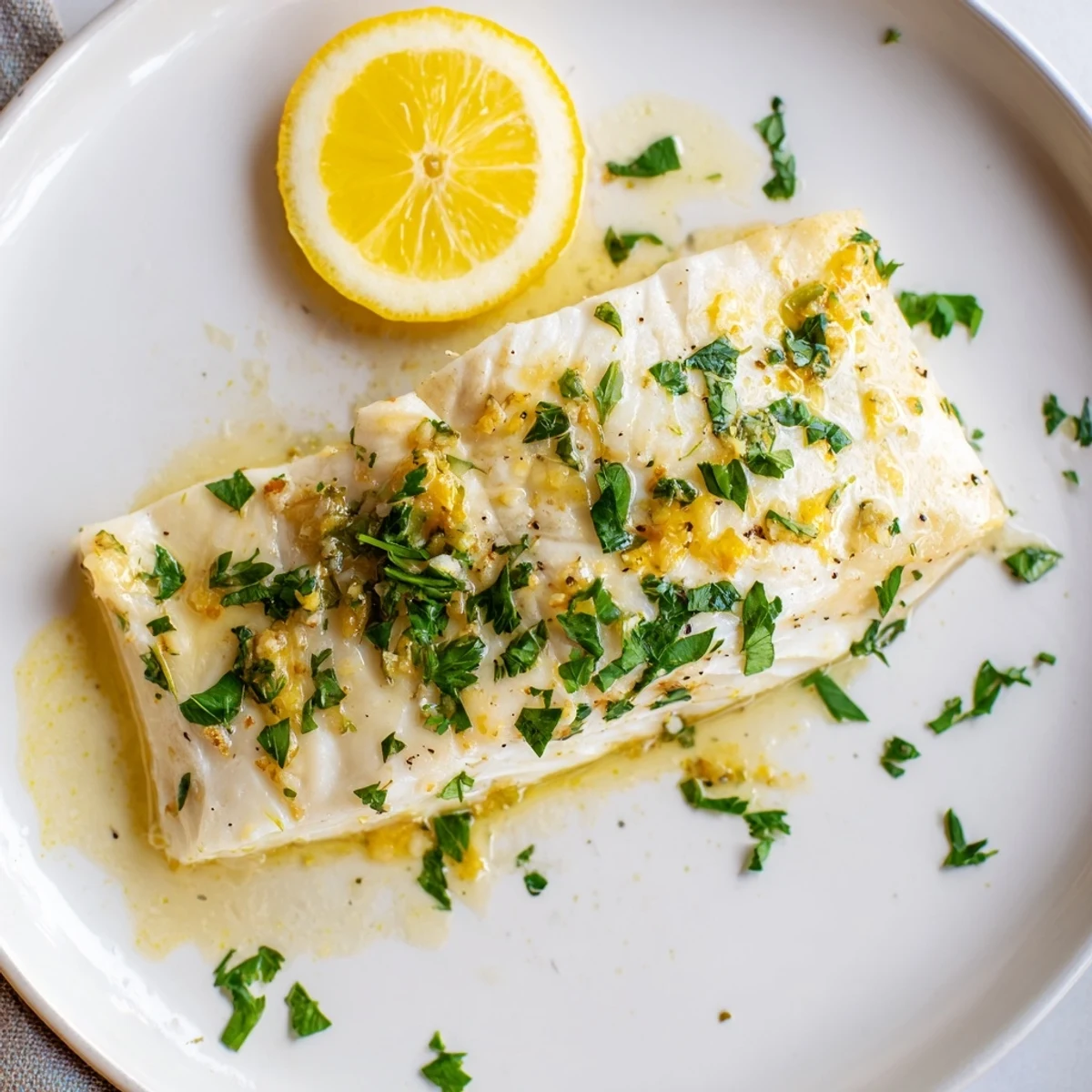
Save This dish features tender halibut fillets brushed with a lemon, garlic, and herb mixture, then baked to flaky perfection. With a simple blend of fresh lemon juice, zest, minced garlic, olive oil, and thyme, it delivers bright and savory flavors that complement the delicate fish. Finished with chopped parsley and lemon wedges, it's a light and satisfying option ideal for a quick, wholesome dinner. Perfect paired with steamed vegetables or a crisp salad to balance its zestful notes.
I'll never forget the summer evening when my neighbor handed me a pristine halibut fillet from her fishing trip and challenged me to make something special with it. I was nervous—halibut felt fancy, restaurant-worthy—but she insisted it was actually the most forgiving fish to cook at home. That night, I discovered that the best meals don't require complicated techniques, just respect for quality ingredients and a little bit of lemon-garlic magic.
I made this for my in-laws last spring, worried they'd judge my simple approach. But watching them close their eyes after that first bite, tasting the bright lemon and garlic singing together—that's when I realized elegance doesn't mean complexity. My mother-in-law asked for the recipe before dessert was even served.
Ingredients
- Halibut fillets: Four 6-ounce pieces of skinless halibut are the star here. This mild, delicate fish deserves the spotlight, and its natural sweetness plays beautifully with bright, acidic flavors. Look for fillets that smell fresh and briny, not fishy.
- Olive oil: Use your good olive oil here—not the fancy stuff you're saving, but something you genuinely enjoy. It carries the garlic and lemon right into every flake of fish.
- Fresh lemon juice and zest: This is where the magic lives. The juice brings brightness while the zest adds tiny bursts of citrus oil. Fresh lemons make all the difference; bottled juice just won't sing the same way.
- Garlic: Two cloves minced fine become almost a sauce when combined with the oil and lemon. Don't skip this step—garlic at this ratio adds savory depth without overwhelming.
- Salt and black pepper: These aren't afterthoughts. They're the seasoning foundation that makes every other flavor pop. I learned to taste and adjust as I go.
- Fresh thyme: If you can get it fresh, use it. The tiny leaves add an herbaceous whisper that dried thyme can't quite capture, though dried works in a pinch.
- Fresh parsley and lemon wedges: These are your finishing touches—parsley adds color and a fresh herbal note, while wedges let everyone squeeze their own brightness at the table.
Instructions
- Get your oven ready:
- Preheat to 400°F. While it heats, lightly grease your baking dish. This step matters more than you might think—a proper preheat ensures even cooking and prevents that awkward moment when the bottom is underdone.
- Prepare your fish:
- Pat those halibut fillets completely dry with paper towels. This small gesture prevents steam from making them soggy. Arrange them in a single layer in your dish, leaving a little space between each one so they cook evenly, not in their own moisture.
- Mix your magic:
- In a small bowl, whisk together olive oil, lemon juice, zest, minced garlic, salt, pepper, and thyme. Take a moment to smell it—that's the promise of what's coming. The mixture should be emulsified and fragrant, almost pesto-like in texture.
- Coat with care:
- Using a pastry brush, apply the mixture generously over each fillet. I brush the top first, then gently flip them and brush underneath, ensuring every surface gets that golden coat. You want it visible, not just a whisper.
- Bake with patience:
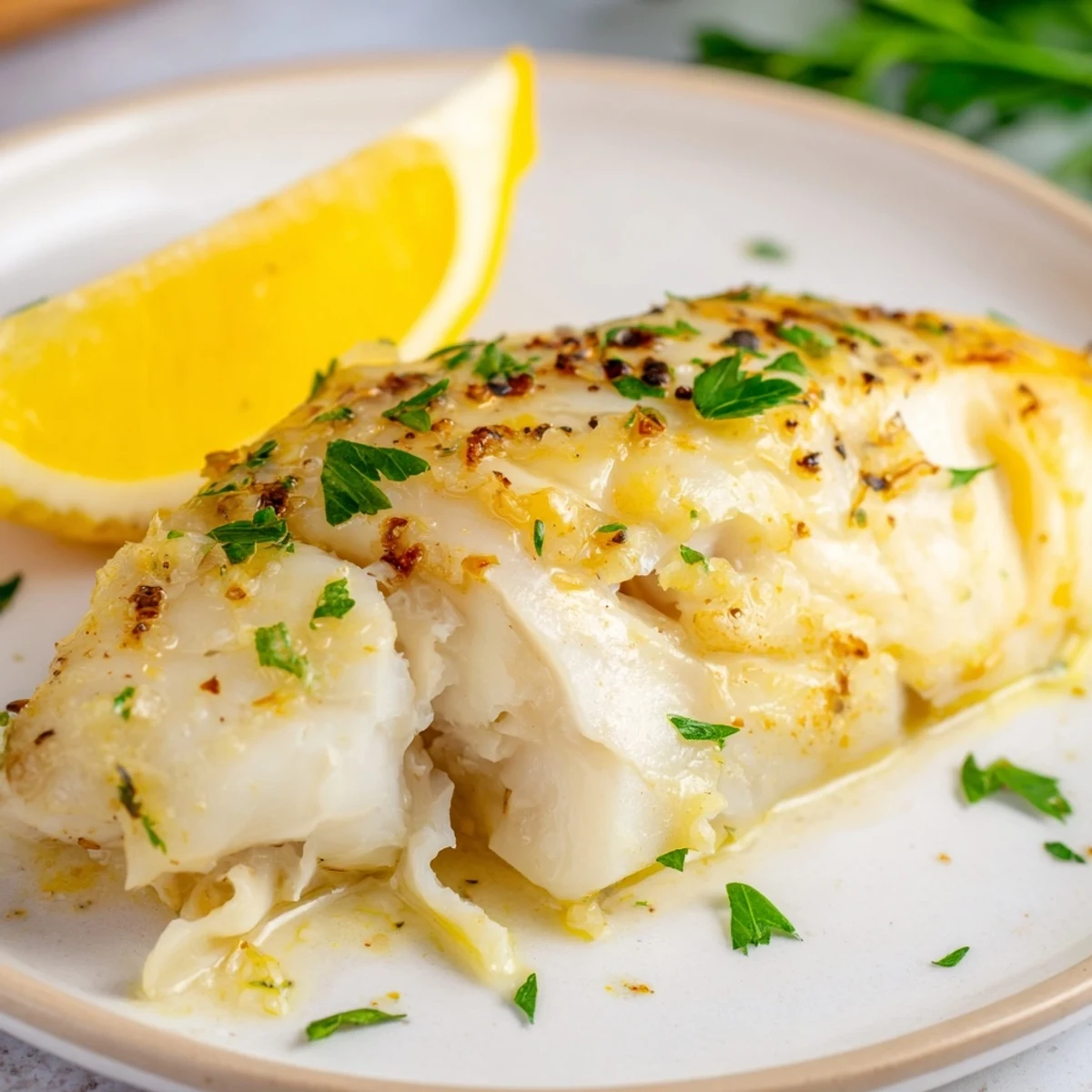
- Into the oven for 12 to 15 minutes. This is where you resist the urge to peek constantly. Around the 12-minute mark, gently press the thickest part of a fillet with your fork—if it flakes easily and looks opaque all the way through, you're done. Overcooked halibut becomes dry and disappointing; undercooked is unsafe. That sweet spot is everything.
- Finish and serve:
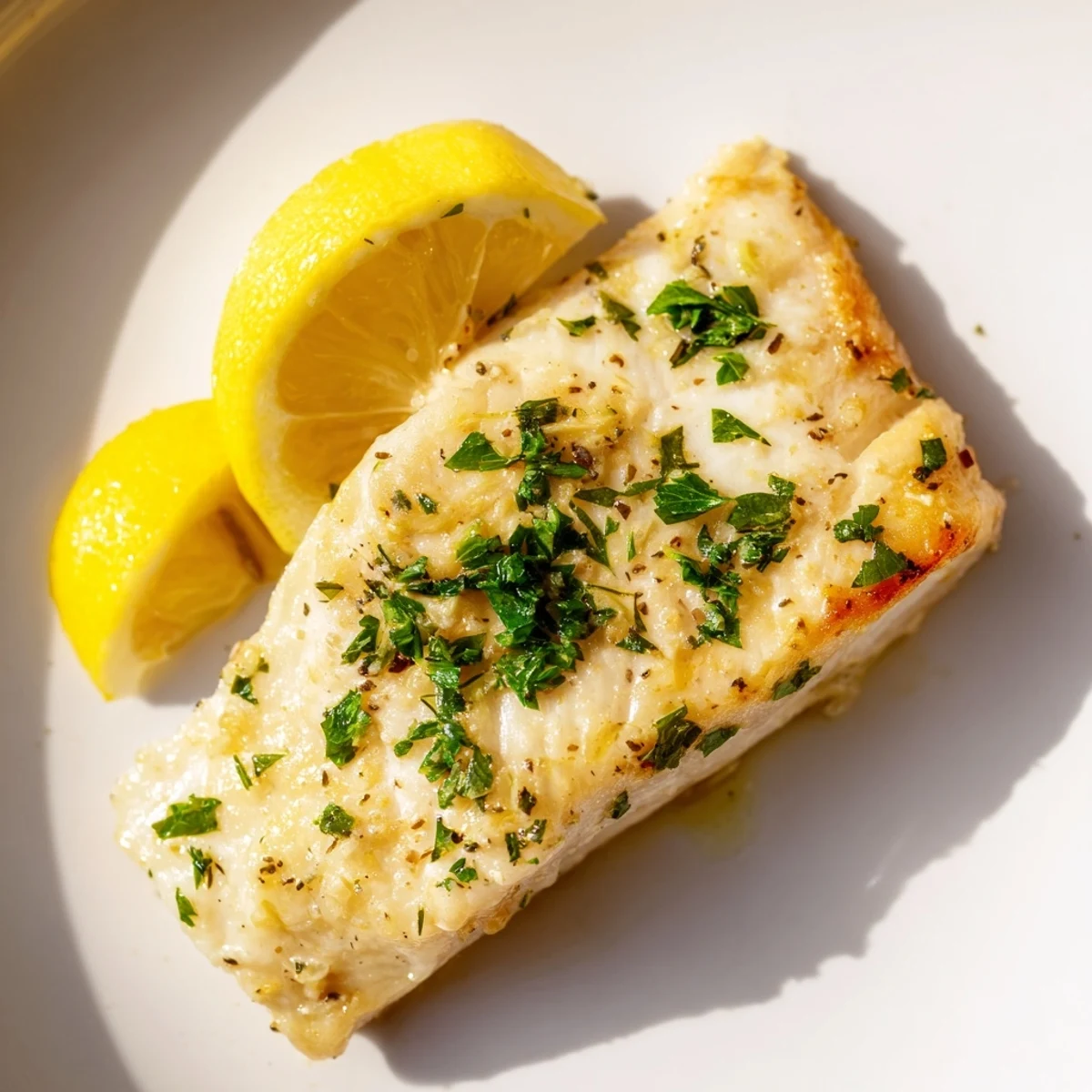
- Remove from the oven, scatter fresh parsley over the top, and set lemon wedges alongside each plate. Let people customize their own brightness. This moment—hot fish, cold lemon, warm company—is why we cook.
 Save
Save I remember my daughter, who claimed she didn't like fish, asking for seconds that night. She said it didn't taste fishy—it tasted bright and clean, like summer on a plate. That's when halibut stopped being scary and became our go-to celebration dinner.
Why This Recipe Works
The beauty of this approach is that it respects the halibut's delicate nature while building layers of flavor around it. Baking in a hot oven cooks the fish gently and evenly, while the lemon-garlic butter infuses it with brightness. There's no sauce to hide behind, no cream to muddy the water—just pristine fish treated with honesty. This is restaurant-quality cooking made accessible because the technique is forgiving and the ingredients are straightforward.
Variations and Substitutions
Halibut is the ideal fish for this method, but I've successfully used cod, haddock, and even mahi-mahi when halibut wasn't available. What matters is choosing a firm, mild white fish that won't fall apart during baking. I've also experimented with the seasoning—a pinch of paprika adds warmth, a few capers bring briny complexity, fresh dill works beautifully if you prefer that herbal note over thyme, and a whisper of red pepper flakes appeals to those who like a little heat. Each change is subtle but shifts the whole personality of the dish.
Serving and Pairing Ideas
Simplicity pairs well with simplicity. Serve this with steamed vegetables like asparagus or green beans, which echo the fresh, clean flavors. A light rice pilaf absorbs the pan juices beautifully, or a crisp green salad provides contrast. I've even served it alongside roasted new potatoes with a drizzle of the pan liquid. The key is letting the halibut remain the star—everything else should be quiet and supportive.
- Make extra lemon wedges and let guests squeeze their own—everyone's preference for brightness is different
- If you have fresh herbs like basil or chervil, they make beautiful last-minute garnishes alongside the parsley
- Leftover halibut is wonderful flaked into a salad or stirred into pasta the next day, so don't hesitate to make extra
 Save
Save Cooking halibut this way reminds me why simple food matters. There's honesty in letting good ingredients speak for themselves, and there's joy in a meal that takes less time to cook than it takes to set the table. I hope this becomes your version of that neighbor's gift—something you make again and again, each time feeling a little more like home.
Recipe FAQs
- → What is the best way to bake halibut for moistness?
-
Baking halibut at 400°F for 12-15 minutes ensures tender, flaky results without drying out the fish. Brushing with lemon-garlic butter helps retain moisture.
- → Can I substitute any herbs for thyme in this dish?
-
Yes, fresh or dried rosemary or dill can be used as alternatives to thyme, adding a different aromatic touch to the halibut.
- → What side dishes complement baked halibut well?
-
Steamed vegetables, rice, or a crisp green salad pair wonderfully, balancing the bright lemon and garlic flavors.
- → Is fresh lemon juice necessary for this preparation?
-
Fresh lemon juice enhances brightness and acidity, but bottled lemon juice can be used if fresh is unavailable, though flavor may be less vibrant.
- → How can I add extra flavor to the halibut before baking?
-
Sprinkling paprika or adding capers before baking introduces a smoky or briny depth that complements the citrus and garlic notes.