
 Save
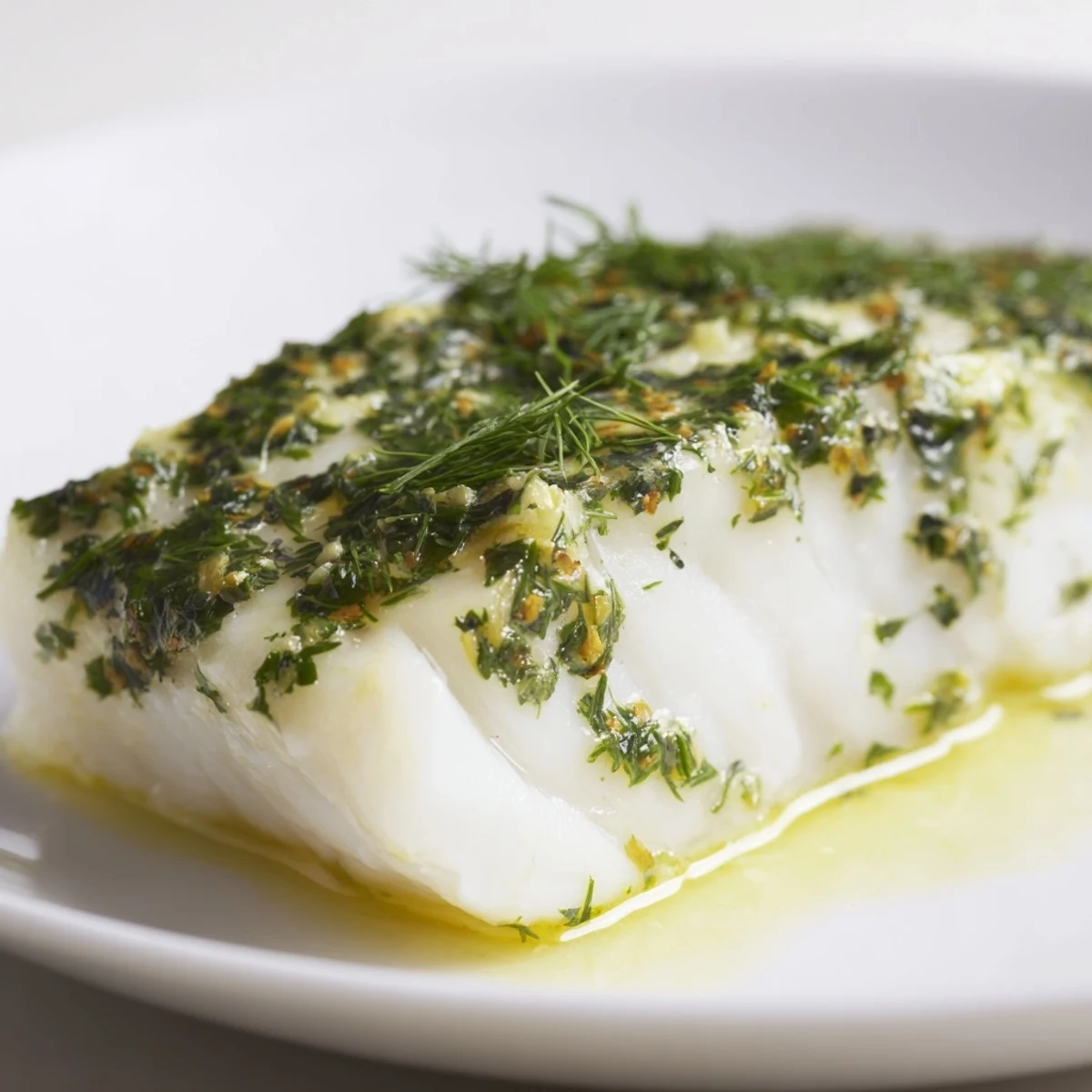
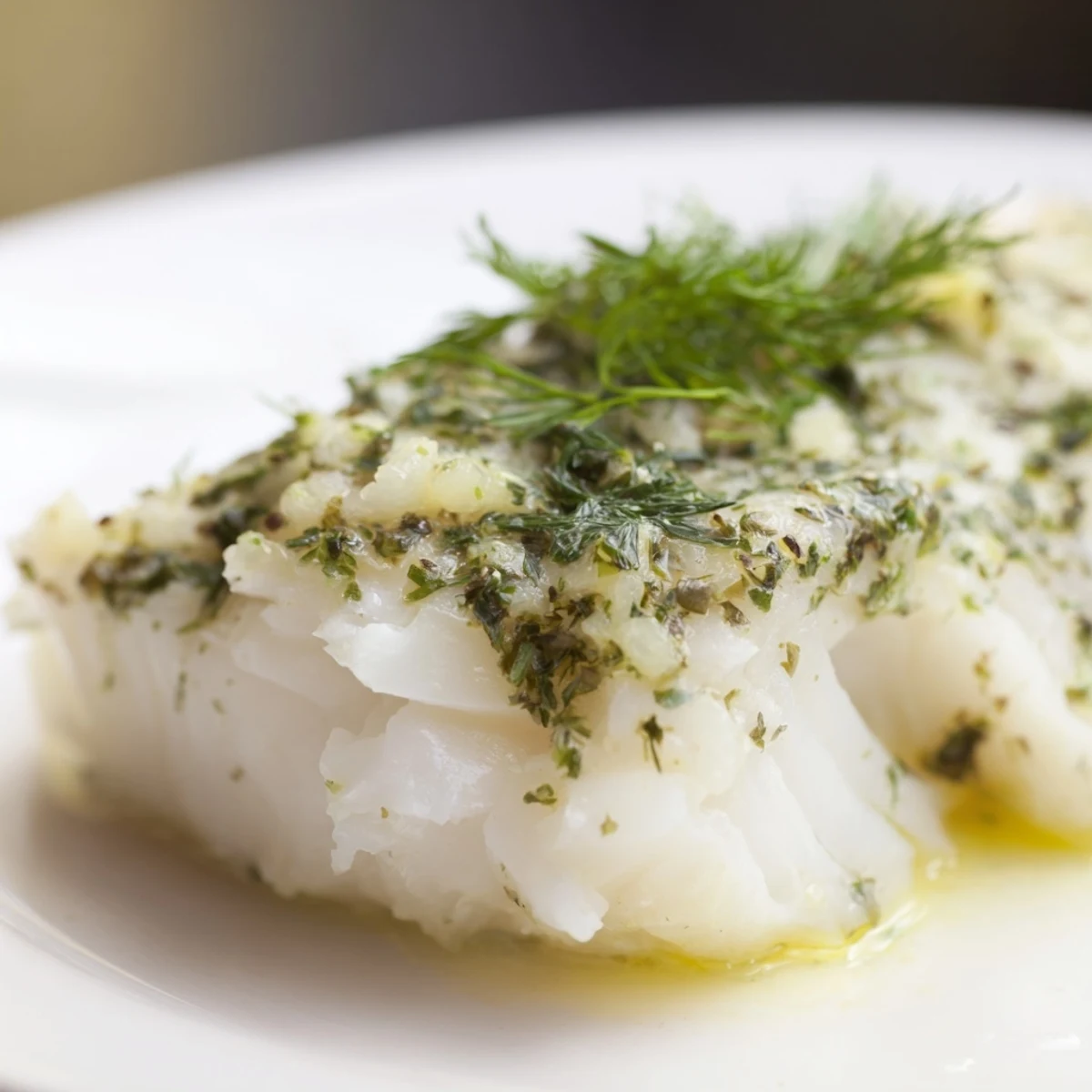
Save This dish features flaky halibut fillets brushed with olive oil, seasoned, and baked to tender perfection. They're topped with a vibrant lemon herb butter blend combining garlic, parsley, dill, thyme, lemon zest, and juice. Baked at high heat, the fish becomes succulent and flavorful. Garnishing with lemon wedges and extra herbs adds brightness and freshness, making this a light yet satisfying option perfect for a quick, elegant meal.
There was an evening when my neighbor stopped by with a fresh halibut from the fish market, and I had no idea what to do with it. She stood in my kitchen suggesting I keep it simple, maybe just butter and lemon, and suddenly the whole thing clicked—sometimes the best dishes are the ones where the ingredient does most of the talking. That night taught me that halibut doesn't need much fussing; it wants to shine on its own terms with just the right supporting cast.
I made this for a small dinner party once, worried the whole time that I'd overcook the fish and embarrass myself. When I pulled it from the oven and everyone's faces lit up at the aroma—that combination of citrus, herbs, and butter hitting the air—I realized I'd been overthinking it the entire time. The most stressful part turned out to be waiting for it to cool enough to eat.
Ingredients
- Halibut fillets (4, about 6 oz each): Look for fillets that feel firm and smell fresh and ocean-like, not fishy; they should be roughly the same thickness so they cook evenly.
- Olive oil: A light brush prevents sticking and helps the seasonings adhere; don't skip this step.
- Salt and black pepper: Season generously before the fish goes in the oven, as you won't get another chance to layer flavor into the fish itself.
- Unsalted butter (4 tablespoons, softened): Softening it ahead means the herbs distribute evenly and nothing breaks or gets lumpy.
- Garlic (2 cloves, minced): Mincing it fine prevents harsh bits; raw garlic mellows beautifully as the butter melts over warm fish.
- Fresh parsley (2 tablespoons): Its mild, grassy freshness balances the richness of the butter without overpowering the delicate fish.
- Fresh dill (1 tablespoon): A little goes a long way; dill has a subtle anise quality that somehow feels made for halibut.
- Fresh thyme leaves (1 teaspoon): Strip these tiny leaves from the stem so you don't end up chewing on woody bits.
- Lemon zest and juice: The zest provides brightness without extra liquid, while juice adds subtle acidity that makes the whole dish feel lighter.
- Lemon wedges and extra parsley (optional garnish): These aren't just pretty; they remind you mid-bite why this works so well together.
Instructions
- Heat your oven and prep the stage:
- Set the oven to 400°F and line a baking sheet with parchment paper. This temperature is hot enough to gently cook the fish through without drying it out, and the parchment means you're not scrubbing butter off a pan later.
- Dry and season the halibut:
- Pat each fillet completely dry with paper towels, then brush both sides lightly with olive oil and season with salt and pepper. Moisture is the enemy of a golden exterior, so don't skip the patting.
- Build your herb butter:
- In a small bowl, combine the softened butter, minced garlic, parsley, dill, thyme, lemon zest, and lemon juice, stirring until everything is evenly mixed. This is your flavor bomb, and it should look flecked with green herbs and smell absolutely amazing.
- Compose the dish:
- Lay the fillets on your prepared sheet and spread a generous spoonful of herb butter over the center of each one. The butter will melt and cascade over the edges as it bakes, which is exactly what you want.
- Bake until just cooked through:
- Slide the sheet into the oven for 12 to 15 minutes, depending on fillet thickness. The fish is done when it flakes easily with a fork and looks opaque all the way through; overcooking by even a minute changes everything.
- Rest and serve:
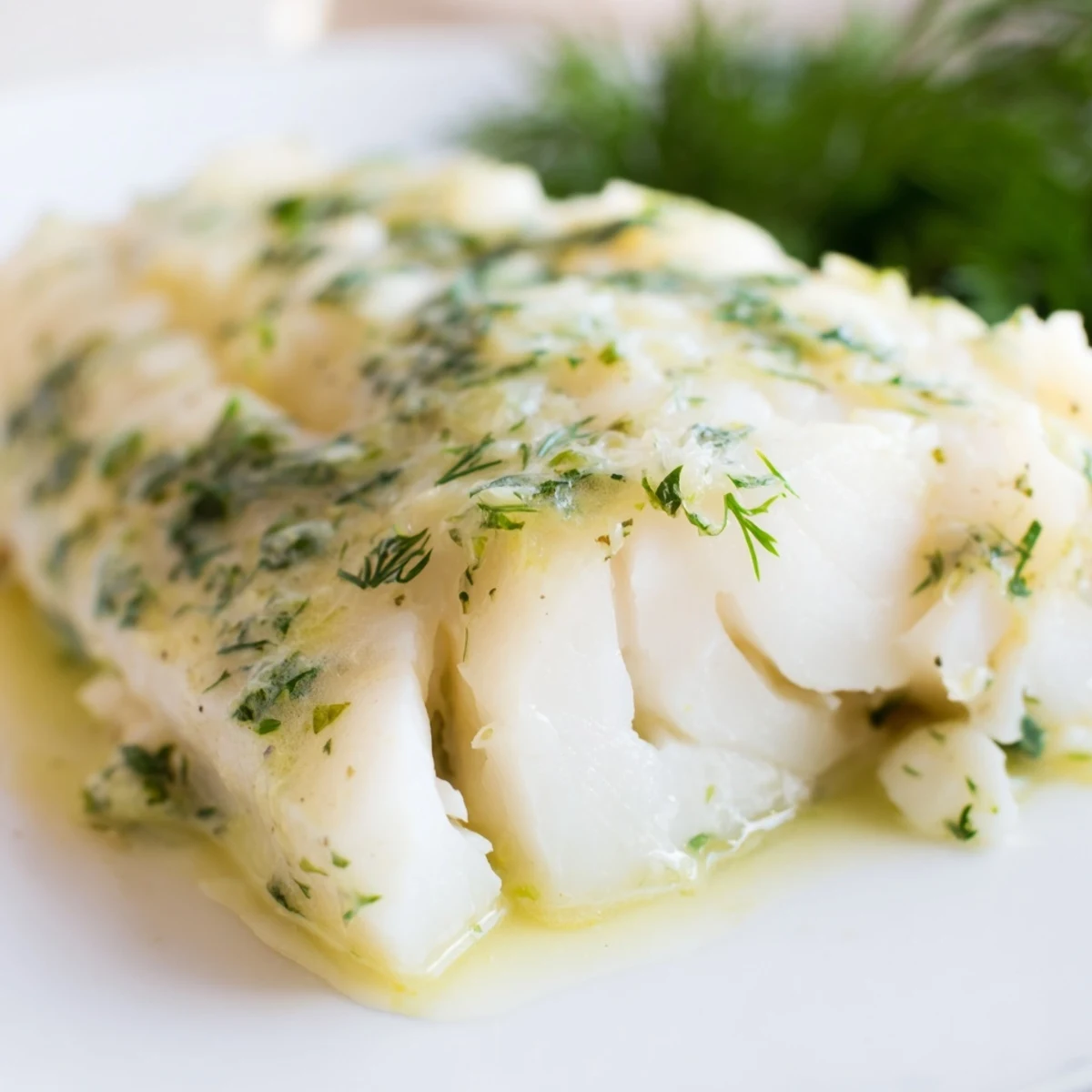
- Let everything sit for 2 minutes so the carryover heat finishes the cooking gently. Plate it with the pan juices, lemon wedges, and fresh parsley if you're feeling fancy.
 Save
Save This dish became a staple at my house the night I realized I could make restaurant-quality fish without a culinary degree or fancy equipment. It's the kind of meal that feels like a small celebration, whether you're cooking for yourself or three other people around the table.
Why Fresh Herbs Make All the Difference
The moment I switched from dried herbs to fresh ones, this recipe transformed completely. Dried herbs concentrate in flavor and can easily overwhelm delicate fish, while fresh herbs taste vibrant and alive, almost like you're eating a hint of a summer garden. If you've only made this with dried dill and thyme, you haven't really made this dish yet—the freshness is non-negotiable.
Choosing and Storing Halibut
Quality halibut is worth the extra few dollars at the counter. Ask the fishmonger when it came in and smell it directly—it should smell clean and briny, never ammonia-like. If you can't use it the day you buy it, wrap it tightly in plastic and keep it on the coldest shelf of your refrigerator for no more than two days, or freeze it for up to three months.
Wine Pairing and Serving Suggestions
A crisp Sauvignon Blanc or unoaked Chardonnay next to this dish is a match made somewhere in heaven. The acidity in white wine echoes the lemon, and the mineral notes in Sauvignon Blanc feel almost oceanic alongside the fish. Pair it with roasted asparagus or a light arugula salad dressed in lemon vinaigrette, and you've got a meal that feels both nourishing and celebratory.
- If you want to substitute the halibut, cod and sea bass both work beautifully with this same herb butter treatment.
- A pinch of red pepper flakes sprinkled over the butter before baking adds a subtle warmth without changing the essential character of the dish.
- Leftovers can be gently reheated at 300°F, though fish is honestly best eaten fresh.
 Save
Save This is the kind of recipe that sits quietly in your back pocket until the moment you need something beautiful and simple. Once you've made it a few times, you'll find yourself reaching for it on ordinary Tuesdays, knowing it'll turn an average evening into something a little bit special.
Recipe FAQs
- → What type of fish can I use besides halibut?
-
Cod or sea bass are excellent substitutes with similar texture and flavor. Adjust cooking time slightly as needed.
- → How do I know when the fish is done?
-
The halibut is done when it flakes easily with a fork and appears opaque in the center.
- → Can I prepare the lemon herb butter ahead of time?
-
Yes, mixing the butter and herbs in advance allows flavors to meld. Keep refrigerated until use.
- → What wine pairs well with this dish?
-
A crisp Sauvignon Blanc or Chardonnay complements the citrus and herb flavors nicely.
- → Is it possible to make this dish spicier?
-
Sprinkle a pinch of red pepper flakes over the fish before baking to add a touch of heat.
- → Should I remove the skin from the fish before cooking?
-
This preparation uses skinless fillets for an even, tender bake, but skin-on pieces can be used if preferred.