
 Save
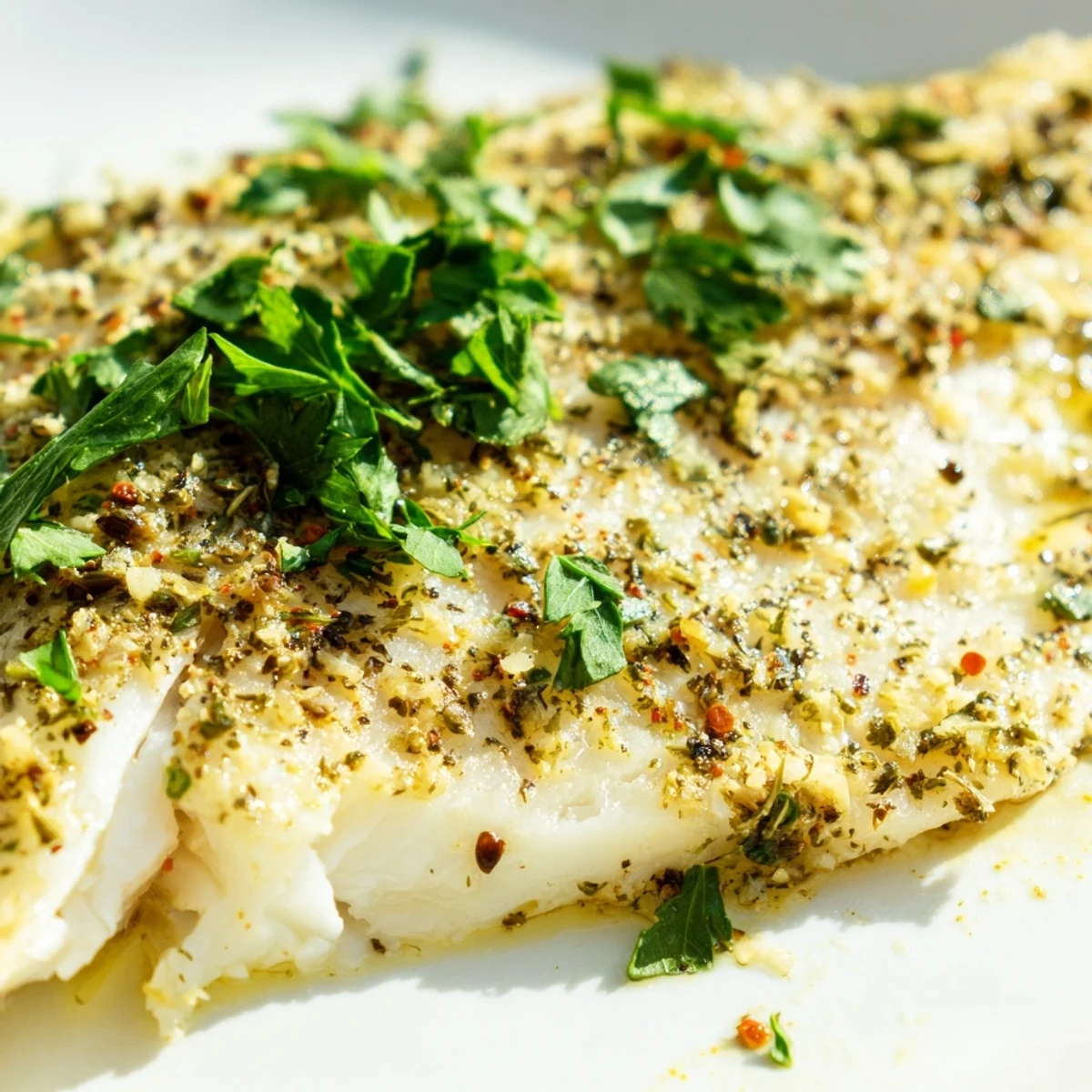
Save This dish features delicate tilapia fillets gently baked with a blend of lemon zest, fresh herbs, and a hint of garlic. The fish is coated in olive oil and seasoned with oregano, parsley, salt, and pepper, enhancing its natural flavors. Baked until flaky and tender, it offers a light and nutritious option ideal for busy weeknights. Garnished with fresh parsley and lemon wedges, it pairs beautifully with steamed vegetables or grains.
My neighbor knocked on the door one evening with a bag of fresh tilapia from the market, insisting I try baking it her way. She swore by a simple technique—just lemon, garlic, and herbs—that somehow turned something so delicate into something unforgettable. I was skeptical, honestly, but fifteen minutes later, the kitchen smelled like a coastal restaurant, and I understood. Now it's the dish I reach for when I want something that feels special but doesn't demand hours in the kitchen.
I made this for my sister during a chaotic Tuesday when she'd had the kind of day that needed comfort food but not fuss. She sat at the counter watching the oven light, and when that lemon-garlic aroma filled the room, I saw her shoulders finally relax. She ate it in quiet contentment, asking for the recipe before she'd finished her plate—that's when I knew it was a keeper.
Ingredients
- 4 tilapia fillets (about 150 g each): Tilapia's mild, flaky nature makes it a blank canvas for bright flavors; choose fillets that are similar in thickness so they cook evenly.
- 2 tablespoons olive oil: This is your delivery system for flavor—good olive oil matters here because there's nowhere for mediocre to hide.
- 2 cloves garlic, minced: Mince it fine so the garlic distributes evenly and doesn't burn; if you use a press, you'll get better texture and cleaner flavor.
- 1 lemon (zested and juiced): The zest and juice do different things—zest gives bright pops of citrus oil, while juice adds acidity that wakes up the whole dish.
- 1 teaspoon dried oregano and 1 teaspoon dried parsley: Dried herbs are concentrated, so they won't disappear into the fish the way fresh sometimes does at high heat.
- ½ teaspoon salt and ¼ teaspoon black pepper: Season generously because the fish itself is mild; you're not overpowering it, you're giving it a voice.
- Fresh parsley and lemon wedges for garnish (optional): These aren't decoration—they're the final reminder of what makes this dish sing.
Instructions
- Get Your Oven Ready:
- Set it to 200°C (400°F) and line your baking sheet with parchment paper or give a baking dish a light grease. A hot oven means the fish will cook through quickly without drying out.
- Dry Your Fish:
- Pat those fillets completely dry with paper towels—moisture is the enemy of flavor and even browning. Lay them in a single layer, not overlapping, so heat reaches every part.
- Build Your Sauce:
- Whisk together the olive oil, minced garlic, lemon zest, lemon juice, oregano, parsley, salt, and pepper in a small bowl until it's bright and fragrant. Taste it—this is your chance to adjust seasoning before it hits the fish.
- Coat and Bake:
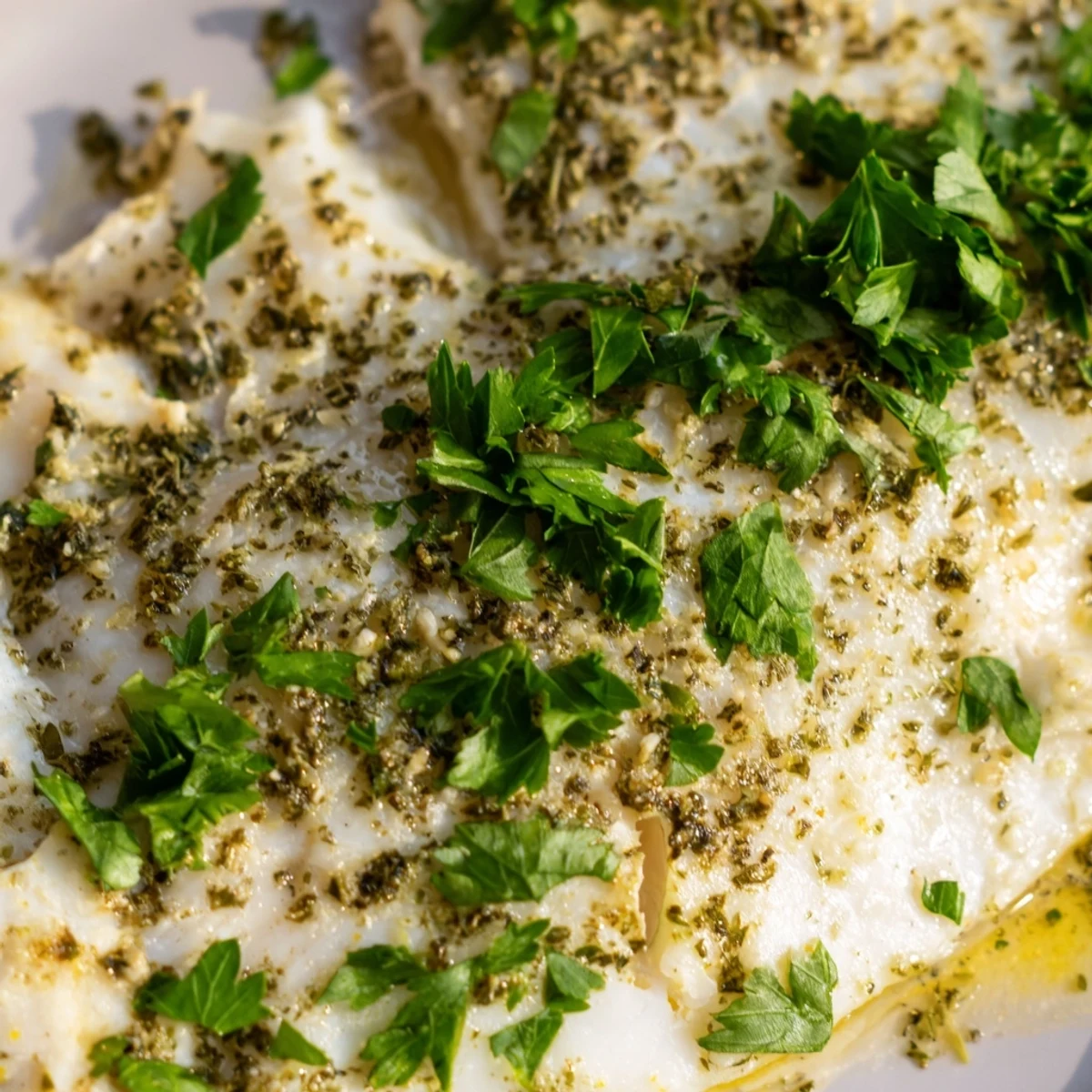
- Brush or spoon that mixture evenly over each fillet, letting a little pool collect around the edges. Slide into the oven for 12 to 15 minutes until the flesh is opaque and flakes easily when you press it with a fork.
- Finish and Serve:
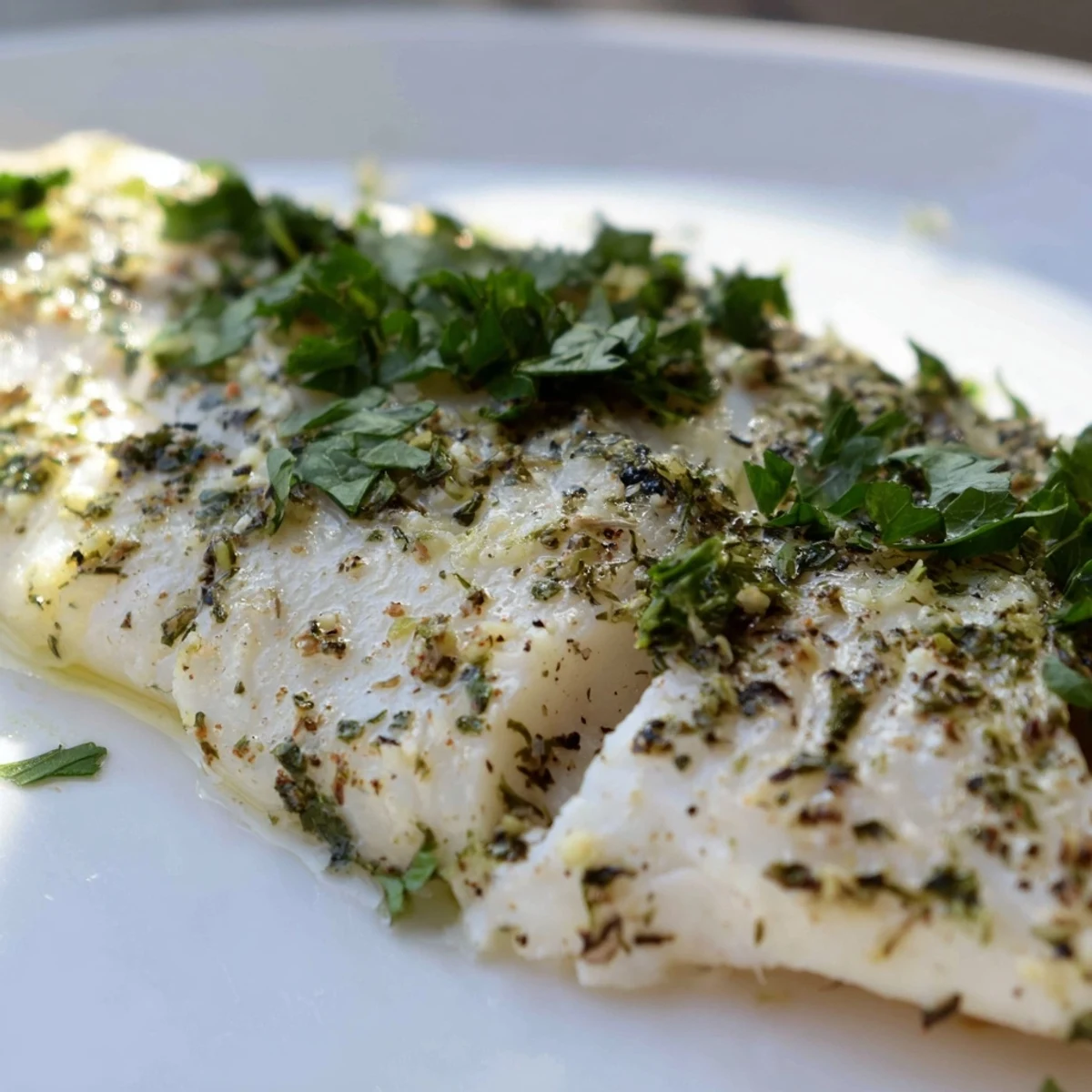
- The moment it comes out, scatter fresh parsley over the top and squeeze a wedge of lemon directly onto each fillet if you like. Serve immediately while everything is warm and the aroma is still filling the room.
 Save
Save I brought this dish to a potluck once, and someone asked if it came from a restaurant. I didn't tell them it took fifteen minutes—I just smiled and accepted the compliment. That's the magic of it: simple ingredients cooked with attention feel like something worth celebrating.
Why This Recipe Works
The beauty of baked tilapia is that heat does the work while you do nothing. The fish steams gently in its own moisture, which means the delicate flesh stays intact instead of falling apart like it does in a pan. The lemon and garlic infuse as it cooks, so every bite carries that brightness without any harshness.
Variations and Swaps
Tired of lemon? Try lime and cilantro, or switch to a white wine vinegar base with thyme and rosemary for earthier notes. If tilapia isn't what you've got, cod or haddock work beautifully—anything mild and flaky will take this treatment happily. A light dusting of paprika or a pinch of red pepper flakes before baking adds warmth without overwhelming.
What to Serve Alongside
I usually pair this with whatever vegetables need eating—roasted asparagus, steamed broccoli, or a simple green salad with a light vinaigrette keeps everything feeling fresh and uncomplicated. Rice, quinoa, or crusty bread works if you want something starchy to soak up the juices pooling on the plate.
- Roasted vegetables tossed in the same lemon-garlic oil as the fish create a cohesive meal that tastes intentional.
- A crisp white wine like Sauvignon Blanc or Pinot Grigio is the only drink that makes sense here.
- Make extra lemon wedges because people will ask for more than you prepared.
 Save
Save This recipe taught me that the best meals aren't the ones that demand your attention—they're the ones that trust you to step back and let them become themselves. That's what keeps me coming back to it.
Recipe FAQs
- → What is the best way to ensure the tilapia stays moist?
-
Brushing the fillets with olive oil and lemon mixture before baking helps lock in moisture and flavor, preventing dryness.
- → Can I use fresh herbs instead of dried ones?
-
Yes, fresh parsley and oregano add vibrant flavor. Use about three times the amount of fresh herbs compared to dried.
- → What are suitable side dishes to serve with baked tilapia?
-
Steamed vegetables, white rice, or a crisp green salad complement the delicate flavors of baked tilapia well.
- → How can I add a bit of heat to this dish?
-
Sprinkle crushed red pepper flakes or paprika on the fillets before baking for a mild spicy kick.
- → Is this preparation gluten-free and low carb?
-
Yes, the ingredients used here contain no gluten and are naturally low in carbohydrates.