
 Save
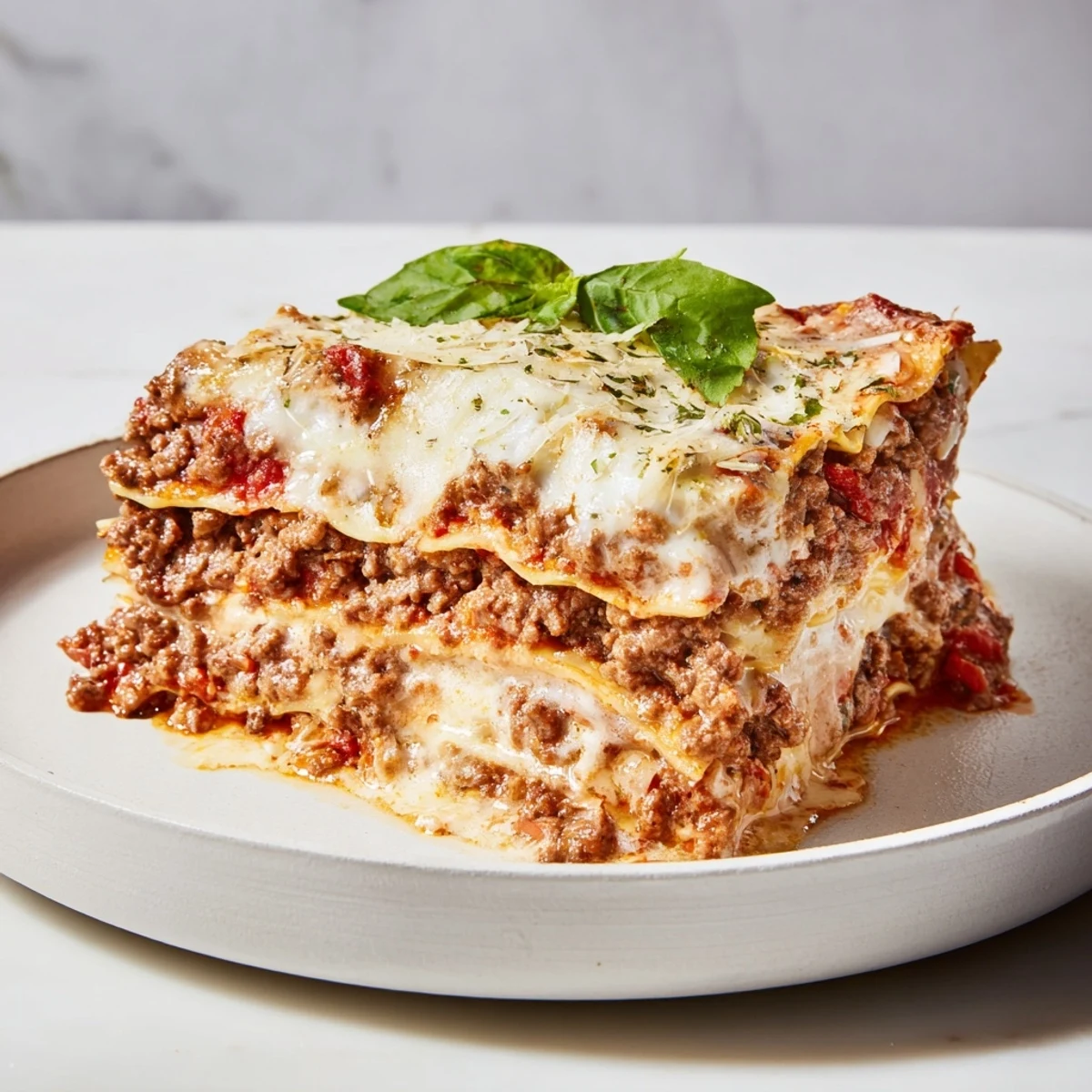
Save This dish features tender ground beef simmered with herbs and tomatoes, layered with creamy béchamel sauce and melty cheeses between oven-ready noodles. Baked to a golden finish, it offers rich, comforting Italian flavors with a smooth white sauce balancing the savory meat. Garnished with fresh basil, it's perfect for a satisfying family meal or special occasion.
My kitchen smelled like a trattoria in Rome the evening I decided to stop buying frozen lasagna. I had just come back from a long shift and wanted something that tasted like effort without the chaos. This beef lasagna with white sauce became my answer, a dish that looks impressive but forgives you if you're tired and your layers aren't perfect.
I made this for my neighbors once after they helped me move a couch up three flights of stairs. They showed up expecting pasta, but when I pulled this bubbling golden masterpiece out of the oven, the room went quiet. One of them actually said it smelled like his nonnas kitchen, and I took that as the highest compliment I'd ever received.
Ingredients
- Olive oil: Just enough to get the onions sweating without making the sauce greasy, and it keeps everything from sticking when you start browning the beef.
- Onion and garlic: The foundation of flavor here, cook them low and slow so they sweeten up and melt into the sauce instead of biting back.
- Ground beef: Go for something with a little fat, around 80/20, because lean beef makes the sauce taste flat and dry.
- Crushed tomatoes: I prefer canned over fresh for this, they're already concentrated and give you that deep, cooked-down flavor without waiting an hour.
- Tomato paste: This is where the umami lives, it thickens the sauce and adds a layer of richness you cant get from tomatoes alone.
- Oregano and basil: Dried herbs work better here than fresh because they release their oils slowly and blend into the background instead of shouting.
- Beef stock: It loosens the sauce just enough and deepens the meatiness, water works in a pinch but stock makes it sing.
- Butter and flour: The base of your béchamel, keep whisking or you'll end up with lumps that no amount of hope can smooth out.
- Whole milk: Warm it first so it doesn't seize up when it hits the roux, and whole milk is non-negotiable if you want that silky texture.
- Nutmeg: Just a whisper of it, too much and your lasagna tastes like eggnog, but the right amount makes the white sauce feel complete.
- Parmesan cheese: Adds a salty, nutty backbone to both the béchamel and the topping, freshly grated melts better than the pre-shredded stuff.
- No-boil lasagna noodles: They soak up the sauce as they bake and save you from boiling a giant pot of water, which is a weeknight miracle.
- Mozzarella: The gooey, stretchy cheese that makes every slice look like a commercial, low-moisture works best so the lasagna doesn't get watery.
Instructions
- Get the oven ready:
- Preheat to 180°C (350°F) so it's hot and waiting when your lasagna is assembled. This also gives you a deadline to work toward, which keeps you from overthinking the layers.
- Start the meat sauce:
- Heat olive oil in a large skillet and cook the onion until it's soft and translucent, about 3 minutes. Toss in the garlic and let it sizzle for a minute until your kitchen smells like an Italian grandmother just walked in.
- Brown the beef:
- Add the ground beef and break it up with a spoon, stirring until it's no longer pink and has some crispy brown bits. If there's a pool of grease, drain most of it off or your sauce will feel heavy.
- Build the sauce:
- Stir in crushed tomatoes, tomato paste, oregano, basil, salt, pepper, and beef stock. Let it simmer uncovered for 15 to 20 minutes, stirring now and then, until it thickens and clings to the spoon.
- Make the béchamel:
- Melt butter in a saucepan over medium heat, then whisk in the flour and cook for 2 minutes to form a pale roux. Gradually pour in warm milk while whisking constantly, no lumps allowed, and cook until the sauce thickens enough to coat the back of a spoon, about 6 to 8 minutes.
- Season the white sauce:
- Remove from heat and stir in nutmeg, salt, white pepper, and Parmesan until smooth and glossy. Taste it, if it feels flat, add a pinch more salt.
- Start layering:
- Spread a thin layer of meat sauce on the bottom of a 23x33 cm baking dish, just enough to keep the noodles from sticking. Lay down lasagna noodles, breaking them to fit if your dish is stubborn.
- Build the layers:
- Spread a third of the remaining meat sauce over the noodles, then drizzle a quarter of the white sauce on top and sprinkle with mozzarella. Repeat this two more times, noodles, meat, white sauce, cheese, until you run out of ingredients and patience.
- Finish the top:
- For the final layer, place noodles, spread the rest of the white sauce, and cover generously with mozzarella and Parmesan. This is the layer everyone sees, so make it look like you care.
- Bake covered:
- Cover the dish tightly with foil and bake for 30 minutes so the noodles soften and the flavors meld. The foil traps steam, which is what cooks those no-boil noodles through.
- Bake uncovered:
- Remove the foil and bake for another 15 to 20 minutes until the top is bubbly and golden brown. If you want more color, switch the oven to broil for the last 2 minutes, but watch it like a hawk.
- Rest before slicing:
- Let the lasagna sit for at least 15 minutes after you pull it out, this lets everything set so your slices don't slide apart into a saucy mess. Garnish with fresh basil if you have it, it makes the whole thing look intentional.
 Save
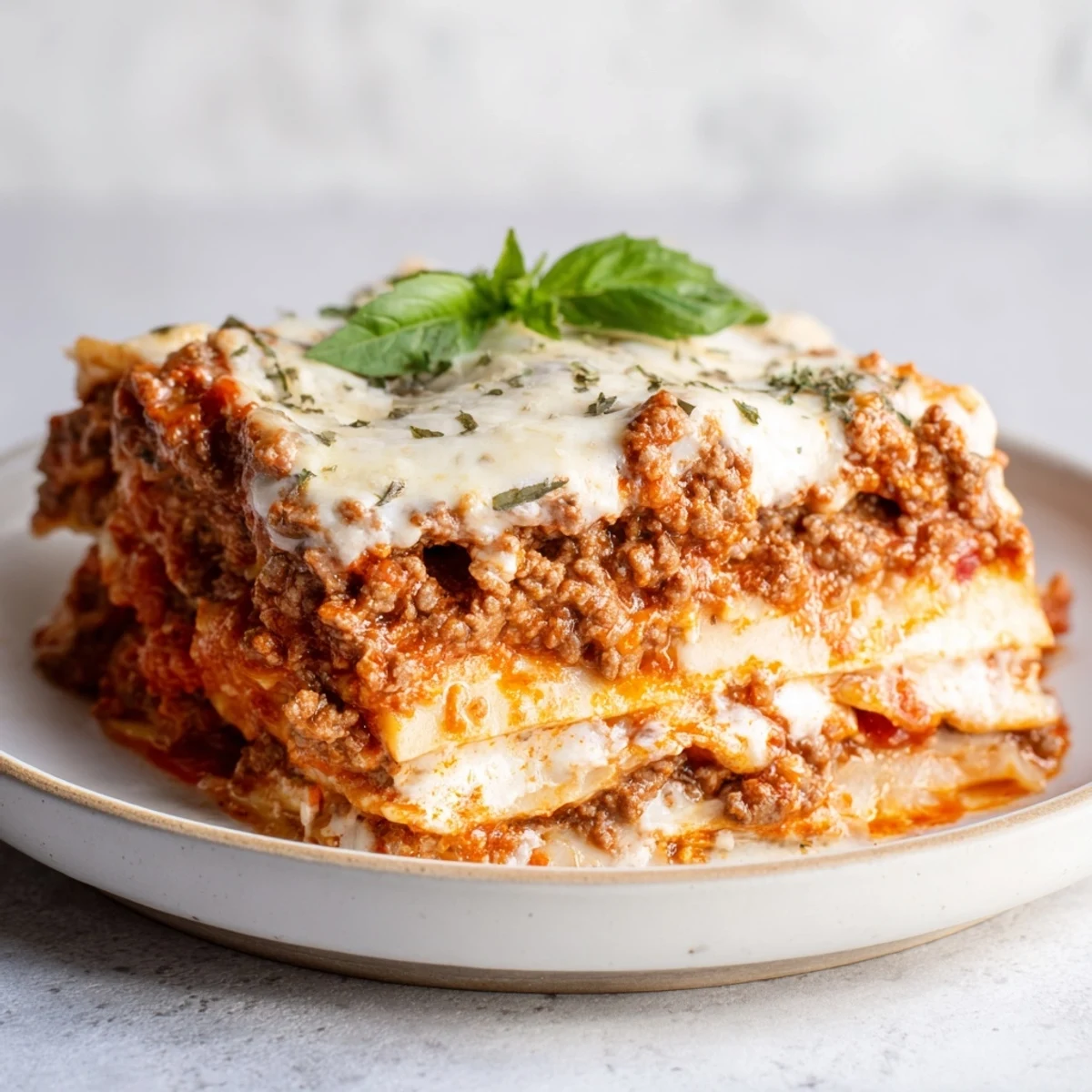
Save The first time I served this at a dinner party, someone asked if I'd trained in Italy. I laughed and told them the truth, I just followed the steps and trusted the process. That lasagna became the dish I'm known for, the one people request when they're feeling low or celebrating something big, and every time I make it, I'm reminded that good food doesn't need a fancy backstory, it just needs to taste like you cared.
How to Store and Reheat
Leftovers keep in the fridge for up to four days in an airtight container, and they taste even better once the flavors have had time to settle into each other. Reheat individual portions in the microwave with a damp paper towel on top to keep them from drying out, or warm the whole pan covered with foil in a 160°C (325°F) oven for about 20 minutes. You can also freeze assembled, unbaked lasagna for up to three months, just thaw it overnight in the fridge and bake as directed, adding an extra 10 minutes if it's still cold in the center.
Variations You Can Try
If you want a little heat, toss a pinch of chili flakes into the meat sauce while it simmers, it won't make it spicy but it'll add a low hum of warmth. Swap the ground beef for a mix of beef and pork, or even ground turkey if you're looking for something lighter, just add a bit more seasoning since turkey can taste mild. Fresh lasagna sheets will give you a softer, more delicate texture, but you'll need to adjust the baking time and keep an eye on it so it doesn't turn mushy.
Pairing and Serving Ideas
This lasagna is rich and filling, so I like to serve it with a simple green salad dressed in lemon and olive oil to cut through the creaminess. A glass of Chianti or Sangiovese is the classic pairing, the acidity in the wine balances the cheese and beef beautifully. If you're feeding a crowd, set out some crusty bread and a dish of good olive oil for dipping, it keeps people happy while the lasagna rests and makes the whole meal feel more generous.
- Serve with a crisp arugula salad tossed in balsamic vinaigrette for a peppery contrast.
- Pair with garlic bread only if you're ready to embrace full carb joy and have no regrets.
- Let everyone serve themselves from the pan, it's more casual and saves you from trying to plate perfect squares under pressure.
 Save
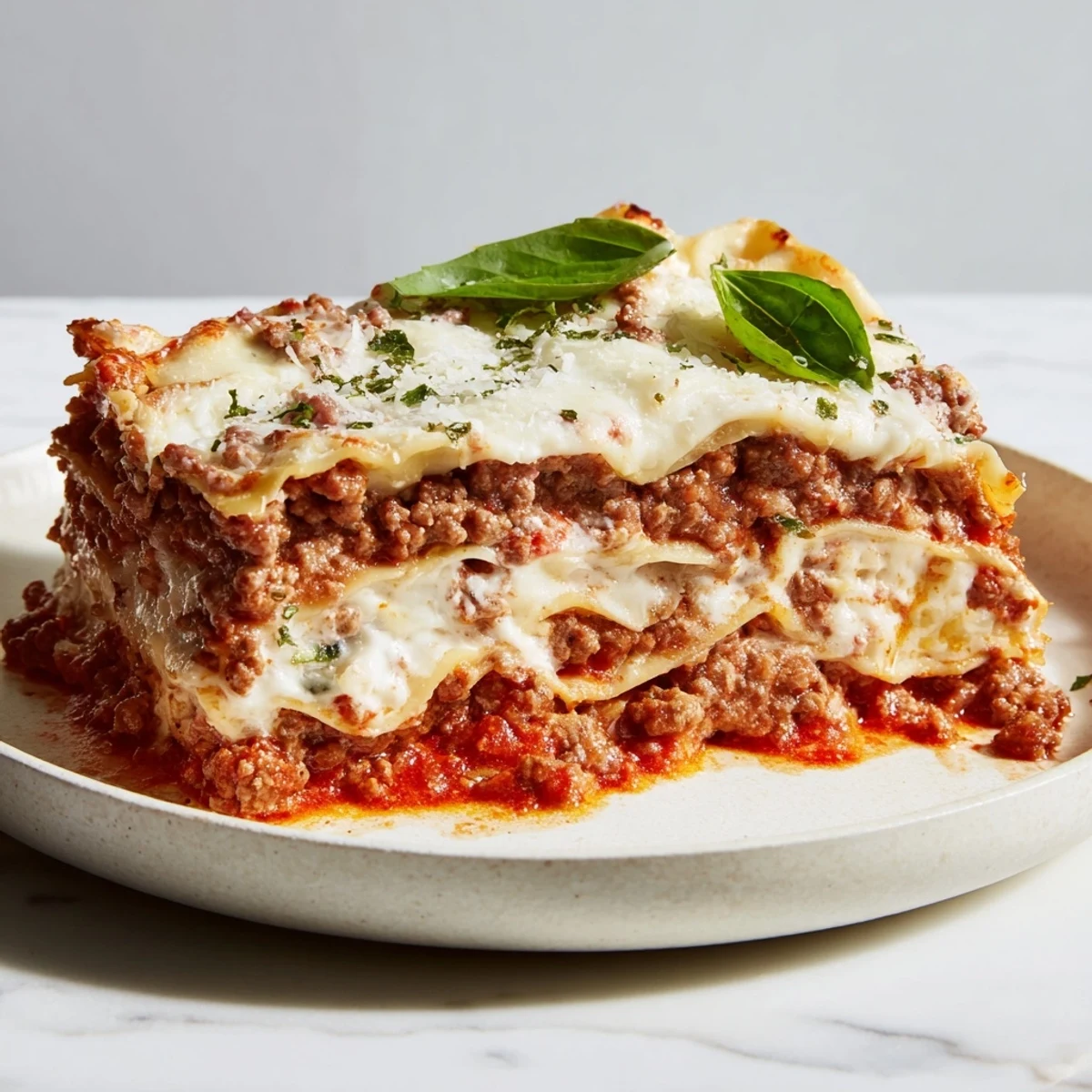
Save This lasagna has become my go-to for nights when I want to feel like I accomplished something, even if the day was a mess. It's forgiving, generous, and always makes people lean back in their chairs with that satisfied sigh, and that's all a recipe really needs to do.
Recipe FAQs
- → What type of cheese is used in the layers?
-
Shredded mozzarella and grated Parmesan cheeses are layered between noodles and sauces to create a creamy, melty texture.
- → How is the white sauce prepared?
-
The béchamel white sauce is made by whisking butter and flour into a roux, then gradually adding warm milk, seasoning with nutmeg, salt, white pepper, and Parmesan cheese for a smooth, creamy consistency.
- → Can the beef be substituted?
-
Yes, ground beef can be replaced with a mix of beef and pork or even ground turkey for a different flavor profile.
- → How long should the dish rest before serving?
-
Allow the lasagna to rest for at least 15 minutes after baking to set the layers and make slicing easier.
- → What herbs enhance the meat sauce?
-
Dried oregano and basil are added to the meat sauce to deepen the Italian-inspired flavors.
- → Is it necessary to drain excess fat from the cooked beef?
-
Draining excess fat helps prevent greasiness and keeps the sauce balanced, though it can be adjusted to taste.