
 Save
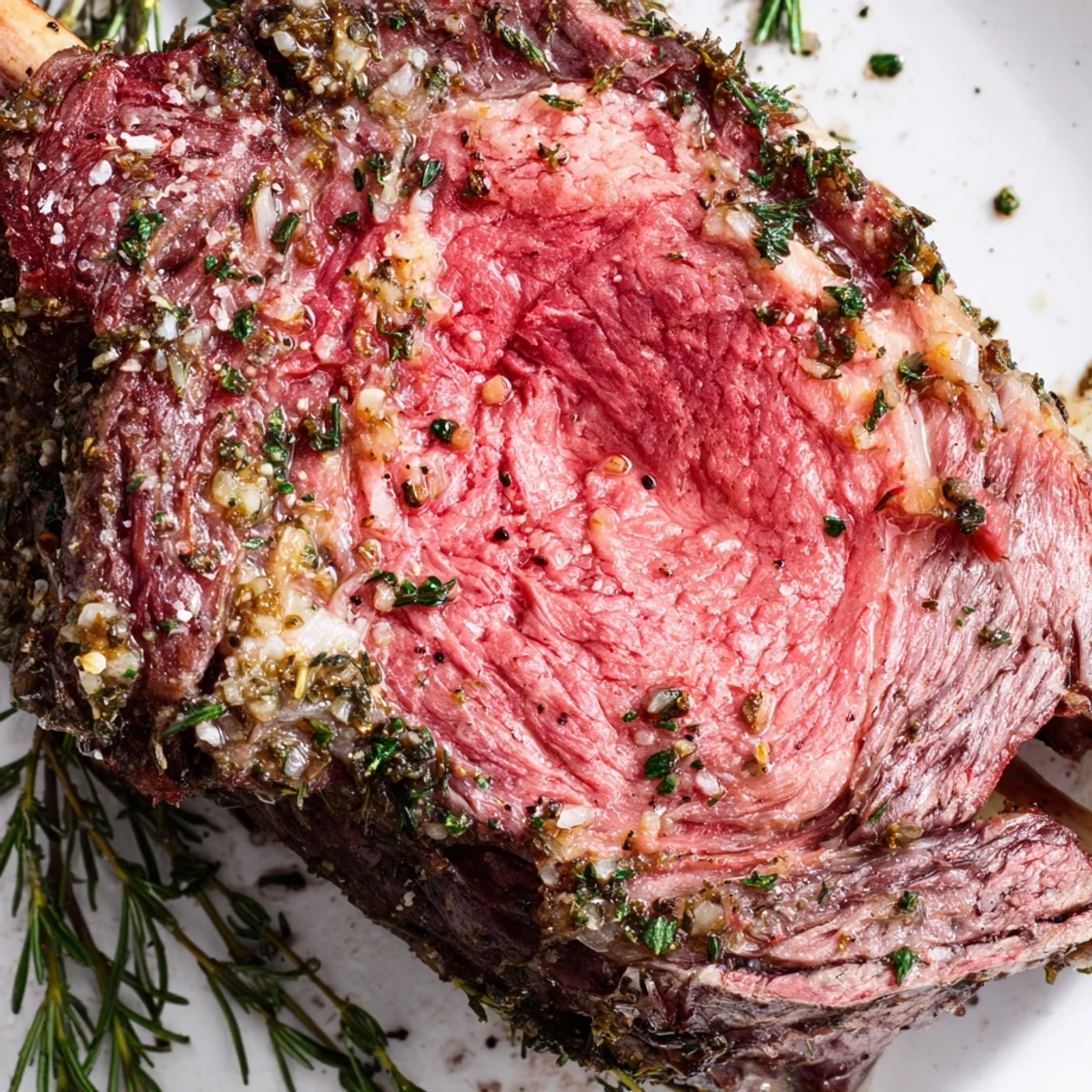
Save This succulent beef rib roast combines fresh rosemary, thyme, garlic, and olive oil to enhance its rich flavor. Roasted first at high heat, then slow-cooked to desired doneness, it yields tender, juicy meat. A bed of carrots, onions, and celery provides aromatic support during roasting. Resting the roast before carving ensures optimal juiciness. Ideal for a hearty main dish, it pairs well with bold red wines and makes delicious leftovers.
I'll never forget the first time I pulled a perfectly roasted beef rib roast from the oven—the kitchen filled with the most incredible aroma of rosemary and thyme, and I knew right then that this was going to become my signature dish. There's something about a bone-in rib roast that feels like an occasion, like you're honoring both the ingredient and the people sitting around your table. This recipe has been my go-to for every important dinner, and it never fails to impress.
I remember cooking this for my in-laws' first visit, and my husband was nervous about whether I could pull it off. When I brought that roast to the table with a little cloud of steam rising from it, and everyone's faces lit up, I realized this wasn't just dinner—it was a moment. Now, whenever we want to celebrate something special, this is what we make.
Ingredients
- 2.5 kg (5.5 lbs) bone-in beef rib roast: The star of the show—the bone is your best friend because it conducts heat beautifully and keeps everything incredibly moist. Ask your butcher for a well-marbled cut; those little white lines of fat are what make it sing
- 2 tbsp kosher salt: The larger crystals dissolve more slowly than table salt, which helps create that gorgeous seasoned crust without making it salty
- 1 tbsp freshly ground black pepper: Always grind it fresh if you can—pre-ground loses its punch, and you want that spice to really shine
- 2 tbsp fresh rosemary, finely chopped: Fresh is non-negotiable here; dried will taste dusty. The piney flavor pairs beautifully with beef in a way that feels almost magical
- 2 tbsp fresh thyme, finely chopped: This is the herb that whispers in the background, letting the beef stay the star while adding complexity
- 4 cloves garlic, minced: I learned to mince it fine so it distributes evenly through the paste and creates little flavor pockets throughout the crust
- 2 tbsp olive oil: This binds everything into a paste and helps the herbs and garlic stick to the meat instead of sliding off
- 2 large carrots, 2 onions, 2 celery stalks: These aren't just vegetables—they're your flavor foundation. They'll caramelize and create a simple, silky sauce at the bottom of the pan
Instructions
- Bring the roast to room temperature:
- Pull your roast from the fridge an hour before cooking. I know it seems like a small thing, but this step is what separates a good roast from a great one—it means the outside won't overcook while you're waiting for the center to warm through. Use this time to set your table and pour a glass of wine.
- Heat your oven and prep the seasoning paste:
- Crank your oven to 220°C (430°F). While it's preheating, combine salt, pepper, rosemary, thyme, garlic, and olive oil in a small bowl. Use the back of a spoon to really break everything down so it becomes a thick, fragrant paste.
- Dry and season the beef:
- Pat your roast completely dry with paper towels—this is crucial because moisture is the enemy of a good crust. Now, take that herb paste and really massage it all over the roast, getting into every crevice. Don't be shy; this is where all the flavor happens.
- Create your vegetable bed:
- Toss your carrots, onions, and celery into your roasting pan and arrange them so they're spread out. These vegetables will cradle your roast and create the most delicious pan sauce. Place the roast bone-side down right on top.
- Start with a hot sear:
- Roast at 220°C (430°F) for 20 minutes. This initial high heat creates that beautiful, caramelized crust that locks in the juices. You'll hear a gentle sizzle—that's the sound of perfection happening.
- Lower heat and slow-roast:
- Drop the temperature to 160°C (325°F) and continue roasting for about 1 hour 30 minutes. This is where patience becomes your secret weapon. The lower temperature allows the inside to cook gently and evenly while keeping the meat tender.
- Check for doneness:
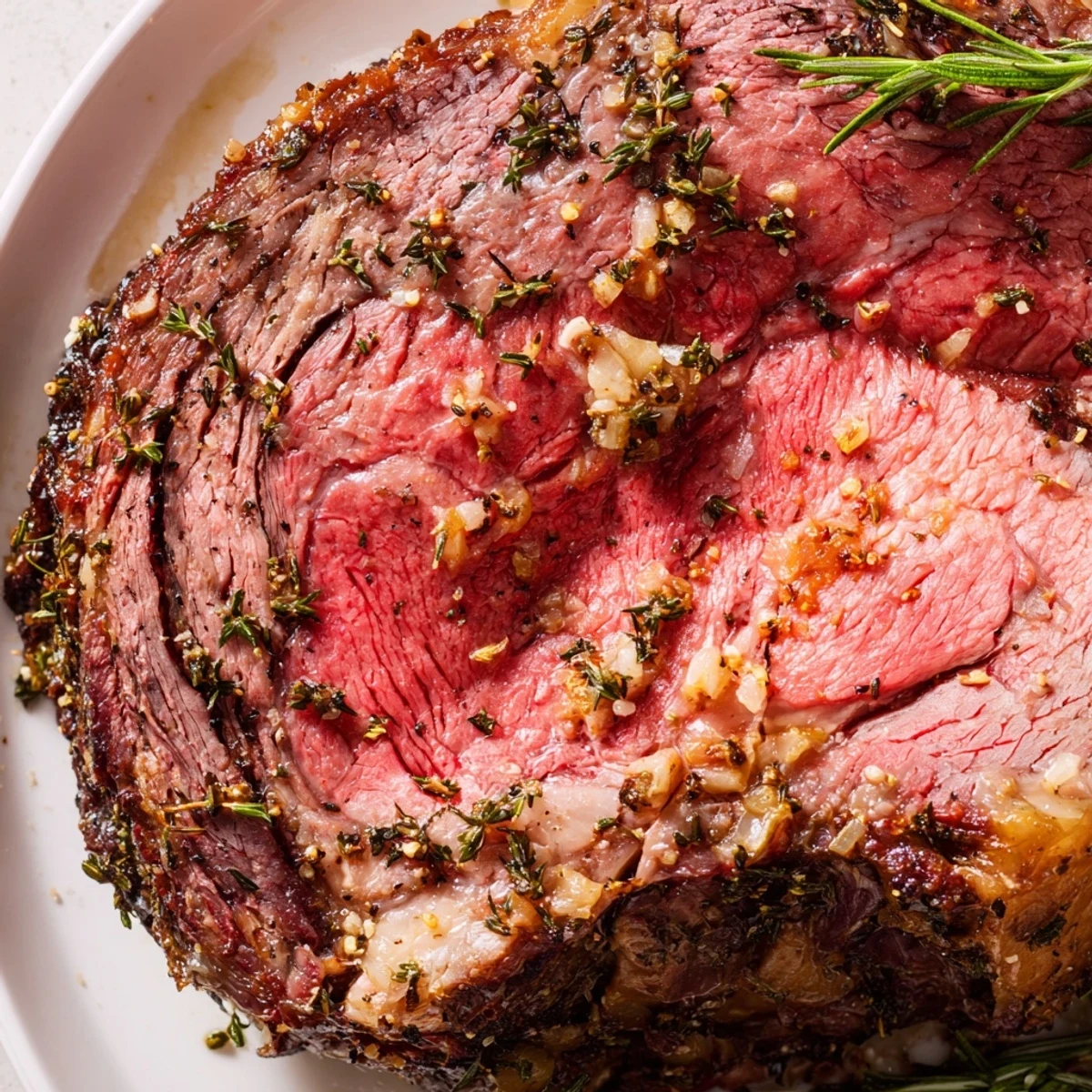
- Insert a meat thermometer into the thickest part, away from the bone. For medium-rare (which I recommend), you're looking for 54°C (130°F). Remember that the roast will continue cooking as it rests, so don't go higher than this.
- Rest like it matters:
- Remove from the oven and tent loosely with foil. Let it sit for at least 20 minutes—I often wait 30. During this time, all those flavorful juices redistribute throughout the meat. If you cut too early, they'll run right onto your plate instead of staying in the meat.
- Carve and serve:
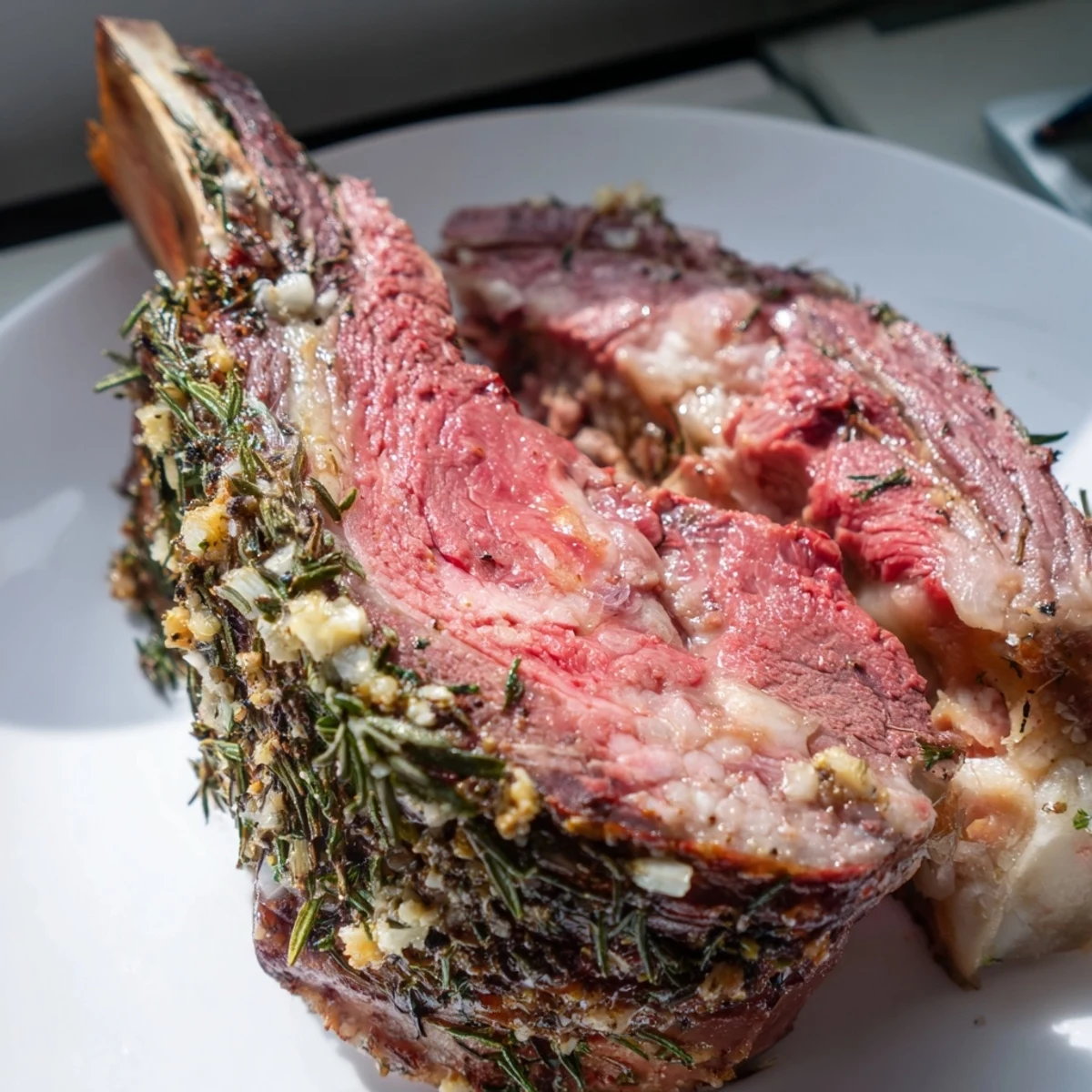
- Using a sharp carving knife, slice between the bones. The meat should come away from the bone almost effortlessly. Serve with those gorgeous roasted vegetables from the pan and whatever sides make your heart happy.
 Save
Save There's a quiet moment just before you carve a roast that I've come to love. You're standing there in your kitchen, the roast is resting, the smell is incredible, and you know you're about to create something memorable. That's when cooking stops being about technique and becomes about connection.
The Magic of Bone-In Beef
The bone in this roast isn't just there for show—it's doing real work. It conducts heat more efficiently than boneless cuts, and it adds a richness to the meat that you just can't replicate. When you bite into a slice cut right along that bone, there's this incredible interplay of tender meat, savory fat, and that subtle sweetness the bone contributes. It's why bone-in cuts always taste like a splurge, even though they're often more affordable than their boneless counterparts.
Creating the Perfect Pan Sauce
After you've removed the roast, don't walk away from that pan—those caramelized vegetables and drippings are liquid gold. Strain out the vegetables if you prefer a smooth sauce, then deglaze the pan with red wine or beef broth, stirring to lift all those browned bits from the bottom. Simmer for just a few minutes, season with a pinch of salt and pepper, and you'll have a sauce worthy of the roast. This is the kind of thing that makes people think you've been cooking all day.
Pairing and Leftovers
A bold red wine like Cabernet Sauvignon or Merlot is practically mandatory alongside this roast—the tannins in the wine cut through the richness of the beef in the most satisfying way. But here's my favorite secret: the leftovers might be even better than the original meal. Slice that cold roast thin and layer it on good bread with a little mustard and those roasted vegetables. It's a sandwich that makes you close your eyes and smile.
- Make sure your carving knife is sharp enough to slice cleanly without tearing the meat
- If you're worried about overcooking, err on the side of slightly underdone—remember it will cook a bit more while resting
- Don't skip the room temperature step; cold roasts take forever to cook through and won't brown properly
 Save
Save This roast has a way of turning an ordinary dinner into something you'll remember. There's real magic in taking the time to do something properly, especially when you're feeding the people you love.
Recipe FAQs
- → How long should the beef rest after roasting?
-
Rest the beef rib roast for at least 20 minutes to allow the juices to redistribute, ensuring a moist and tender result.
- → What is the ideal internal temperature for medium-rare doneness?
-
Insert a meat thermometer to confirm the internal temperature reaches about 54°C (130°F) for medium-rare roast.
- → Can I add vegetables to the roasting pan?
-
Yes, carrots, onions, and celery placed under the roast add flavor and create a savory base during cooking.
- → What herbs complement the beef rib roast?
-
Fresh rosemary and thyme provide aromatic notes that enhance the rich flavor of the beef.
- → How can I create extra flavor during roasting?
-
Add a splash of red wine or beef broth to the roasting pan to create a simple pan sauce and deepen the roast’s flavor.