
 Save
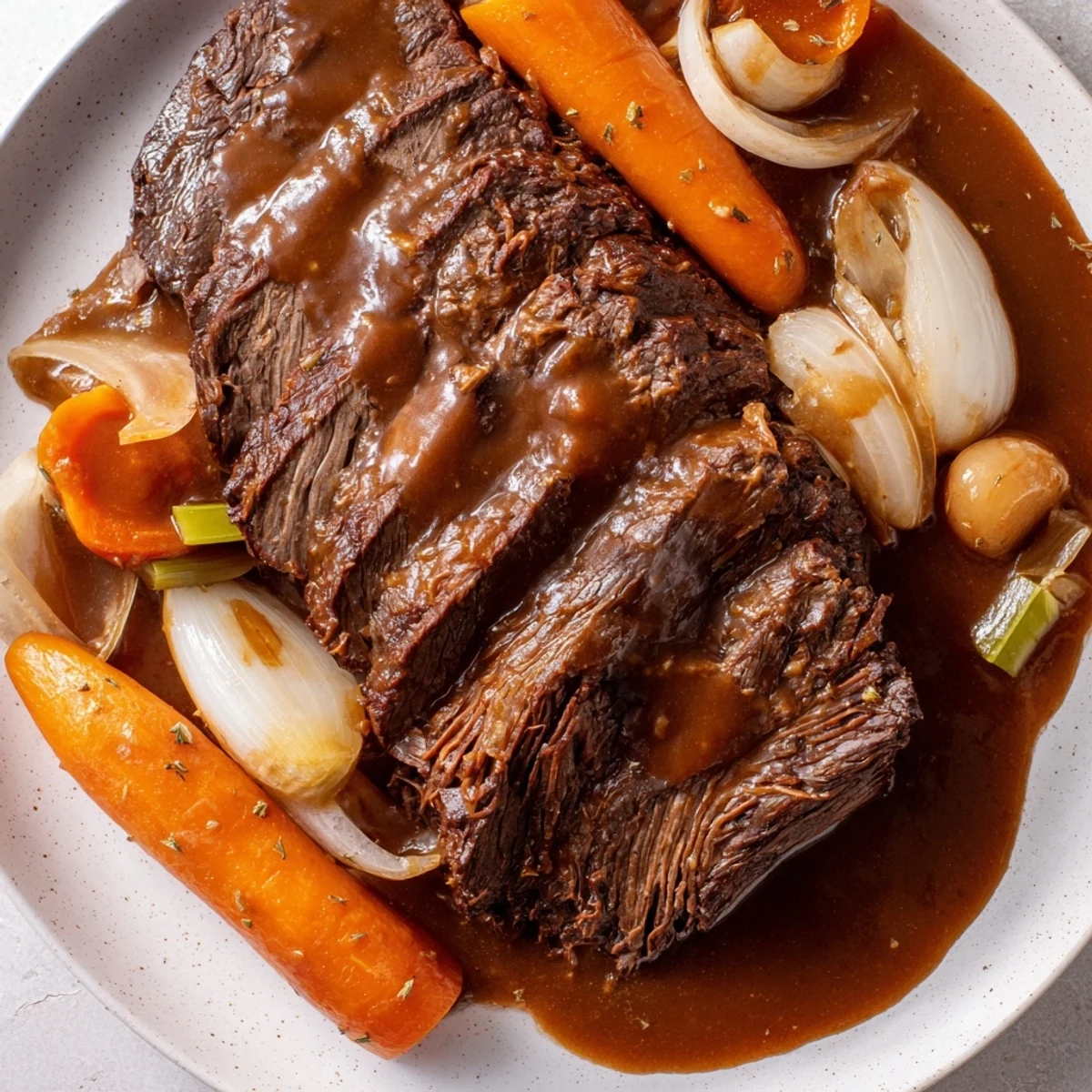
Save These tender beef steaks are slowly cooked in a rich, savory gravy until they become melt-in-your-mouth soft. The process involves searing the meat, sautéing aromatic vegetables like onions, carrots, celery, and garlic, then simmering everything together with red wine, beef stock, tomato paste, and herbs such as thyme and bay leaves. The long braising time gently breaks down the beef, resulting in deeply developed flavors and a comforting dish. Ideal for a hearty evening meal, this dish pairs wonderfully with mashed potatoes or steamed greens.
My neighbor once knocked on my door holding a tray of braised steaks, insisting I try one before they cooled. The meat fell apart at the slightest nudge of my fork, soaked in a gravy so deep and glossy I asked for the recipe on the spot. She laughed and said it was just patience and a good hot oven.
I made this for my brother after he moved into his first flat, and he called it the best thing he had eaten in weeks. We sat at his tiny kitchen table with the casserole dish between us, mopping up gravy with chunks of bread. He still asks me to make it whenever he visits.
Ingredients
- Beef braising steaks: Look for cuts with a bit of marbling, they turn buttery soft during the long braise and soak up all the savory goodness from the gravy.
- Onions: Slice them thickly so they hold their shape and sweeten as they cook, adding a gentle backbone to the sauce.
- Carrots and celery: These two bring earthy sweetness and body to the braising liquid, plus they soften into tender bites you will want to scoop up with the meat.
- Garlic cloves: Mince them fine so they melt into the sauce and add a warm, savory depth without overpowering the beef.
- Plain flour: A light dusting helps the steaks brown beautifully and thickens the gravy just enough to coat the back of a spoon.
- Vegetable oil: Use something neutral with a high smoke point so you can get a proper sear without any burnt flavor.
- Beef stock: The richer the stock, the richer the gravy, so use homemade if you have it or a good quality cube.
- Red wine: It adds complexity and a touch of acidity that balances the richness, but you can swap it for more stock if you prefer.
- Tomato paste: Just a spoonful deepens the color and adds a subtle umami note that makes the whole dish taste more rounded.
- Worcestershire sauce: This brings a tangy, savory punch that ties everything together, do not skip it.
- Thyme and bay leaves: Fresh thyme is lovely, but dried works just as well, and the bay leaves add a quiet herbal note that lingers in the background.
- Salt and black pepper: Season generously at every stage, it makes all the difference between good and unforgettable.
Instructions
- Get the oven ready:
- Preheat your oven to 160°C so it is hot and steady when the casserole goes in.
- Prep the steaks:
- Pat them dry with paper towel, then season both sides with salt and pepper before dusting lightly with flour. This helps them brown evenly and adds body to the sauce later.
- Sear the meat:
- Heat the oil in your casserole over medium high heat until it shimmers, then lay the steaks in without crowding. Let them sizzle for 2 to 3 minutes per side until deep golden brown, then lift them out and set aside.
- Cook the vegetables:
- Toss the onions, carrots, celery, and garlic into the same pan and stir them around for 5 minutes until they soften and start to smell sweet.
- Add the tomato paste:
- Stir it in and let it cook for a minute, this takes away any tinny edge and deepens the flavor.
- Deglaze with wine:
- Pour in the red wine and scrape up all the sticky brown bits from the bottom of the pan, then let it bubble for 2 minutes to cook off the raw alcohol.
- Build the braise:
- Nestle the steaks back into the pan and pour in the beef stock, Worcestershire sauce, thyme, and bay leaves. Bring everything to a gentle simmer so the surface just barely trembles.
- Braise in the oven:
- Cover the casserole tightly with the lid and slide it into the oven for 2 hours, flipping the steaks halfway through. The meat should be so tender it pulls apart with a fork.
- Finish and serve:
- Fish out the thyme sprigs and bay leaves, then taste the gravy and adjust the seasoning. Serve the steaks in shallow bowls with plenty of gravy and vegetables spooned over the top.
 Save
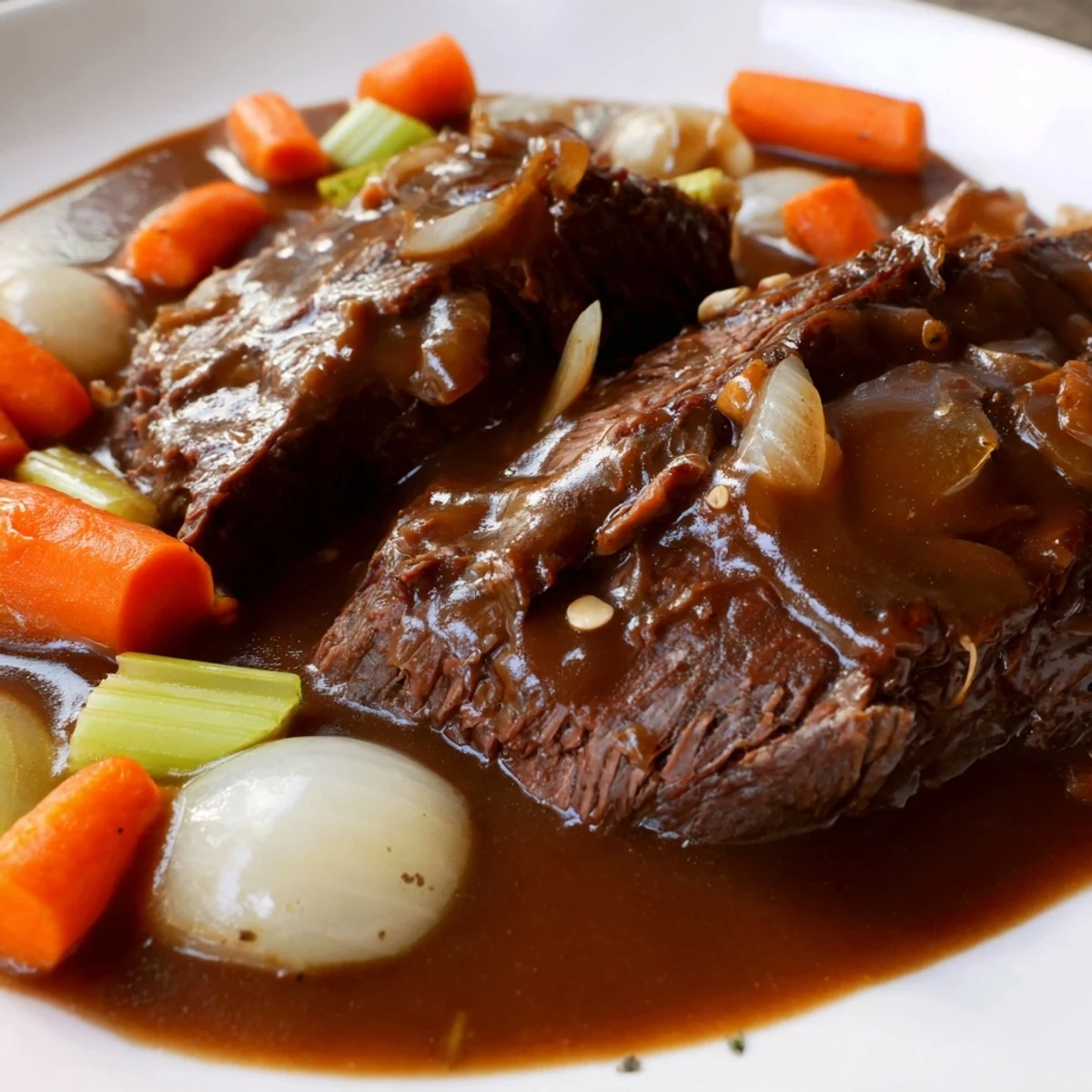
Save One winter evening I served this with a heap of buttery mash and watched my partner close his eyes after the first bite. He did not say much, just reached for seconds and smiled. Sometimes food does not need words.
Serving Suggestions
Creamy mashed potatoes are the classic partner here, soaking up all that glossy gravy like a dream. Steamed greens or roasted root vegetables add a fresh contrast, and crusty bread is perfect for mopping up every last drop from your bowl.
Storage and Reheating
Let the steaks cool completely before transferring them to an airtight container with all the gravy and vegetables. They will keep in the fridge for up to 3 days and reheat gently on the stovetop or in the oven, tasting even richer the second time around.
Variations and Swaps
You can swap the red wine for extra beef stock if you prefer, or add a splash of balsamic vinegar for a sweet tang. A teaspoon of mustard stirred into the sauce at the end adds a lovely sharpness, and you can throw in mushrooms or parsnips alongside the carrots if you have them.
- For a thicker gravy, simmer the casserole uncovered on the stovetop for 10 minutes after braising.
- Try adding a strip of orange peel during braising for a subtle citrus warmth.
- If you like heat, stir in a pinch of chili flakes with the tomato paste.
 Save
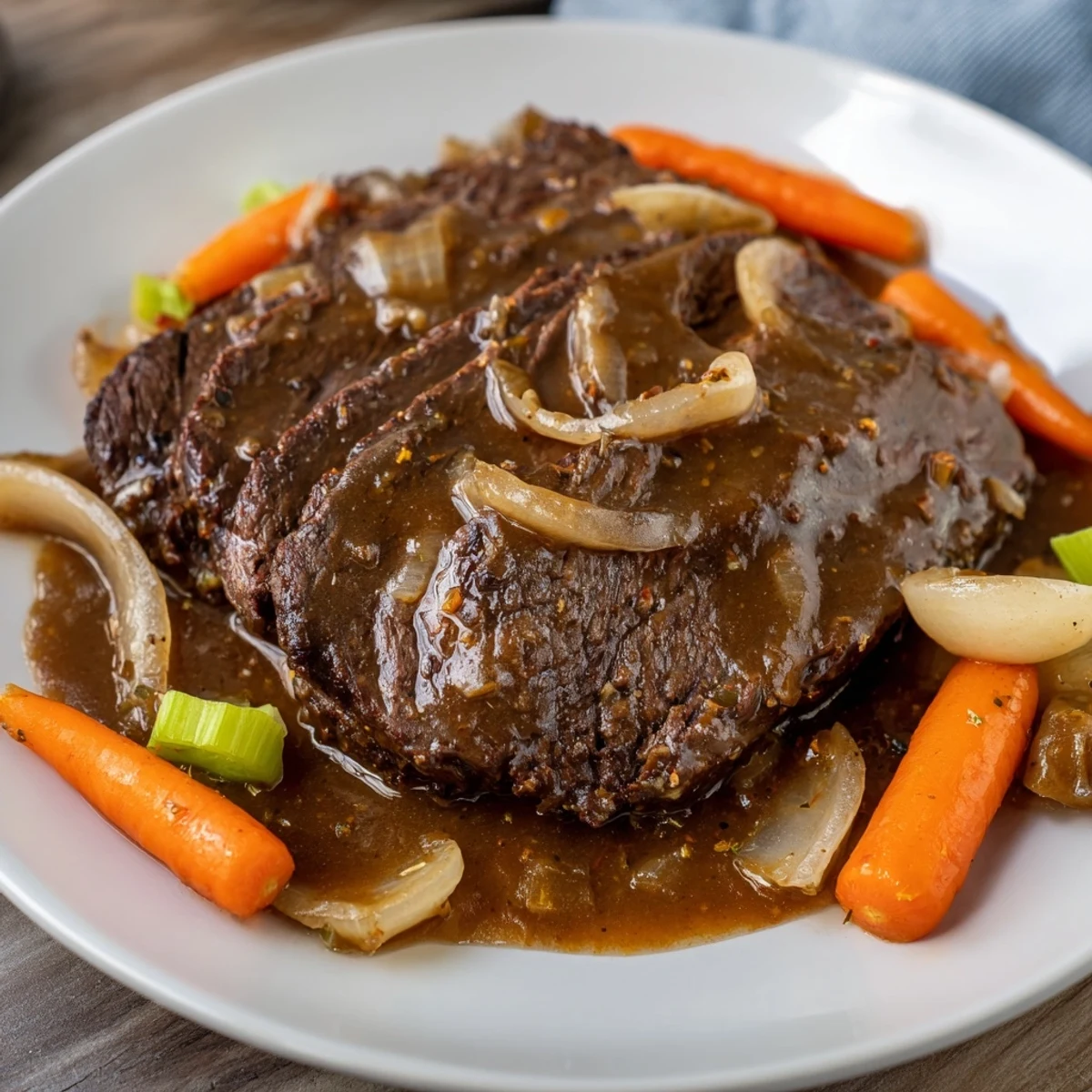
Save This is the kind of meal that turns a quiet evening into something worth remembering, the sort of dish that makes people linger at the table. I hope it becomes a favorite in your kitchen too.
Recipe FAQs
- → What cut of meat is best for this dish?
-
Braising steaks are ideal as they become tender during the slow cooking process and absorb rich flavors well.
- → Can I skip the red wine?
-
Yes, substituting with more beef stock keeps the dish flavorful without altering texture.
- → How do I ensure the meat remains tender?
-
Slow braising at low oven temperature for around 2 hours allows connective tissues to break down, yielding tender results.
- → What side dishes complement this dish?
-
Mashed potatoes, steamed greens, or crusty bread balance the rich flavors perfectly.
- → Is gluten-free flour suitable for thickening the sauce?
-
Yes, gluten-free flour can be used to accommodate dietary needs without affecting texture.