
 Save
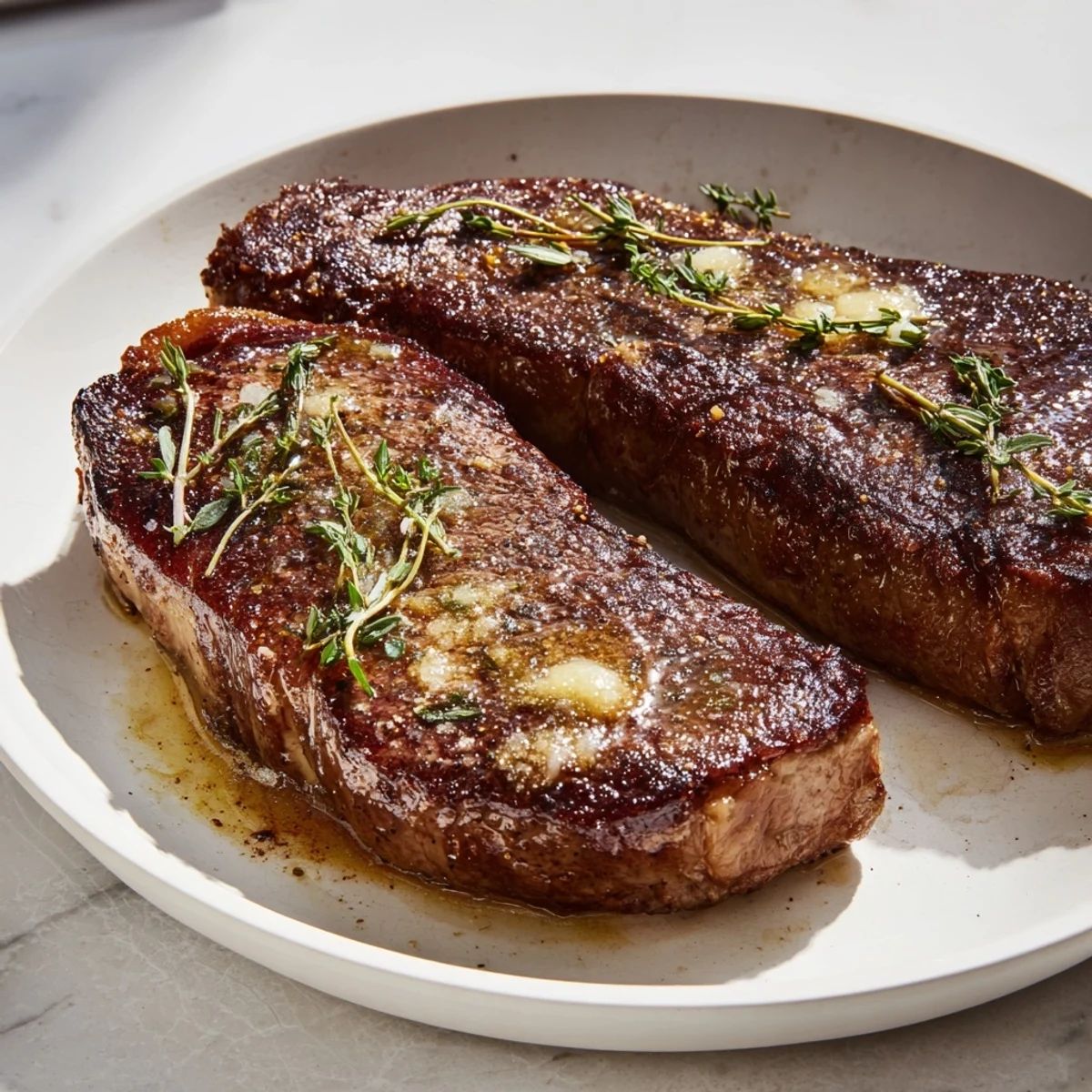
Save This method highlights a tender, flavorful steak with a perfect crust achieved by searing in a hot skillet. Seasoned simply with salt and pepper, the steak is cooked with butter, garlic, and fresh thyme or rosemary for aromatic richness. Post-sear resting ensures juicy, tender meat. Ideal for ribeye or sirloin, this quick and easy technique delivers restaurant-quality results at home.
There's something almost meditative about the moment a steak hits a screaming-hot pan. The sizzle cuts through the kitchen quiet like a starting gun, and suddenly you're committed to the next few minutes of focused, unapologetic heat. I learned to make a proper pan-seared steak not from a cookbook, but from watching my neighbor flip one too many times through his kitchen window, then actually getting it right when he finally stopped fussing with it. That's the whole secret, really—patience and a heavy pan.
I made this for my partner on an evening when nothing else felt quite right, and somehow a perfect steak became the thing that fixed the mood. We sat at the kitchen counter in near silence except for the gentle sizzle and clink of forks, and I realized that sometimes the simplest meals carry the most weight.
Ingredients
- Boneless ribeye or sirloin steaks (2, 8 oz each, 1–1.5 inches thick): The thickness matters more than you'd think—it gives you a window of time to get that crust without overcooking the inside.
- Kosher salt (1½ teaspoons): Don't skip the seasoning step or rush it; salt needs time to dissolve into the meat, not sit on the surface.
- Freshly ground black pepper (1 teaspoon): Grind it just before using so you catch all those oils and heat.
- High-heat oil (2 tablespoons): Canola, grapeseed, or vegetable oil handle the heat better than olive oil, which will smoke and taste acrid.
- Unsalted butter (2 tablespoons): This enters the pan after the sear and becomes the secret to that restaurant finish.
- Garlic cloves (3, lightly crushed) and fresh thyme or rosemary: Optional but worth it—they perfume the butter and steak with just enough herbal note.
Instructions
- Bring steaks to room temperature:
- Pull them from the fridge about 30 minutes early and pat them completely dry with paper towels. Cold, wet meat won't sear; it'll steam and stick. Think of this as giving the steak a chance to relax before the heat.
- Season generously:
- Coat both sides with salt and pepper, pressing gently so it clings. This isn't the time to be shy—the crust you're about to build needs that seasoning baked in.
- Heat your pan until it's properly angry:
- Use cast iron or your heaviest skillet over high heat for 2–3 minutes until a drop of water dances and evaporates instantly. Add oil and swirl it around quickly.
- Sear without moving:
- Place steaks in the pan and resist every urge to fidget. Leave them alone for 2–3 minutes to develop that deep mahogany crust you're after.
- Flip and butter-baste:
- Flip once, add butter, crushed garlic, and herbs, then tilt the pan and use a spoon to continuously baste the steaks with the foaming butter for another 2–3 minutes. This is the moment that separates a good steak from an unforgettable one.
- Check for doneness and rest:
- An instant-read thermometer in the thickest part should read 130°F for medium-rare, 140°F for medium. Transfer to a plate, tent loosely with foil, and let rest 5 minutes before serving.
 Save
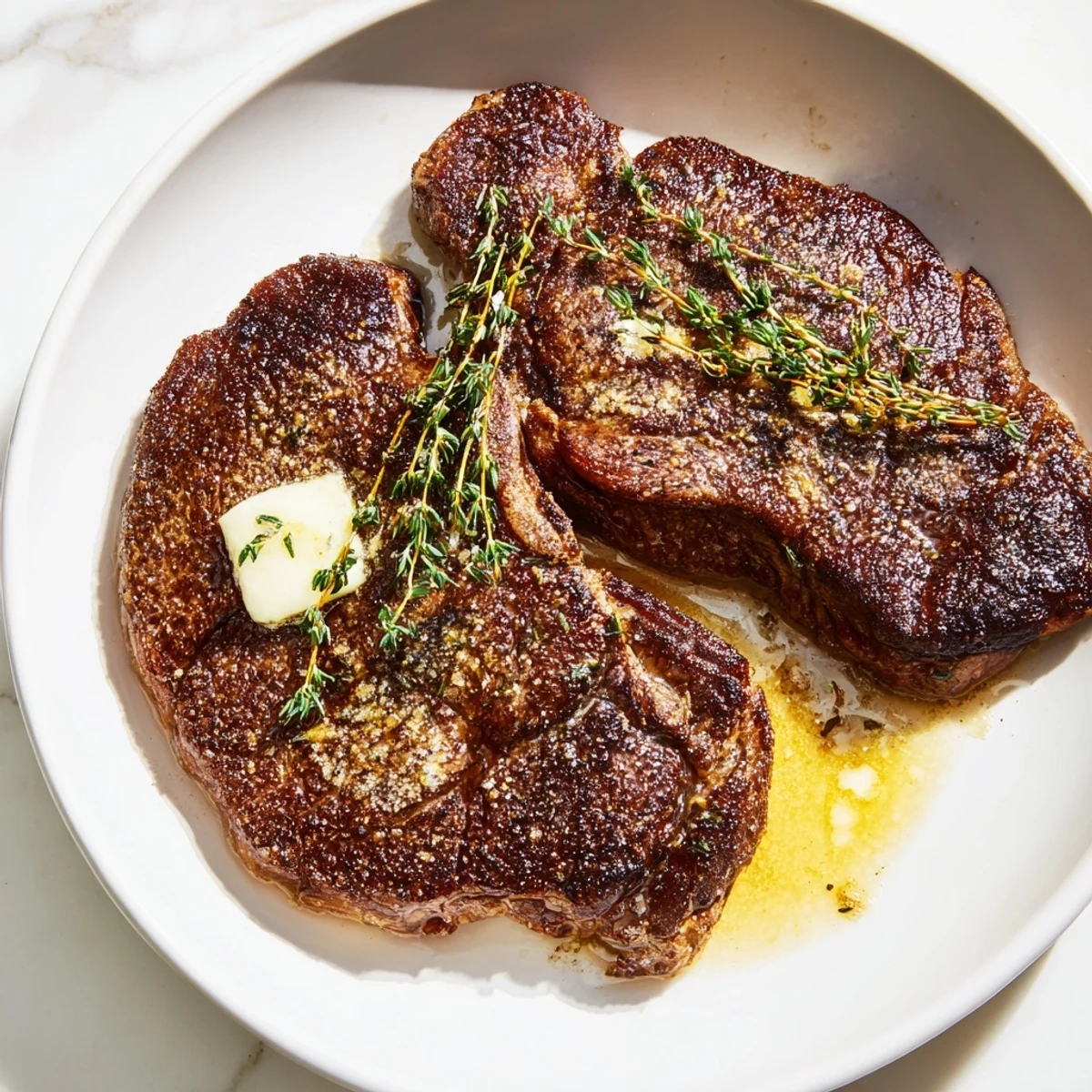
Save There's a small moment of magic when you baste a steak with brown butter and watch it go from golden to almost caramel-colored, and you suddenly understand why people spend actual money to eat steaks at restaurants. That moment became the reason I stopped being intimidated by cooking meat at home.
Getting the Crust Right
The sear is everything, and it lives or dies based on your pan temperature and patience. If your pan isn't hot enough, the steak releases moisture and steams instead of browning. If you keep moving it around, same problem. I learned this the hard way by fussing too much, and the lesson stuck: heat high, touch rarely, watch the color change happen.
Timing Your Doneness
Medium-rare at 130°F is the sweet spot where the steak has a warm red center and the meat is still tender enough to cut with a fork. That said, every stovetop is different, and your pan thickness matters—cast iron holds heat differently than stainless steel. An instant-read thermometer removes the guesswork, which is why I keep mine right by the stove.
Finishing Touches and Pairings
Serve the steak with the pan juices pooled underneath, or reach for chimichurri if you want brightness, or compound butter for extra richness. A crisp side salad and crusty bread round things out without overshadowing the main event. Pour a Cabernet Sauvignon or Malbec if you're in the mood—the tannins and the steak's richness were practically made for each other.
- Pan juices are liquid gold—don't waste them by pouring them down the sink.
- A steak this simple doesn't need a complicated sauce, but it welcomes one if you're feeling adventurous.
- Leftover steak sliced thin makes the best sandwiches the next day, though I rarely have leftovers.
 Save
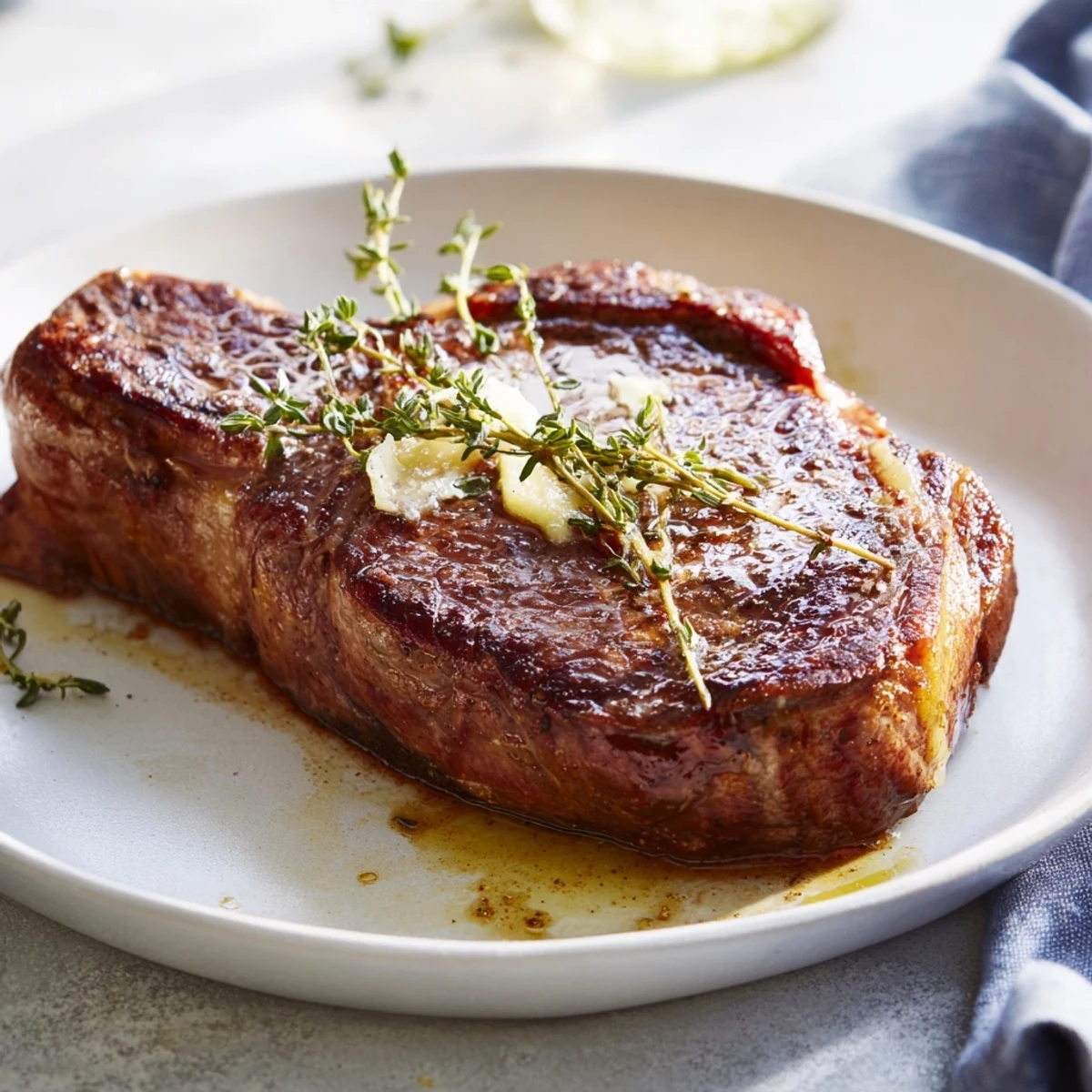
Save A perfect steak is proof that you don't need many ingredients or complicated techniques to eat something truly memorable. This is the kind of meal that sticks with you, the kind you make again.
Recipe FAQs
- → What kind of steak works best for pan-searing?
-
Boneless ribeye or sirloin steaks, 1 to 1.5 inches thick, are ideal because they develop a rich crust while staying tender inside.
- → How do I achieve a perfect crust on the steak?
-
Use a heavy skillet over high heat with a small amount of high-heat oil. Sear the steak undisturbed for a few minutes until a deep brown crust forms.
- → Why add butter, garlic, and herbs during cooking?
-
Butter and aromatics like garlic and thyme or rosemary add flavor and richness. Basting the steak with the melted butter enhances taste and texture.
- → How do I know when the steak is done?
-
Use an instant-read thermometer aiming for 130°F (54°C) for medium-rare. Adjust cooking time for preferred doneness and let the steak rest before slicing.
- → Can I finish thicker steaks in the oven?
-
Yes, thicker cuts can be seared on the stovetop and finished in a 400°F (200°C) oven to reach desired doneness evenly.