
 Save
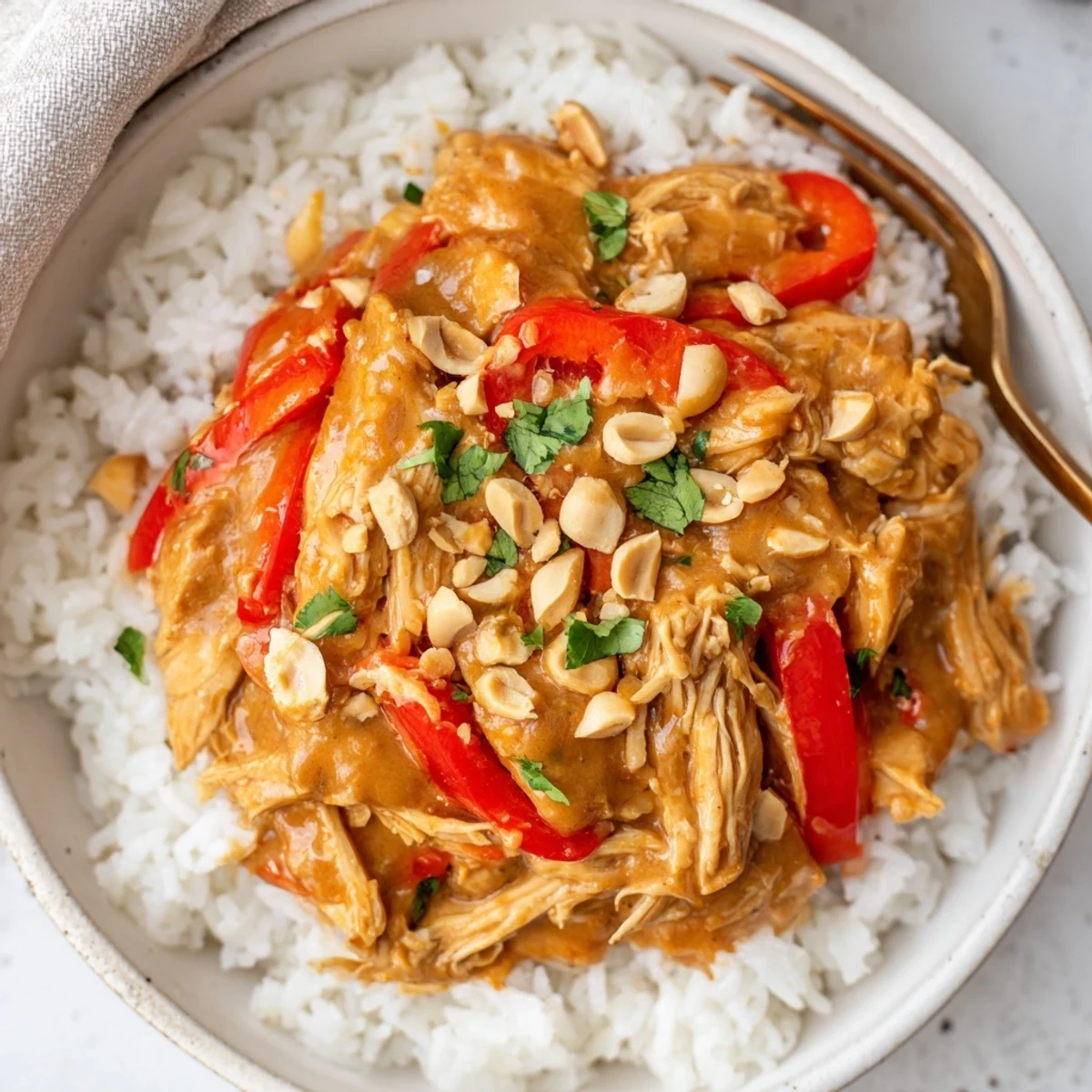
Save This slow-cooker Thai peanut chicken yields tender thighs simmered in a creamy sauce of peanut butter, coconut milk, soy, lime, ginger and garlic. Layer bell pepper and onion before pouring the sauce and cook low for 5–6 hours. Shred the meat, toss to coat, and serve over jasmine rice or noodles. Finish with chopped peanuts, green onions and cilantro; swap sunflower butter for a peanut-free version or add sriracha to taste.
The smell hit me before I even opened the front door. Coconut, peanut, something warm and faintly sweet drifting from the kitchen into the hallway. My neighbor had given me a jar of homemade peanut butter that afternoon, and I had impulsively decided to turn it into something vaguely Thai.
I made this for a friend who claimed she did not like peanut sauces. She went back for seconds and then asked for the recipe before leaving, which is honestly the highest compliment a home cook can receive.
Ingredients
- Chicken thighs or breasts (1.5 lbs): Thighs stay more tender after long cooking, but breasts work fine if that is what you have on hand.
- Red bell pepper: Adds sweetness and color that balances the richness of the peanut sauce beautifully.
- Onion: A medium onion sliced thin melts into the sauce and gives it a gentle depth.
- Garlic and fresh ginger: These two are the backbone of the aroma, so do not skip or substitute with dried versions if you can help it.
- Creamy peanut butter: Use a natural brand with just peanuts and salt for the best flavor.
- Low sodium soy sauce: Controls the salt level since the peanut butter already brings seasoning.
- Honey: Rounds out the heat and tang in the sauce with a soft sweetness.
- Rice vinegar and lime juice: A bright duo that keeps the sauce from feeling too heavy.
- Coconut milk: Full fat gives the creamiest result, but light works in a pinch.
- Sriracha: Entirely optional, but a tablespoon adds a gentle warmth rather than real heat.
- Roasted peanuts, green onions, and cilantro: For garnish and a finishing crunch that matters more than you might expect.
- Jasmine rice or rice noodles: Something neutral and starchy to soak up all that sauce.
Instructions
- Layer the chicken and vegetables:
- Place the chicken pieces into the bottom of your crockpot, then scatter the sliced bell pepper, onion, minced garlic, and grated ginger evenly over the top.
- Whisk the sauce together:
- In a medium bowl, combine the peanut butter, soy sauce, honey, rice vinegar, lime juice, coconut milk, and sriracha, whisking until completely smooth and no streaks remain.
- Pour and forget:
- Pour the sauce over the chicken and vegetables, give it a gentle nudge so everything is coated, then cover and cook on low for five to six hours until the chicken is fall apart tender.
- Shred and stir:
- Remove the chicken, shred it with two forks or slice it as you prefer, then return it to the crockpot and stir everything together so the sauce coats every piece.
- Serve with joy:
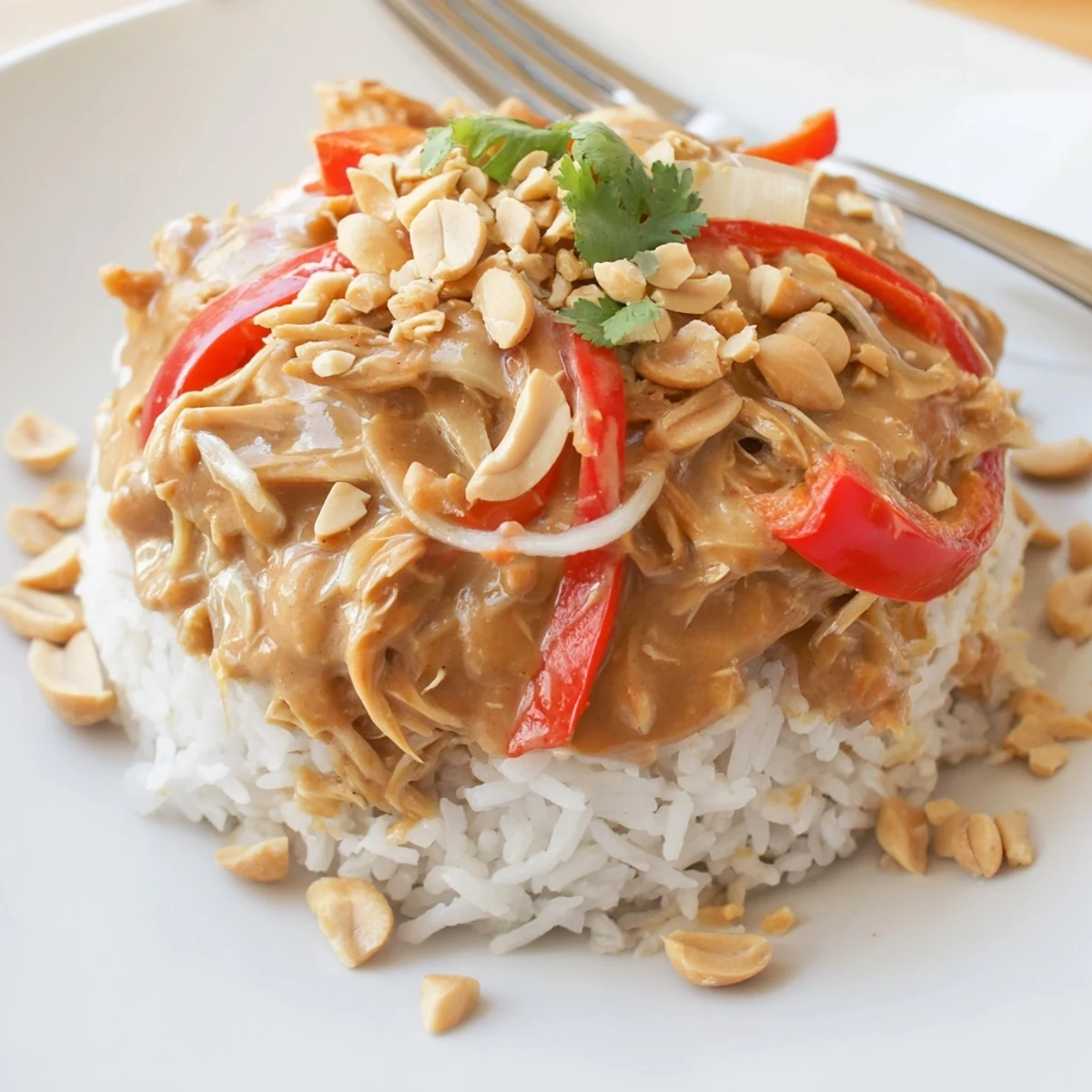
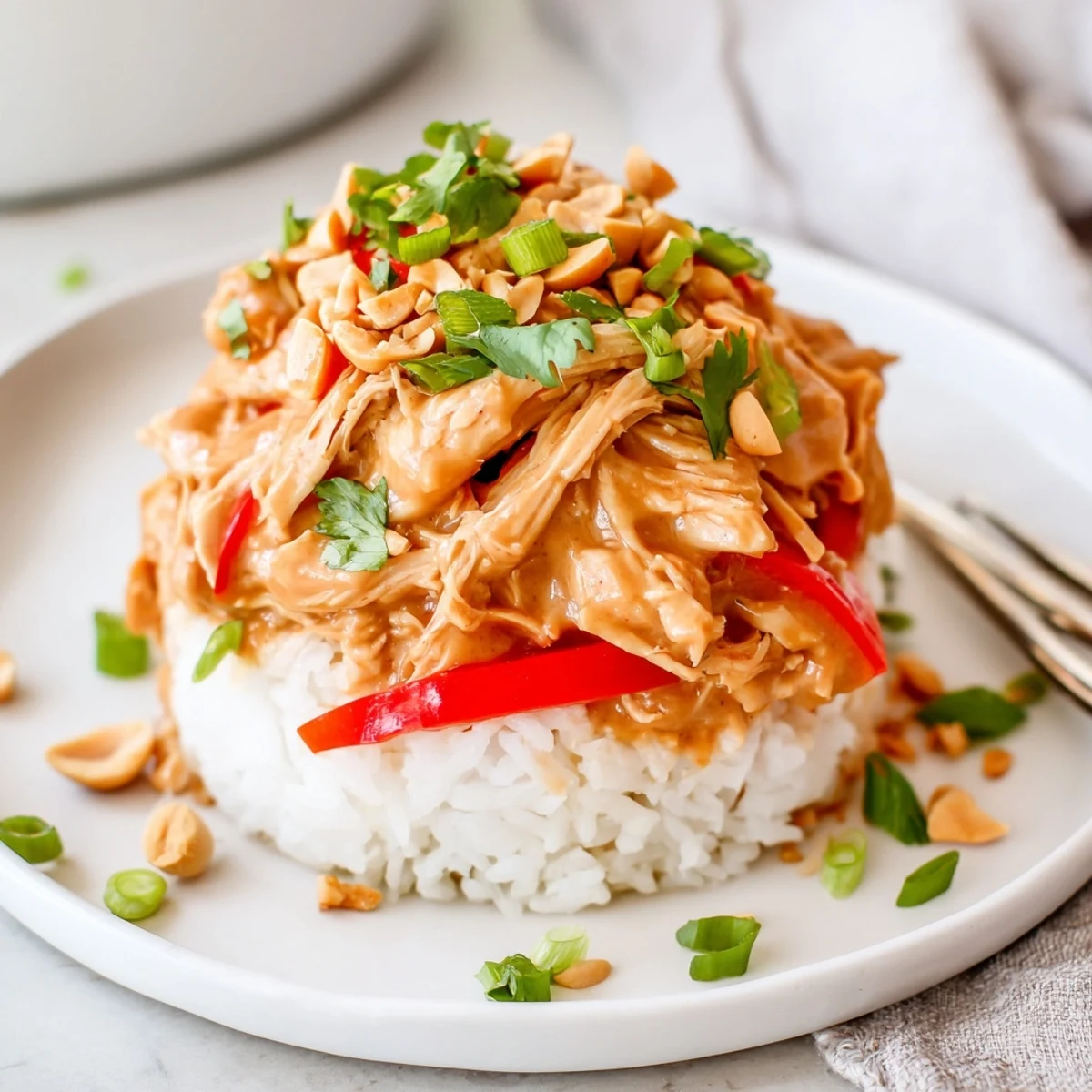
- Spoon over steamed jasmine rice or tender rice noodles and finish with chopped peanuts, sliced green onions, and a generous handful of fresh cilantro.
 Save
Save There was a rainy Tuesday when this dish transformed from a random experiment into a permanent rotation staple. I had come home soaked and cranky, opened the crockpot, and the whole kitchen smelled like someone had ordered takeout from my favorite spot.
What to Serve Alongside
Steamed broccoli or snap peas stirred in during the last ten minutes add freshness and crunch without any extra effort. A cold glass of Riesling or a tall Thai iced tea alongside turns a casual dinner into something that feels planned and special.
Making It Your Own
Sunflower butter or almond butter works surprisingly well if peanuts are a concern, though the flavor shifts slightly sweeter and earthier. A diced jalapeno or extra sriracha brings real fire if you like heat that lingers on your lips.
Storage and Reheating
Leftovers keep for three days in the refrigerator and the sauce actually tastes better the next day when all the flavors have married overnight. Reheat gently on the stove or in the microwave with a splash of coconut milk to loosen the sauce back up.
- Freeze individual portions in airtight containers for up to two months for an easy future meal.
- Stir in fresh vegetables when reheating to bring back some brightness and texture.
- Always taste before adding extra salt, since the soy sauce intensifies as it sits.
 Save
Save Some meals just earn their place in your kitchen without fanfare, and this is one of them. Make it once, and you will find yourself reaching for the peanut butter on autopilot every few weeks.
Recipe FAQs
- → Can I use chicken breasts instead of thighs?
-
Yes. Breasts will cook faster and can dry out if left too long; check for an internal temperature of 165°F and consider cooking on low for a shorter time or switching to high for 2–3 hours. Shredding and tossing with sauce helps retain moisture.
- → How can I thicken the sauce if it seems thin?
-
Remove the lid and cook on high for 20–30 minutes to reduce, or stir in a cornstarch slurry (1 tsp cornstarch + 1 tbsp cold water) and simmer until glossy. Peanut butter and coconut milk will also thicken as the sauce cools slightly.
- → What are good substitutions for peanut butter?
-
Use sunflower seed butter or almond butter for a nut-free or different-nut option. Adjust sweetness and salt to taste, since textures and flavors vary between spreads.
- → What sides and garnishes pair well with this dish?
-
Serve over jasmine rice or rice noodles and finish with chopped roasted peanuts, sliced green onions, fresh cilantro and a lime wedge. Steamed broccoli, snap peas or a crisp cucumber salad add freshness.
- → How do I store and reheat leftovers?
-
Keep leftovers in an airtight container in the refrigerator for 3–4 days. Reheat gently on the stovetop over low heat with a splash of coconut milk or water to loosen the sauce, or microwave in short intervals, stirring between heats.
- → Can I adjust the heat level?
-
Yes. Add sriracha, chili paste or diced fresh chilis to increase spice, or omit spicy elements for a milder profile. Taste the sauce before cooking and adjust sweetness, acidity and heat to your preference.