
 Save
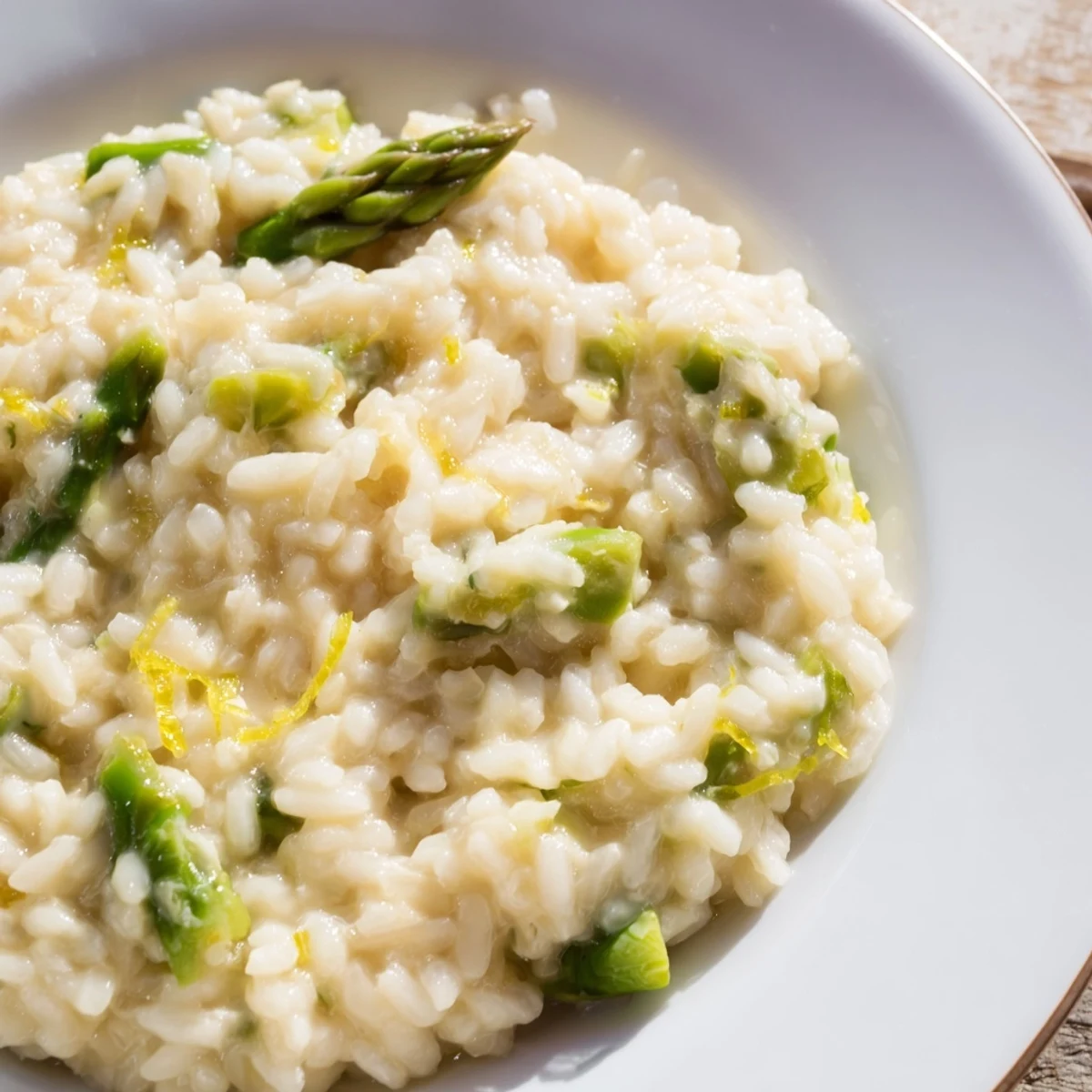
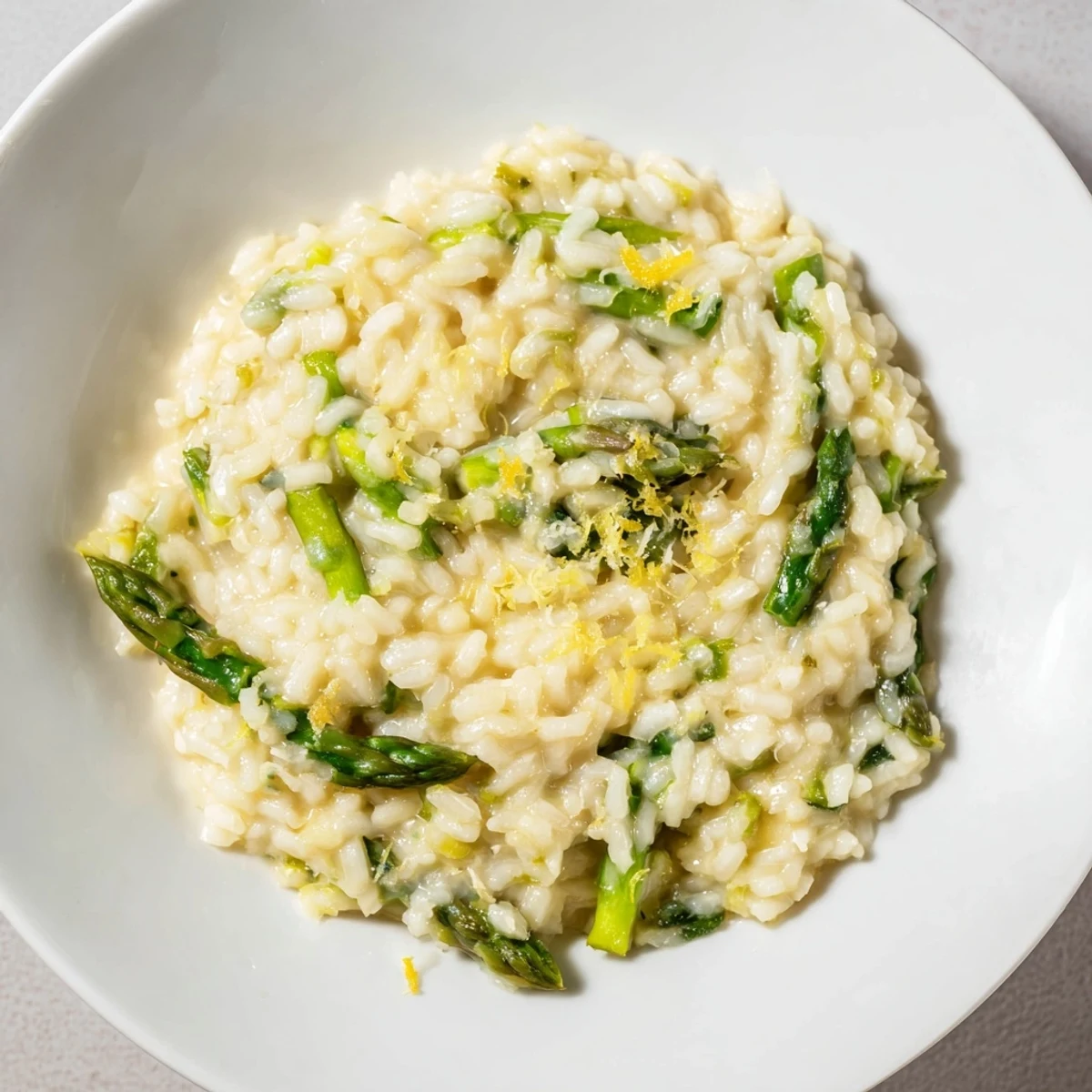
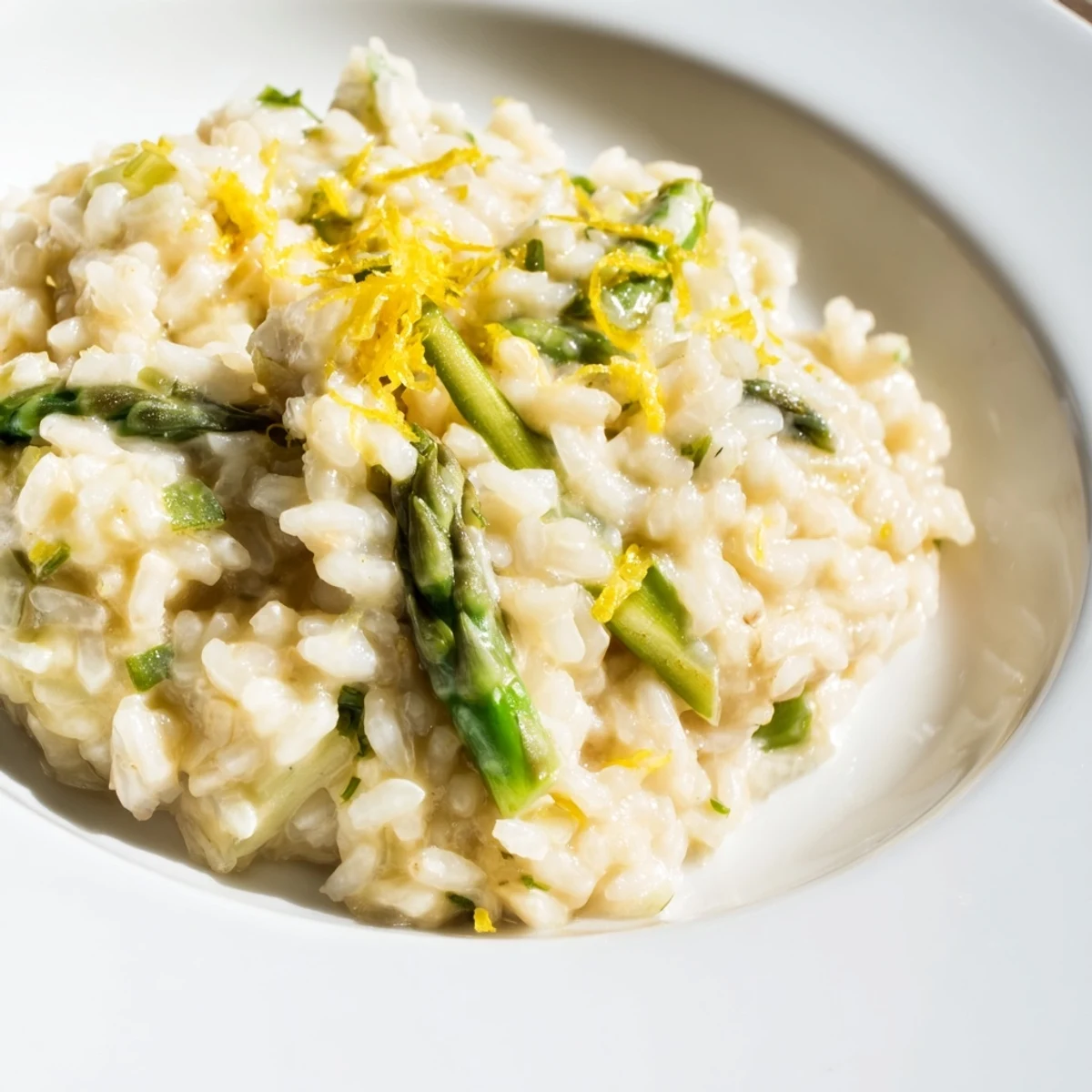
Save This creamy risotto features tender asparagus blanched to retain its bright color and delicate texture. Arborio rice is gently toasted and simmered with white wine and warm vegetable broth until perfectly creamy and al dente. Butter and freshly grated Parmesan enrich the dish, while lemon zest adds a subtle brightness. Ideal for a romantic or special occasion dinner, this Italian-inspired dish balances flavors and textures for an elegant, comforting meal.
The first time I attempted risotto for a date night dinner, I stood at the stove nervously stirring, convinced my arm would give out before the rice reached that perfect creamy state. The kitchen filled with the scent of toasting rice and white wine, and when we finally sat down to eat, the effort felt worth it. There is something deeply intimate about standing at the stove, tending to something that demands your complete attention for twenty minutes. That night taught me that risotto is not just about the food, but about the care you put into it.
Last spring, I made this for my partner on a rainy Tuesday, just because we both needed something warm and comforting after a long week. I was running low on broth and had to stretch it with some extra water, but you know what, nobody noticed. We opened a bottle of the same white wine I used in the risotto, and suddenly a regular Tuesday night felt special. Sometimes that is exactly what a good meal does.
Ingredients
- Asparagus: The bright green spears bring a fresh contrast to the rich rice, and blanching them first keeps them vibrant and tender
- Shallot: More delicate than onion, shallot melts into the rice and provides a subtle sweetness that balances the savory broth
- Arborio rice: This short grain variety releases starch slowly as it cooks, creating that signature velvety texture without needing cream
- Vegetable broth: Keeping it warm is crucial because cold broth shocks the rice and interrupts that gradual starch release
- White wine: Dry whites add acidity that cuts through the richness, so avoid anything too sweet or oaky
- Butter and Parmesan: These are stirred in at the very end, what Italians call mantecatura, to create that luxurious finish
Instructions
- Prep the asparagus:
- Blanch the spears in boiling salted water for two minutes, then plunge them into an ice bath to stop the cooking and lock in that bright green color.
- Build the base:
- Sauté shallot and garlic in olive oil with half the butter until the shallot turns translucent and fragrant, taking care not to let the garlic brown.
- Toast the rice:
- Add the arborio and stir until the grains look slightly translucent at the edges and smell nutty, about one to two minutes.
- Deglaze with wine:
- Pour in the white wine and stir constantly until the pan is almost dry and the rice has absorbed all that acidity.
- The gradual addition:
- Add warm broth one ladleful at a time, stirring frequently and waiting until most of the liquid disappears before adding more.
- Final assembly:
- Stir in the asparagus during the last five minutes, then remove from heat and fold in the remaining butter and Parmesan until emulsified and glossy.
 Save
Save This risotto has become my go to when I want to make someone feel special without spending hours in the kitchen. There is a quiet satisfaction in watching the grains transform from separate pearls into something cohesive and comforting. I have learned that the best meals are the ones shared with people who appreciate the effort.
Choosing the Right Rice
Arborio rice is the traditional choice, but carnaroli works beautifully too and some cooks actually prefer it for its slightly firmer texture. I have tried using regular short grain rice in a pinch, but the result never achieves that same creaminess. The high starch content in Italian risotto rice is what makes the dish work, so it is worth seeking out.
Broth Matters
Homemade vegetable broth will elevate this dish, but a good quality store bought one works perfectly fine. Taste your broth before you start cooking, because if it is not flavorful on its own, the risotto will not be either. I keep mine warm in a separate saucepan on low heat so I am not constantly interrupting the cooking rhythm.
Timing Your Asparagus
I have made the mistake of adding raw asparagus too early, ending up with mushy spears by the time the rice was done. Blanching them beforehand solves this problem completely. If you are using thinner asparagus, you can even skip blanching and add them during the last three minutes of cooking.
- Cut your asparagus into uniform pieces so they all cook at the same rate
- Reserve a few pretty tips for garnish if you want the final dish to look extra elegant
- The ice bath step seems optional but it really does preserve that vibrant green color
 Save
Save Risotto rewards patience and attention, and somehow that care always comes through in the final bowl. I hope this becomes one of those recipes you turn to when you want to make a regular evening feel like a celebration.
Recipe FAQs
- → How do I achieve a creamy risotto texture?
-
Slowly adding warm broth while stirring constantly helps release starch from arborio rice, creating a creamy texture without being mushy.
- → Can I substitute asparagus with other vegetables?
-
Yes, peas or baby spinach work well as alternatives and can be added near the end of cooking for freshness.
- → Is it important to blanch the asparagus first?
-
Blanching brightens the color and softens asparagus slightly, ensuring it remains tender but crisp when incorporated.
- → What role does white wine play in the cooking process?
-
White wine adds acidity and depth of flavor, enhancing the overall taste and helping to deglaze the pan before adding broth.
- → How can I make the risotto richer?
-
Adding a splash of cream along with the final butter boosts richness and creates a velvety mouthfeel.