
 Save
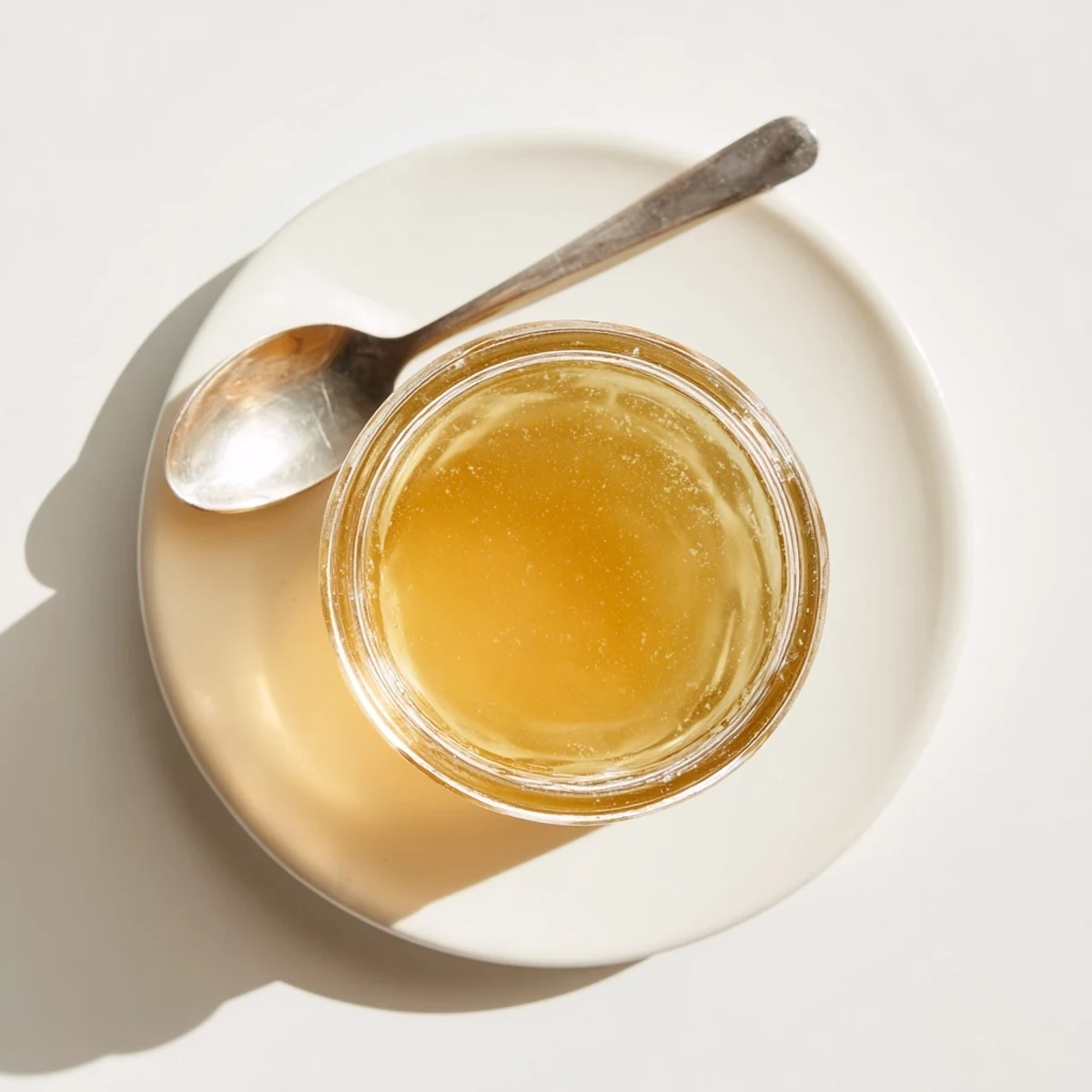
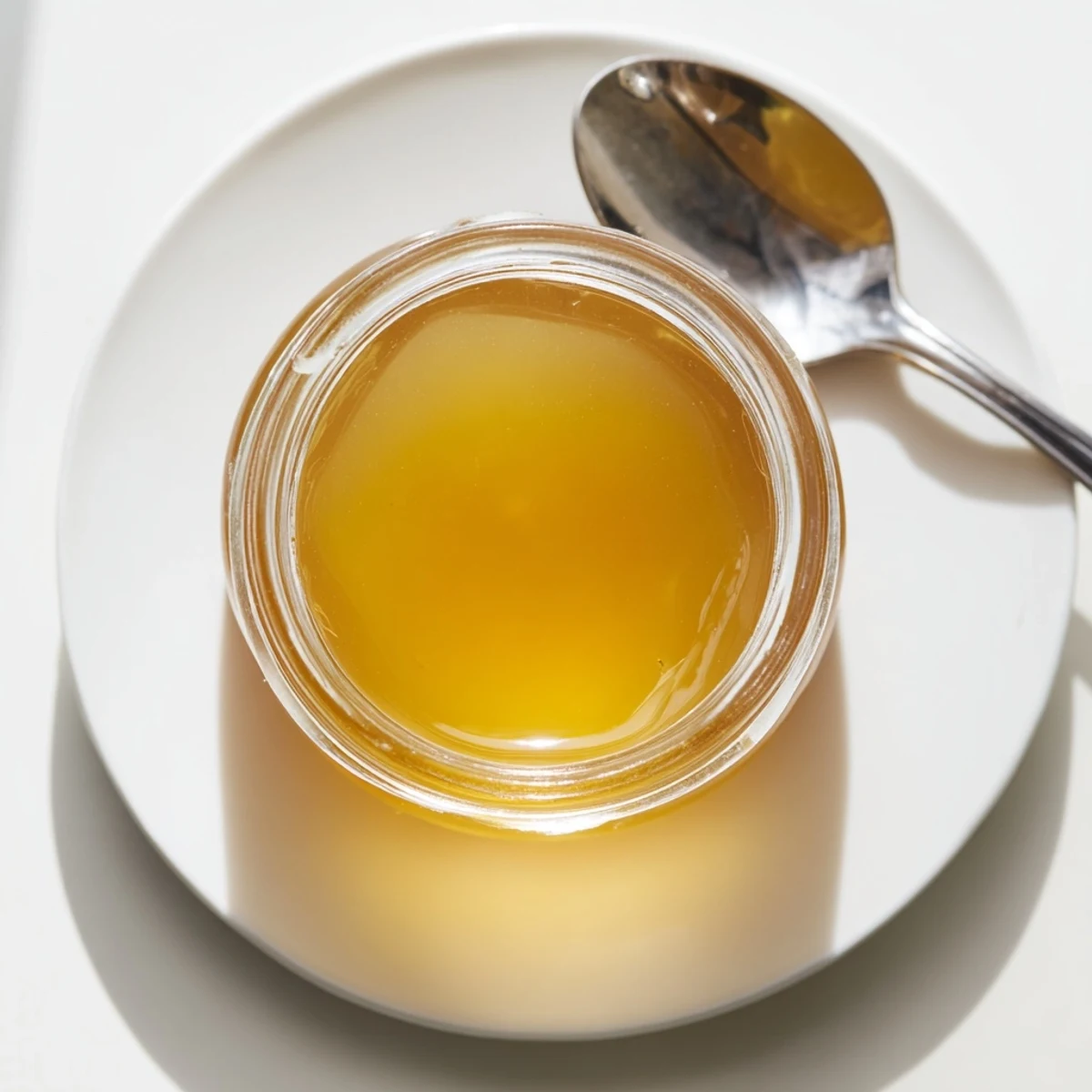
Save This dandelion jelly transforms simple yellow flower heads into a radiant, floral spread perfect for spring. The process starts by simmering fresh dandelion petals in water, then steeping to draw out their delicate flavor. After straining, the golden liquid is combined with lemon juice and fruit pectin, brought to a rolling boil, and sweetened with sugar to set into a shimmering jelly. Ready in about an hour, it yields roughly four half-pint jars ideal for gifting or storing. The result is a versatile preserve that pairs wonderfully with soft cheeses, scones, or as a cake filling. Adjust sugar to control firmness, or add calendula petals for a richer hue. A water bath ensures long shelf life, though refrigeration works for immediate enjoyment.
My neighbor Ruth knocked on my door one April morning holding a mason jar filled with something the color of sunlight and told me I had been mowing down gold my entire life. She was right, and that jar changed how I saw every patch of yellow weeds in my yard forever.
I brought a batch to a brunch last May and watched three people who swore they hated dandelions go back for fourths on a scone. One of them texted me that night asking for the recipe and I realized this little jelly had a way of winning people over before they even knew what they were eating.
Ingredients
- Fresh dandelion flowers: Pick these from somewhere you absolutely know has not been sprayed because that matters more than you think, and pull only the yellow heads leaving every bit of green behind since green adds bitterness
- Water: This becomes your base infusion so use filtered if your tap water tastes like anything at all
- Lemon juice: Fresh squeezed is not negotiable here because the acidity helps the pectin do its job and balances the floral sweetness with just enough brightness
- Granulated sugar: Start with one and a half cups and taste as you go since less sugar means a softer set but a more delicate flavor
- Fruit pectin: A standard 1.75 ounce package of Sure-Jell or Ball brand works perfectly and is the reason this sets up without hours of simmering
Instructions
- Pluck and clean the petals:
- Give those flowers a good rinse in cold water and then sit down with a bowl and patiently pull the yellow petals away from every green bit. It is tedious but the green parts are what make dandelion jelly taste bitter instead of beautiful.
- Make the dandelion tea:
- Drop all those sunny petals into a saucepan with four cups of water, bring it to a boil, then drop the heat and let it gently simmer for about ten minutes until the water turns a warm golden color.
- Steep and strain:
- Pull the pan off the heat and let it sit undisturbed for a full thirty minutes so the petals release everything they have. Pour through a fine mesh sieve or cheesecloth and press firmly to get every last drop of that liquid gold out.
- Bring it all together:
- Pour your strained liquid back into a clean pot, stir in the lemon juice and pectin, and crank the heat to high until you hit a full rolling boil that will not stop even when you stir.
- Add the sugar and finish:
- Dump all the sugar in at once, return to that aggressive boil, and hold it there for one to two minutes while stirring constantly. Skim the foam off the top, then ladle the hot jelly into sterilized jars with a quarter inch of headspace and seal tight.
 Save
Save There is something almost meditative about sitting at the kitchen table pulling yellow petals off tiny flower heads while spring rain taps against the window. It feels less like cooking and more like participating in the season itself.
Getting the Color Right
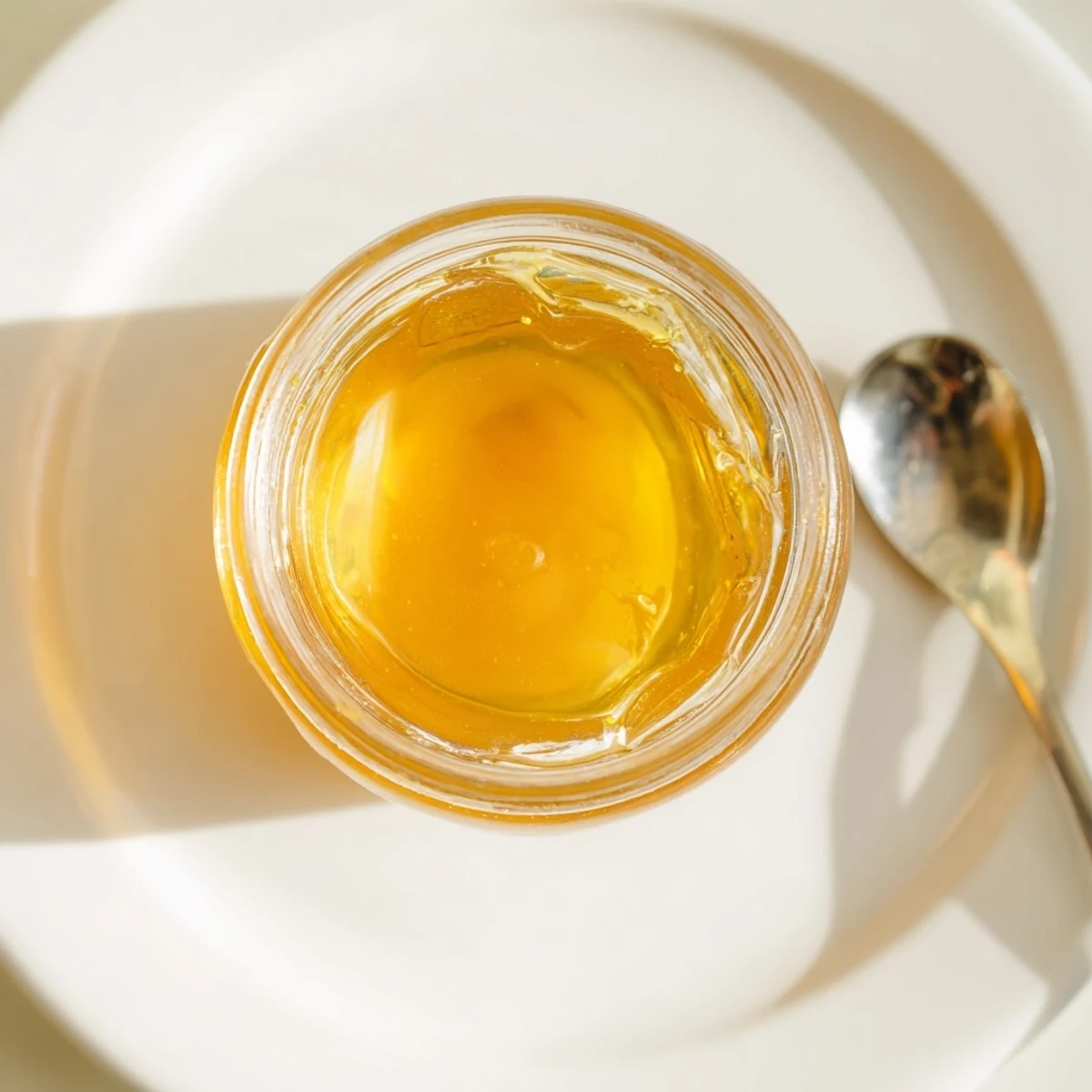
Pure dandelion jelly comes out a soft pale gold which is lovely on its own but I have found that tossing in three or four calendula petals during the steep deepens the color into something really striking. Just remember to strain those out too.
What to Pair It With
Soft cheeses like brie or goat cheese are the absolute best vehicle for this jelly because the creaminess lets that floral note shine without competing with it. It also disappears fast when you spoon it over plain yogurt or use it as a thin layer between cake layers.
Storing and Sharing
If you process the jars in a boiling water bath for ten minutes they will keep on a pantry shelf for up to a year which makes them perfect gifts. If you skip the water bath just keep them in the fridge and use within a few weeks.
- Write the date on your jar lids with a sharpie so you never have to guess
- A pretty piece of fabric tied over the lid turns a plain jar into a gift
- Always tell people what it is before they taste it or the surprise can go sideways
 Save
Save Every spring I leave one patch of dandelions wild in my yard and my husband thinks I am just being lazy. He has no idea those weeds are already spoken for.
Recipe FAQs
- → What parts of the dandelion do I use for the jelly?
-
Only the yellow petals are used. All green parts, including the base and sepals, should be removed since they introduce bitterness into the final jelly.
- → Can I reduce the amount of sugar?
-
Yes, sugar can be adjusted to taste. Keep in mind that less sugar will produce a softer set, so the jelly may be slightly looser in texture.
- → How should I store this jelly?
-
If processed in a boiling water bath, sealed jars can be stored in a cool, dark pantry for up to a year. Without water bath processing, keep jars refrigerated and use within a few weeks.
- → Is it important that the dandelions are unsprayed?
-
Absolutely. Dandelions harvested from lawns or areas treated with herbicides or pesticides should never be used. Collect from clean, untreated areas away from roadsides.
- → What does dandelion jelly taste like?
-
It has a delicate, mildly floral sweetness with a hint of honey-like flavor. The lemon juice adds brightness, making it taste like a gentle spring blossom in spreadable form.
- → Can I add color to the jelly naturally?
-
A few calendula or marigold petals stirred in during steeping will deepen the golden color without altering the flavor profile significantly.