
 Save
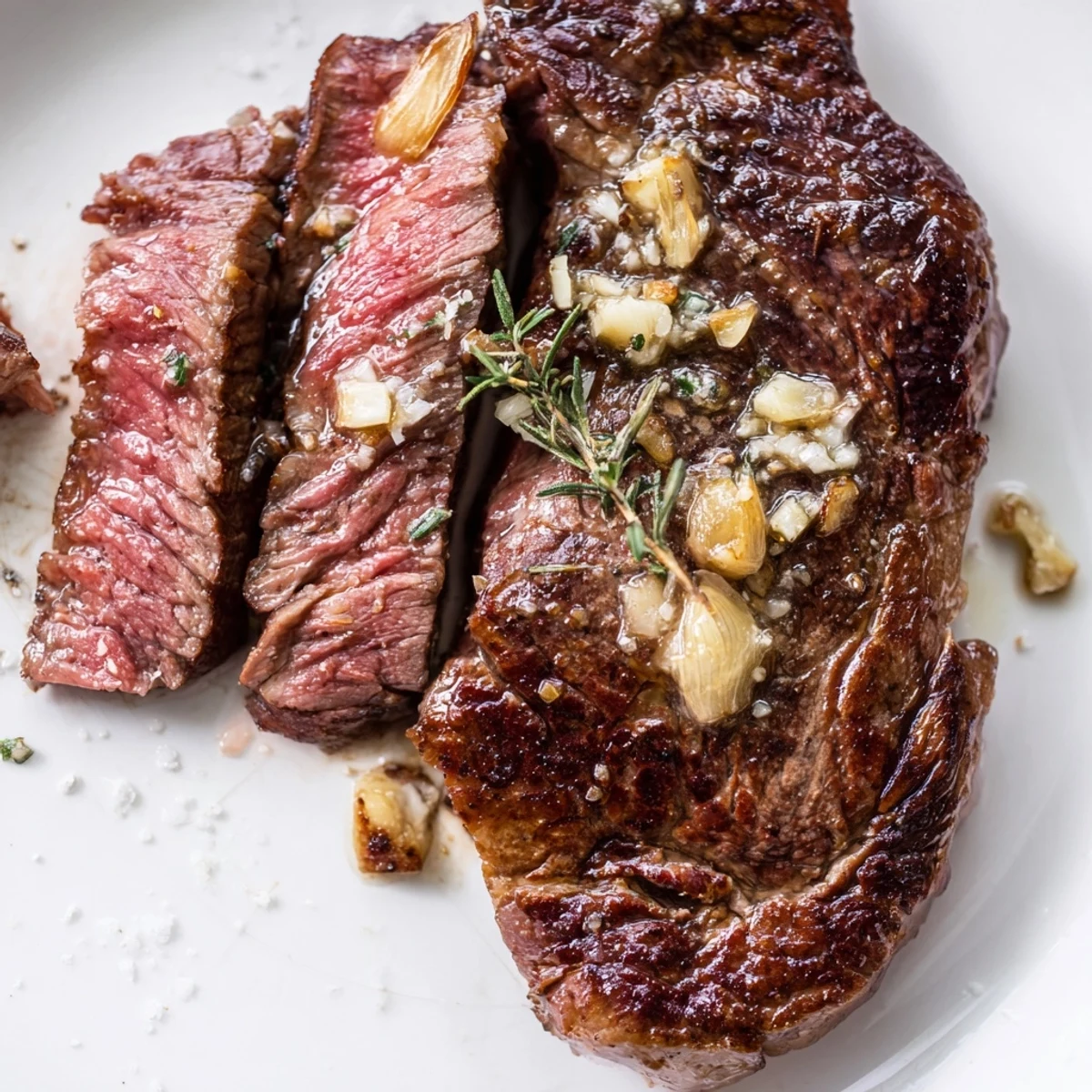
Save Cooking ribeye in a cast iron skillet creates an exceptional sear that locks in juices while developing a deep, caramelized crust. The garlic butter infusion adds aromatic richness, complementing the beef's natural flavor. This technique delivers restaurant-quality results at home in just 20 minutes, with the high heat ensuring consistent cooking throughout.
My dad never splurged on much, but he would come home with thick ribeyes on random Tuesdays and announce tonight we eat like kings. The whole house would smell like searing meat within minutes, and we would stand around the stove watching the crust form. I have chased that perfect restaurant style steak at home for years, and this garlic butter method finally nailed it.
Last winter my neighbor came over during a snowstorm with two beautiful ribeyes from the butcher. We cooked them while drinking wine and talking about everything and nothing, and the garlic butter aroma filled the entire apartment. That night turned into a monthly tradition, and this steak has become our celebration dinner for small victories and good news.
Ingredients
- 2 ribeye steaks 12 oz each: Thick cuts hold heat better and develop that gorgeous crust we are after
- Kosher salt: Use generous amounts as this is your primary seasoning
- Black pepper: Freshly cracked adds aromatic warmth
- Unsalted butter: Control your salt level by starting with unsalted butter
- Garlic cloves: Crush them to release oils into the butter while basting
- Fresh thyme and rosemary: These woody herbs stand up to high heat beautifully
- Olive oil: Higher smoke point than butter for the initial sear
- Flaky sea salt: The finishing touch that adds texture and pops of salitness
Instructions
- Bring steaks to room temperature:
- Pull them from the fridge 30 minutes before cooking and pat completely dry with paper towels
- Season generously:
- Sprinkle salt and pepper on all sides, pressing gently so it adheres
- Get the skillet screaming hot:
- Heat your cast iron over high heat for 3 to 5 minutes until you see heat waves rising
- Sear the first side:
- Add olive oil, swirl to coat, then place steaks down and do not touch them for 2 to 3 minutes
- Flip and add your aromatics:
- Turn the steaks, toss in butter, garlic, and herbs
- Baste continuously:
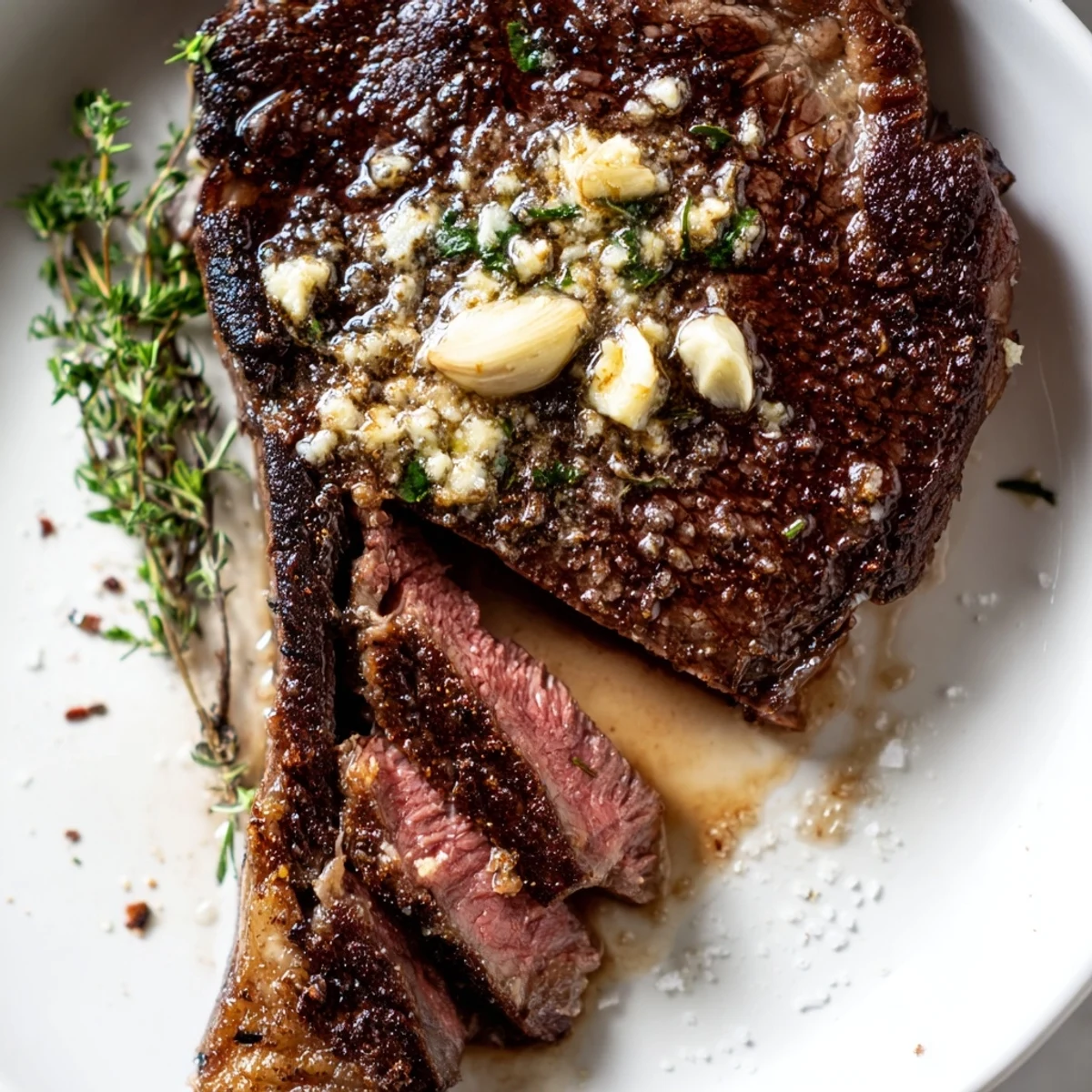
- Tilt the pan and spoon that sizzling garlic butter over the meat for 2 to 3 minutes
- Rest before serving:
- Move steaks to a plate, tent loosely with foil, and wait 5 minutes
- Finish and serve:
- Slice against the grain and drizzle with the reserved garlic butter from the pan
 Save
Save This recipe has saved me countless times when I wanted something celebratory but did not have the energy for an elaborate meal. The first time I served it to my in laws, my father in law actually asked which local steakhouse I had ordered from, and that moment pretty much secured my place in the family.
Getting That Perfect Crust
Listen for the sizzle when the steak hits the pan, it should sound enthusiastic and energetic. If the sound is more of a weak hiss, your pan is not hot enough yet, so wait another minute and try again. That initial contact is what creates the beautiful brown crust that holds all the flavor.
Doneness Without Guessing
I resisted buying a meat thermometer for years, but it eliminated all the anxiety about overcooking expensive cuts. Medium rare hits 125 degrees, and remember the steak will keep cooking slightly while it rests. Trust the thermometer more than your eyes or instincts.
Serving Ideas
A simple arugula salad with lemon vinaigrette cuts through the richness beautifully. Roasted potatoes or smashed fingerlings work well for a more substantial plate. Keep the sides simple so the steak remains the star.
- A glass of bold red wine like Cabernet brings out the best in the beef
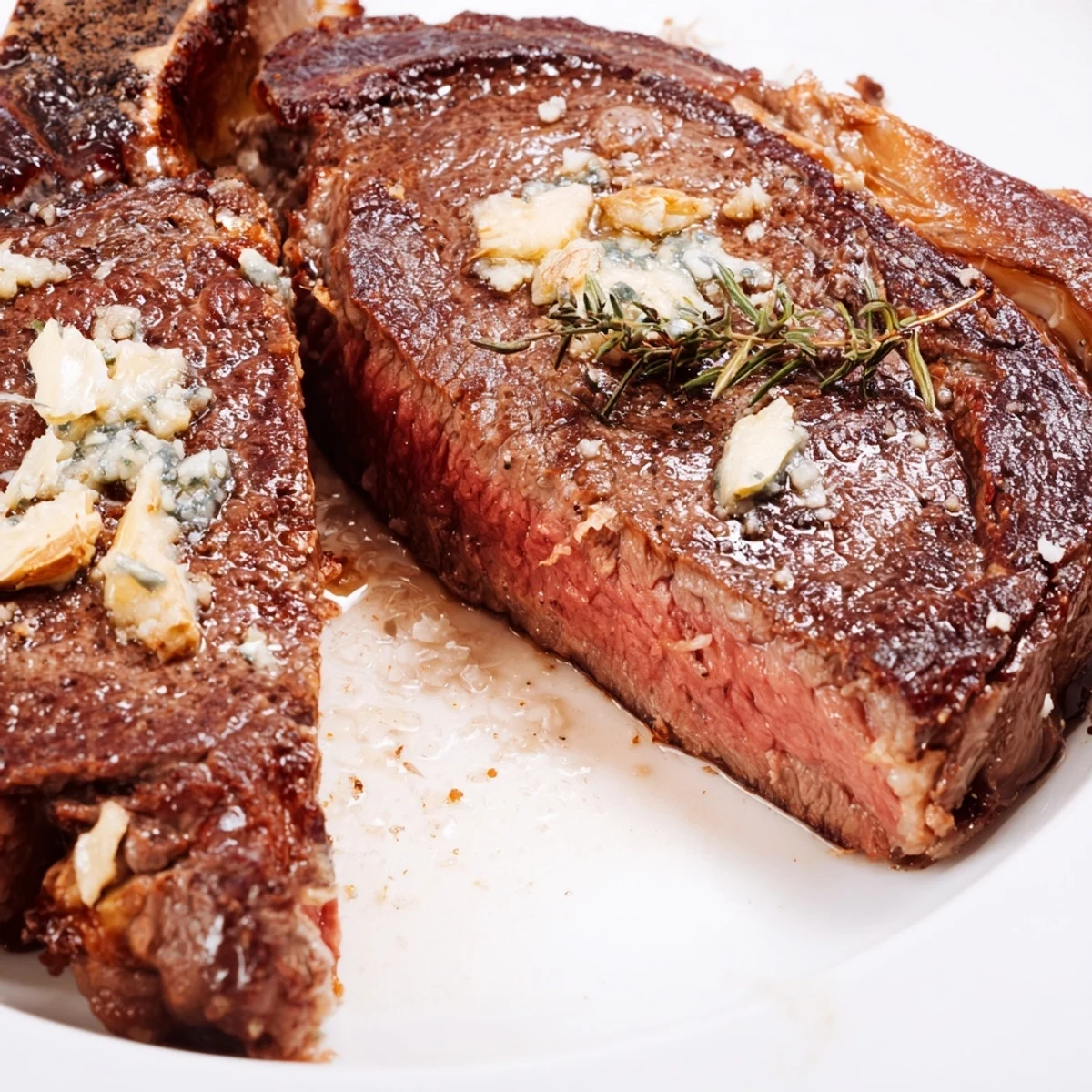
- Compound butters with blue cheese or herbs can switch up the flavor profile
- Leftovers make incredible steak sandwiches the next day
 Save
Save Some nights just call for a really good steak and maybe a little too much butter. This recipe delivers exactly that.
Recipe FAQs
- → Why use a cast iron skillet for ribeye?
-
Cast iron retains intense heat and distributes it evenly, creating the ideal searing environment. The heavy construction ensures consistent temperature contact with the meat, producing that coveted caramelized crust while keeping the interior juicy.
- → How do I know when the steak is done?
-
Use a meat thermometer for accuracy. Medium-rare reaches 125°F at the center, medium registers 130-135°F. The touch test also helps—medium-rare feels like the fleshy part of your palm below the thumb.
- → Why let steaks reach room temperature first?
-
Room-temperature meat cooks more evenly throughout. Cold steaks can overcook on the exterior before the center reaches the desired doneness, resulting in uneven texture and temperature.
- → Can I use dried herbs instead of fresh?
-
Fresh thyme and rosemary provide superior aroma and flavor infusion. If using dried, reduce quantities by one-third and add them earlier with the butter to allow proper blooming.
- → What should I serve with ribeye?
-
Roasted vegetables like asparagus or Brussels sprouts complement the rich beef. A crisp green salad with vinaigrette balances the buttery flavors, and roasted potatoes make an excellent hearty side.