
 Save
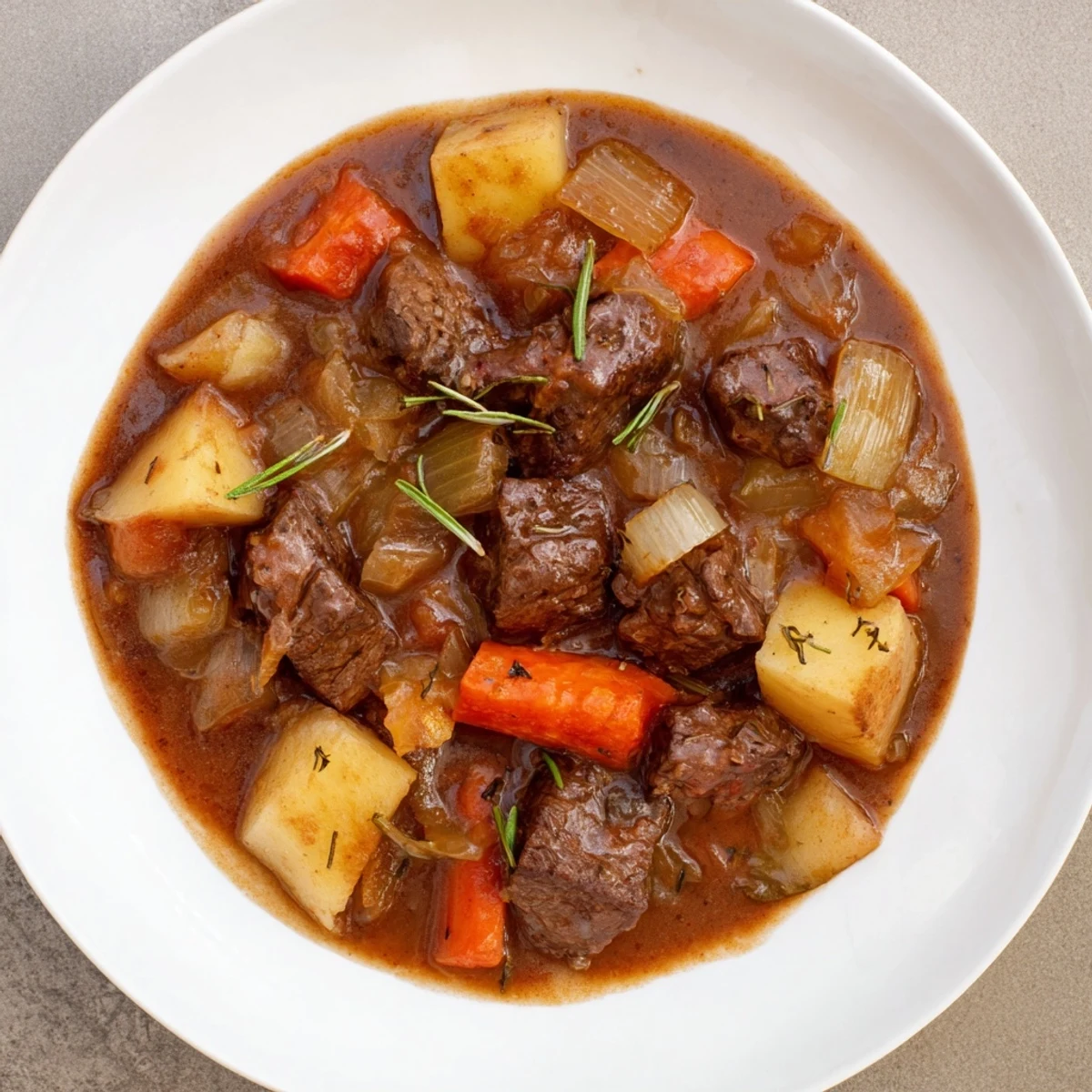
Save This hearty beef stew features tender chunks of beef slowly simmered with onions, carrots, celery, and potatoes in a savory sauce enhanced by tomato paste, herbs, and Worcestershire sauce. The meat is first browned to lock in flavor, then cooked low and slow until tender. Aromatic herbs like thyme and rosemary add depth, while the inclusion of garlic and bay leaves enriches the sauce. The dish offers warming comfort, ideal served with crusty bread or creamy mashed potatoes, making it perfect for a fulfilling family meal.
There's something about a pot of beef stew simmering away that turns a regular Tuesday into something worth lingering over. Years ago, I watched my neighbor through her kitchen window—steam fogging the glass as she stirred this exact stew—and realized I'd been making mine all wrong, rushing it, treating it like a chore instead of a meditation. That day, I learned that the best stews aren't about shortcuts; they're about patience and letting the beef break down until it practically dissolves into the gravy.
I made this for my partner during our first real winter together, and I remember him coming home to that smell—garlic, beef stock, herbs—and just stopping in the doorway. He didn't even take off his coat before asking when dinner would be ready. That's when I knew this recipe was keeper material, the kind that transforms a kitchen into something warm.
Ingredients
- Gravy beef (800 g, cut into 3 cm cubes): This is the heart of it all—choose cuts with good marbling so they stay tender, not tough, during the long simmer. Don't skip browning; that golden crust locks in flavor.
- Onions, carrots, and celery (2 medium onions, 3 carrots, 2 celery stalks): These three are the foundation, the holy trinity that builds a base worth tasting. The longer they soften, the sweeter they become.
- Potatoes (2 medium, peeled and cubed): Add these late in cooking so they hold their shape instead of turning to mush; think of them as texture agents that keep the stew interesting.
- Garlic (3 cloves, minced): A minute of cooking is all it needs—any longer and it turns bitter and loses that bright, pungent kick.
- Olive oil (2 tbsp): Use this to brown the beef and build the initial flavor layers; it's worth using good-quality oil here.
- Plain flour (2 tbsp, or gluten-free if needed): This thickens the sauce naturally while the beef cooks, so you don't need a slurry at the end; just stir it into the softened veg.
- Tomato paste (2 tbsp): A concentration of umami that deepens everything; I learned the hard way that you need to cook it for a minute to mellow any metallic taste.
- Beef stock (750 ml): This is where quality matters—a thin, salty stock won't carry the weight of flavor you've built, so taste yours if you can.
- Worcestershire sauce (1 tbsp): The secret weapon that adds a tangy complexity without anyone knowing why they love it so much.
- Bay leaves (2), dried thyme (1 tsp), and dried rosemary (1 tsp): These herbs don't fight; they blend into the background and make the whole thing taste like it's been cooking for twice as long.
- Salt and freshly ground black pepper: Taste as you go, especially at the end when everything's reduced and concentrated.
Instructions
- Heat your pot and brown the beef:
- Get that oil shimmering and hot—you want an actual sear, not a steam. Work in batches so you're not crowding the pan; meat needs space to develop that golden crust that tastes like caramel.
- Build your flavor base:
- Once the beef's resting, use the same pot to soften your onions, carrots, and celery until they're turning golden at the edges. That fond stuck to the bottom? Don't scrape it away, let those browned bits dissolve into your vegetables—that's pure flavor.
- Bring in the garlic and flour:
- Add minced garlic for just a minute so it opens up without burning, then sprinkle flour over everything and stir for another minute. You're creating a light roux that'll help thicken the sauce as it cooks.
- Bring it all together:
- Return the beef to the pot, then add tomato paste, stock, Worcestershire sauce, and your herbs. Stir until everything's combined and there are no flour pockets hiding in the corners.
- The long, slow simmer:
- Bring it to a simmer, then lower the heat to barely a bubble. Cover and let it sit for an hour and a half, stirring now and then; the beef's slowly breaking down into something tender.
- Add potatoes and finish strong:
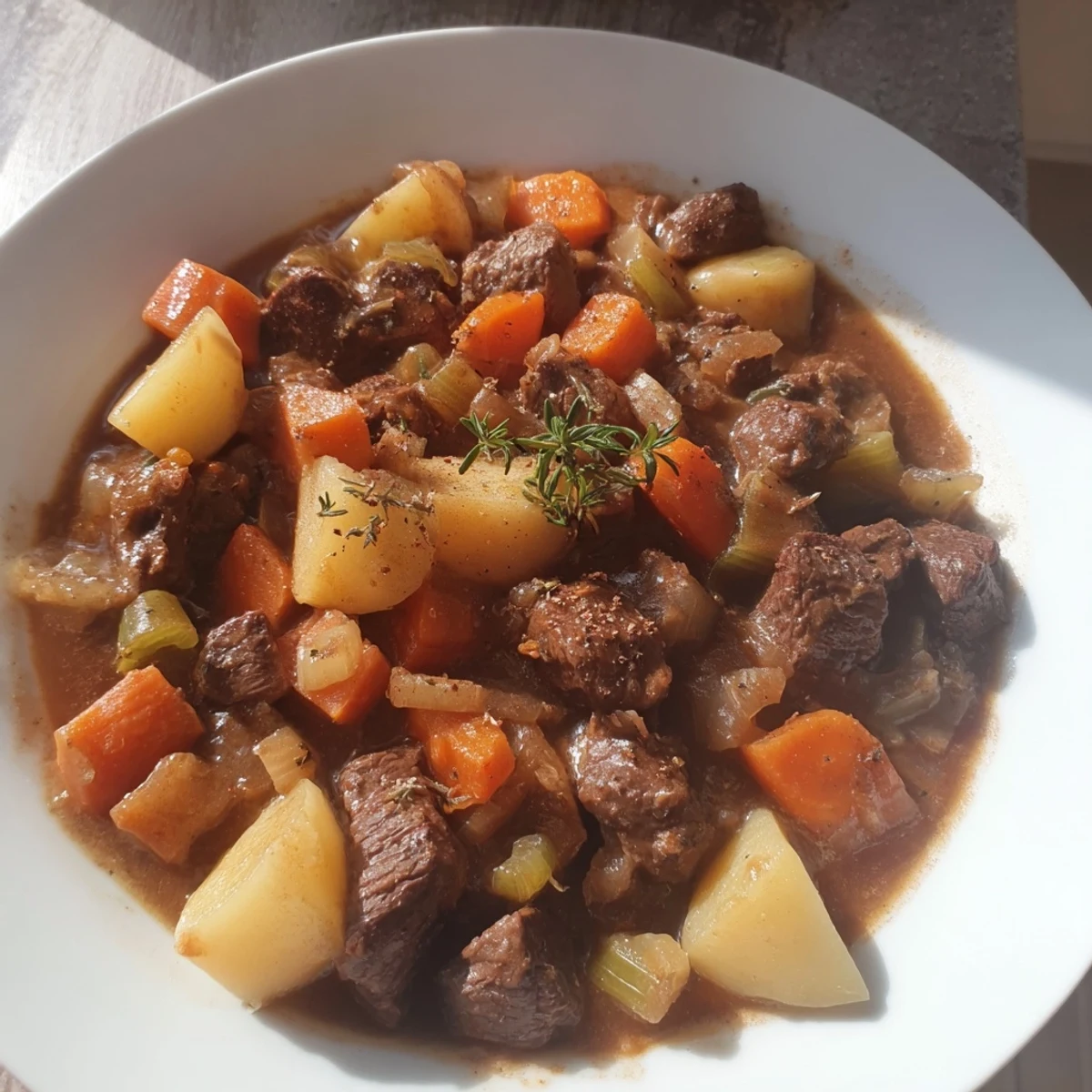
- About 30 to 40 minutes before serving, add your potatoes and season with salt and pepper. Leave the lid off now so excess moisture can evaporate and the sauce concentrates into something rich and glossy. The stew's done when the beef falls apart with a spoon and the sauce coats the vegetables.
 Save
Save Years later, I still make this stew when I want to feel grounded or when someone needs feeding and I don't know what else to give them. There's something about a dish that asks for time instead of rushing it that reminds you what cooking's really about.
Why This Stew Works
The secret to a great beef stew isn't a fancy technique—it's respecting the process. When you brown the meat properly, you're not just cooking; you're building a foundation of flavor that everything else rests on. When you soften vegetables slowly, they become sweet and almost dissolve into the sauce, thickening it naturally without needing cornstarch or cream. The herbs settle in and stop tasting like separate ingredients, instead blending into one cohesive taste that feels like home.
Customizing Your Stew
I've made this with red wine added to the stock, and it brings an earthy depth that's incredible on cold nights. Sometimes I swap out potatoes for parsnips or turnips—parsnips add a natural sweetness that plays beautifully against the savory beef. You can also play with the herbs; thyme and rosemary are classic, but I've experimented with oregano or a touch of smoked paprika when I'm feeling adventurous.
Storage and Serving
This stew actually gets better as it sits, which is a gift. The flavors settle and deepen overnight, so if you have time, make it a day ahead and reheat it gently on the stovetop. Serve it hot with crusty bread to soak up every drop of sauce, or over creamy mashed potatoes for something more indulgent.
- Leftovers keep refrigerated for up to four days, and they freeze beautifully for up to three months.
- Reheat slowly on the stovetop with a splash of water or stock if it's thickened too much.
- This is the kind of dish that's even better the second time around.
 Save
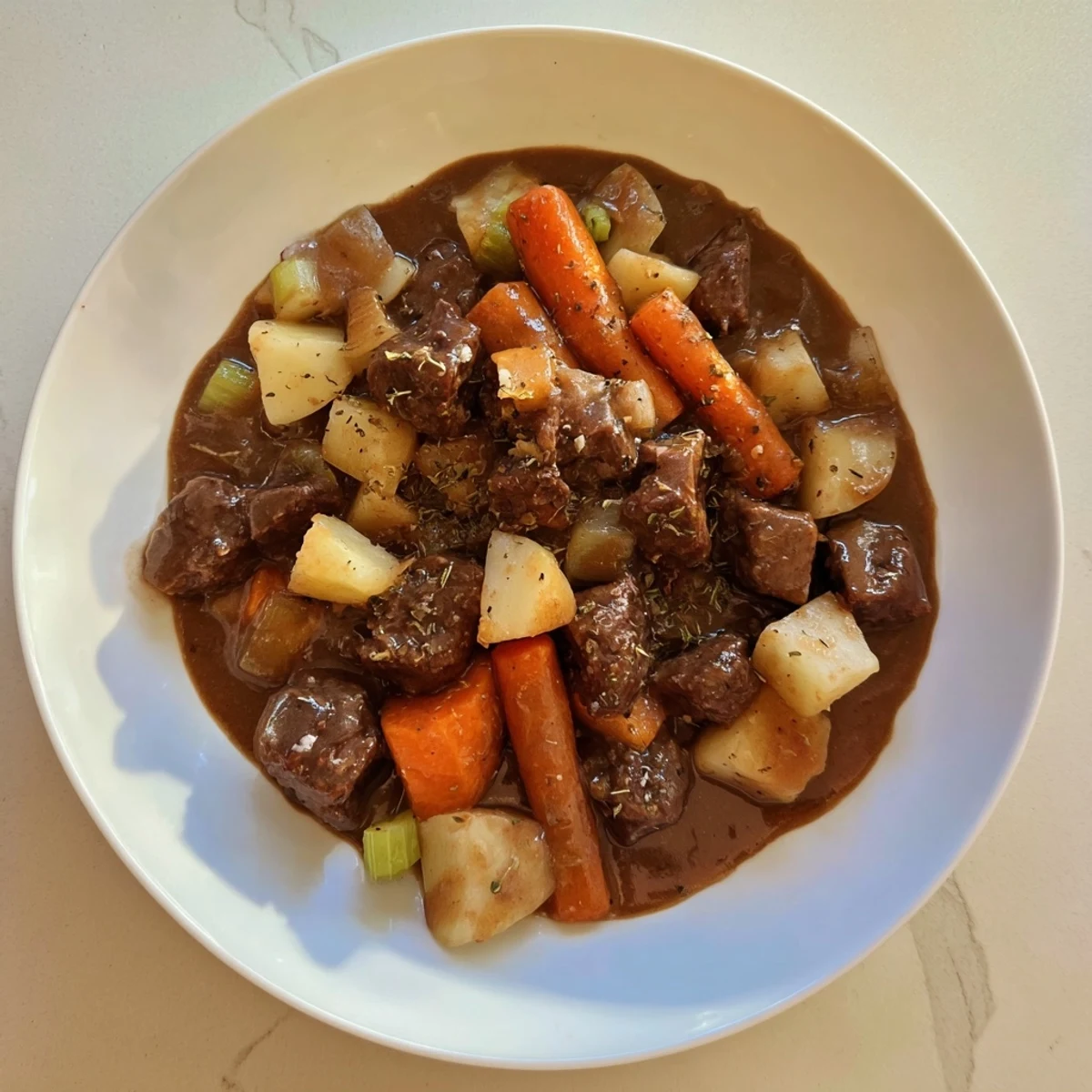
Save This beef stew is the kind of recipe that proves food is really about care—about taking time to do things right and sharing warmth with the people you love. Make it, taste it, and let it remind you why you started cooking in the first place.
Recipe FAQs
- → What cut of beef is best for this stew?
-
Gravy beef cut into cubes works well due to its tenderness after slow cooking.
- → Can I make this gluten-free?
-
Use gluten-free flour and confirm Worcestershire sauce and beef stock are gluten-free.
- → How long should the stew simmer?
-
Simmer uncovered for about 2 hours 10 minutes total until meat is tender and sauce thickens.
- → What vegetables complement the beef best?
-
Onions, carrots, celery, and potatoes provide classic balance and texture to the stew.
- → Can I add wine to the cooking liquid?
-
Yes, adding a splash of red wine with the stock enriches flavor depth.