
 Save
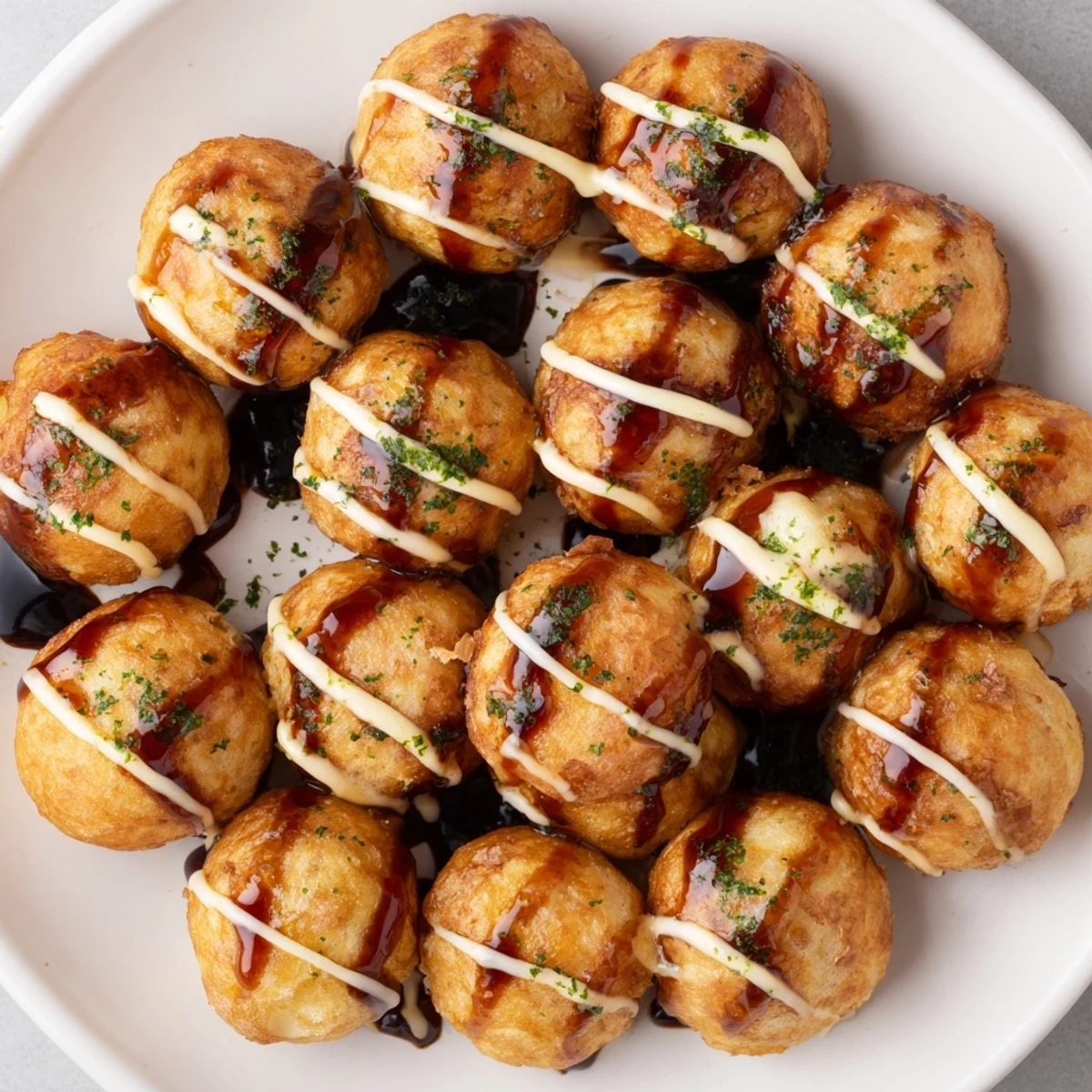
Save Master the art of creating perfectly round, golden takoyaki with crispy exteriors and soft, savory centers. These beloved Japanese octopus balls combine a smooth dashi-based batter with chunks of tender octopus, pickled ginger, and green onions. The traditional finishing touches include tangy okonomiyaki-style sauce, creamy Japanese mayonnaise, aromatic aonori seaweed, and dancing bonito flakes. While achieving the signature round shape requires a specialized pan and some practice with the turning technique, the result is an irresistible appetizer or snack that captures the essence of Japanese street food culture.
The first time I tried making takoyaki, my kitchen smelled like a bustling Osaka street corner. I had just returned from a trip to Japan where I watched vendors flip these golden spheres with lightning speed, making it look effortless. My first batch was a disaster lopsided and sticking to the pan, but by the fourth try, something clicked in my hands. Now its the one dish my friends request whenever they come over, crowding around the stove to watch the transformation from batter to perfect spheres.
Last winter during a snowed-in weekend, my neighbor came over with some octopus she scored from the fish market. We spent three hours perfecting our takoyaki technique, drinking warm sake and trading turns at the pan. The ones that turned out perfectly golden disappeared before they even hit the plate, eaten standing up with our fingers, burning hot and absolutely worth it.
Ingredients
- 200 g all-purpose flour: This forms the base of your batter, and I learned the hard way that sifting it first prevents those frustrating lumps that never quite dissolve
- 2 large eggs: Room temperature eggs incorporate more smoothly into the batter, creating that signature custardy texture we are after
- 600 ml dashi stock: The umami foundation of the whole operation, though I have used water with instant dashi powder in a pinch and nobody complained
- 1/2 tsp salt: Just enough to wake up all the other flavors without competing with the toppings
- 1/2 tsp soy sauce: Adds a subtle depth that makes the batter taste like something rather than just flour and water
- 1/2 tsp baking powder: The secret to that slightly puffy, tender interior that contrasts so beautifully with the crisp shell
- 150 g cooked octopus: Cut into small cubes about the size of a grape tomato, giving each ball a satisfying chewy surprise in the center
- 2 tbsp pickled red ginger: These bright red bits cut through the richness and add little bursts of tang throughout
- 2 tbsp green onion: Fresh onion brings a mild sharpness that balances the savory elements perfectly
- 2 tbsp tempura scraps: These crunchy bits create tiny air pockets and extra texture inside each ball
- Takoyaki sauce: Sweet, tangy, and absolutely essential though okonomiyaki sauce works beautifully as a substitute
- Japanese mayonnaise: Creamier and richer than American mayo, adding a velvety finish that ties everything together
- 1 tbsp aonori: Dried seaweed flakes bring a subtle ocean aroma and gorgeous green color contrast
- Bonito flakes: Skip these if you need the dish to be vegetarian, but they add incredible smoky depth and that signature dancing effect from the residual heat
Instructions
- Mix the batter:
- Whisk together flour, eggs, dashi stock, salt, soy sauce, and baking powder until completely smooth with no lumps remaining. The batter should be thin and pourable like heavy cream, not thick like pancake batter.
- Heat your pan:
- Preheat your takoyaki pan over medium heat and lightly oil each compartment using a paper towel or brush. The oil should shimmer but not smoke when the pan is ready.
- Fill the molds:
- Pour the batter into the pan, filling each hole completely to the top. Work quickly so the first ones do not start cooking before you finish filling all the molds.
- Add the fillings:
- Drop one piece of octopus into each hole, then sprinkle evenly with red ginger, green onion, and tempura scraps. The ingredients will sink slightly into the batter.
- Start the flip:
- Cook for 1 to 2 minutes until you see the edges starting to set and turn golden. Use two skewers or chopsticks to quickly turn each ball 90 degrees, letting the uncooked batter flow out and begin forming the round shape.
- Keep turning:
- Continue rotating the balls every minute or so, working quickly to maintain the round shape as they cook. The batter will continue to set and form into perfect spheres as you turn them.
- Finish cooking:
- Cook for 8 to 10 minutes total until the takoyaki are evenly golden brown and crisp on all sides. They should feel firm and spring back when gently touched.
- Add the toppings:
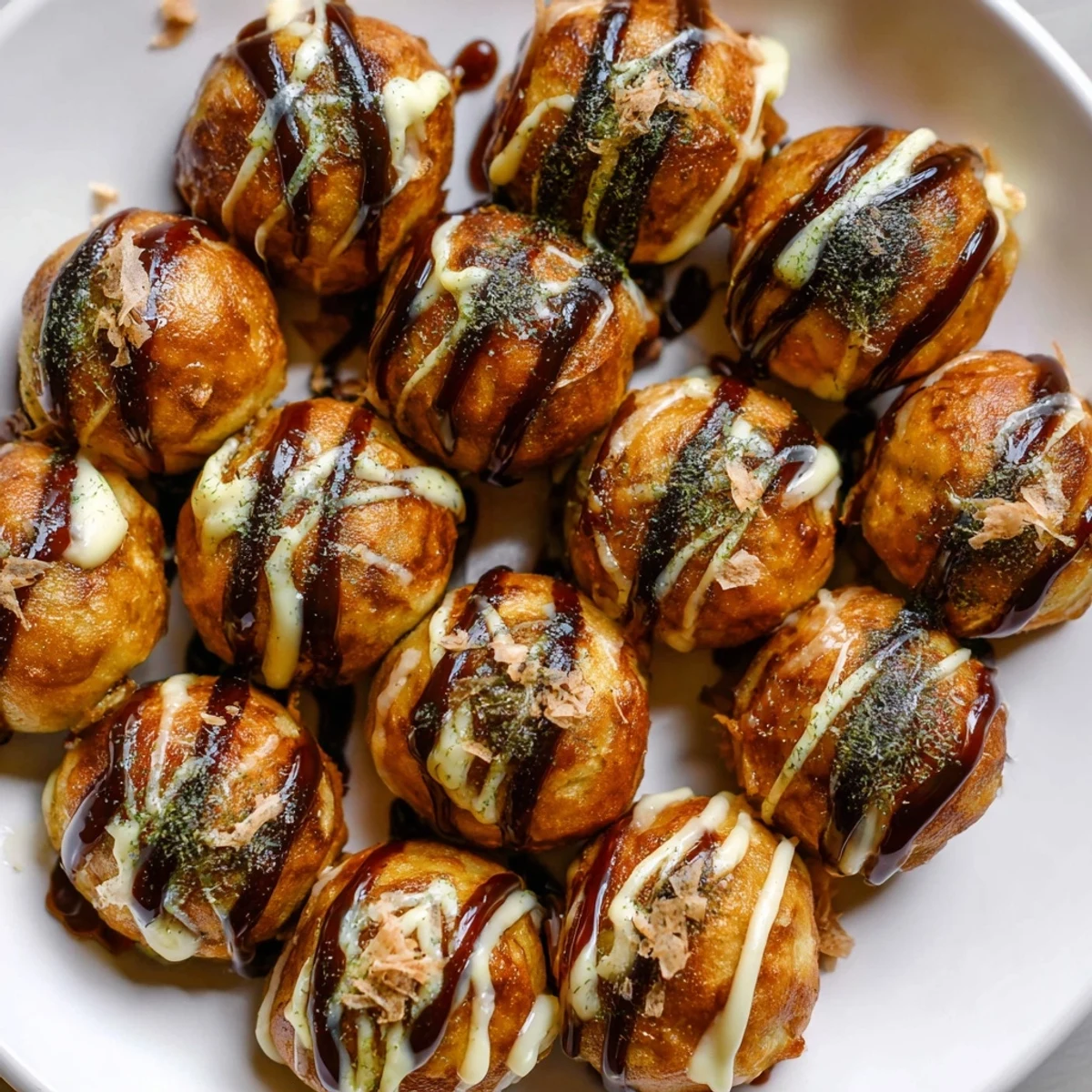
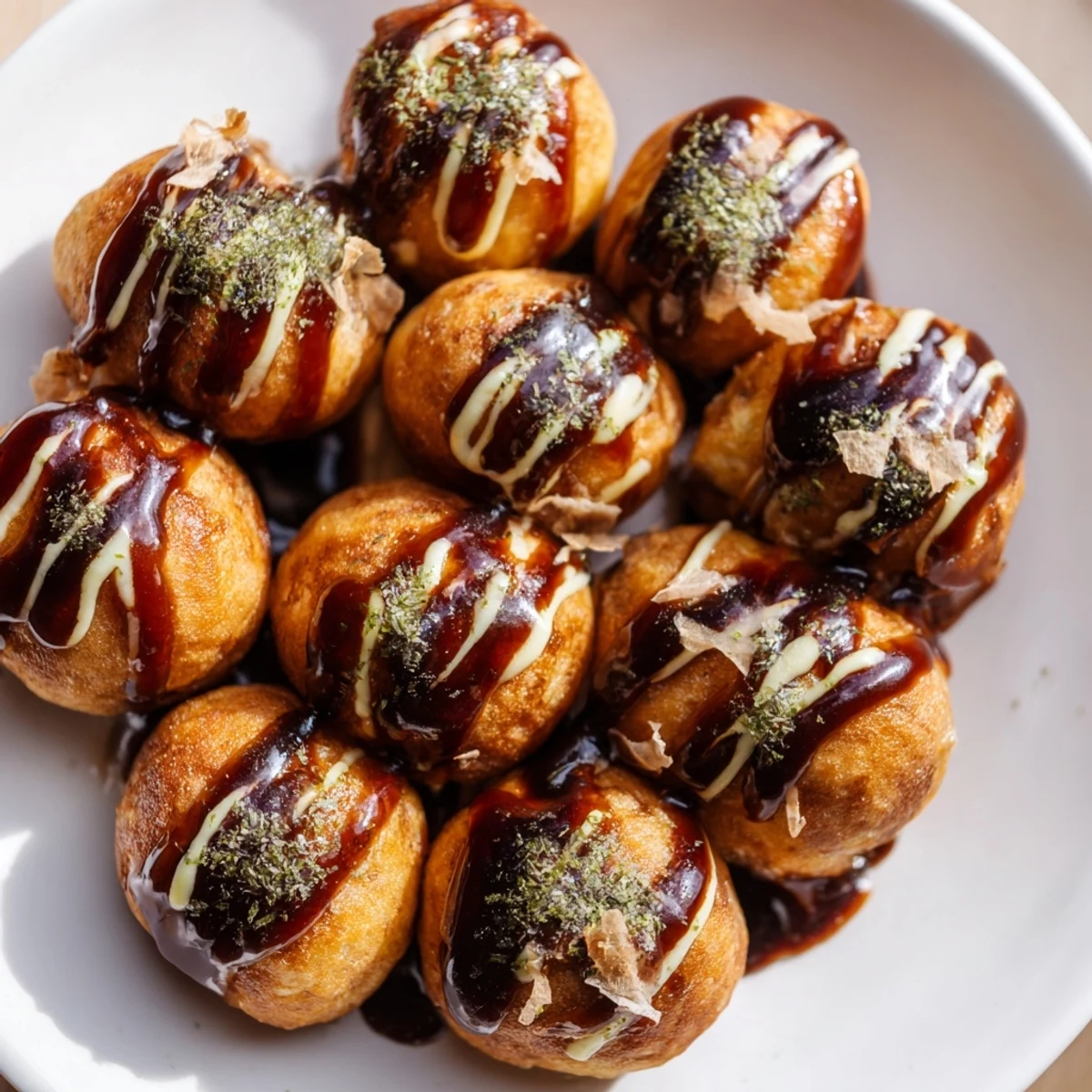
- Remove the takoyaki from the pan and arrange them on a serving plate. Drizzle generously with takoyaki sauce and mayonnaise in a zigzag pattern, then finish with aonori and a generous pile of bonito flakes.
 Save
Save My daughter now requests these for her birthday dinner every year instead of cake. She stands on a stool next to me, her small hands wielding chopsticks with surprising determination, flipping takoyaki with a concentration that makes my heart ache. These moments in the kitchen, passing down the imperfect art of Japanese street food, have become some of my most precious memories with her.
Mastering The Flip
The technique of turning takoyaki takes practice, and I will not pretend I mastered it overnight. The secret is a swift confident motion using two skewers or chopsticks, catching the edge of the setting batter and rolling it over in one smooth movement. Hesitate and the batter tears, move too slowly and the ball loses its shape. After about three batches, your hands develop a muscle memory that makes the process almost meditative.
Getting The batter Right
Consistency is everything when it comes to the batter, and I have learned through many failed batches that thin is better than thick. The batter should flow easily from your ladle, thick enough to coat a spoon but loose enough to pour. Too thick and your takoyaki will be dense and doughy inside, too thin and they will not hold their shape during the endless flipping process.
Topping Combinations And Variations
While the classic combination is sacred for good reason, do not be afraid to experiment once you have the technique down. I have made versions with cheese melting inside, others with tiny shrimp instead of octopus, and even a dessert version with red bean paste. The toppings can be customized to your taste, but that sauce and mayo combination is non negotiable for me.
- If you cannot find takoyaki sauce, mix equal parts Worcestershire and ketchup with a splash of soy sauce
- Cooked shrimp or squid make excellent substitutes if octopus is hard to find in your area
- A squeeze of fresh lemon over the finished takoyaki cuts through the richness beautifully
 Save
Save There is something magical about gathering around a steaming takoyaki pan, everyone taking turns at the flipping and chatting as the aroma fills the kitchen. These golden spheres never fail to bring people together, turning a simple snack into a memorable shared experience.
Recipe FAQs
- → What makes takoyaki crispy on the outside?
-
The crispy exterior develops from cooking in a well-oiled, preheated takoyaki pan over medium heat. Continually turning the balls every minute ensures all sides contact the hot surface, creating an evenly golden, crunchy shell while the inside remains tender and creamy.
- → Can I make takoyaki without a special pan?
-
While a traditional takoyaki pan with half-sphere molds creates the iconic round shape, you can use a mini muffin tin or æbleskiver pan as alternatives. The texture and shape will differ slightly, but you'll still get delicious octopus-filled bites with the same flavors.
- → What can I substitute for octopus?
-
Cooked shrimp, squid, or even small cubes of mozzarella cheese work well as alternatives. The seafood options maintain the traditional oceanic flavor profile, while cheese creates a gooey, melty variation that's especially popular with children and cheese lovers.
- → How do I store and reheat leftover takoyaki?
-
Store cooled takoyaki in an airtight container in the refrigerator for up to 2 days. Reheat in a 350°F oven for 5-7 minutes or in an air fryer at 350°F for 3-4 minutes to restore crispiness. Avoid microwaving as they'll become soggy. Add fresh toppings after reheating.
- → What's the secret to getting the round shape?
-
Pour batter to fill each compartment completely, add fillings immediately, and wait just until edges begin setting before the first turn. Use two skewers or chopsticks in a quick wrist-flicking motion to rotate partially cooked batter while allowing uncooked batter to flow underneath. Continue turning every minute until fully rounded.
- → Is takoyaki sauce different from okonomiyaki sauce?
-
Both sauces share a similar base of Worcestershire sauce, ketchup, oyster sauce, and sugar. Takoyaki sauce tends to be slightly thicker and sweeter to complement the mild batter, while okonomiyaki sauce has a deeper, richer flavor. They're interchangeable in a pinch, or make your own by mixing Worcestershire with ketchup and a touch of soy sauce.