
 Save
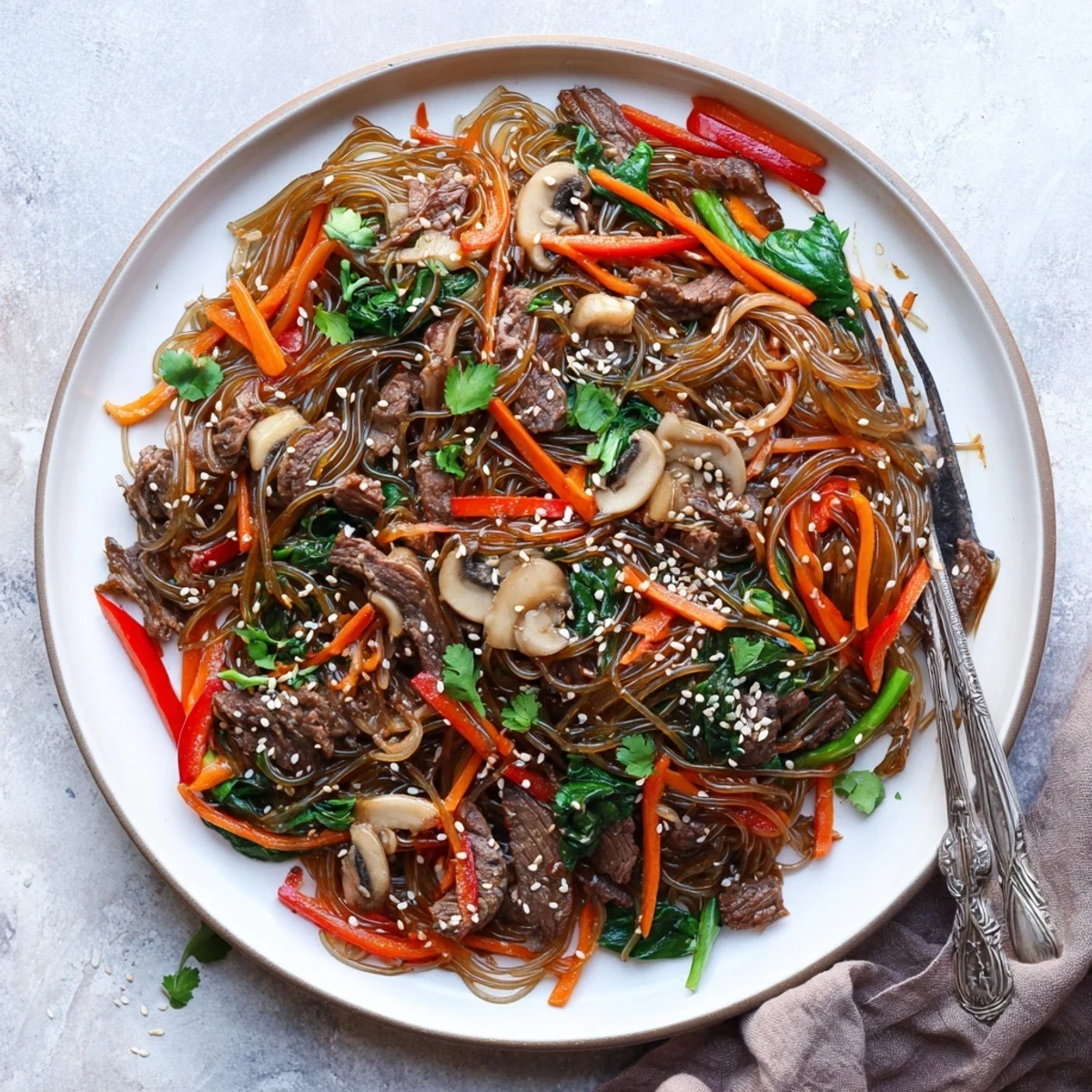
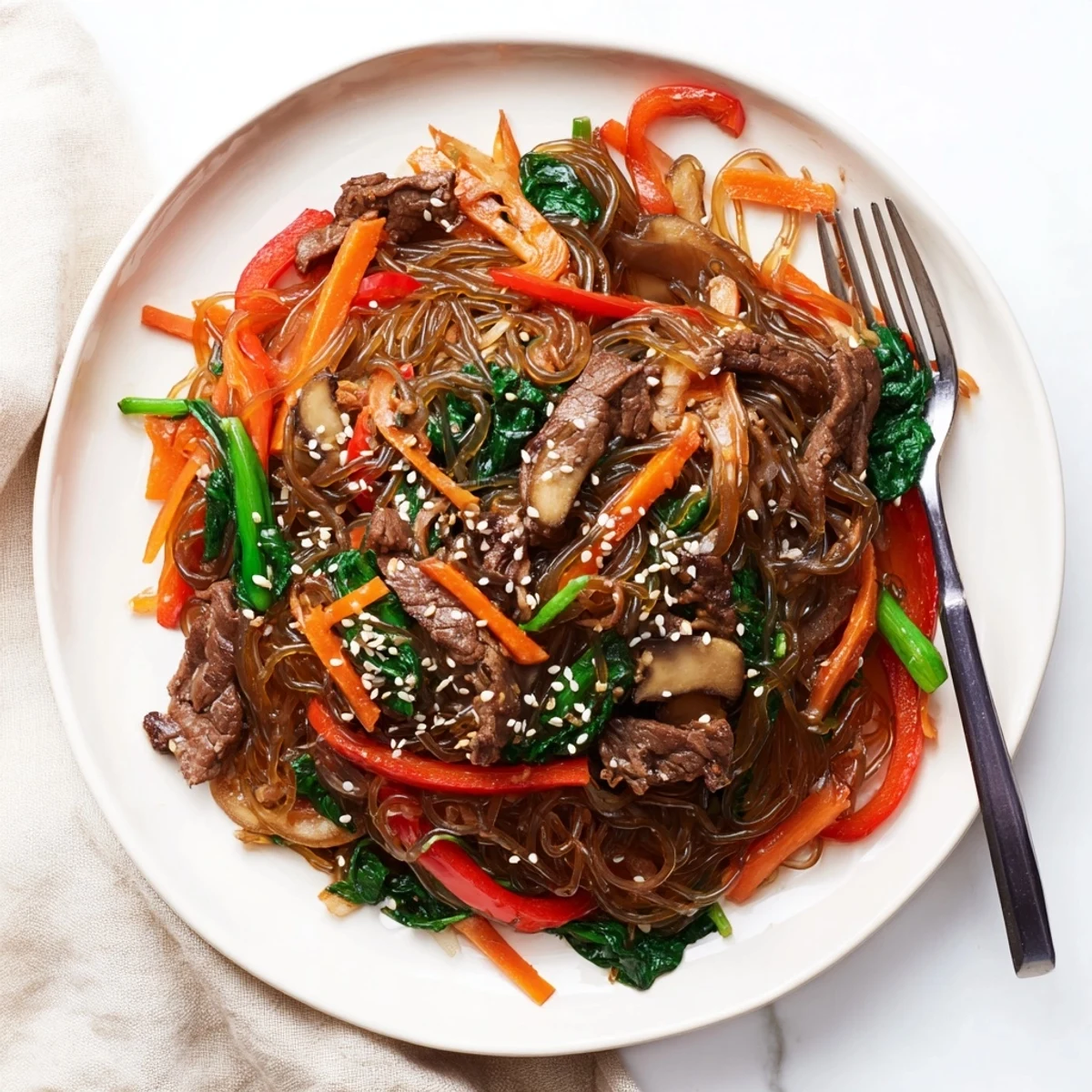
Save These Korean-style beef noodles combine tender marinated beef strips with chewy sweet potato noodles (dangmyeon) and colorful vegetables in a rich, savory-sweet glaze. The umami-packed sauce features gochujang Korean chili paste, soy sauce, brown sugar, and sesame oil for that perfect balance of sweet and spicy. Ready in just 40 minutes, this one-pan meal delivers restaurant-quality flavors at home.
The first time I made Korean beef noodles, I was rushing to feed friends who'd dropped by unexpectedly after a hike. I pulled whatever vegetables I had from the crisper drawer, sliced the beef hurriedly, and hoped for the best. When we finally sat down to eat, the kitchen filled with the smell of sesame and garlic, someone actually paused mid-bite and asked what I'd been hiding from them all these years. Now it's become my go-to when I want something that looks impressive but comes together in under an hour.
Last winter, my neighbor smelled the gochujang caramelizing in the pan and actually knocked on my door to investigate. We ended up eating these noodles standing around my kitchen island while she told me about her grandmother's version in Seoul, where she'd add sliced pear for sweetness. I've tried it both ways now, and while the pear trick is genius, something about the earthy mushrooms and crisp carrots just works perfectly as is.
Ingredients
- Beef sirloin or ribeye: Thinly slicing against the grain makes all the difference here—partially freezing the meat for 20 minutes beforehand helps you get those delicate, tender strips that cook in seconds
- Korean sweet potato noodles: These chewy glass noodles are non-negotiable for authentic texture, though udon works in a pinch if you need something more accessible
- Gochujang: This fermented chili paste brings deep umami and gentle heat that builds as you eat—start with one tablespoon if you're spice-sensitive
- Vegetables: The julienned carrots and bell peppers add crunch and color that balances the soft noodles, while spinach wilts down into silky ribbons throughout the dish
- Sesame oil and seeds: Toast your sesame seeds in a dry pan until fragrant before garnishing—this small step makes the final dish taste restaurant-quality
Instructions
- Marinate the beef:
- Combine the sliced beef with soy sauce, sesame oil, sugar, and minced garlic, letting it sit while you prep everything else so the flavors penetrate the meat
- Cook the noodles:
- Boil the sweet potato noodles until tender but still chewy, then rinse under cold water to stop the cooking and prevent them from clumping together
- Whisk together the sauce:
- Mix soy sauce, brown sugar, gochujang, rice vinegar, sesame oil, water, and grated ginger until the sugar dissolves completely
- Stir-fry the vegetables:
- Sauté the carrots, bell pepper, and mushrooms over high heat until they're just tender, then add spinach and spring onions until wilted
- Cook the marinated beef:
- Stir-fry the beef quickly in the hot wok until browned and cooked through, letting it develop some crispy edges
- Combine everything:
- Toss the noodles, vegetables, beef, and sauce together for a few minutes until the sauce coats every strand evenly and everything is heated through
- Garnish generously:
- Sprinkle with toasted sesame seeds and fresh cilantro or parsley right before serving for a burst of color and freshness
 Save
Save My cousin's kids used to turn up their noses at anything 'spicy,' but after watching me make these noodles and getting curious about the 'red sauce,' they asked for seconds with extra sesame seeds on top. Now whenever I visit, there's a silent request for the noodle bowl, and the youngest has started helping me julienne the carrots with her safety knife.
Getting the Noodle Texture Right
Sweet potato noodles should feel springy and chewy, never mushy. I learned this the hard way after accidentally overcooking them once—the difference between al dente and overdone is just a minute or two, so set a timer and test a strand early.
Building Layers of Flavor
The sauce tastes completely different once it's been heated in the wok with the beef juices, caramelizing slightly and coating everything. Don't skip the step of whisking it beforehand though—you want the sugar fully dissolved before it hits the heat.
Serving and Storage
These noodles are best enjoyed immediately while the vegetables still have some crunch and the noodles are slippery and hot. Leftovers keep well in the refrigerator for up to two days, though the noodles will soften as they absorb more sauce.
- Add a splash of water when reheating to loosen the sauce
- Store garnishes separately to keep them fresh
- Consider packing noodles and sauce separately for meal prep
 Save
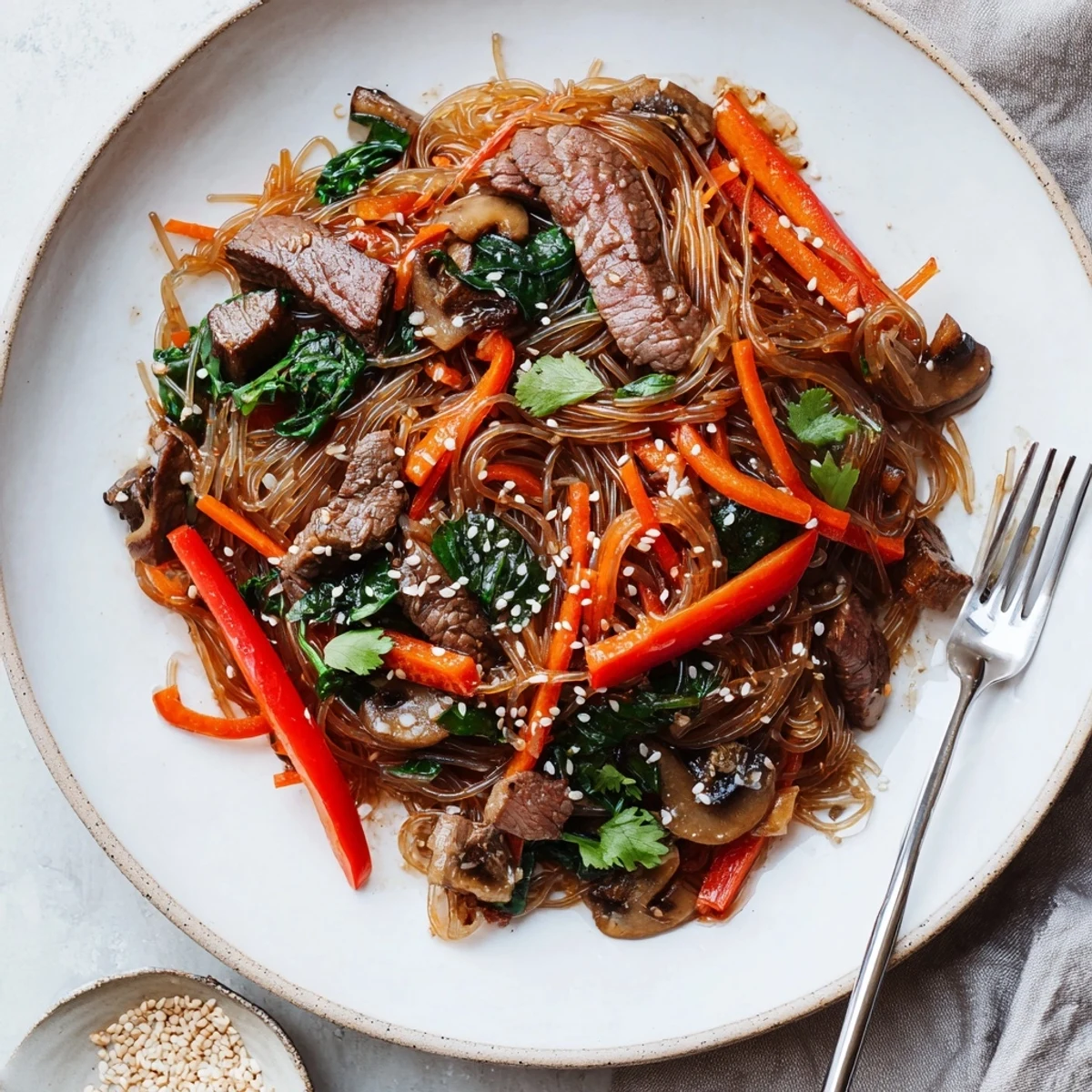
Save There's something deeply satisfying about slurping these noodles straight from the bowl, sauce splashing, vegetables catching on the chopsticks. It's the kind of meal that makes you feel taken care of, even when you're the one who cooked it.
Recipe FAQs
- → What type of noodles work best for this dish?
-
Korean sweet potato noodles (dangmyeon) are traditional, offering a delightfully chewy texture. Dried udon noodles make an excellent substitute with similar thickness and bite.
- → Can I make this dish spicy?
-
Gochujang provides mild heat. For more spice, add additional gochujang, red pepper flakes, or fresh sliced chilies when stir-frying the vegetables.
- → What cut of beef is ideal?
-
Sirloin or ribeye works beautifully. Slice thinly against the grain for tenderness. Flank steak is another excellent option that absorbs marinade well.
- → How do I store leftovers?
-
Store in an airtight container for up to 3 days. Reheat gently in a skillet with a splash of water to refresh the sauce and prevent noodles from drying out.
- → Can I prepare this ahead?
-
Marinate beef and slice vegetables up to a day in advance. Cook noodles fresh for best texture, though they can be prepared hours ahead and tossed with oil to prevent sticking.