
 Save
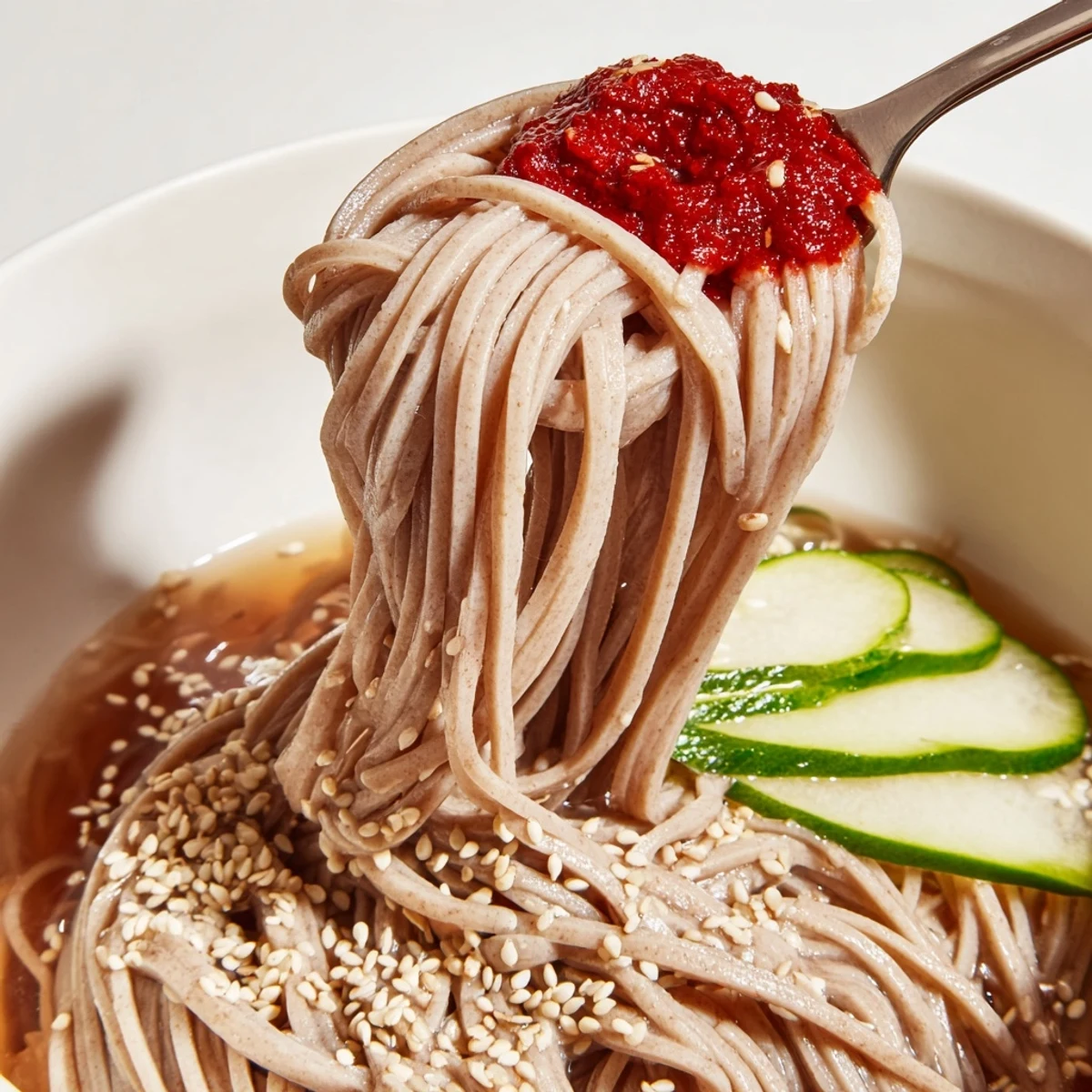
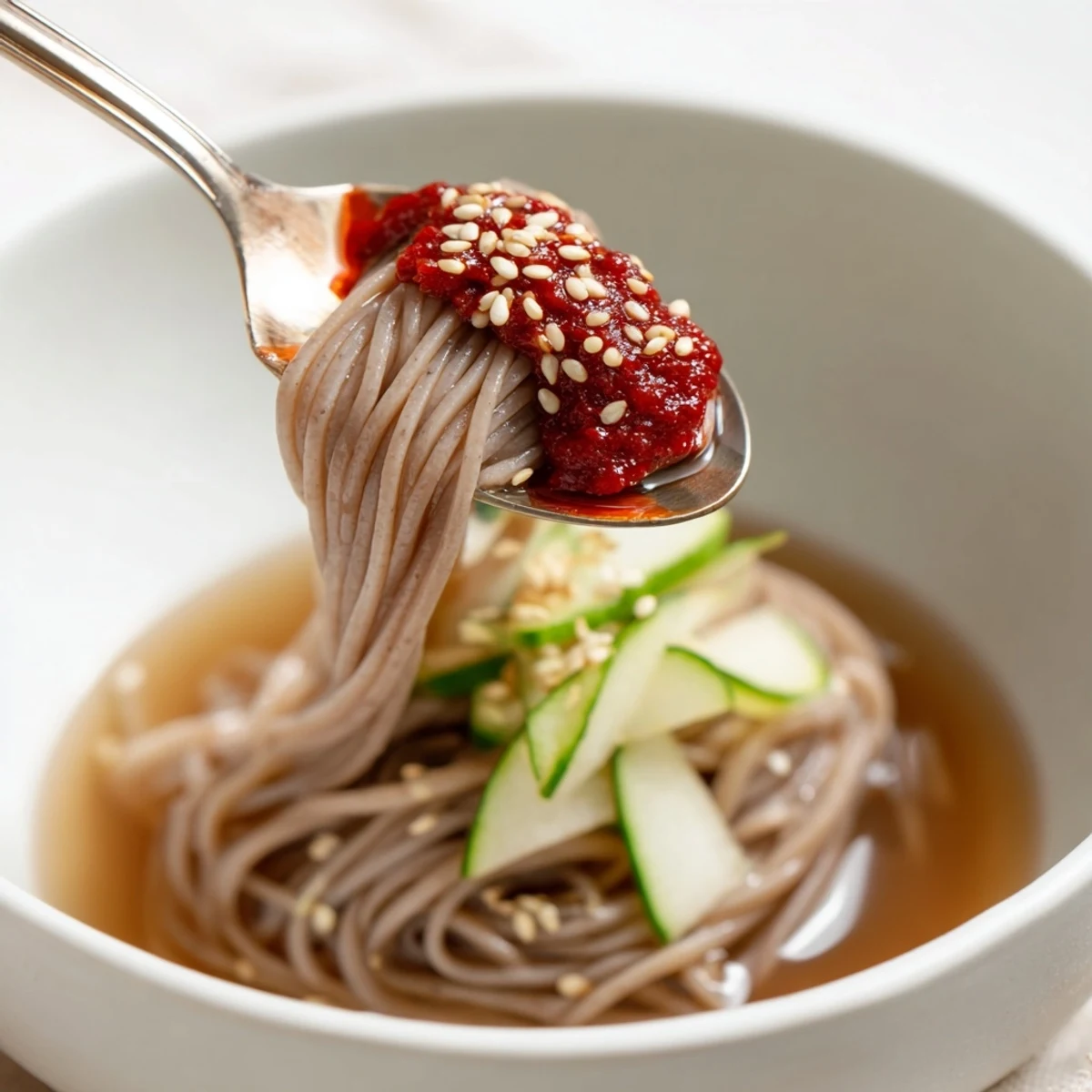
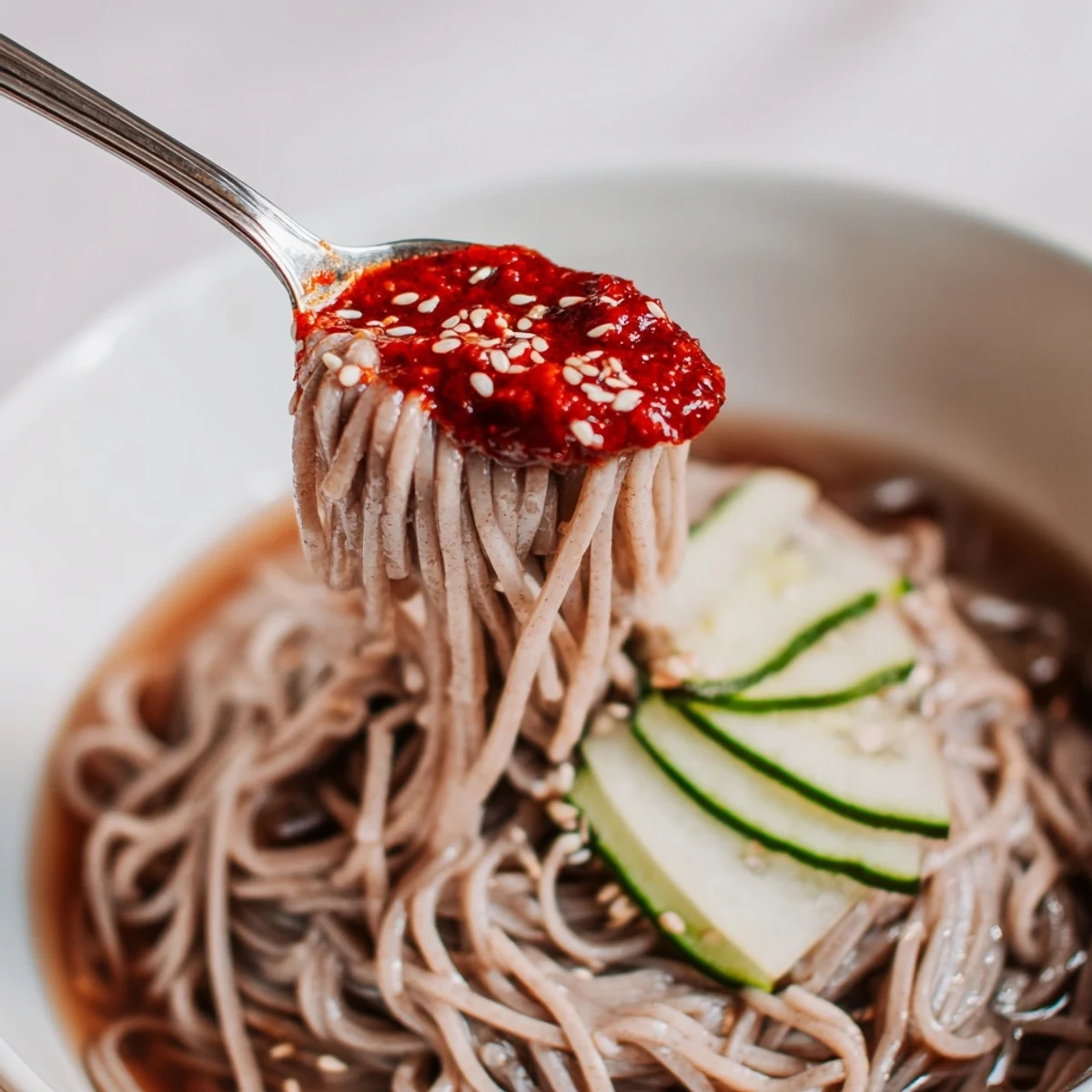
Save This classic Korean dish features long, chewy buckwheat noodles swimming in an ice-cold, tangy broth that's perfect for hot weather. The refreshing combination comes from a perfectly balanced broth of beef stock, rice vinegar, and soy sauce, creating that signature sweet-sour flavor profile that makes naengmyeon so addictive.
Each bowl gets generously topped with tender beef brisket slices, crisp cucumber ribbons, sweet Asian pear, and a creamy hard-boiled egg. The contrast between the slippery chilled noodles and the crunchy fresh toppings creates an incredibly satisfying texture experience.
The first time I had naengmyeon was at a tiny Korean restaurant in LA where the owner warned me about the slurping. Apparently eating cold noodles quietly is nearly impossible, and she was right. Something about those chewy buckwheat strands swimming in that icy tangy broth just makes you abandon all table manners. Now I make this at home whenever summer heat becomes unbearable, and my kitchen fills with the same wonderful chaos of slurping sounds.
Last July, my friend Sarah came over for dinner looking absolutely defeated by a brutal heatwave. I served her this soup without much explanation, and her initial skepticism turned into pure bliss after one mouthful. We ended up sitting on my kitchen floor, sweating slightly despite the cold food, trading stories about our grandmothers while finishing every drop. Sometimes the best meals happen when you abandon the dining table completely.
Ingredients
- 4 cups beef broth: Homemade gives incredible depth, but quality low sodium works perfectly fine
- 2 cups cold water: Essential for achieving that refreshingly light body
- 2 tablespoons rice vinegar: This creates the signature tang that defines the dish
- 1 tablespoon sugar: Balances the acidity and brings everything together
- 1 tablespoon soy sauce: Adds necessary umami without overwhelming the fresh profile
- 1 teaspoon sesame oil: Provides a gorgeous aromatic finish
- 1/2 teaspoon salt: Adjust to taste since broth brands vary
- 1/2 cucumber: Thin slices add perfect crunch and freshness
- 4-6 ice cubes: Non-negotiable for keeping everything properly chilled
- 400 g naengmyeon noodles: Look specifically for Korean buckwheat noodles for authentic texture
- 1 Asian pear: Crisp sweetness that cuts through the tangy broth beautifully
- 2 hard-boiled eggs: Creaminess that anchors all the bright flavors
- 120 g cooked beef brisket: Thin slices provide savory richness throughout
- 1 tablespoon toasted sesame seeds: Nutty crunch as the final touch
- 1 tablespoon gochujang: Optional heat for those who like it spicy
Instructions
- Make the icy broth:
- Whisk together your beef broth, cold water, rice vinegar, sugar, soy sauce, sesame oil, and salt until everything dissolves completely. Pop this mixture in the fridge, because the colder it gets, the better this soup becomes.
- Prep your toppings:
- Boil your eggs for exactly 10 minutes, then peel them under cool water for easy removal. Thinly slice your cooked beef, cucumber, Asian pear, and any optional radish while keeping everything nice and cold.
- Cook the noodles:
- Boil your naengmyeon noodles for about 3-4 minutes until theyre delightfully chewy, then drain and rinse them thoroughly under freezing cold water. This step removes excess starch and shocks the noodles to stop cooking.
- Assemble everything:
- Divide the cold noodles among four bowls and pour that chilled broth generously over them. Arrange your cucumber, pear, beef, and egg halves on top, then add ice cubes directly into each bowl.
- Finish with garnishes:
- Sprinkle toasted sesame seeds over everything and add a dollop of gochujang if you want some heat. Serve immediately and encourage everyone to slurp without shame.
 Save
Save My aunt tried to substitute regular spaghetti once because she could not find naengmyeon, and while we all laughed about the texture disaster, she taught me that respecting authentic ingredients matters. Now I keep extra packages of buckwheat noodles in my pantry just in case naengmyeon cravings strike at midnight.
Making It Your Own
Pork or chicken broth create entirely different but equally delicious versions of this soup. I have experimented with adding dongchimi, that radish water kimchi brine, and the fermentation adds incredible complexity that keeps people guessing.
Serving Suggestions
Chill your serving bowls in the freezer for at least 30 minutes before plating. Set out small dishes of extra vinegar and mustard so everyone can customize their own perfect balance at the table.
Timing Secrets
The broth improves after sitting in the fridge for a few hours, so do not hesitate to make it ahead. All your toppings should be prepped and cold before you even think about cooking the noodles.
- Use kitchen shears to cut longer noodles for easier eating
- Extra gochujang on the side satisfies spice lovers
- Leftover broth keeps beautifully for three days
 Save
Save There is something deeply satisfying about eating a meal that requires you to slow down and embrace a little mess. This soup reminds us that food should be fun, refreshing, and shared with people who do not mind a bit of enthusiastic slurping.
Recipe FAQs
- → What makes naengmyeon broth taste authentic?
-
The key is achieving the perfect balance between tangy rice vinegar, savory soy sauce, and subtle sweetness from sugar. Using quality beef broth forms the foundation, while plenty of ice cubes served directly in the bowl creates that signature icy-cold temperature essential for authentic naengmyeon.
- → Can I substitute the noodles?
-
Traditional naengmyeon uses specific Korean buckwheat noodles. You can substitute with soba noodles, though the texture will be slightly different. For gluten-free options, ensure you're using 100% buckwheat noodles, as some varieties contain wheat.
- → Why is this served so cold?
-
The extreme cold is integral to the experience. Chilling both broth and serving bowls beforehand, plus adding ice cubes directly to the bowl, ensures the dish stays refreshingly cold throughout eating. This temperature contrast enhances the tangy flavors and chewy texture.
- → How do I eat the long noodles?
-
Use scissors provided at Korean restaurants to cut noodles into manageable portions. The long strands can be challenging to eat, so don't hesitate to cut them. Slurping is also completely acceptable and helps enjoy the full flavor experience.
- → What can I add for extra flavor?
-
Gochujang (Korean chili paste) adds a spicy kick, while extra vinegar or mustard can be added tableside. Some regions add dongchimi (radish water kimchi) brine for additional fermentation flavor and tanginess.