
 Save
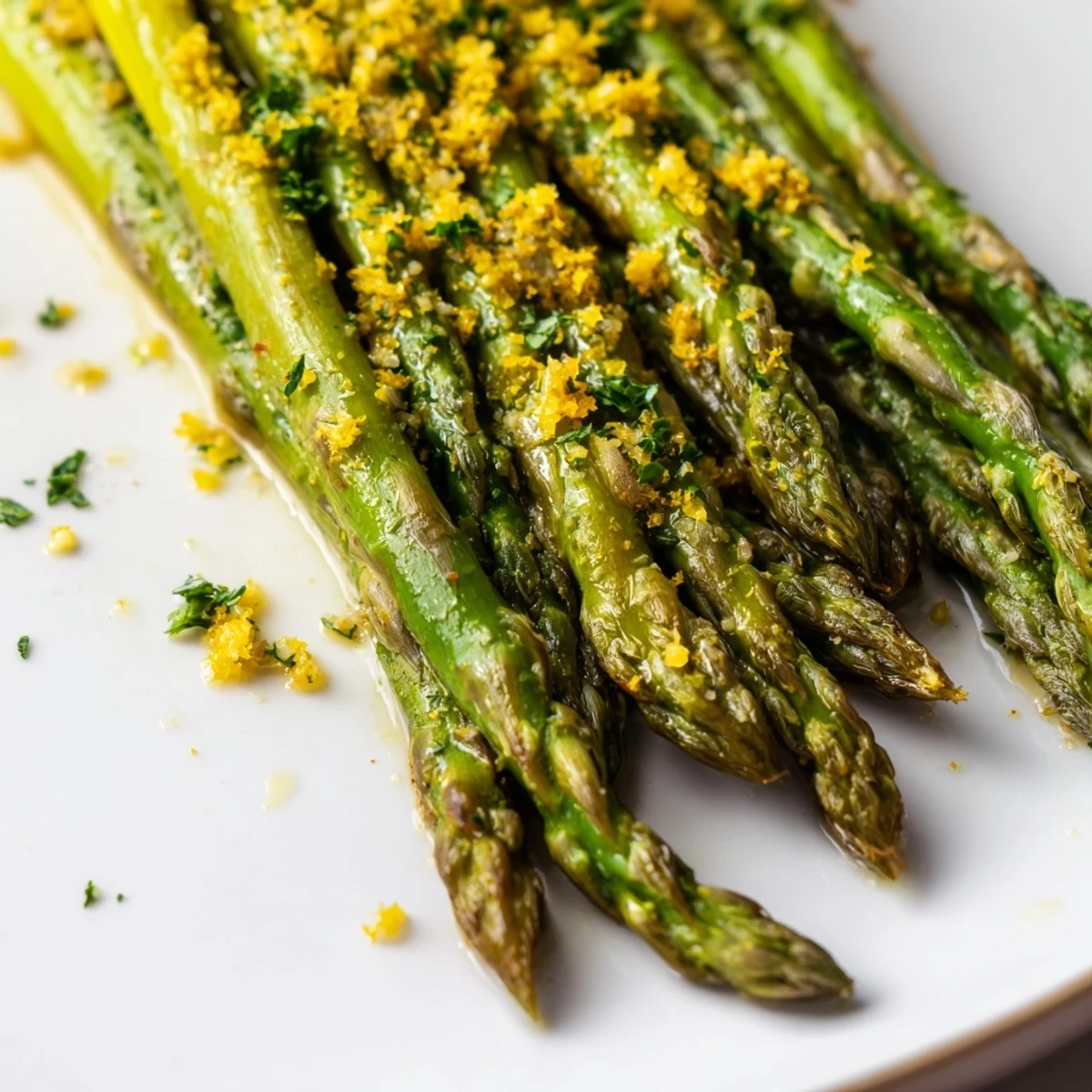
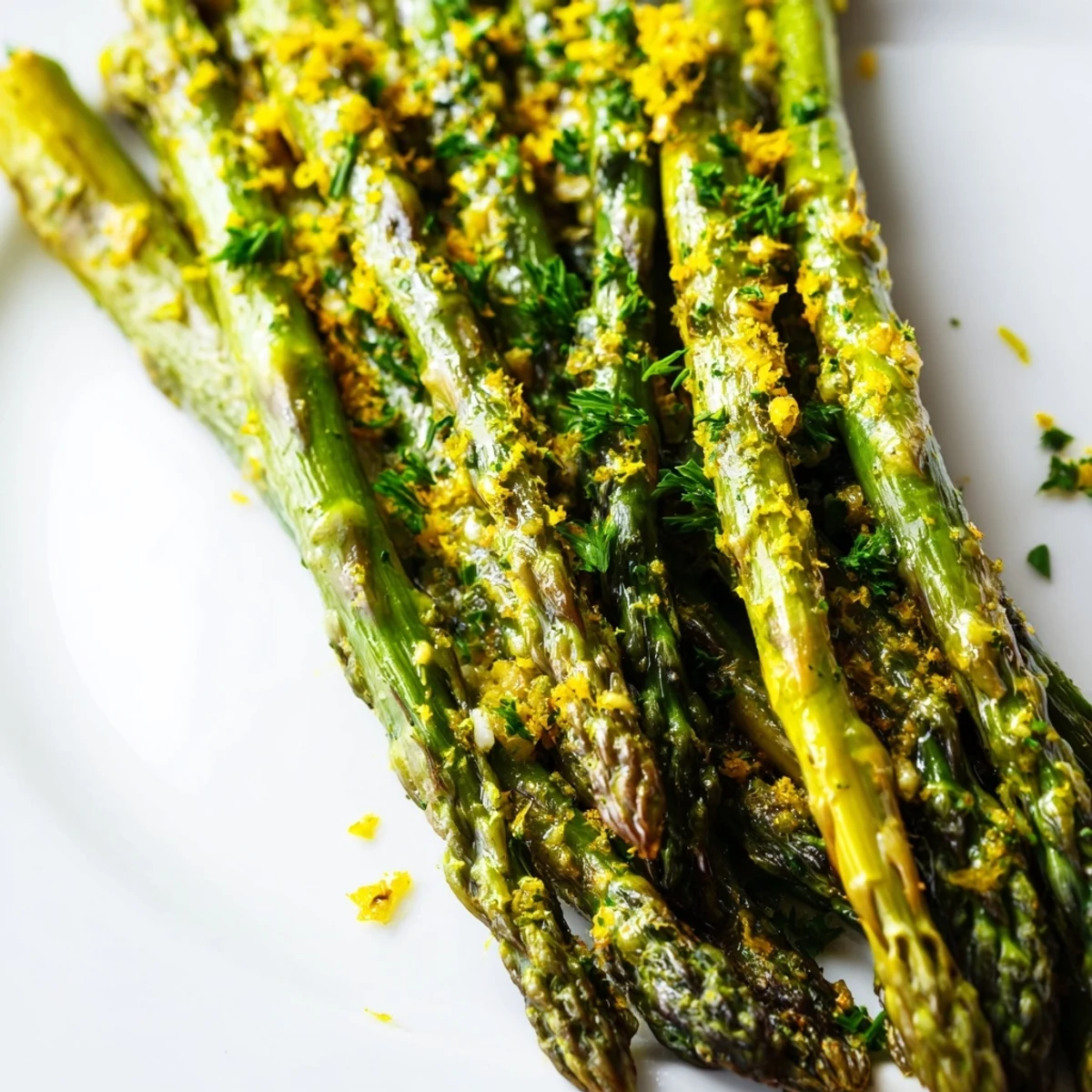
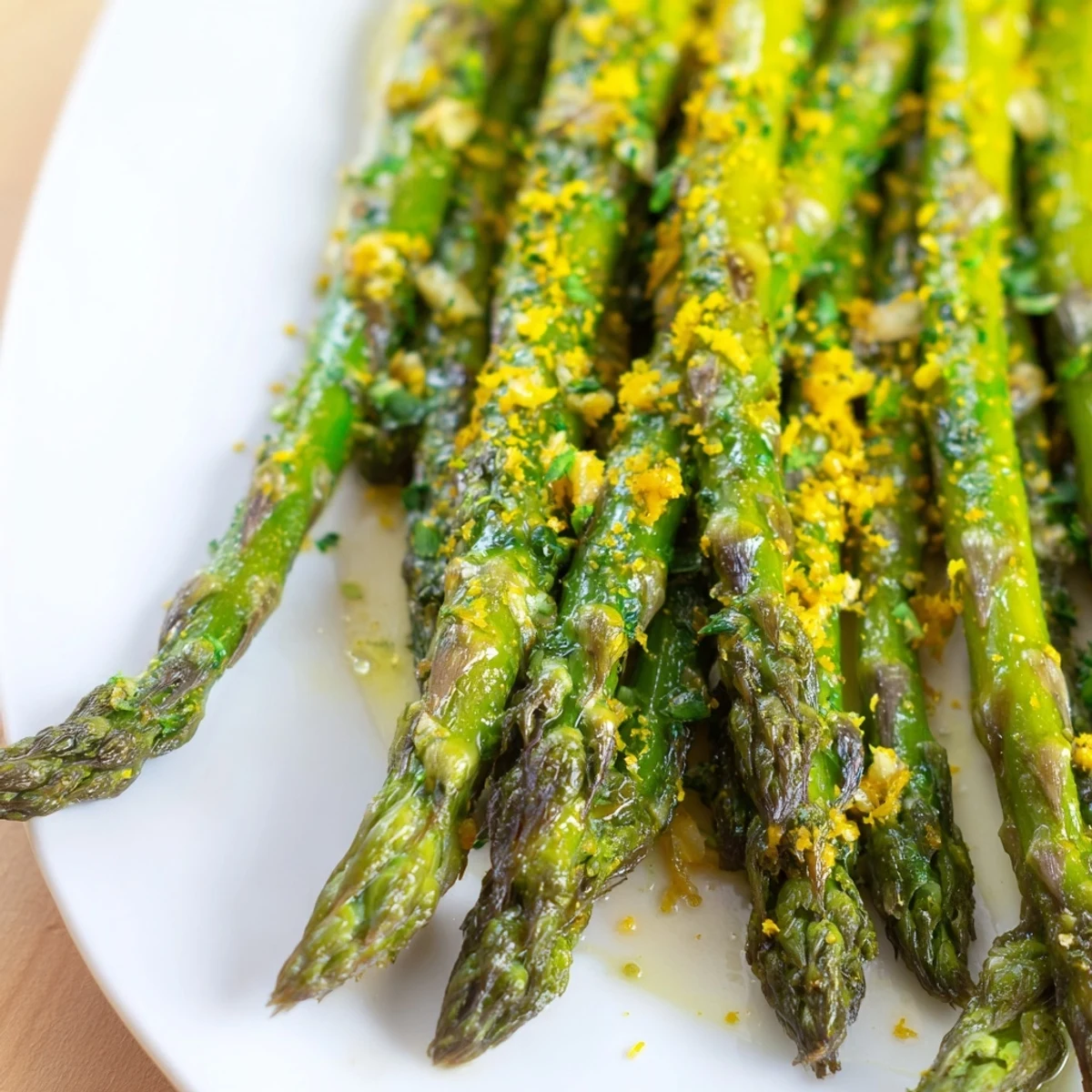
Save This dish features tender asparagus spears roasted until slightly golden, enhanced with freshly minced garlic, sea salt, and black pepper. After roasting, vibrant lemon zest and juice are added for a refreshing citrus brightness, optionally garnished with fresh parsley. The simple preparation and quick roasting time make it ideal for a healthy, flavorful Mediterranean-inspired side that pairs well with grilled proteins.
There's something about spring that makes me crave vegetables again, and one Tuesday evening, my neighbor handed me a bundle of the most vibrant asparagus from her garden. I had no fancy plans—just a hot oven and some lemon sitting on the counter. Twenty minutes later, the smell of roasted garlic had everyone in the kitchen asking what was cooking, and suddenly a simple side dish felt like the star of dinner.
I made this for my partner's coworkers one night when they dropped by unexpectedly, and I remember feeling relieved that something so minimal could feel so intentional. Someone asked for the recipe, and I realized it wasn't even really written down—it was just the thing I'd started making when I wanted asparagus to taste like something worth remembering.
Ingredients
- Fresh asparagus (1 lb): Look for spears that are firm and bright green, not limp or discolored—they should bend slightly without snapping. Trimming the woody ends is essential; bend each spear until it naturally breaks at the point where it stops being tender.
- Extra-virgin olive oil (2 tbsp): This is where quality matters because there's nowhere for mediocre oil to hide. Choose one you'd actually taste on bread, because you'll taste it here too.
- Garlic (2 cloves, minced): Fresh garlic transforms completely when roasted, turning sweet and mellow instead of sharp. Mince it fine so it gets crispy at the edges.
- Sea salt and black pepper: These aren't afterthoughts—they're what draw out the asparagus's own flavor. Use fresh pepper from a grinder if you have one.
- Lemon zest and juice: Add the zest right after roasting while everything's hot so it releases its oils; the juice goes in after so it stays bright and doesn't cook off.
- Fresh parsley (optional): A small handful scattered on top adds a gentle herbal note and makes the dish look alive on the plate.
Instructions
- Get your oven ready:
- Preheat to 425°F and line a baking sheet with parchment paper. This temperature is hot enough to caramelize the asparagus's natural sugars without turning it mushy or bitter.
- Arrange and coat:
- Lay asparagus in a single layer, drizzle with olive oil, scatter minced garlic over everything, then season with salt and pepper. Toss gently with your hands or tongs until every spear is lightly coated—you want the garlic distributed throughout, not clumped in one spot.
- Roast until golden:
- Slide the pan into the oven for 12 to 15 minutes, shaking it halfway through so the bottom doesn't scorch. You're looking for spears that are tender when you poke them but still have some firmness, with golden-brown tips.
- Finish with brightness:
- The moment it comes out, sprinkle lemon zest over the hot asparagus so it wakes up, then drizzle with fresh lemon juice. Toss everything together so the flavors mingle.
- Serve:
- Transfer to a plate, scatter parsley on top if you're using it, and eat while it's warm. The asparagus is best within a few minutes of roasting.
 Save
Save I made this dish for my mother during her visit last fall, and watching her taste it, then immediately ask if I'd learned to cook properly, felt like a small victory. It's one of those recipes that proves simplicity done right tastes better than fussy complication.
Why Roasting Changes Everything
Asparagus has this grassy, slightly mineral quality when it's raw, but heat transforms it into something sweeter and deeper. Roasting in particular caramelizes the natural sugars on the surface, creating small crispy edges that contrast with the tender interior. The high heat also concentrates the vegetable's own flavor instead of diluting it with water, which is what boiling does. That's why this approach tastes so much more like asparagus than any other cooking method I've tried.
The Garlic and Lemon Question
I used to cook the garlic and lemon together until I realized they were fighting for attention instead of complementing each other. Garlic roasted in oil becomes sweet and almost nutty, while lemon is bright and sharp—they need different moments to shine. By adding lemon at the end, you get that fresh zing that keeps the dish from feeling heavy, while the roasted garlic has already melted into the oil and the asparagus.
Variations and What Works
This recipe is naturally adaptable without falling apart. Some nights I add a small pinch of red pepper flakes for warmth, or shave Parmesan cheese over the top if I'm in the mood for something richer. I've also roasted it with a tiny bit of balsamic vinegar drizzled on at the end, which adds a subtle sweetness. The core method stays the same, but these small changes let you shift the mood depending on what you're serving it alongside.
- A light dusting of grated Parmesan or a good pecorino turns this into a more luxurious side dish.
- A small pinch of red pepper flakes adds heat without overpowering the delicate flavors.
- Fresh herbs like tarragon or dill work beautifully if you want to experiment beyond parsley.
 Save
Save This is the kind of recipe that reminds you that vegetables don't need much to shine when you treat them with a little intention. Make it when you want to feel like you've cooked something real without spending your whole evening in the kitchen.
Recipe FAQs
- → What is the best way to trim asparagus for roasting?
-
Hold the asparagus spear near the base and bend it gently until it snaps; it naturally breaks where the woody part ends.
- → Can I use frozen asparagus instead of fresh?
-
Fresh asparagus yields the best texture and flavor when roasted; frozen may become too soft and less flavorful.
- → How do lemon zest and juice enhance the asparagus flavor?
-
The zest adds aromatic oils and brightness, while the juice provides a tangy freshness that balances the roasted garlic and olive oil.
- → What is the ideal roasting temperature and time?
-
Roast at 425°F (220°C) for about 12–15 minutes until asparagus is tender and slightly golden.
- → Can I add cheese or other seasonings for variation?
-
Yes, a sprinkle of grated Parmesan adds richness, and red pepper flakes can bring a spicy kick.