
 Save
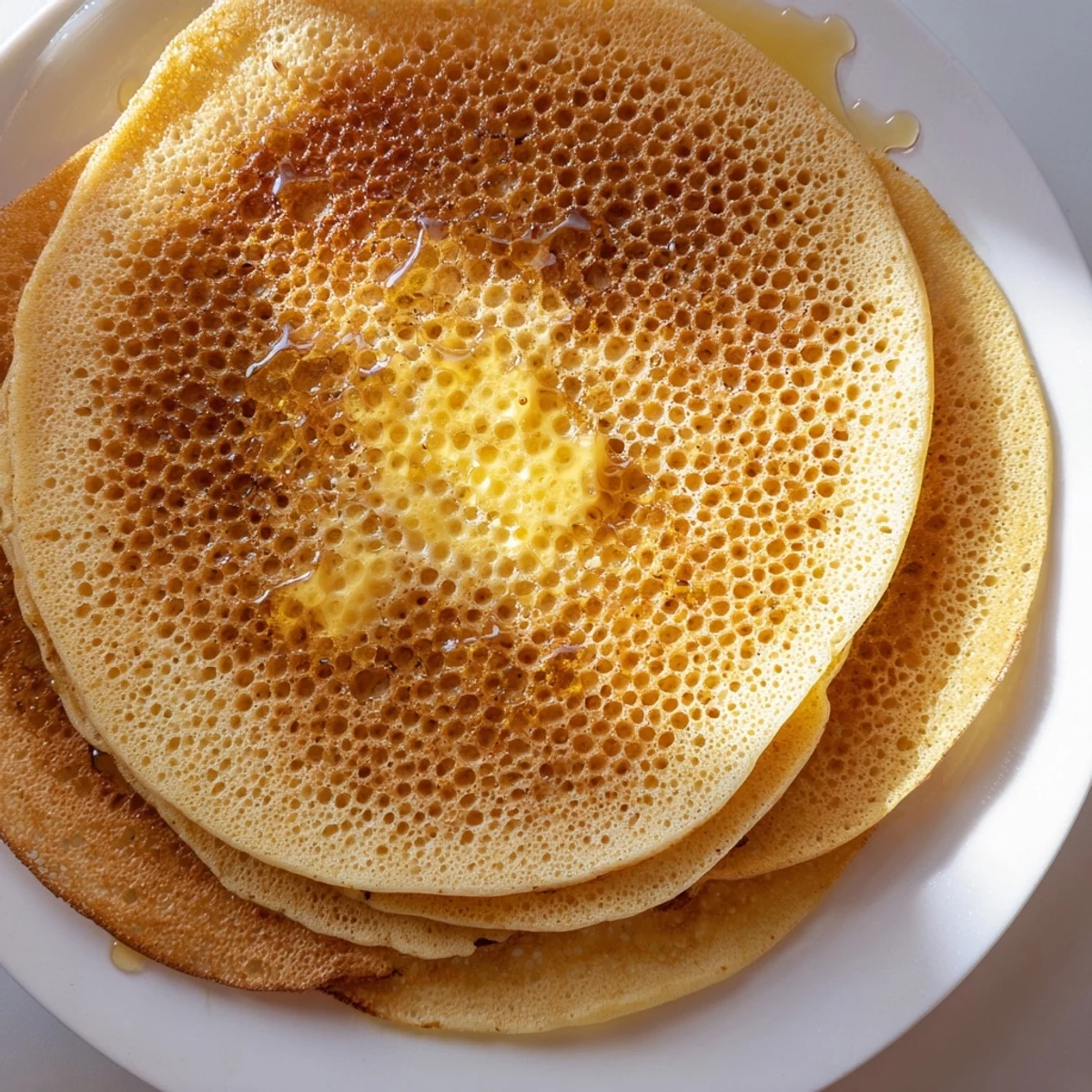
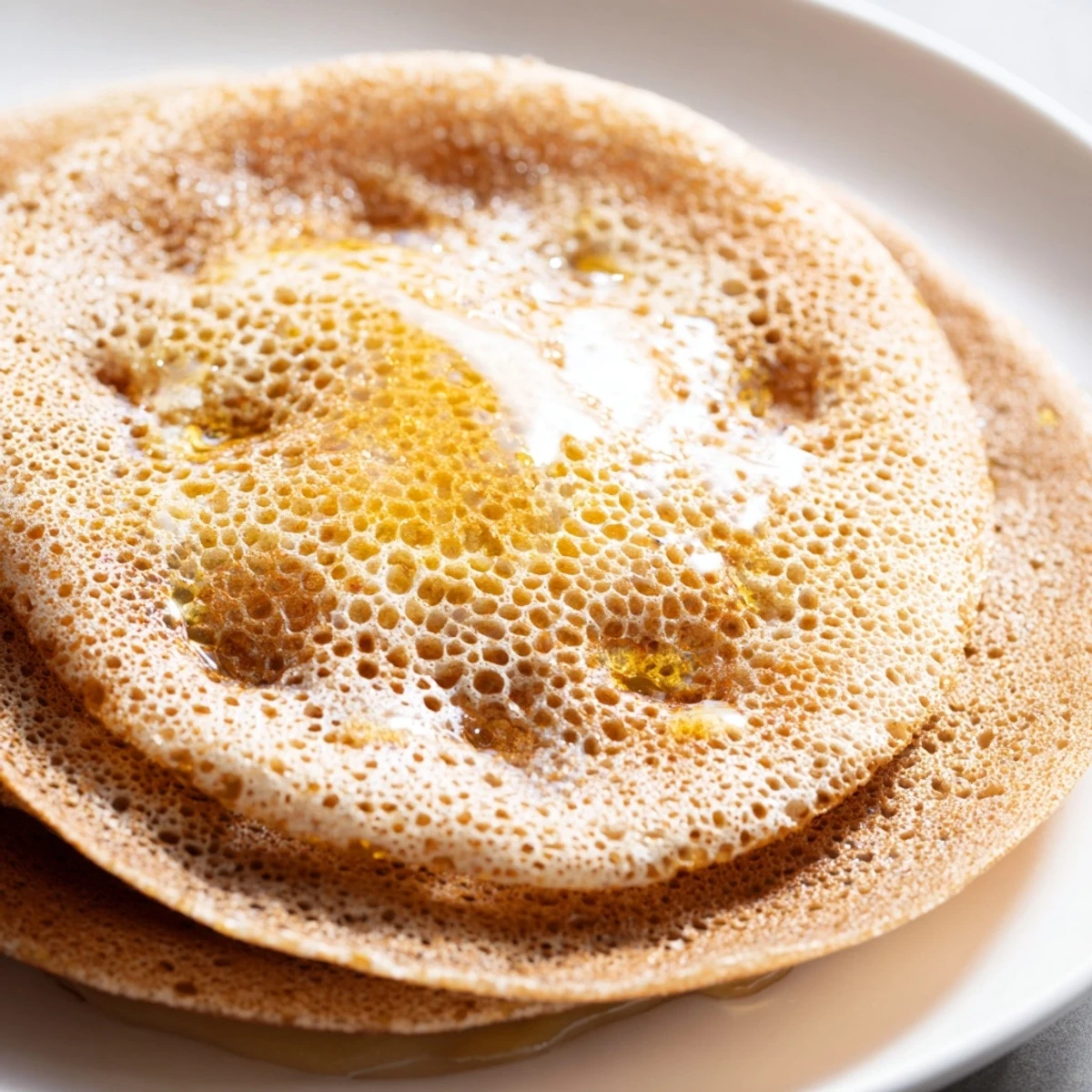
Save These beloved Moroccan breakfast delights feature a distinctive honeycomb appearance achieved through a unique yeast-leavened batter. The semolina-based mixture creates incredibly soft, airy pancakes that cook only on one side until covered with tiny bubbles. Traditionally enjoyed warm with melted butter and honey, they also pair beautifully with jam, date syrup, or chopped nuts. The versatile batter comes together in minutes and requires just 30 minutes of resting time for optimal bubble formation.
The first time I watched my neighbor make these on her tiny gas stove, I was convinced something had gone wrong. The batter bubbled violently, yet she never flipped them, just slid them onto a cloth like they were precious. When she handed me one dripping with butter and honey, I understood this was breakfast magic.
Last winter during a snowstorm, I made triple batch for the kids trapped inside with me. Something about watching the bubbles form and hearing them hiss on the pan made the house feel cozy despite the weather outside. Now they request them whenever the first flakes start falling.
Ingredients
- Fine semolina: This creates the signature spongy texture regular flour cant achieve alone
- All-purpose flour: Provides structure so the pancakes hold together when you add the toppings
- Instant yeast: Works quickly without proofing, giving you those characteristic bubbles
- Baking powder: Ensures the batter stays light even after resting period
- Sugar: Just enough to balance the savory semolina without making them dessert-sweet
- Salt: Essential for bringing out all the flavors, never skip this
- Lukewarm water: Activates the yeast while keeping the batter pourable and smooth
- Unsalted butter: Melted and drizzled, it seeps into every single hole
- Honey: Traditional pairing that complements the subtle nuttiness of semolina
Instructions
- Whisk the dry blend together:
- Combine semolina, flour, instant yeast, baking powder, sugar, and salt in a large bowl until everything is evenly distributed
- Add water gradually:
- Pour in lukewarm water slowly while whisking, breaking up any lumps until completely smooth
- Let the bubbles form:
- Cover and rest for 30 minutes at room temperature until tiny bubbles cover the surface and batter looks foamy
- Heat your pan:
- Warm a non-stick skillet over medium heat until a drop of water sizzles and dances across the surface
- Pour and wait:
- Ladle about 1/4 cup batter per pancake, letting it spread naturally without touching or tilting the pan
- Cook just one side:
- Wait until the surface is covered in holes and batter looks dry and matte, about 2 minutes
- Keep them warm:
- Transfer to a kitchen towel and cover while repeating with remaining batter, stirring occasionally between pancakes
- Serve immediately:
- Drizzle generously with melted butter and honey while still warm
 Save
Save My daughter now makes these for her college roommates, texting me photos of imperfect bubbles with prouder captions than any academic achievement. Some recipes teach us to cook, others teach us to share what we love.
Getting The Texture Right
The batter should be thinner than American pancake batter but thicker than crepe batter, roughly the consistency of heavy cream. Too thick and the holes wont break through, too thin and theyll spread into thin, fragile sheets that tear when you try to lift them.
Serving Variations
Moroccan families often set out small bowls of different toppings and let everyone customize. Date syrup brings a deep, molasses-like sweetness while orange blossom water honey adds floral notes. chopped pistachios or almonds add crunch contrast to the soft pancakes.
Make Ahead Strategy
The batter actually improves after an overnight rest in the refrigerator, developing slightly fermented tang. In the morning, let it come to room temperature for 20 minutes and stir gently before cooking. You can also freeze cooked pancakes between parchment paper, reheating them in a warm oven for 3 minutes.
- Stack pancakes with parchment between layers to prevent sticking
- Reheat in a 300F oven for 3 minutes until warmed through
- Never microwave or they become tough and rubbery
 Save
Save These pancakes have a way of turning ordinary mornings into something worth savoring.
Recipe FAQs
- → What makes baghrir different from regular pancakes?
-
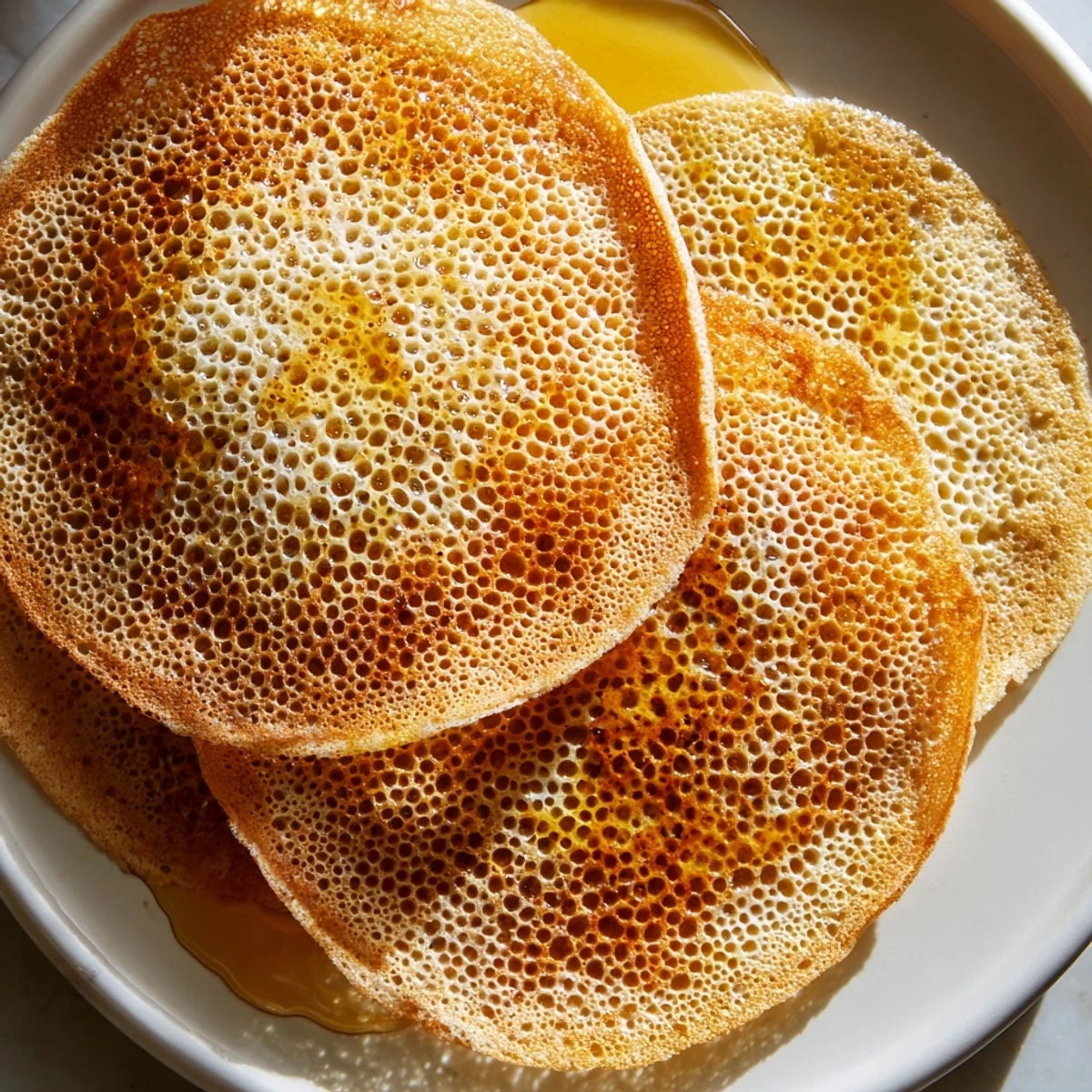
Baghrir features a unique honeycomb texture created by yeast and baking powder, resulting in countless small bubbles across the surface. Unlike American pancakes, these cook only on one side and have a much lighter, spongier consistency similar to crepes.
- → Why shouldn't I flip baghrir while cooking?
-
Baghrir cooks on one side only to preserve the characteristic bubble holes that form on top. Flipping would collapse these air pockets and eliminate the signature honeycomb texture that makes these Moroccan pancakes unique.
- → Can I make baghrir ahead of time?
-
The batter benefits from resting at least 30 minutes and can be refrigerated overnight for even better bubble formation. Cooked baghrir keeps well covered at room temperature for several hours and reheat easily in a warm skillet.
- → What can I serve with baghrir besides butter and honey?
-
Traditional toppings include melted butter with honey, but variations feature jam, date syrup, maple syrup, Nutella, or olive oil. Chopped nuts, fresh fruit, or sweetened cream cheese also make delicious accompaniments.
- → Why is my batter not forming bubbles?
-
Insufficient resting time prevents proper bubble development. Let the batter rest at least 30 minutes at room temperature until you see bubbles forming on the surface. Using lukewarm water and fresh yeast also ensures optimal fermentation.
- → Can I make baghrir vegan?
-
Simply substitute plant-based butter or olive oil for dairy butter, and use maple syrup or agave instead of honey. The batter itself is naturally vegan, containing only semolina, flour, yeast, and water.