
 Save
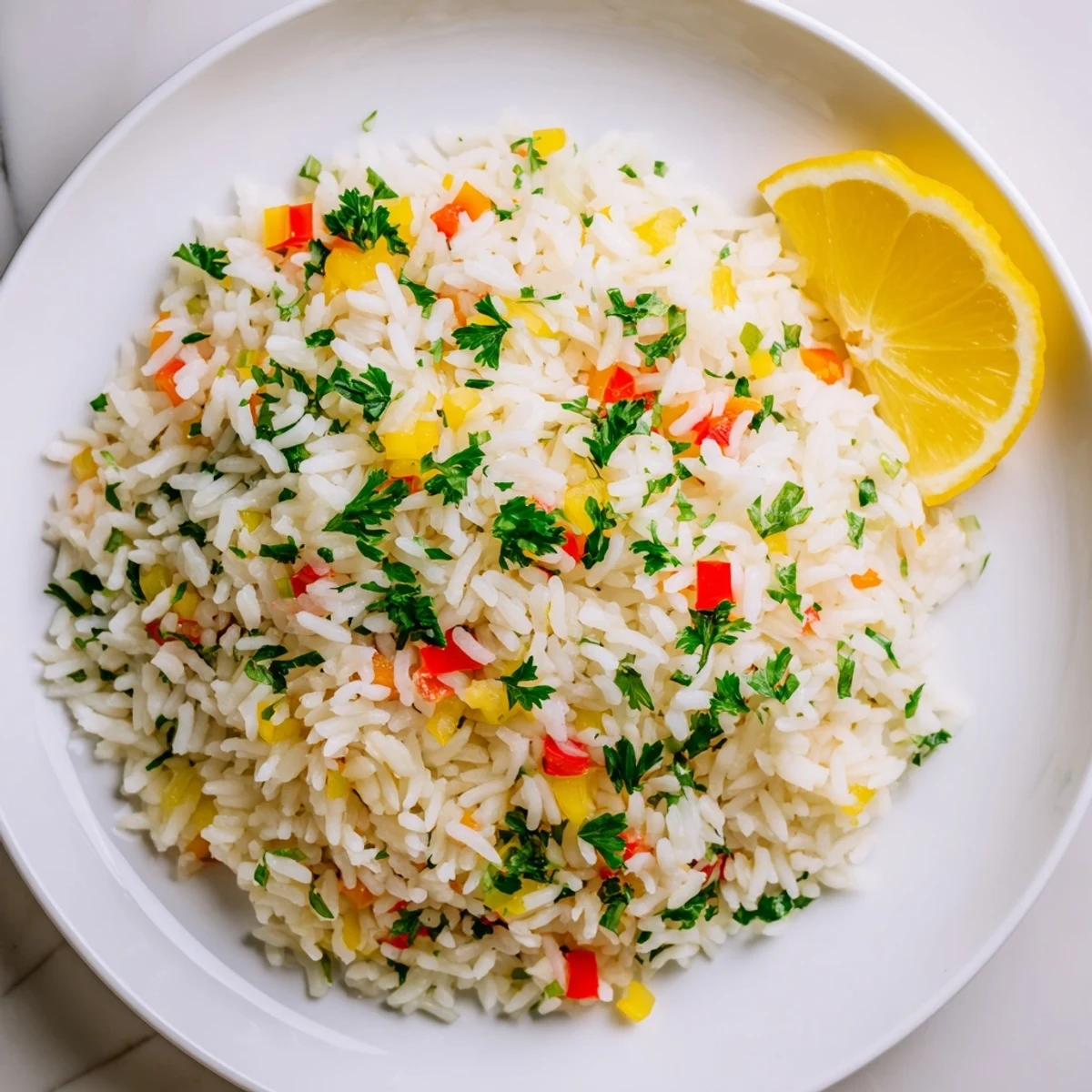
Save This vibrant pilaf blends long-grain rice with sautéed yellow onion and diced red and green bell peppers for a fragrant, flavorful dish. Garlic enhances its aroma while vegetable broth and herbs like thyme and bay leaf add subtle depth. Cooked gently until tender, the pilaf is finished with fresh parsley and lemon wedges for brightness. Its easy preparation and gluten-free, vegetarian nature make it a versatile addition to Mediterranean-inspired meals, pairing well with a variety of proteins or standing alone as a satisfying light course.
The smell of peppers and onions hitting hot oil takes me back to my first apartment, where I made this rice pilaf on repeat because it felt fancy without requiring any actual skill. My roommate would hover around the kitchen asking if it was done yet, the aromas filling our tiny space like an invitation to dinner. Back then I had no idea that properly toasting the rice in the oil before adding liquid was what made restaurant pilaf taste so distinctive. Now this recipe lives in my back pocket for those nights when something simple needs to taste special.
Last summer I served this at a rooftop dinner party alongside grilled vegetables and hummus. My friend Sarah, who claims she hates rice as a side dish, went back for seconds and actually asked for the recipe before she even left. There is something about the way the peppers retain a slight sweetness while the rice gets fluffy and separate that makes people reconsider their relationship with rice pilaf.
Ingredients
- 1 medium yellow onion, finely chopped: Yellow onions become sweet and mellow when sautéed, forming the flavor base that makes this dish so comforting
- 1 red bell pepper and 1 green bell pepper, diced: Using two colors adds visual appeal and subtle flavor differences, with red bringing sweetness and green contributing a slight grassy note
- 2 cloves garlic, minced: Add this toward the end of vegetable cooking so it does not burn or become bitter
- 1 cup long-grain white rice, rinsed: Basmati or jasmine work beautifully here, and rinsing removes excess starch for fluffier results
- 2 cups vegetable broth: Use a good quality broth you would drink on its own since it provides most of the seasoning
- 2 tbsp olive oil: This coats the rice grains for that characteristic pilaf texture where each grain stands separate
- 1 tsp salt, 1/4 tsp black pepper, and 1/2 tsp dried thyme: Thyme adds an earthy Mediterranean note that ties everything together
- 1 bay leaf: A classic pilaf addition that adds subtle depth, removed before serving
- Fresh parsley and lemon wedges for garnish: These bright touches wake up the finished dish and add a pop of color
Instructions
- Sauté the aromatics:
- Heat olive oil in your saucepan over medium heat and cook the chopped onion for 2 to 3 minutes until it turns translucent and fragrant
- Add the peppers:
- Stir in the diced peppers and cook for another 3 to 4 minutes until they are tender but still retain some bite
- Bloom the garlic:
- Toss in the minced garlic and cook for just 30 seconds until you catch its aroma, being careful not to let it darken
- Toast the rice:
- Add the rinsed rice and stir constantly for 1 to 2 minutes until the grains look slightly opaque and smell nutty
- Add the liquid and seasonings:
- Pour in the vegetable broth, then add the salt, pepper, thyme, and bay leaf, stirring to combine everything
- Simmer to perfection:
- Bring to a gentle boil, then reduce heat to low, cover tightly, and simmer for 15 to 18 minutes until all liquid is absorbed
- Rest before serving:
- Remove from heat and let stand covered for 5 minutes, then discard the bay leaf and fluff gently with a fork before garnishing
 Save
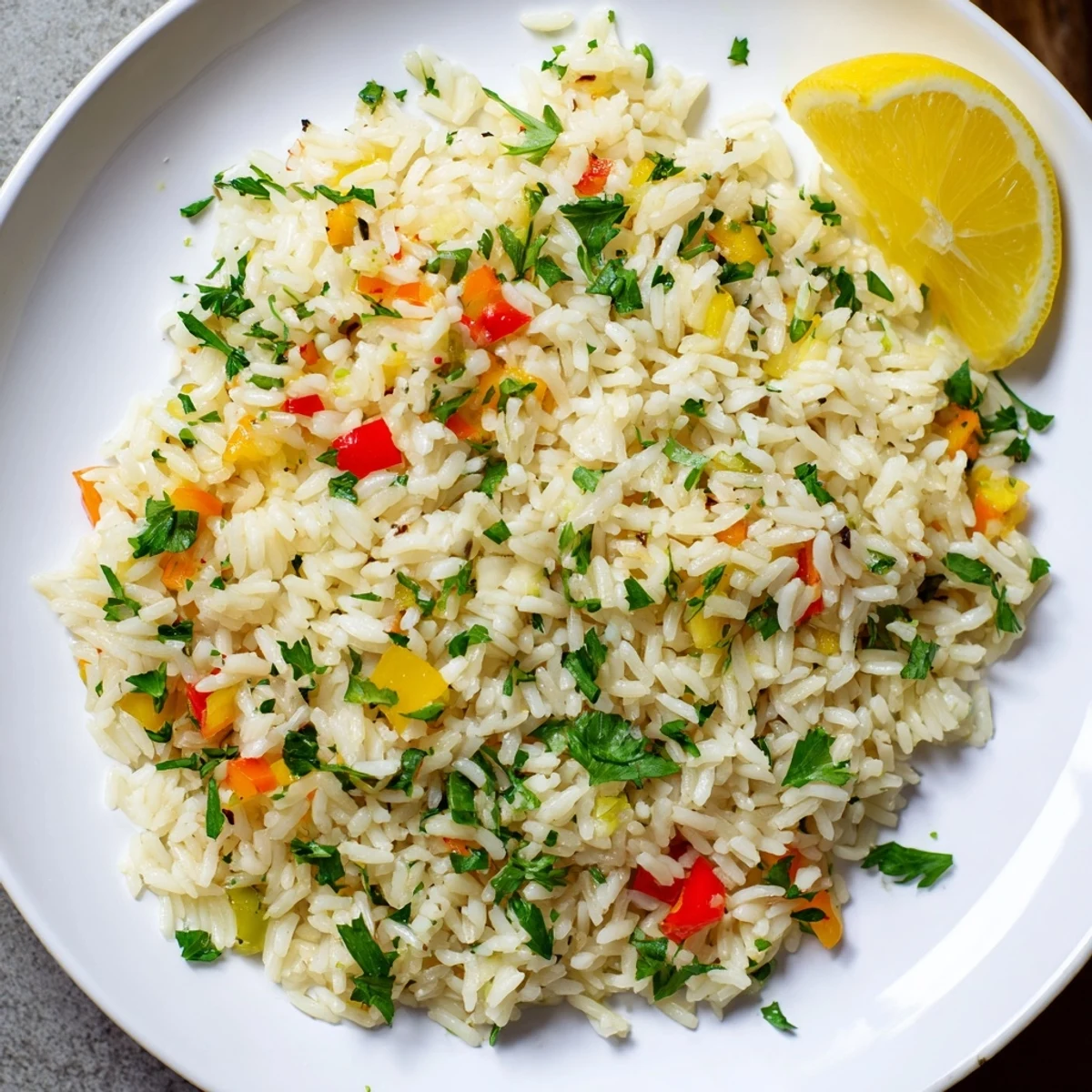
Save This recipe has become my go-to contribution to potlucks because it travels well and appeals to almost everyone. Something about the colorful peppers flecked through the rice makes people assume it took much more effort than it actually did. I love dishes that give back more than you put in.
Building Flavor Layers
Taking the time to toast the rice in oil before adding any liquid transforms it from plain boiled rice into something with nutty depth and texture. The grains develop a slight crispness at their edges while staying fluffy inside, which is what makes restaurant pilaf so distinctive. This step takes barely two minutes but makes all the difference in the final result.
Customization Ideas
The basic technique works beautifully with whatever vegetables you have on hand or need to use up. I have made versions with diced carrots, frozen peas, even corn when that was what the crisper drawer demanded. The method stays the same while the flavors shift with the seasons.
Serving Suggestions
This pilaf holds its own as a light main course for lunch, especially topped with a fried egg or some chickpeas. For dinner, it pairs beautifully with simply roasted chicken, grilled fish, or as part of a larger Mediterranean spread. The leftovers reheat beautifully with a splash of water to loosen the grains.
- Try stirring in a handful of baby spinach right after fluffing so it wilts gently from the residual heat
- A splash of white wine in the broth adds brightness and complexity
- Toasted pine nuts or slivered almonds sprinkled on top add welcome crunch
 Save
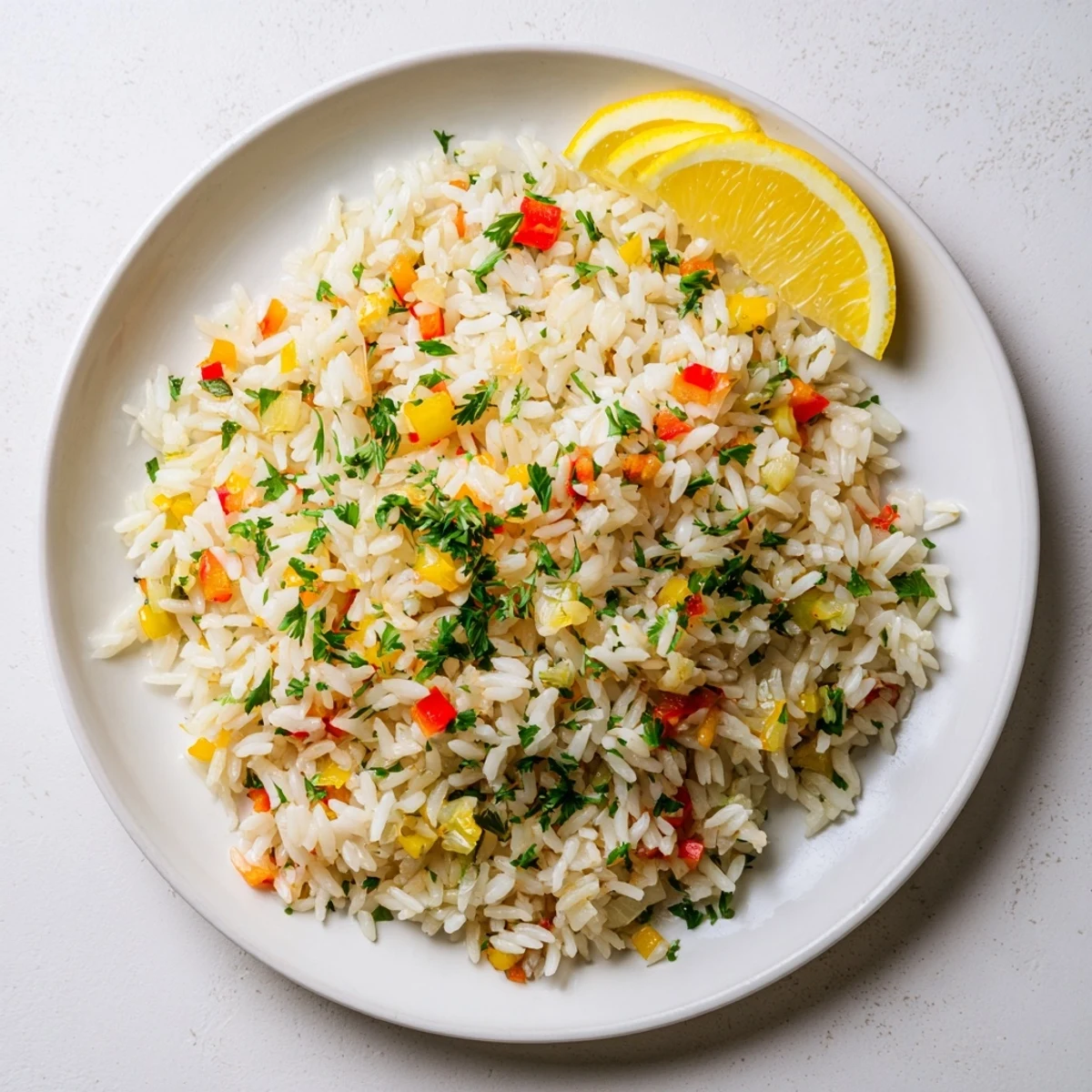
Save Simple rice does not have to be boring, and this recipe proves that a few thoughtful techniques and fresh vegetables can transform something humble into a dish worth lingering over. Enjoy every colorful forkful.
Recipe FAQs
- → What type of rice works best for this pilaf?
-
Long-grain rice varieties such as basmati or jasmine are ideal for their fluffy texture and aromatic qualities.
- → Can other vegetables replace the bell peppers?
-
Yes, colorful options like carrots or peas work well and add unique flavors and textures.
- → Is it important to sauté the rice before adding broth?
-
Toasting rice briefly in olive oil enhances its nuttiness and improves overall flavor.
- → What herbs complement this pilaf?
-
Thyme and bay leaf add subtle herbal notes; parsley garnish brightens the final dish.
- → How can I add color to the pilaf?
-
A pinch of saffron or turmeric can be stirred in for a warm golden hue and extra aroma.