
 Save
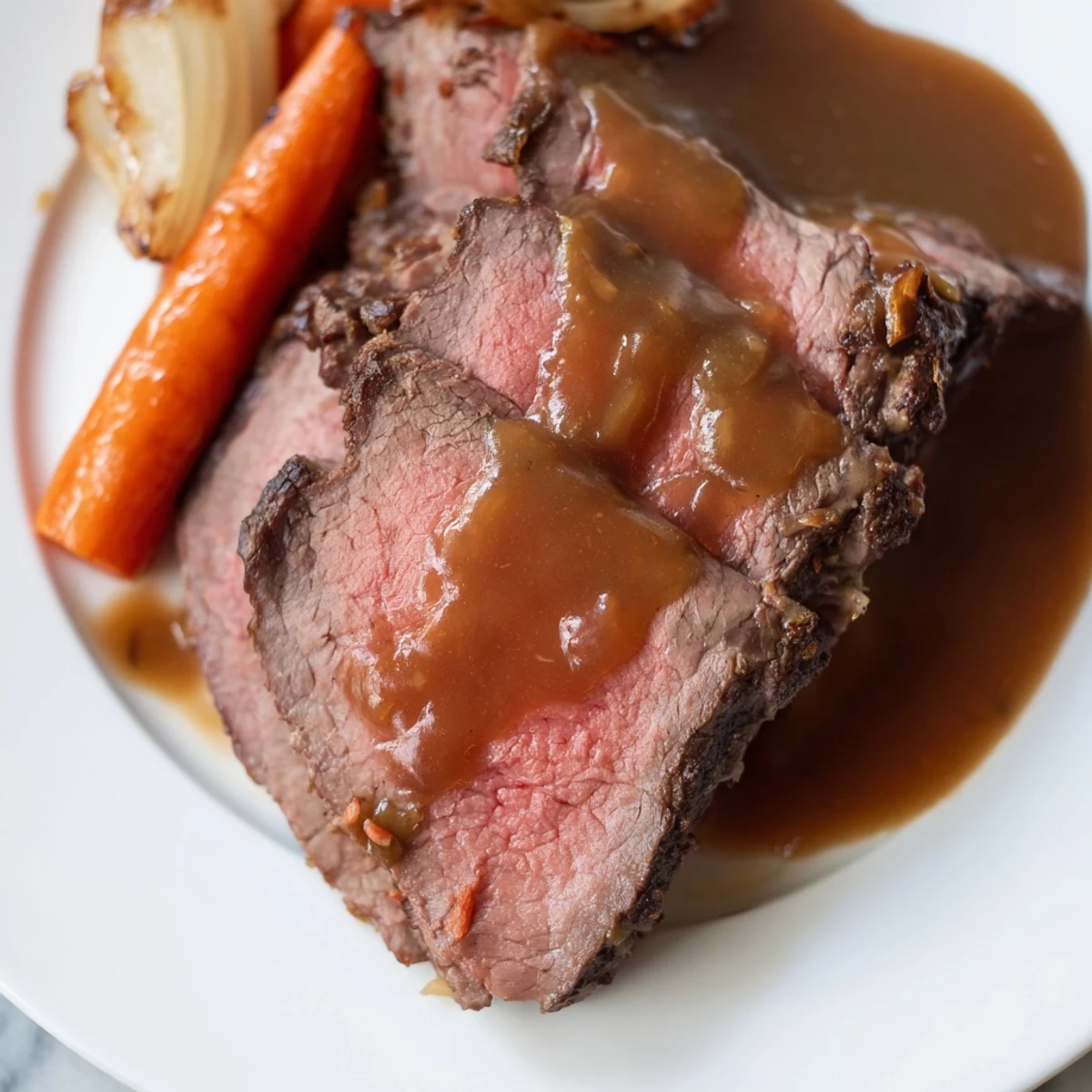
Save This dish features a succulent beef roast seasoned with herbs and garlic, slow-cooked to tender perfection. Roasted alongside onions, carrots, and celery, it delivers rich, natural flavors. The savory gravy is crafted by deglazing the pan, combined with butter, flour, beef stock, and optional red wine for depth. Resting the meat before slicing ensures juicy, flavorful servings perfect for special meals or Sunday dinners.
There's something about the smell of beef roasting that fills a kitchen with a kind of quiet confidence. Years ago, my uncle taught me that a proper roast isn't about fancy techniques or complicated steps—it's about respecting the meat and letting time do the work. That first Sunday I made this for my own table, I was terrified I'd overcook it, but the smell alone told me everything was going right.
I made this for my partner's family the first time we spent Christmas together, and honestly, I was sweating more than the beef was cooking. But when I pulled it from the oven and started slicing, everyone went quiet in that way that means you've done something right. That roast became the thing people still ask about.
Ingredients
- Beef sirloin or rib roast (1.5 kg): The cut matters more than people think—sirloin is leaner and roasts evenly, while rib has more marbling and stays juicier, so pick based on what you prefer.
- Olive oil (2 tbsp): This creates the crust that locks in everything good.
- Kosher salt and freshly ground black pepper: Don't skip the fresh pepper; it tastes completely different from the pre-ground stuff.
- Fresh rosemary and thyme (2 sprigs each): These should smell bright and alive—if they smell musty, they're past their prime.
- Garlic cloves (4), smashed: Smashing them releases more flavor than mincing.
- Onions, carrots, and celery (2 large of each, cut into chunks): These become almost sweet as they roast alongside the beef, and they're the foundation of your gravy.
- Unsalted butter and all-purpose flour (2 tbsp each): The butter makes the roux taste like actual food, not cardboard, and the flour thickens without lumps if you cook it right.
- Beef stock (500 ml): Use the good stuff if you can—it makes a real difference in the gravy.
- Dry red wine (125 ml, optional): A decent wine, nothing you wouldn't drink, adds depth that's hard to describe but impossible to ignore.
Instructions
- Get your oven ready and prep the beef:
- Heat the oven to 220°C (425°F). Pat the beef completely dry with paper towels—this is when you'll notice if you've got a good cut. Rub it generously with olive oil, salt, and pepper, making sure the seasoning gets into all the nooks.
- Build your roasting foundation:
- Scatter the onions, carrots, and celery across the bottom of a large roasting pan. These are your flavor base and they'll eventually become part of the gravy. Lay the beef on top and tuck the rosemary, thyme, and smashed garlic around it like you're tucking it in.
- Blast it with high heat, then let it settle:
- Roast at the high temperature for 20 minutes to develop a brown crust. Then lower the heat to 180°C (350°F) and keep going for 70 to 80 minutes. The beef is done when a thermometer reads 54°C (130°F) for medium-rare—if you like it more cooked, aim for 60°C.
- Let it rest before carving:
- This is the hardest part because it smells so good you want to cut into it immediately, but don't. Transfer the beef to a cutting board, tent it loosely with foil, and let it sit for 20 minutes while you make the gravy.
- Build the gravy:
- Remove the herbs from the roasting pan and spoon off most of the fat, keeping about 2 tablespoons of the browned bits. Set the pan over medium heat, add butter, then whisk in flour to form a smooth paste that looks like wet sand. Let it cook for 2 minutes until it stops smelling raw.
- Finish the gravy with liquid and flavor:
- Gradually whisk in beef stock and wine, scraping up all those caramelized bits stuck to the pan—that's flavor you don't want to waste. Simmer for 5 to 7 minutes, stirring occasionally, until it coats the back of a spoon. Strain if you want it silky, or leave it chunky if you like texture.
- Bring it all together:
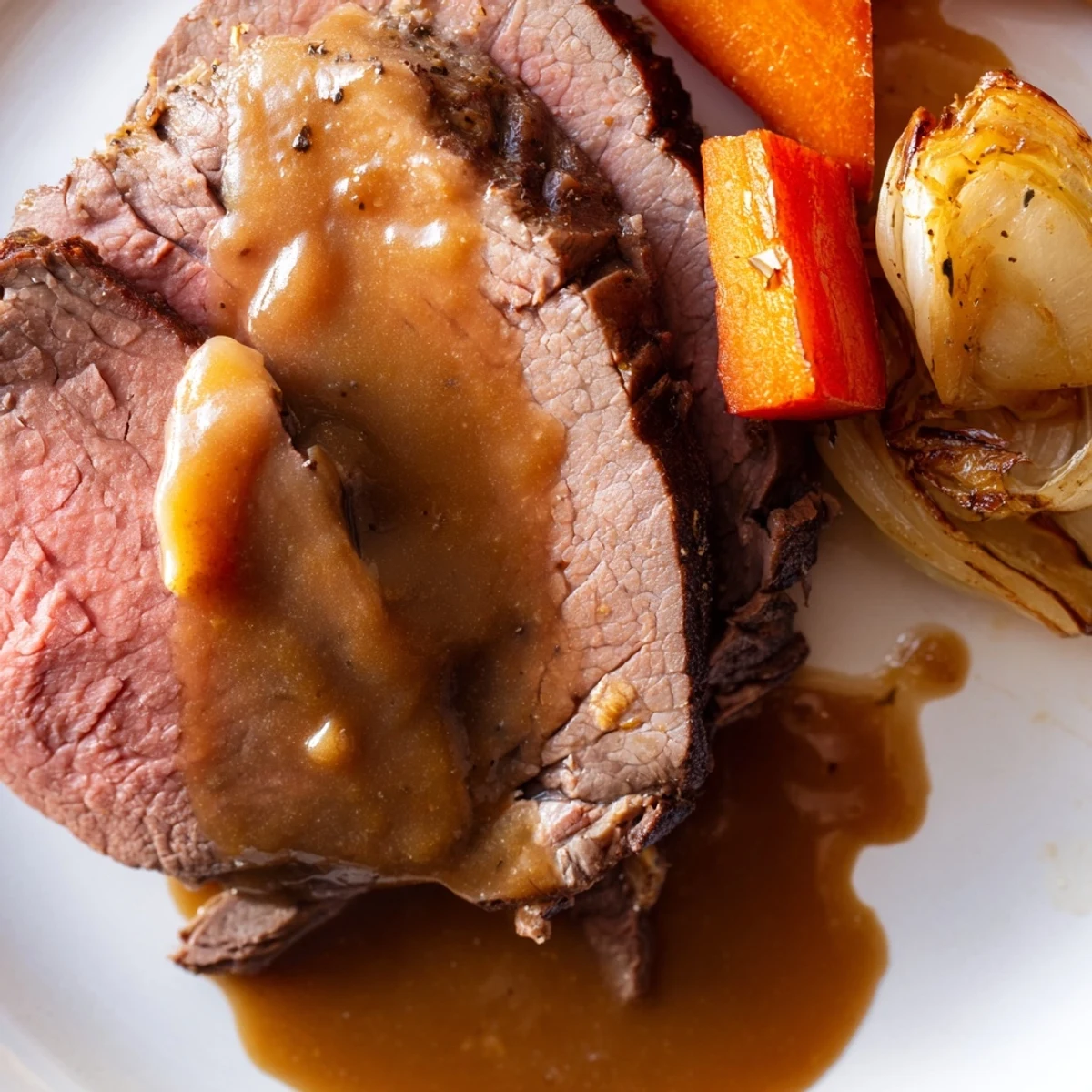
- Slice the beef against the grain with a sharp knife. Arrange it on a platter with the roasted vegetables and serve the gravy alongside. Pour it generously.
 Save
Save My mom used to make this for holidays, and I remember feeling like a real cook the day she let me make the gravy while she carved. There's something grounding about standing at the stove with a whisk, watching something transform from separate ingredients into something silky and whole.
Choosing Your Beef Cut
The difference between sirloin and rib roast matters more than most home cooks realize. Sirloin roasts lean and even, which makes it forgiving if you're worried about overcooking, and it slices cleanly without much effort. Rib roast has more fat running through it, which means it stays juicier and more forgiving if you accidentally cook it a few degrees hotter, and the meat tastes richer, but it needs a sharper knife to slice neatly. I usually pick rib when I'm cooking for people I'm trying to impress, and sirloin when I just want something reliable.
Vegetables Matter More Than You'd Think
Those onions, carrots, and celery aren't just there to fill space—they become the soul of your gravy. As they roast, their sugars caramelize and their edges char slightly, adding sweetness and depth that you can't get from stock alone. Some people strain them out of the final gravy, but I've started leaving them in because they're soft and delicious and they remind you that this all came from one pan.
Making It Your Own
This recipe is sturdy enough to take on variations without falling apart. Some people add a splash of balsamic vinegar to the gravy for extra depth, while others prefer a splash of brandy instead of wine for a different kind of richness. A few hours before cooking, you can rub the beef with crushed garlic and herbs and let it sit uncovered in the fridge—the meat dries out slightly on the surface, which makes for an even better crust. Whatever you do, taste the gravy before serving and adjust the seasoning one more time.
- Consider marinating the beef overnight with extra herbs and garlic for deeper flavor.
- If you want Yorkshire pudding alongside, prepare the batter while the beef rests.
- Leftover beef makes the best cold sandwiches the next day, especially with a dollop of the gravy on fresh bread.
 Save
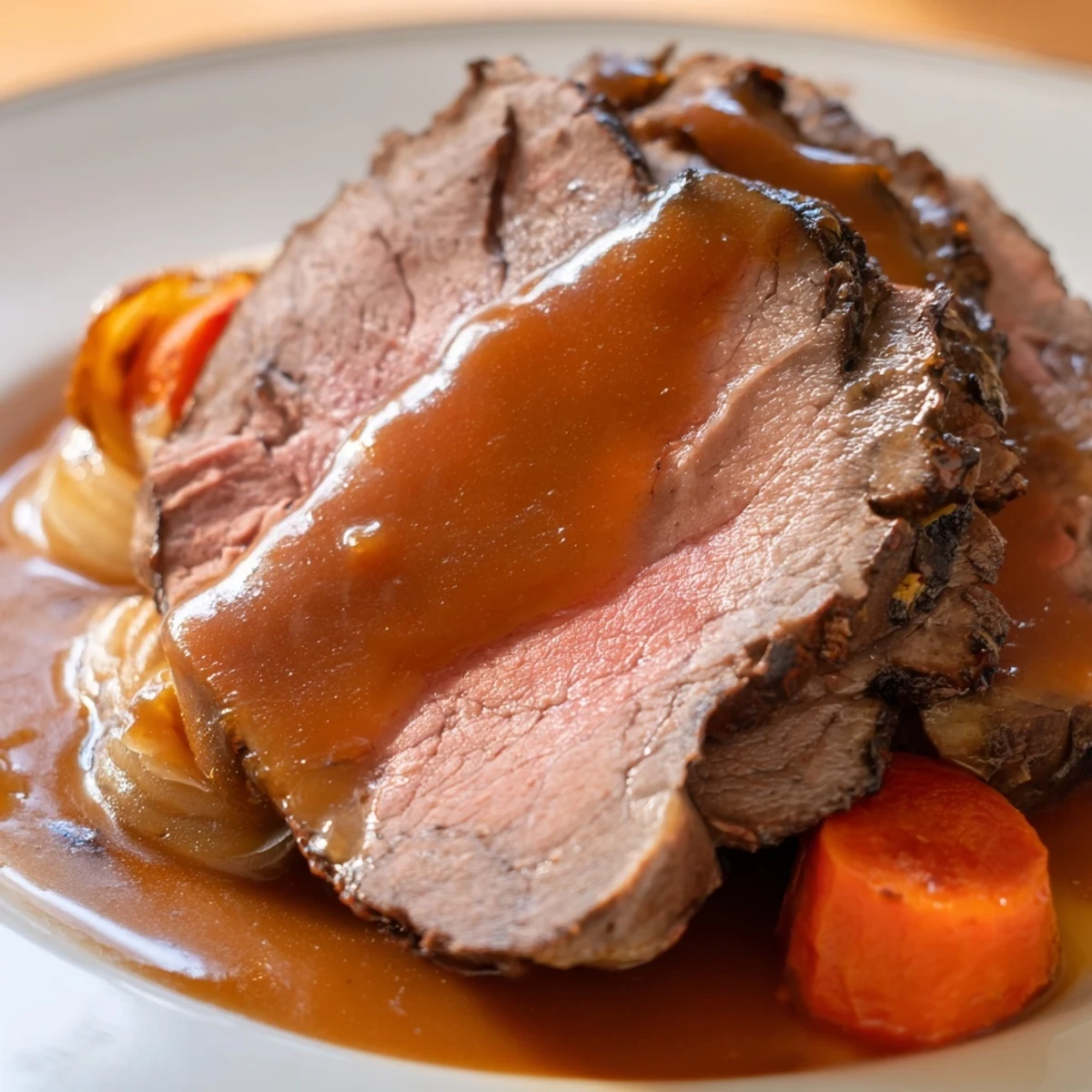
Save There's a reason roasted beef with gravy has stayed on tables for generations. It's the kind of food that makes people linger at the dinner table a little longer.
Recipe FAQs
- → How do I ensure the beef is tender and juicy?
-
Pat the beef dry before seasoning and roast it initially at high heat to sear, then lower temperature to cook gently. Resting the meat after cooking helps redistribute juices for tenderness.
- → Can I make the gravy gluten-free?
-
Yes, use gluten-free flour in place of all-purpose flour when making the roux to keep the gravy gluten-free without sacrificing texture.
- → What herbs work best with roasted beef?
-
Fresh rosemary and thyme complement the beef's rich flavor, enhancing aroma and depth during roasting.
- → Is it necessary to use red wine in the gravy?
-
The red wine adds a subtle depth and richness but can be omitted if preferred. The gravy will still be flavorful using just beef stock.
- → How long should I rest the beef after roasting?
-
Rest the beef for about 20 minutes tented with foil to allow juices to settle, ensuring moist and tender slices.