
 Save
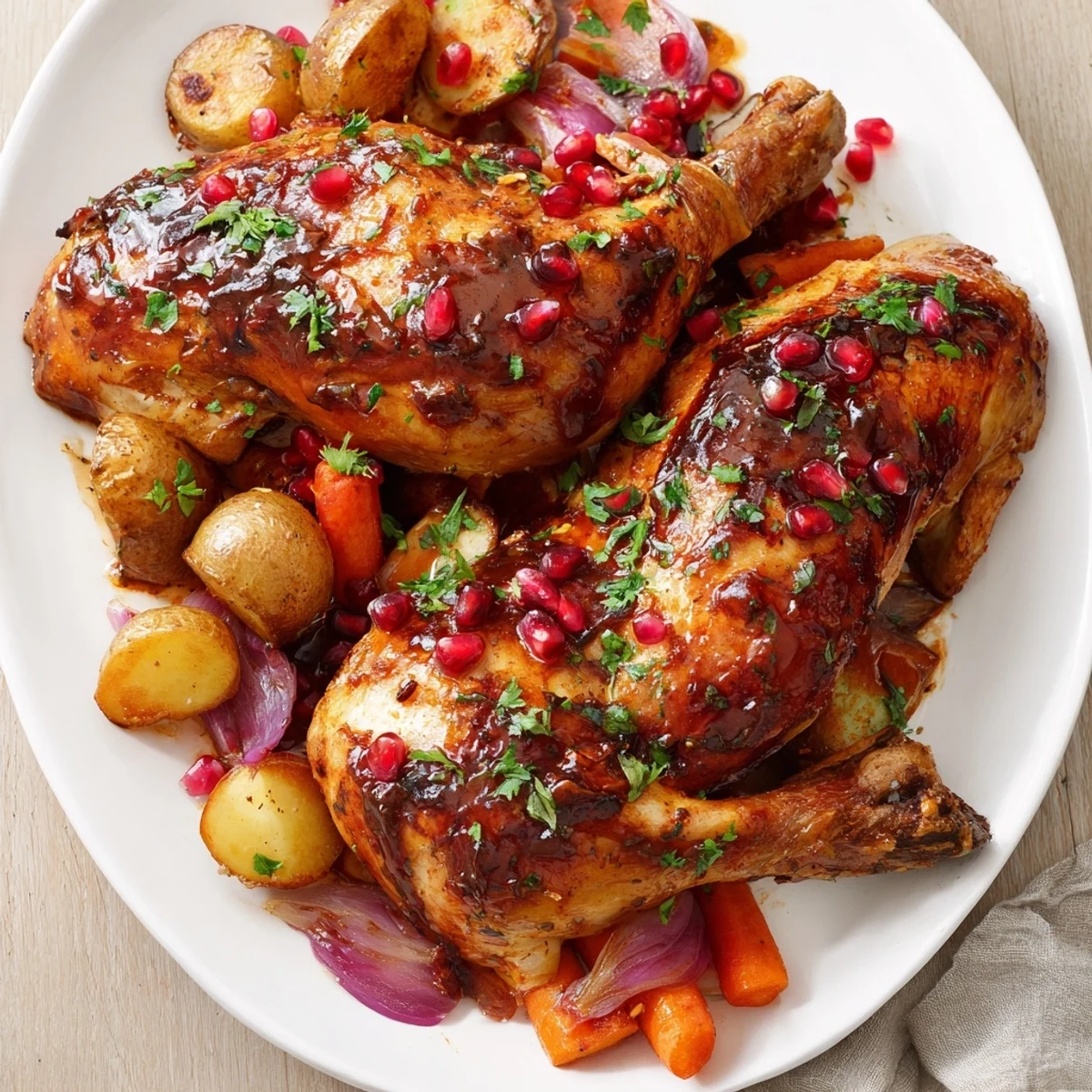
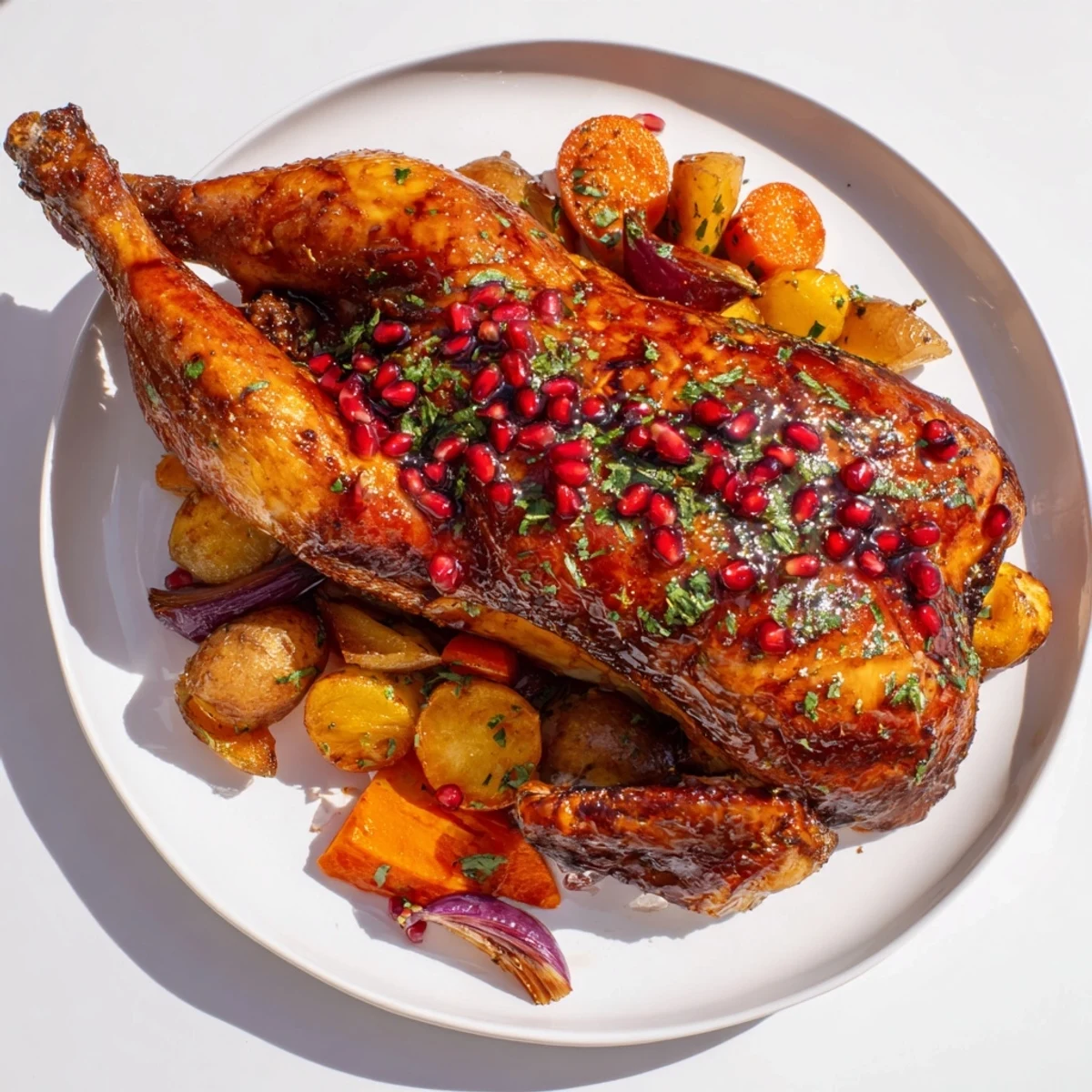
Save This dish features a whole chicken rubbed with olive oil, salt, and pepper, then glazed with a tangy blend of pomegranate molasses, honey, garlic, and spices. Roasted alongside carrots, red onions, and baby potatoes, the chicken develops a golden crust while remaining juicy inside. The roasted vegetables absorb the flavors of the glaze, creating a perfect balance. Garnished with fresh pomegranate seeds and parsley, this flavorful meal highlights Middle Eastern-inspired ingredients and cooking techniques for a memorable main course.
I still remember the first time I tasted pomegranate molasses at my grandmother's kitchen table on a warm evening in Damascus. The chicken was perfectly golden, its skin crackling slightly as she carved it, and the glaze had this mesmerizing balance of sweet and tart that made every bite feel like a small revelation. Years later, I finally convinced her to teach me her method, and now whenever I roast a chicken this way, I'm transported back to that moment—the late afternoon light streaming through lace curtains, the smell of spices filling the air, and the quiet joy of sharing something truly special with the people I love.
I made this for a dinner party once when I was nervous about impressing some friends I'd just met. I prepped everything that afternoon, brushed on that glossy glaze, and let the oven do the work while we sat with wine and conversation. When I brought the platter to the table—the chicken burnished golden, those pomegranate seeds catching the light like little rubies—the whole room went quiet for just a moment. That's when I knew this recipe was special. It looks like you spent hours in the kitchen, but it's honest, forgiving, and genuinely delicious.
Ingredients
- 1 whole chicken (about 1.5 kg), patted dry: Patting the chicken completely dry is the secret to crispy skin—any moisture will steam rather than roast, so use paper towels and don't skip this step even though it feels fussy.
- 2 tbsp olive oil (for chicken): Good quality olive oil helps the skin brown evenly and adds subtle richness to every bite.
- 1½ tsp kosher salt: Kosher salt has larger crystals and distributes more evenly than table salt, giving you better seasoning control.
- ½ tsp freshly ground black pepper: Fresh pepper makes a real difference—pre-ground loses its volatile oils and becomes dusty.
- 4 tbsp pomegranate molasses: This is the star ingredient, the thing that makes people lean in and ask what that incredible tangy-sweet note is; find it in Middle Eastern markets or specialty sections.
- 2 tbsp honey: The honey rounds out the brightness of the pomegranate molasses and helps create that glossy glaze.
- 2 garlic cloves, finely minced: Minced small means the garlic becomes part of the glaze rather than distinct pieces.
- 1 tsp ground cumin: Cumin is warm and earthy—it's what makes this taste authentically Middle Eastern rather than just any roasted chicken.
- ½ tsp ground cinnamon: Just a whisper of cinnamon adds a subtle warmth and complexity that people can't quite name.
- ½ tsp smoked paprika: The smokiness deepens the flavor profile and adds color to the glaze.
- 1 tbsp lemon juice: Fresh lemon juice brightens everything and keeps the glaze from being too heavy.
- 3 medium carrots, peeled and cut into chunks: Carrots take longer to roast than potatoes, so cutting them larger helps everything finish at the same time.
- 2 red onions, cut into wedges: Red onions become sweet and mild when roasted, and their color makes the platter beautiful.
- 500 g baby potatoes, halved: Halving them helps them cook faster and increases the surface area for caramelization.
- 2 tbsp olive oil (for vegetables): This ensures the vegetables get properly coated and roast rather than steam.
- ½ tsp salt and ½ tsp black pepper (for vegetables): Season separately from the chicken so you can control the overall saltiness.
- Seeds from ½ pomegranate: These add a burst of tartness, a pop of color, and a beautiful texture contrast.
- 2 tbsp chopped fresh parsley: The fresh herb brightens everything and adds a clean finish to the rich, sweet-spiced chicken.
Instructions
- Prepare your workspace and heat the oven:
- Preheat your oven to 200°C (400°F). While it's heating, position your rack in the middle of the oven so the chicken roasts evenly. Get your roasting pan with rack ready—this setup lets air circulate underneath, which is how you get that crispy skin.
- Mix your magic glaze:
- In a bowl, whisk together the pomegranate molasses, honey, minced garlic, cumin, cinnamon, smoked paprika, and lemon juice. Taste it if you're brave—it should make your mouth pucker slightly before the honey and spices round it out. This is the heart of the entire dish.
- Prepare the chicken:
- Make absolutely sure your chicken is patted dry—I cannot stress this enough. Place it on the rack in your roasting pan, then rub it all over with olive oil, salt, and pepper. It should look shiny and well-coated, ready to turn golden.
- Arrange the vegetables:
- Place your carrot chunks, red onion wedges, and halved potatoes around the chicken. Drizzle them with olive oil, sprinkle with salt and pepper, and toss them around with your hands until everything is coated and looks happy.
- Begin the roasting:
- Brush half of your glaze generously over the chicken, making sure to coat the breasts and thighs. Save that remaining glaze for later—it's going to add another layer of flavor partway through.
- First roast:
- Slide everything into the oven. You're looking at 35 minutes here. Don't open the door constantly, but after about 25 minutes, you can peek. The chicken should be starting to turn golden.
- Glaze and stir:
- Remove the pan from the oven carefully. Brush that reserved glaze all over the chicken—this second coat is what gives you that beautiful mahogany finish. Give your vegetables a good stir with a wooden spoon so they cook evenly and don't stick.
- Final roast:
- Return to the oven for another 15 minutes. Start checking the chicken at about 12 minutes by inserting a meat thermometer into the thickest part of the thigh, not touching bone. You're looking for 75°C (165°F). The skin should be crackling and deeply golden.
- Rest the chicken:
- Remove the pan from the oven and let everything sit for 10 minutes. This is not optional—resting allows the juices to redistribute through the meat, keeping it tender and moist when you carve. While it rests, you can plate your vegetables and take a breath.
- Finish and serve:
- Carve your chicken and arrange it on a platter with the roasted vegetables. Scatter the pomegranate seeds across everything—they're tart little jewels that cut through the richness. Finish with a generous handful of fresh parsley for brightness and color.
 Save
Save There's a moment when you pull this out of the oven and see how golden it's turned, how the glaze has created this deep mahogany finish, when you know you've made something that tastes as good as it looks. I think that's when cooking stops being just following a recipe and becomes something worth doing again and again.
About Pomegranate Molasses
Pomegranate molasses is what changed my cooking forever. It's not made from fresh pomegranate juice necessarily—it's a concentrated, reduced syrup that's tangy, slightly bitter, and deeply complex. In Middle Eastern cuisine, it's used like we might use lemon juice or vinegar, but it brings this rounded sweetness that creates depth. Once you have a bottle in your pantry, you'll find yourself using it on roasted vegetables, in marinades, whisked into vinaigrettes, and drizzled over yogurt. It's become one of those ingredients I can't imagine cooking without.
Building Flavor Layers
What makes this dish special is that you're not just relying on the chicken itself—you're building flavor in layers. The initial rub creates a base, the first glaze brushing adds flavor partway through when the chicken is partially cooked, and the second brushing creates that final lacquered finish. The vegetables roast alongside, picking up all these flavors and contributing their own caramelized sweetness. Every component becomes part of a larger conversation about how spices, acidity, and heat work together.
Serving and Pairing Ideas
This chicken is forgiving and works beautifully with so many accompaniments. I love serving it with warm flatbread to soak up any pan juices, and a crisp green salad with lemon vinaigrette cuts through the richness perfectly. As for wine, a dry rosé has just enough body to stand up to the spices without overwhelming the dish, and a light red wine like Pinot Noir brings out the pomegranate notes. If you want to get creative, a ginger-infused white wine or even a slightly off-dry Riesling can work if you enjoy sweeter pairings.
- Serve with extra pomegranate molasses on the side for those who want to deepen the flavors even further.
- Leftover chicken shreds beautifully and makes incredible sandwiches or grain bowls the next day—even better, actually, as the flavors deepen overnight.
- If you're cooking for guests with dietary restrictions, this recipe is naturally dairy-free, gluten-free if you serve it without bread, and has no major allergens.
 Save
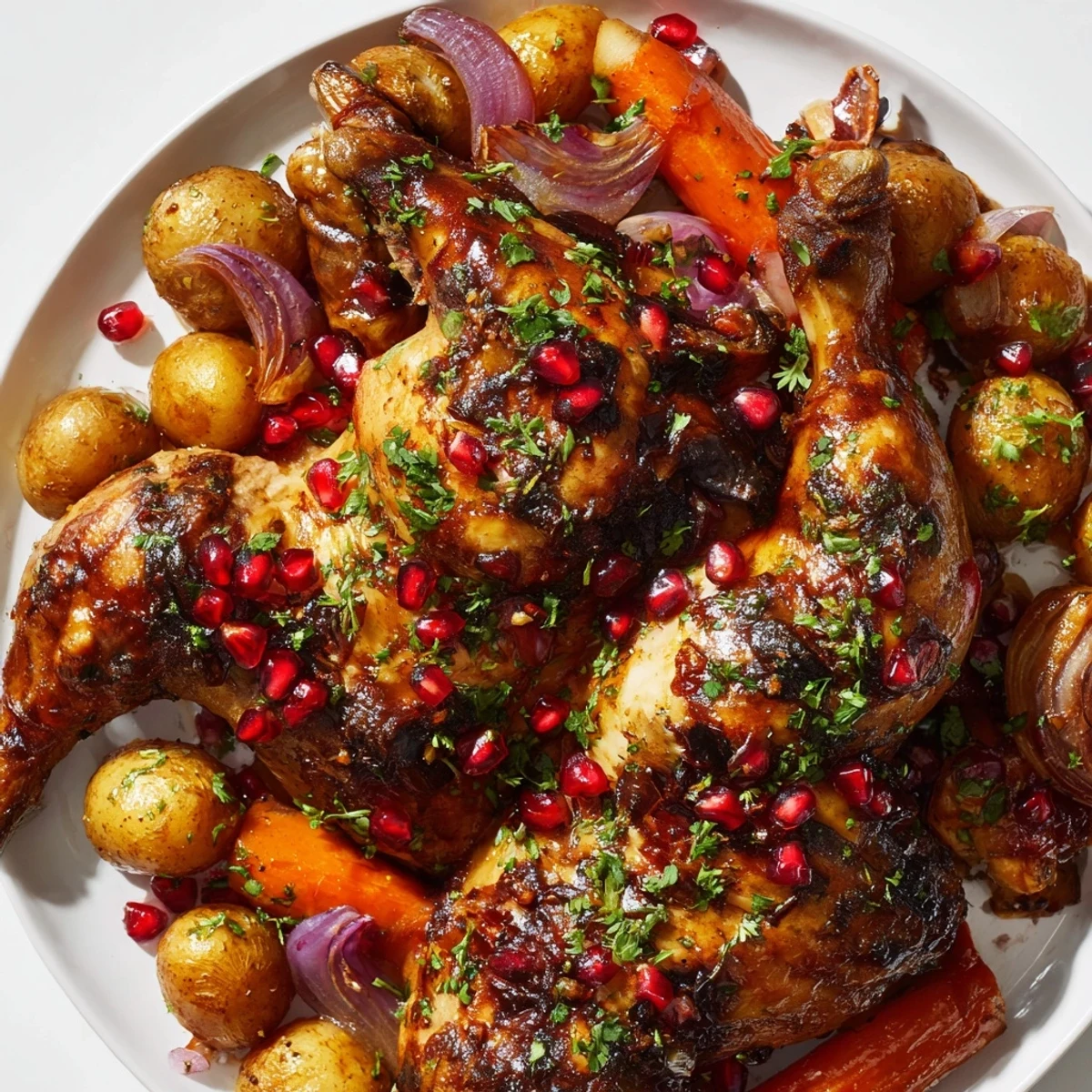
Save Every time I make this chicken, I'm reminded why simple recipes executed with care and quality ingredients matter so much. This is the kind of dish you make when you want to feel like yourself in the kitchen and still have everyone asking for the recipe afterward.
Recipe FAQs
- → What temperature should the oven be preheated to?
-
Preheat the oven to 200°C (400°F) for optimal roasting results.
- → How do I ensure the chicken stays juicy while roasting?
-
Brush the chicken with the pomegranate glaze halfway through roasting and rest it for 10 minutes before carving to retain moisture.
- → Can I substitute the vegetables in this dish?
-
Yes, sweet potatoes or parsnips can replace carrots for a different flavor profile.
- → How can I make the glaze spicier?
-
Add a pinch of chili flakes to the glaze mixture to introduce extra heat.
- → How do I know when the chicken is fully cooked?
-
The chicken is done when a thermometer inserted into the thickest part reaches 75°C (165°F).