
 Save
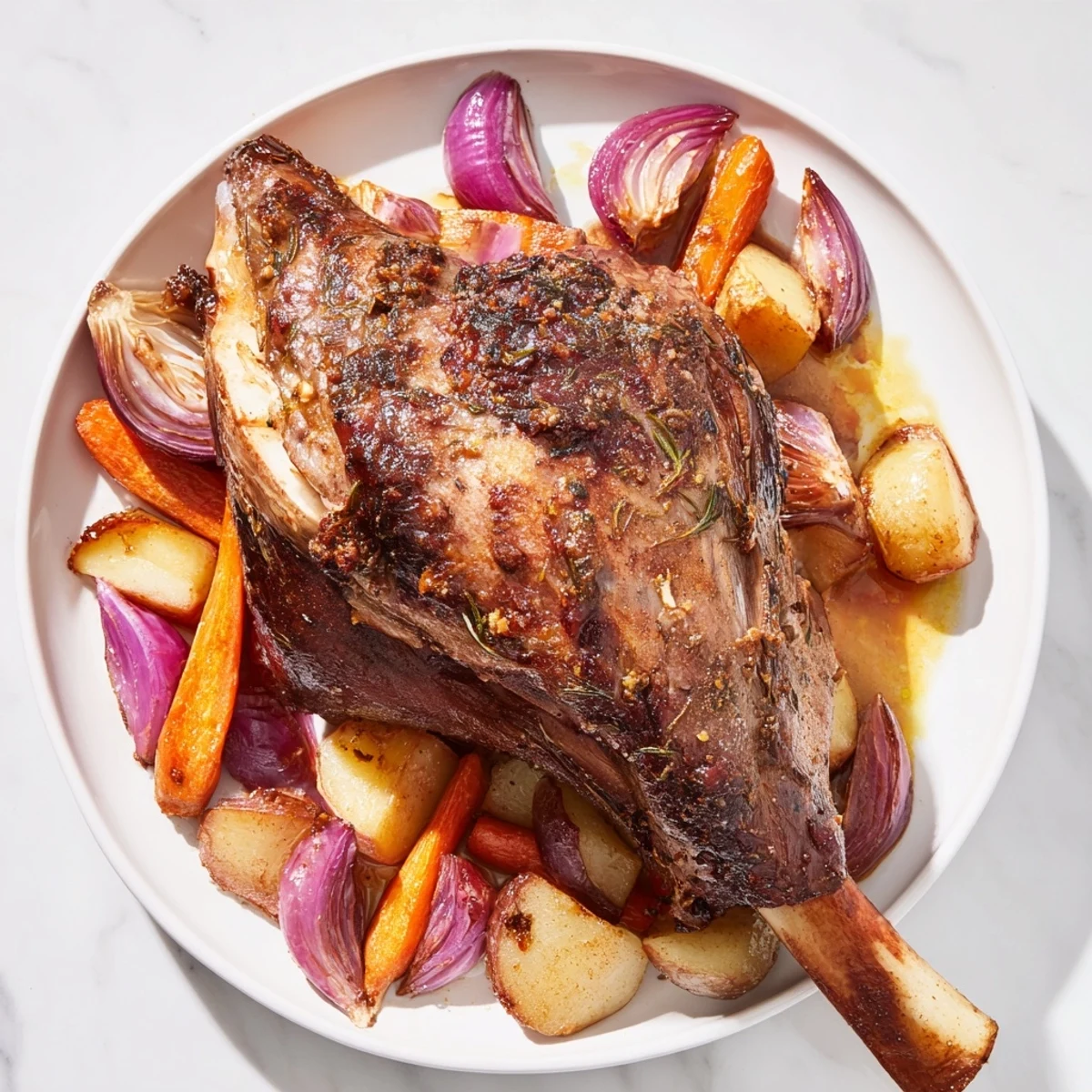
Save This dish features a bone-in lamb shoulder seasoned with fresh herbs, garlic, and lemon, then slow-roasted to tender perfection. Root vegetables like carrots, parsnips, potatoes, and red onion are cooked alongside, absorbing the lamb’s flavorful juices. After an initial slow roast, the dish is finished at a higher temperature to caramelize the vegetables and crisp the lamb’s exterior. Resting the meat before carving ensures juicy, flavorful servings.
I still remember the first time I roasted a lamb shoulder, the tantalizing aroma filling the kitchen and my excitement growing as the root vegetables caramelized beautifully around the meat. It quickly became a dish that felt like a warm hug on a cool evening.
One evening, unexpected friends stopped by, and pulling this roast from the oven glowing golden brown felt like an effortless miracle that turned a surprise visit into a cherished memory.
Ingredients
- Lamb Shoulder: I always pick bone-in for extra flavor and tenderness, and rubbing it with fresh herbs makes all the difference.
- Root Vegetables: Carrots, parsnips, potatoes, and red onion each bring their own sweetness once roasted, creating a perfect balance.
- Roasting Liquid: Dry white wine or low-sodium chicken broth adds moisture and subtle depth as the lamb cooks.
Instructions
- Get Everything Ready:
- Preheat your oven, gather your spices, zest and juice the lemon, and prepare the root vegetables by peeling and chopping them into joyful chunks.
- Rub and Arrange:
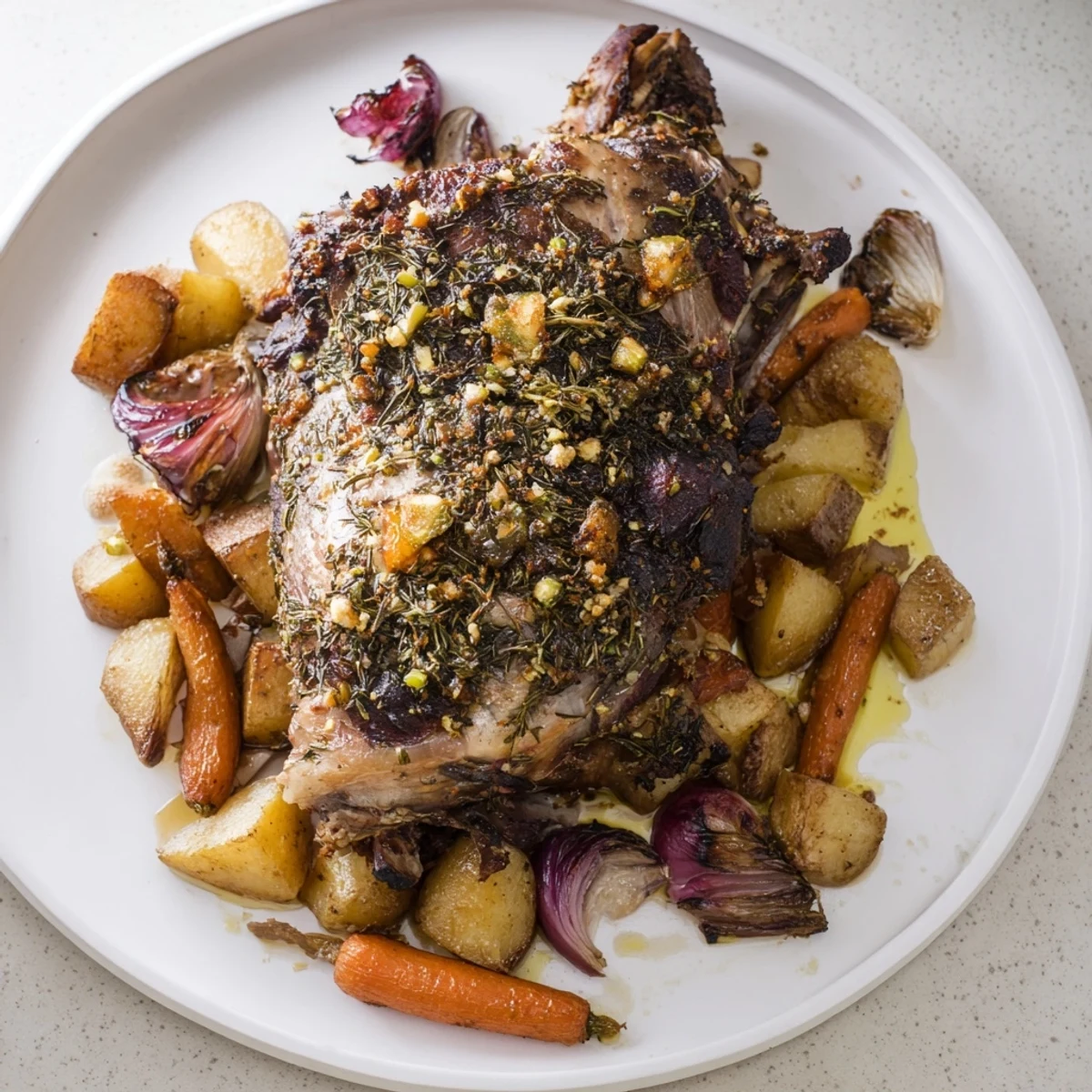
- Feel the texture of the olive oil and herbs as you massage them into the lamb, then nestle the meat fat side up in your roasting pan surrounded by colorful vegetables that promise caramelized goodness.
- First Slow Roast:
- As the oven warmth rises, the mingling scents of rosemary, garlic, and roasting roots fill your kitchen—cover the pan tightly and let them cook low and slow for a few hours.
- Final Browning:
- Uncover the pan to reveal a golden surface, baste lovingly with pan juices, then increase the heat and let everything crisp up beautifully with that irresistible roast aroma in the air.
- Rest and Serve:
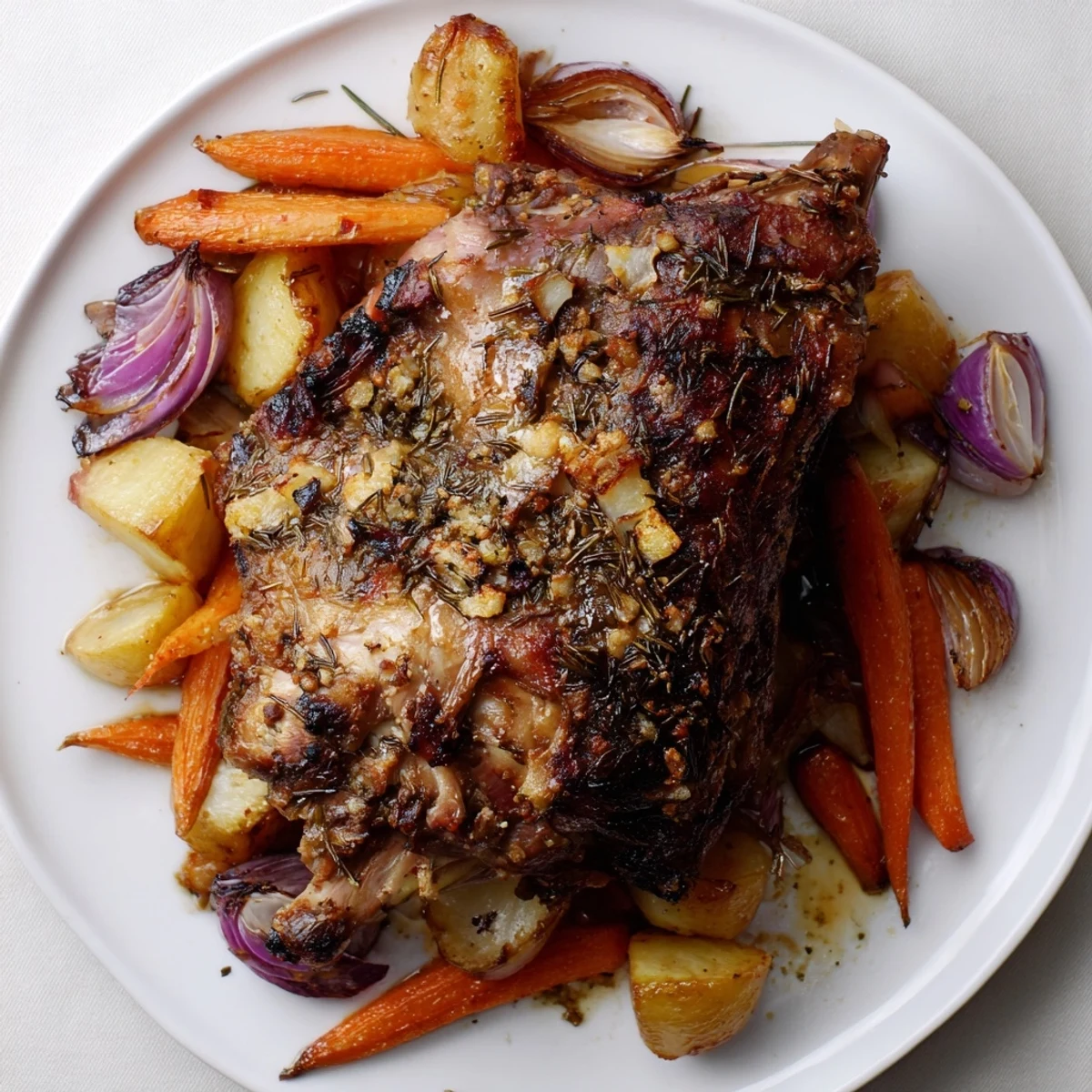
- Once out of the oven, give the lamb a 15-minute rest, so it stays juicy and tender when carved—serve alongside those soft, caramelized vegetables and spoon the pan juices on top for a perfect finish.
 Save
Save This roast stopped being just dinner the night we celebrated my mother’s birthday, the meal wrapping us all in warmth and laughter around the table, turning food into heartfelt connection.
Serving Tips That Make a Difference
I like to serve the lamb with a simple green salad dressed lightly with lemon to cut through the richness, and a hearty rustic bread to mop up those deep pan juices.
Substitutions and Adaptations
If you’re out of parsnips, rutabaga or turnips work beautifully too and add a slightly different sweetness. You can swap the white wine for chicken broth to keep it alcohol-free without losing flavor.
Tools To Have on Hand
A large roasting pan or Dutch oven is essential for even cooking and easy cleanup. I also recommend a good basting spoon to keep the lamb juicy during that final roast stage.
- Don’t forget a sharp chef’s knife for clean vegetable cuts before roasting.
- Keep aluminum foil nearby if your pan doesn’t have a lid to seal in moisture.
- Make sure your oven thermometer is accurate for consistent temperatures.
 Save
Save Thanks for hanging out and cooking together—this dish never fails to bring a little magic to the table, and I hope it does the same for you.
Recipe FAQs
- → How should I prepare the lamb shoulder before roasting?
-
Pat the lamb dry, then rub it thoroughly with olive oil, kosher salt, black pepper, fresh rosemary, thyme, minced garlic, and lemon zest and juice to enhance flavor and tenderness.
- → What vegetables work best with roasted lamb shoulder?
-
Root vegetables such as carrots, parsnips, potatoes, and red onion complement the lamb well, providing sweetness and texture after roasting.
- → Can I substitute other vegetables for parsnips?
-
Yes, rutabaga or turnip can be used as alternatives for parsnips, offering a slightly different flavor profile but similar texture.
- → What is the ideal oven temperature and timing for cooking?
-
Start roasting at 325°F (165°C) covered for 2½ hours, then uncover and increase the temperature to 400°F (200°C) for 30–40 minutes to caramelize and brown.
- → How can I keep the lamb moist during cooking?
-
Covering the lamb while slow roasting traps moisture. Basting with pan juices and resting the meat after cooking also helps retain juiciness.
- → What liquids can be used to add moisture and flavor in the pan?
-
Dry white wine or low-sodium chicken broth can be poured into the roasting pan to create steam and infuse the vegetables without directly wetting the lamb rub.