
 Save
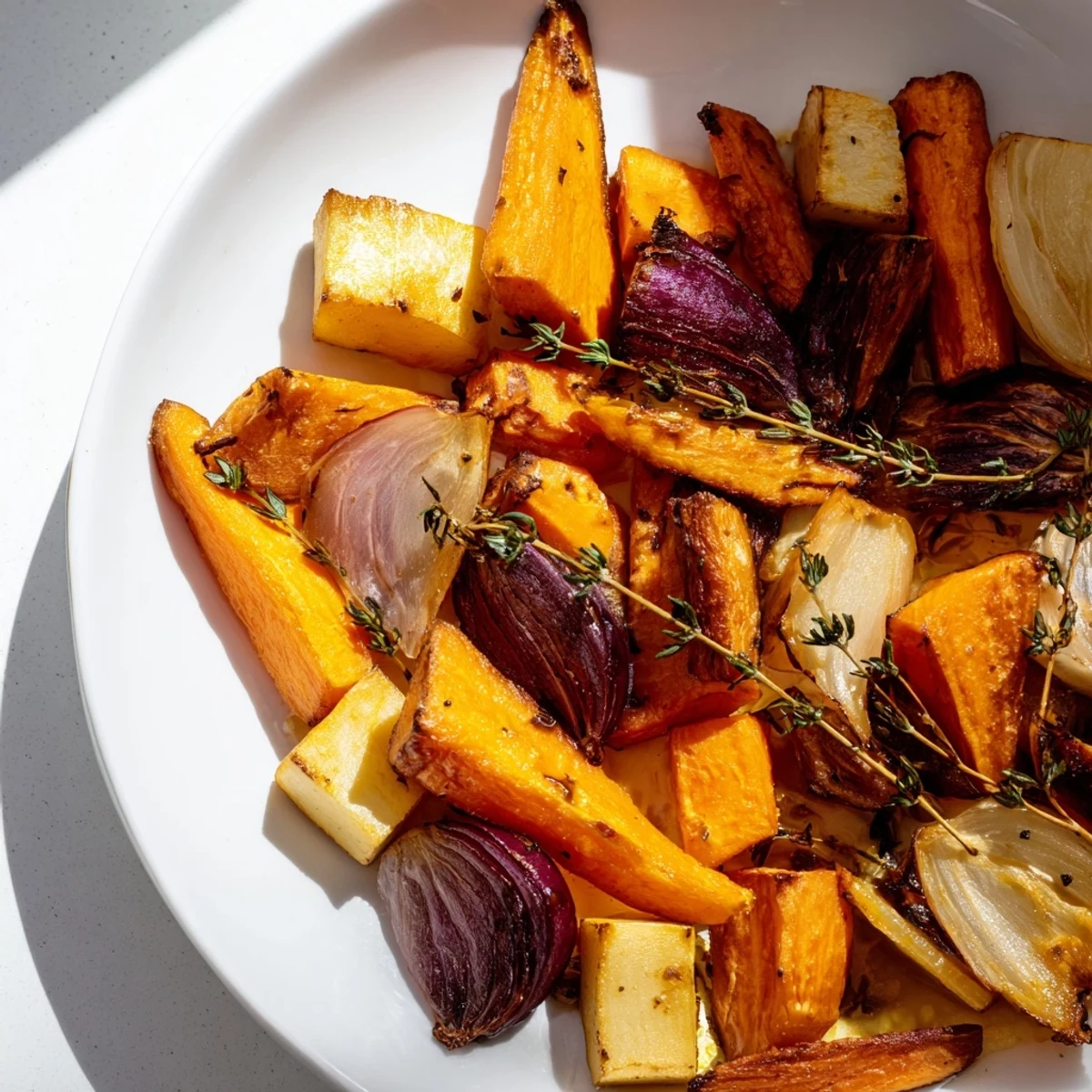
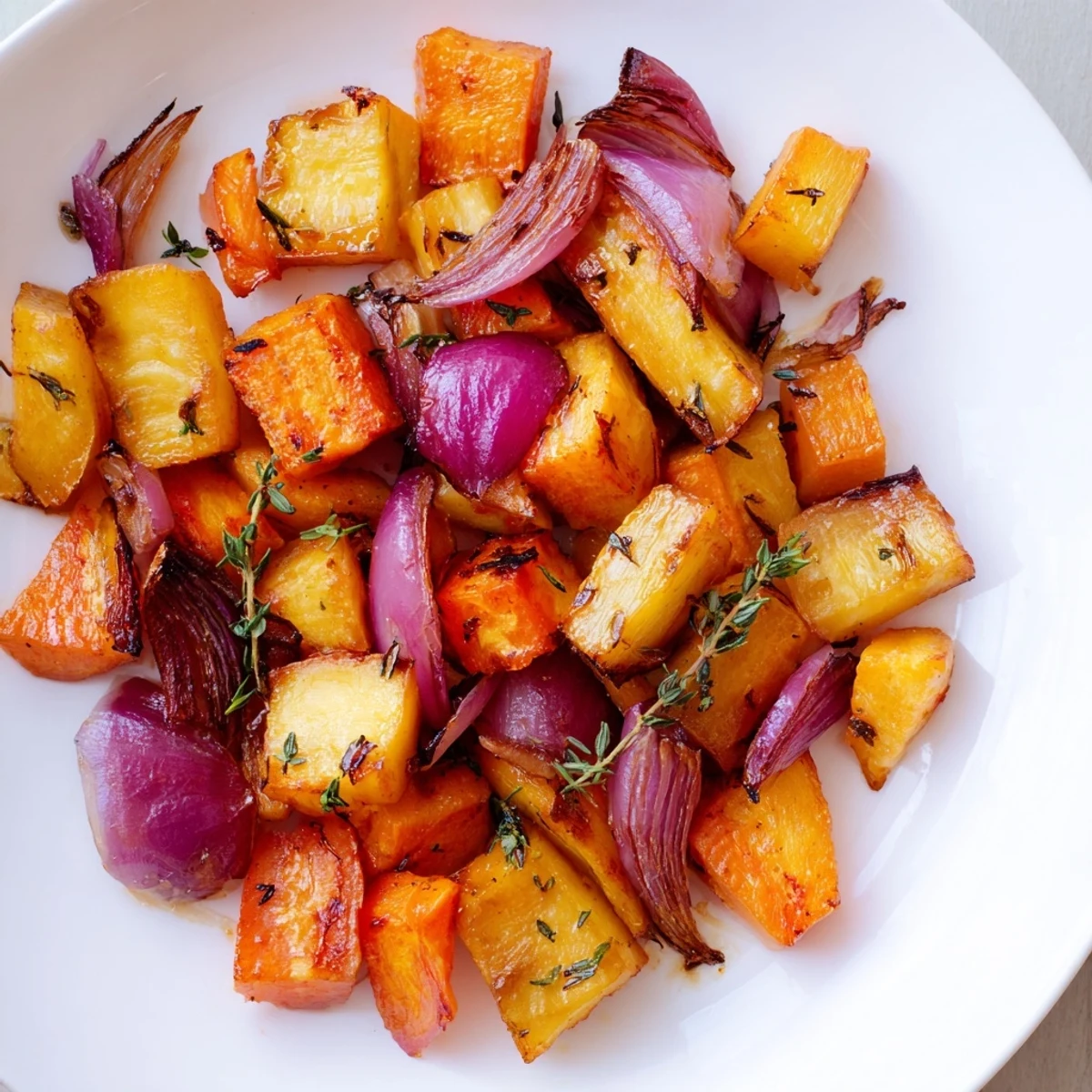
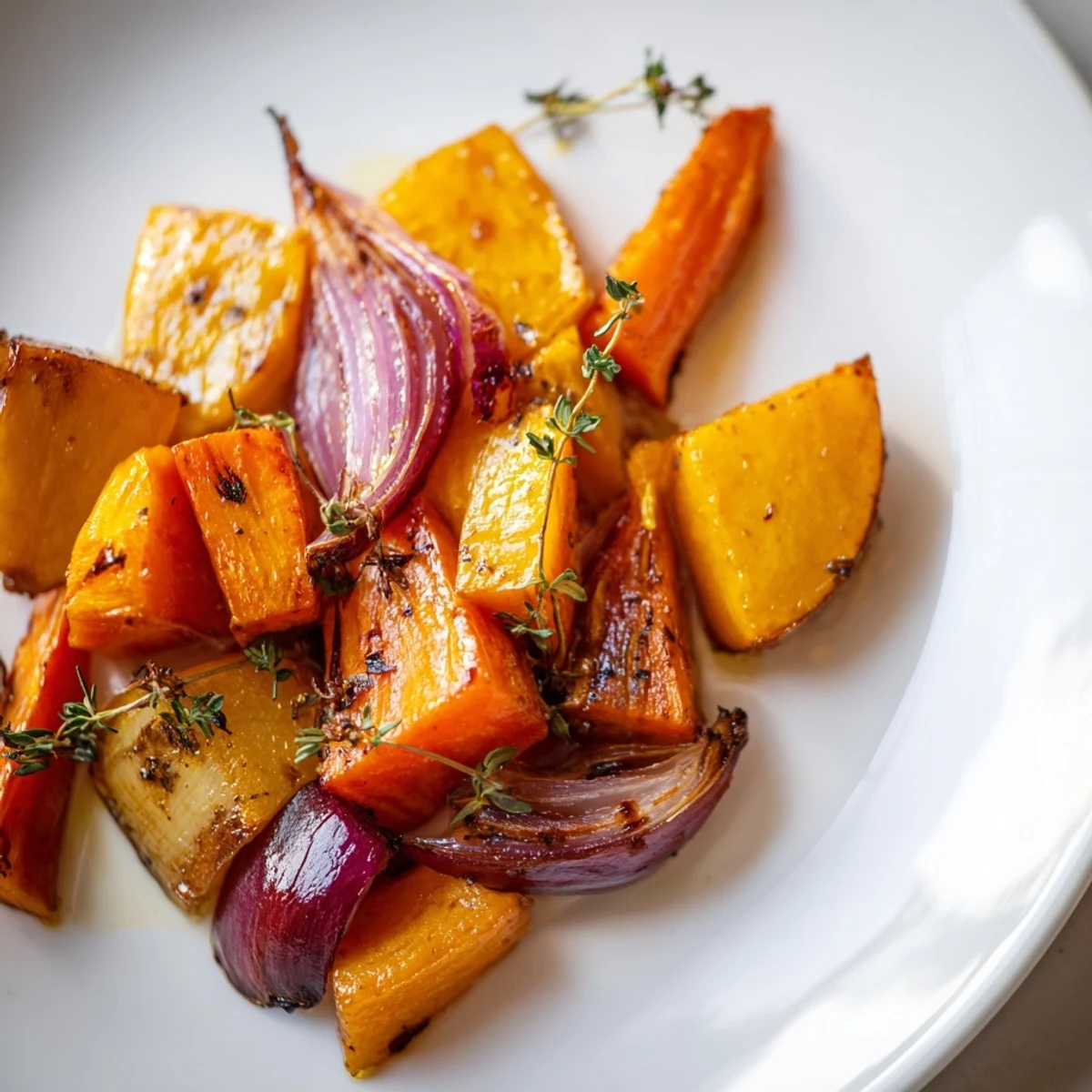
Save Transform simple root vegetables into a stunning side dish by roasting carrots, parsnips, sweet potato, and rutabaga with fresh thyme and garlic at 425°F for 30-35 minutes. The natural sugars in the vegetables caramelize, creating tender, golden pieces with rich, earthy flavors. Toss with olive oil and seasonings before roasting, stirring halfway through for even browning. Optional balsamic vinegar and fresh parsley add finishing touches. This versatile dish works as a side for roasted proteins or served over grains for a complete vegetarian meal.
The first cold snap of autumn always signals my body it's time for root vegetables. Last weekend, as rain tapped against the kitchen window, I found myself chopping a rainbow of roots while the oven preheated. The earthy scent of thyme between my fingers took me right back to my grandfather's garden where we'd search for the tiny, fragrant leaves among sprawling stems.
I first made this medley for a potluck where I barely knew anyone. Watching people's expressions shift from polite interest to genuine delight as they tasted the sweet, caramelized edges of the vegetables made me feel instantly connected to the room. Someone asked for the recipe while balancing their plate on their knee, and I realized I'd found my signature contribution to gatherings.
Ingredients
- Root Vegetables: The combination of carrots, parsnips, sweet potato, rutabaga and red onion creates a perfect balance of sweet and earthy flavors that complement each other beautifully.
- Fresh Thyme: After experimenting with various herbs, I discovered thyme has this magical ability to make root vegetables taste more like themselves, somehow enhancing their natural sweetness.
- Balsamic Vinegar: A late addition to my recipe that I stumbled upon when I was low on salt one day, just a splash adds a complex sweetness that brings everything together.
- Sea Salt: I use flaky sea salt because it distributes more evenly across the vegetables and creates little bursts of seasoning in each bite.
Instructions
- Prep with purpose:
- Preheat your oven to 425°F and line that baking sheet with parchment for easy cleanup. I find cutting the vegetables into roughly equal sizes ensures they cook evenly, though I go slightly smaller with denser vegetables like rutabaga.
- Season generously:
- In a large bowl, toss your colorful root gems with olive oil, salt, pepper, thyme and minced garlic. Use your hands to massage the seasonings into every nook and cranny, making sure each piece gets its fair share of flavor.
- Create breathing room:
- Spread everything out on your baking sheet, giving the vegetables plenty of personal space. Crowding leads to steaming rather than roasting, and we want those crispy, caramelized edges that make this dish special.
- Roast patiently:
- Let the oven work its magic for 30-35 minutes, but do give everything a gentle flip halfway through. Youll know theyre done when the edges turn golden brown and a fork slides in easily.
- Finish with flair:
- If using the balsamic vinegar, drizzle it over while the vegetables are still hot so they absorb that tangy sweetness. A scatter of fresh parsley brings brightness and color to the finished dish.
 Save
Save Last Thanksgiving, my sister-in-law quietly pushed her plate of traditional turkey aside and helped herself to a second serving of these roasted roots. She caught my eye across the table with a conspiratorial smile that said more than words could. In that moment, these humble vegetables became our shared secret language of appreciation amid the chaos of family dining.
Versatility Magic
One rainy Tuesday, I found myself with nothing but these roasted vegetables in the fridge and turned them into an impromptu hash topped with a fried egg. The runny yolk created a silky sauce that elevated the leftover vegetables into something entirely new. Now I deliberately make extra just for next-day experiments.
Seasonal Adaptations
I've discovered that summer markets offer baby root vegetables that roast in half the time and have a delicate sweetness perfect for lighter meals. During winter, I'll sometimes add a tablespoon of maple syrup to the mix, which creates a glorious glaze that counters the bitterness some winter roots can develop in storage.
Serving Suggestions
These vegetables have become the chameleons of my kitchen, adapting to whatever else I'm serving without ever feeling like an afterthought. The rutabaga in particular develops an almost buttery quality when roasted alongside its root companions.
- Scatter crumbled goat cheese over the vegetables right after roasting so it gets just slightly melty and adds tangy creaminess.
- For a complete meal, serve atop a bed of lentils dressed simply with olive oil and lemon juice.
- Pack leftovers into a wrap with hummus and greens for a satisfying lunch the next day.
 Save
Save These humble roots have taught me that good cooking isn't always about complexity or exotic ingredients. Sometimes it's just about coaxing the best from what the earth gives us, with a little heat, time, and care.
Recipe FAQs
- → Can I prepare the vegetables in advance?
-
Yes, you can cut and store the vegetables in an airtight container in the refrigerator for up to 24 hours before roasting. Toss with oil and seasonings just before placing on the baking sheet to prevent the vegetables from becoming soggy.
- → What other root vegetables can I use?
-
Beets, turnips, regular potatoes, celery root, and parsnips all work wonderfully. Choose vegetables of similar size for even cooking. Avoid mixing vegetables with very different roasting times to ensure everything finishes at the same time.
- → How do I know when the vegetables are done?
-
The vegetables are ready when they're golden brown on the edges and fork-tender throughout. They should have developed caramelized spots and feel soft when pierced with a fork or knife.
- → Can I make this dish ahead of time?
-
Roasted vegetables are best served fresh and warm, but leftovers can be stored in an airtight container for up to 4 days. Reheat gently in a 350°F oven for 10-15 minutes, or enjoy cold as part of a salad.
- → What's the best way to achieve caramelization?
-
Spread vegetables in a single layer without crowding the baking sheet, ensuring they make contact with the hot surface. Don't stir too frequently—stirring once halfway through allows the cut sides to develop golden, caramelized edges.
- → Is this suitable for different diets?
-
This dish is naturally vegetarian and gluten-free, making it ideal for various dietary needs. For vegan preparations, simply serve over quinoa, lentils, or rice. Check balsamic vinegar labels if you need to avoid specific ingredients.