
 Save
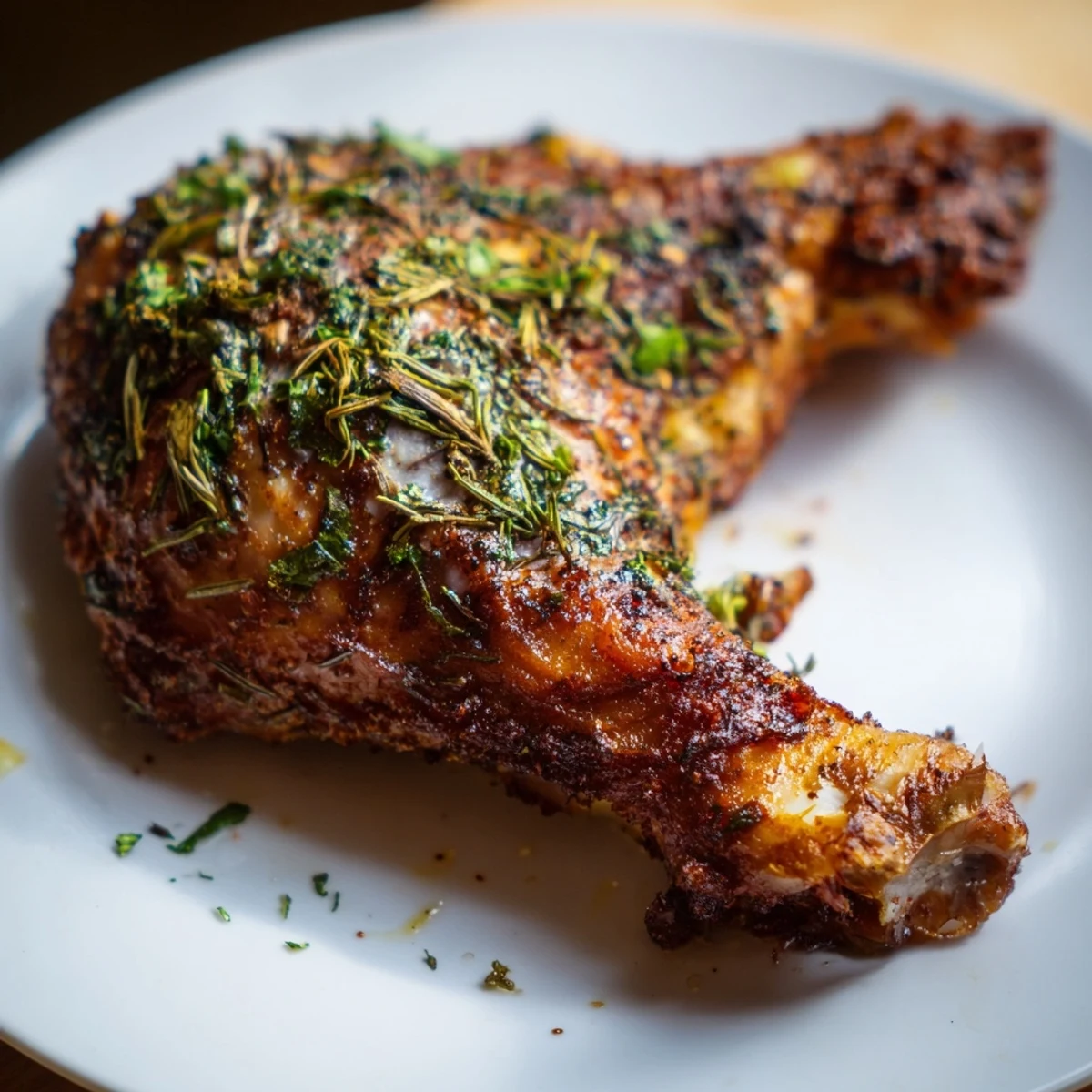
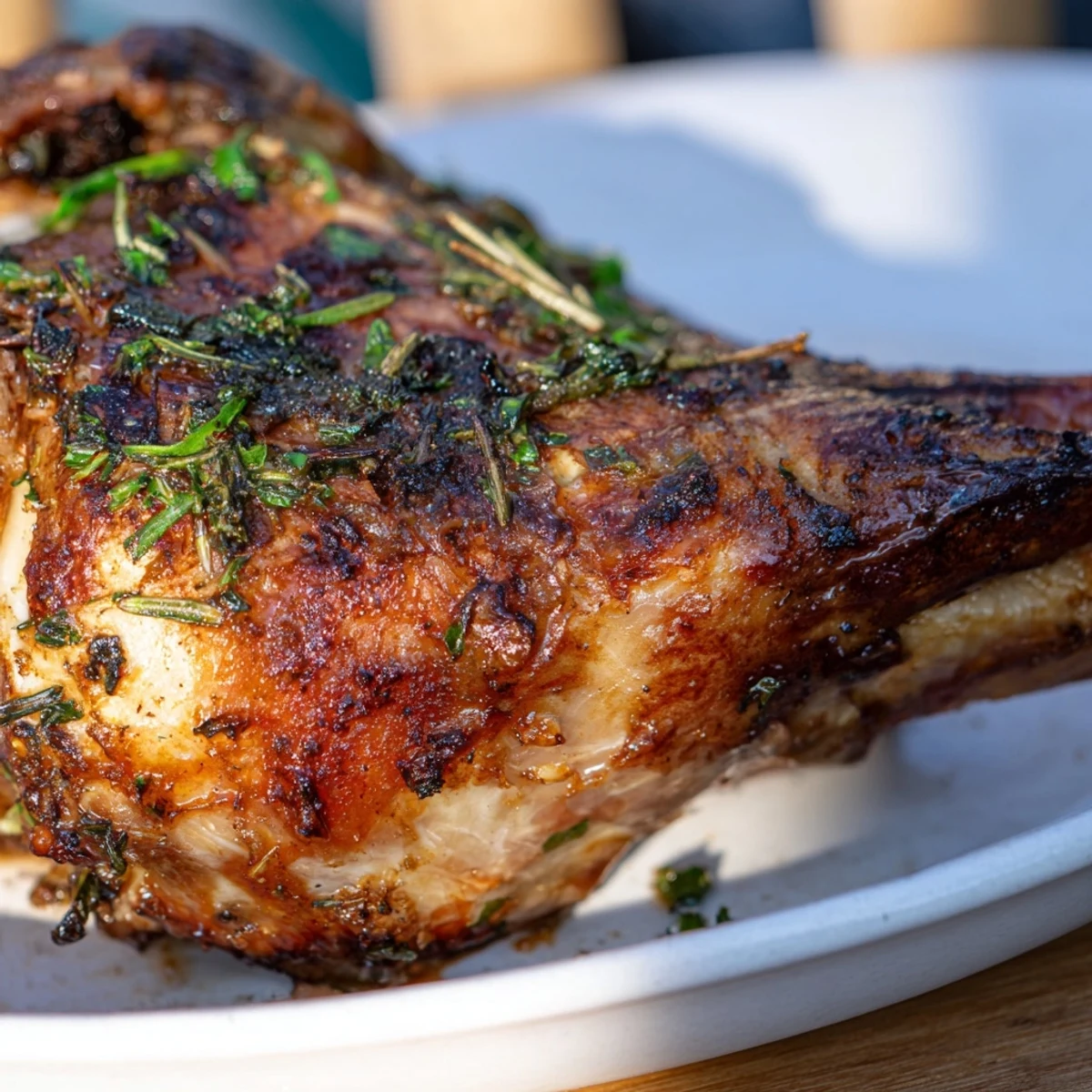
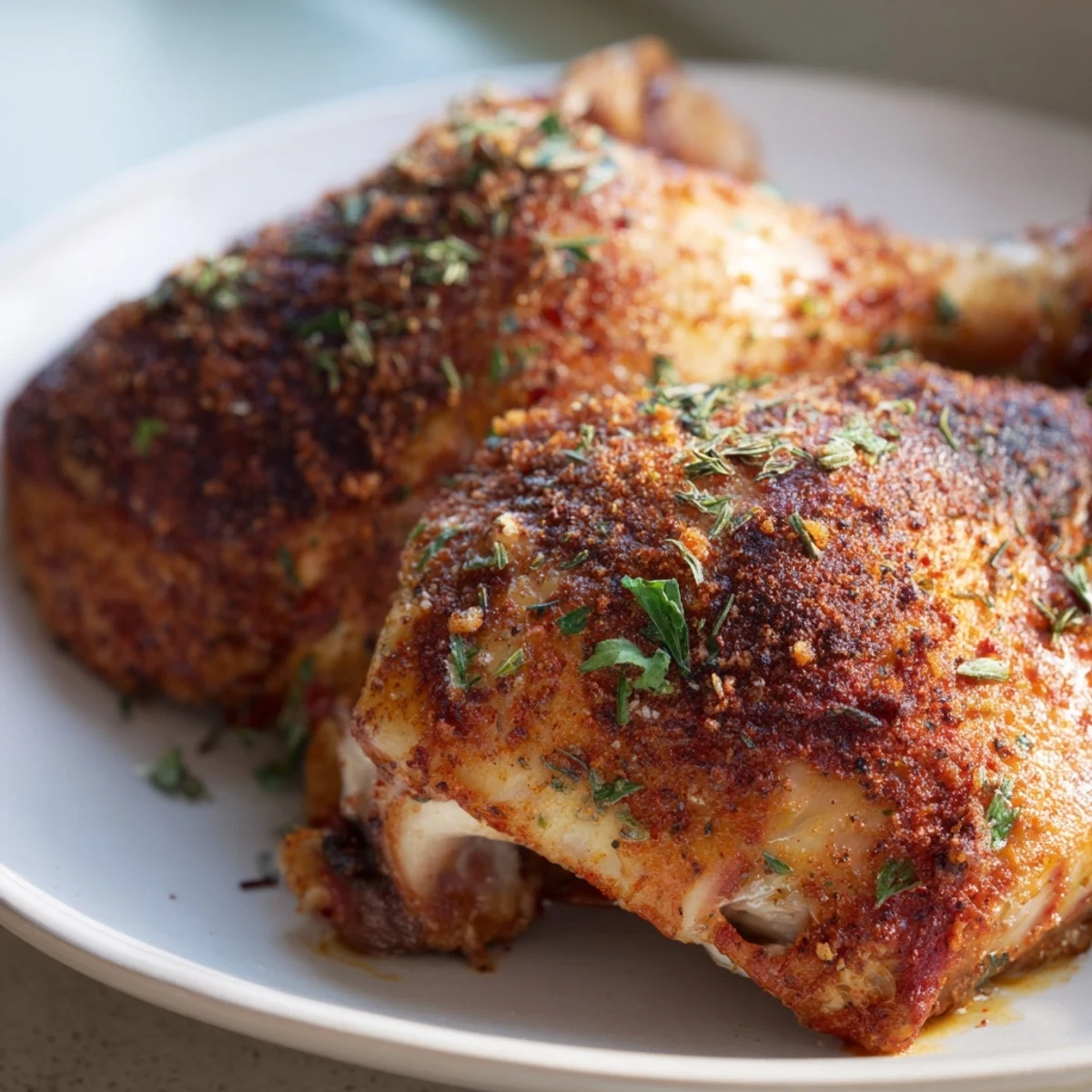
Save Experience tender and juicy turkey legs enhanced with a fragrant blend of olive oil, lemon juice, garlic, and fresh herbs. Slowly roasted to develop a crispy, golden skin, these turkey legs deliver a rich, savory flavor that fits both festive occasions and weeknight meals. Adding root vegetables like onions, carrots, and celery creates a flavorful bed that complements the meat's natural juices. The process involves marinating, slow roasting covered then uncovered for an appealing texture, and a resting period to retain moistness. Perfect when paired with a dry white or light red wine.
I still remember the first time I roasted turkey legs for a crowd—it was at a casual autumn dinner when I wanted something that felt special but wasn't fussy. A friend brought them from the market, and I realized I'd been overlooking this cut for years. That evening, as the kitchen filled with the aroma of rosemary and lemon, I understood why turkey legs have been a celebration staple for so long. They're forgiving, impressive, and absolutely delicious when treated with care.
I'll never forget serving these at my sister's birthday dinner last spring. She took one bite, closed her eyes, and said it was the best poultry she'd ever had. From that moment on, turkey legs became the go-to when I needed to feel like a confident cook in front of people I wanted to impress.
Ingredients
- Turkey legs (4, about 300–400 g each): These are often overlooked, but they're the ideal size for roasting—big enough to stay juicy through cooking, small enough to cook evenly without drying out
- Olive oil (3 tbsp): This carries all your flavors into the meat and helps create that beautiful golden crust on the skin
- Lemon juice (2 tbsp): Brightens the herbs and helps tenderize the meat gently while adding subtle acidity
- Garlic cloves, minced (3): Fresh garlic makes all the difference—don't use the jarred version for this; it won't have the same punch
- Fresh rosemary (1 tbsp, or 1 tsp dried): This is the herb that makes turkey sing; it's piney, aromatic, and just perfect with poultry
- Fresh thyme (1 tbsp, or 1 tsp dried): Thyme is delicate but essential—it adds earthiness without overwhelming the other flavors
- Smoked paprika (1 tsp): This is my secret weapon for that restaurant-quality depth and a hint of smokiness that makes people ask what you did differently
- Salt (1 tsp) and black pepper (½ tsp): Season generously; this marinade needs enough salt to flavor the meat all the way through
- Optional vegetables (onions, carrots, celery): These become sweet and caramelized and give you a head start on pan juices for gravy
Instructions
- Get your oven ready:
- Preheat to 180°C (350°F). This moderate temperature is the key to avoiding a burnt exterior and undercooked interior—it lets the meat cook gently through while the skin crisps.
- Mix your magic marinade:
- Whisk together the olive oil, lemon juice, minced garlic, fresh herbs, paprika, salt, and pepper in a bowl. Let it sit for a minute so the herbs release their oils—you'll smell it immediately, and you'll know you've done it right.
- Prepare the turkey:
- Pat the legs completely dry with paper towels—this is crucial because any moisture on the surface will steam instead of roast, and you want that crispy skin. Don't skip this step.
- Apply the marinade:
- Rub the herb mixture all over the legs, working it under the skin where you can and making sure every bit gets coated. Get your hands in there; feel the herbs settling into the crevices. This is where the flavor happens.
- Arrange for roasting:
- Place the legs on a roasting pan skin-side up. If you're using vegetables, scatter them around the legs to create a flavorful bed that catches all the drippings.
- First phase of roasting:
- Cover the pan loosely with foil and roast for 45 minutes. The foil keeps moisture in while the legs get tender. You'll notice the kitchen filling with an incredible aroma around minute 30.
- Finish to golden perfection:
- Remove the foil, baste the legs with the pan juices using a basting brush, and continue roasting uncovered for another 35 minutes. This is when the skin transforms into something crispy and deeply golden. Check that the internal temperature reaches 75°C (165°F) at the thickest part, away from bone.
- Let it rest:
- Take the pan out of the oven and let the legs rest for 10 minutes before serving. This allows the juices to redistribute through the meat so every bite stays tender.
 Save
Save I served these legs at a neighborhood potluck last year, and three people asked for the recipe before dessert was even served. That's when I realized this wasn't just a recipe I loved—it was something that changed how people thought about turkey outside of the traditional holiday meal.
Why Turkey Legs Are Underrated
Turkey legs don't get the attention they deserve in most home kitchens. They're lean, flavorful, affordable, and cook faster than a whole bird. I've discovered they're perfect for weeknight dinners when you want something that tastes like celebration but fits into a normal schedule. Once you roast them this way, you'll wonder why you ever settled for less impressive poultry.
The Magic of Marinating and Resting
The combination of the herb marinade and the resting period at the end is what separates good roasted turkey from great roasted turkey. The marinade doesn't just sit on the surface—it penetrates the meat during roasting, flavoring it from within. And that 10-minute rest? It's the difference between meat that's moist and meat that stays moist all the way to the last bite. I've learned to never skip this final step, no matter how eager I am to eat.
Making It Your Own at the Table
The beauty of roasted turkey legs is that they're a complete main course on their own, but they're also flexible enough to become whatever meal you need them to be. Serve them hot with crusty bread and a simple salad, or shred the meat for tacos or grain bowls the next day. The pan drippings make an excellent light gravy if you whisk them with a touch of wine or broth. Here are a few finishing touches I always keep in mind:
- A squeeze of fresh lemon or a sprinkle of fleur de sel at the table adds a final bright moment
- Leftover turkey is exceptional in sandwiches, salads, or quesadillas, so cook extra if you have the oven space
- The roasted vegetables become even better the next day when their flavors have melded together overnight
 Save
Save Every time I roast turkey legs, I'm reminded that the best meals come from simple ingredients treated with attention and care. This dish has become a quiet favorite in my kitchen—the kind of recipe you return to again and again.
Recipe FAQs
- → How do I ensure the turkey legs stay juicy?
-
Marinating the turkey legs with olive oil, lemon juice, and herbs helps retain moisture. Roasting covered initially also prevents drying out.
- → What herbs enhance the turkey’s flavor?
-
Fresh rosemary, thyme, and smoked paprika combine to add an aromatic, savory depth to the turkey legs.
- → Can vegetables be roasted alongside the turkey?
-
Yes, onions, carrots, and celery can be added around the legs to roast simultaneously, absorbing flavorful drippings.
- → How do I achieve a crispy skin on the turkey legs?
-
Roast covered for the first 45 minutes, then uncover and baste the legs with pan juices while roasting to crisp the skin.
- → What is the ideal internal temperature for cooked turkey legs?
-
The turkey legs are done when the internal temperature reaches 75°C (165°F), ensuring safe and tender meat.
- → Are dried herbs acceptable for the marinade?
-
Dried herbs can be used at one-third the quantity of fresh herbs without sacrificing flavor.