
 Save
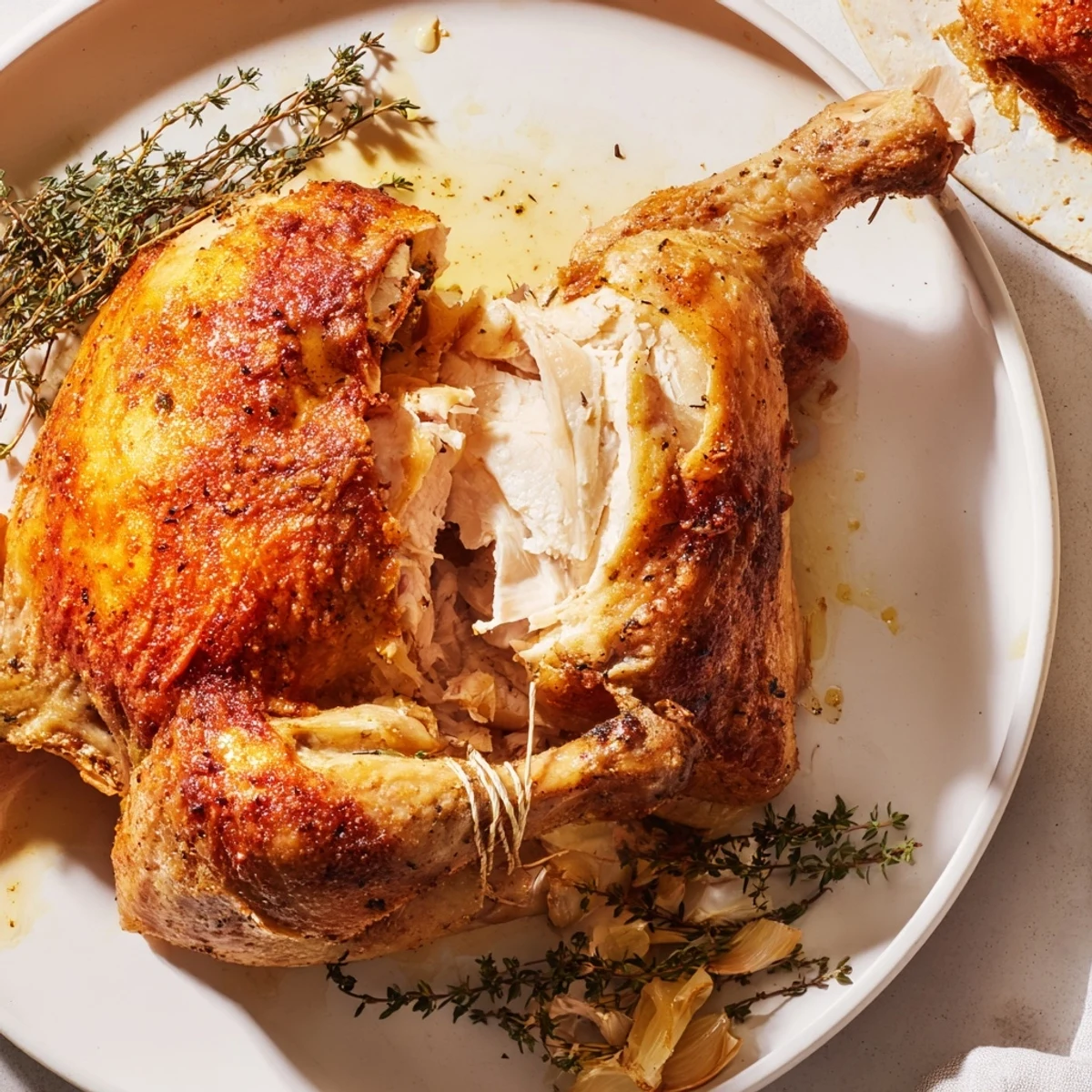
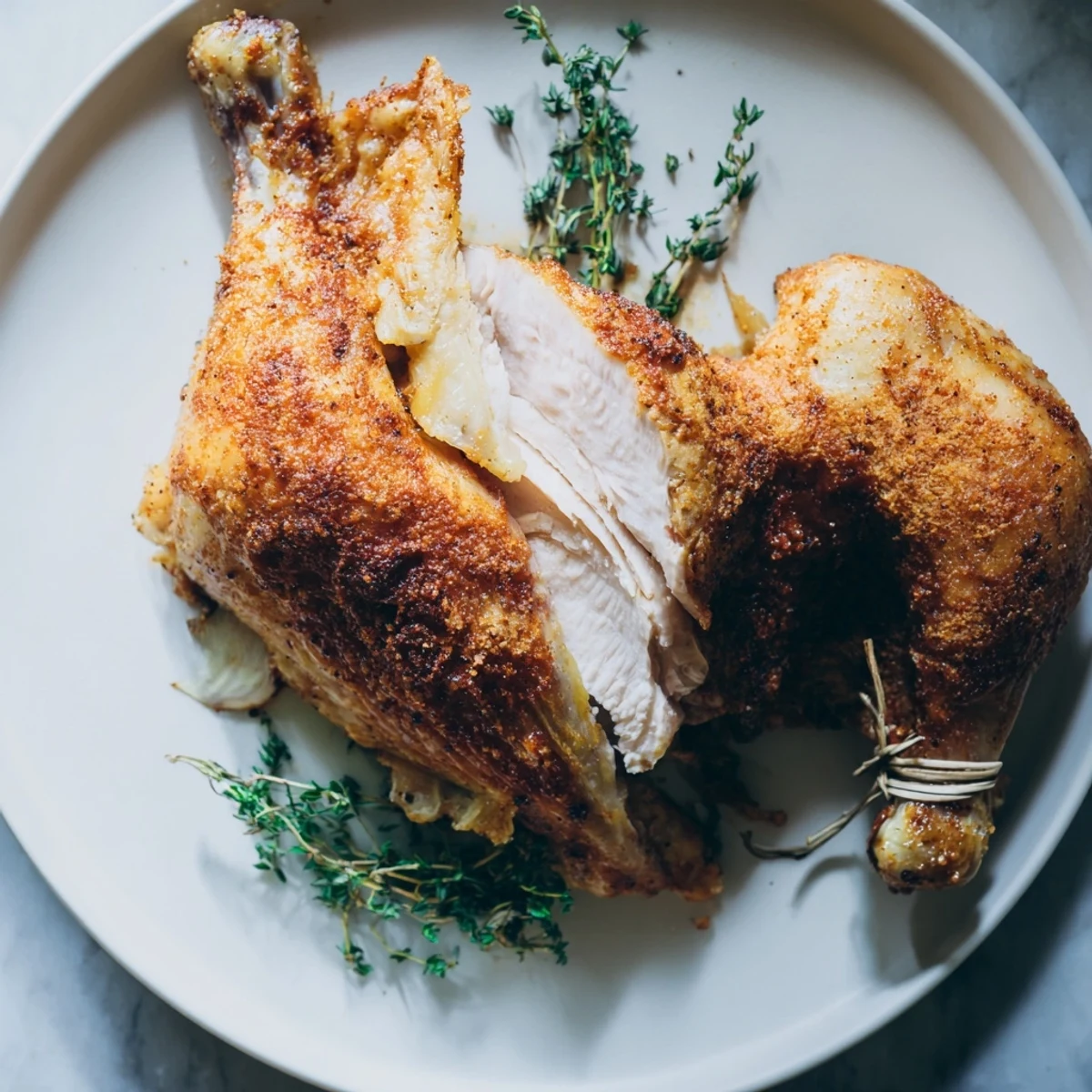
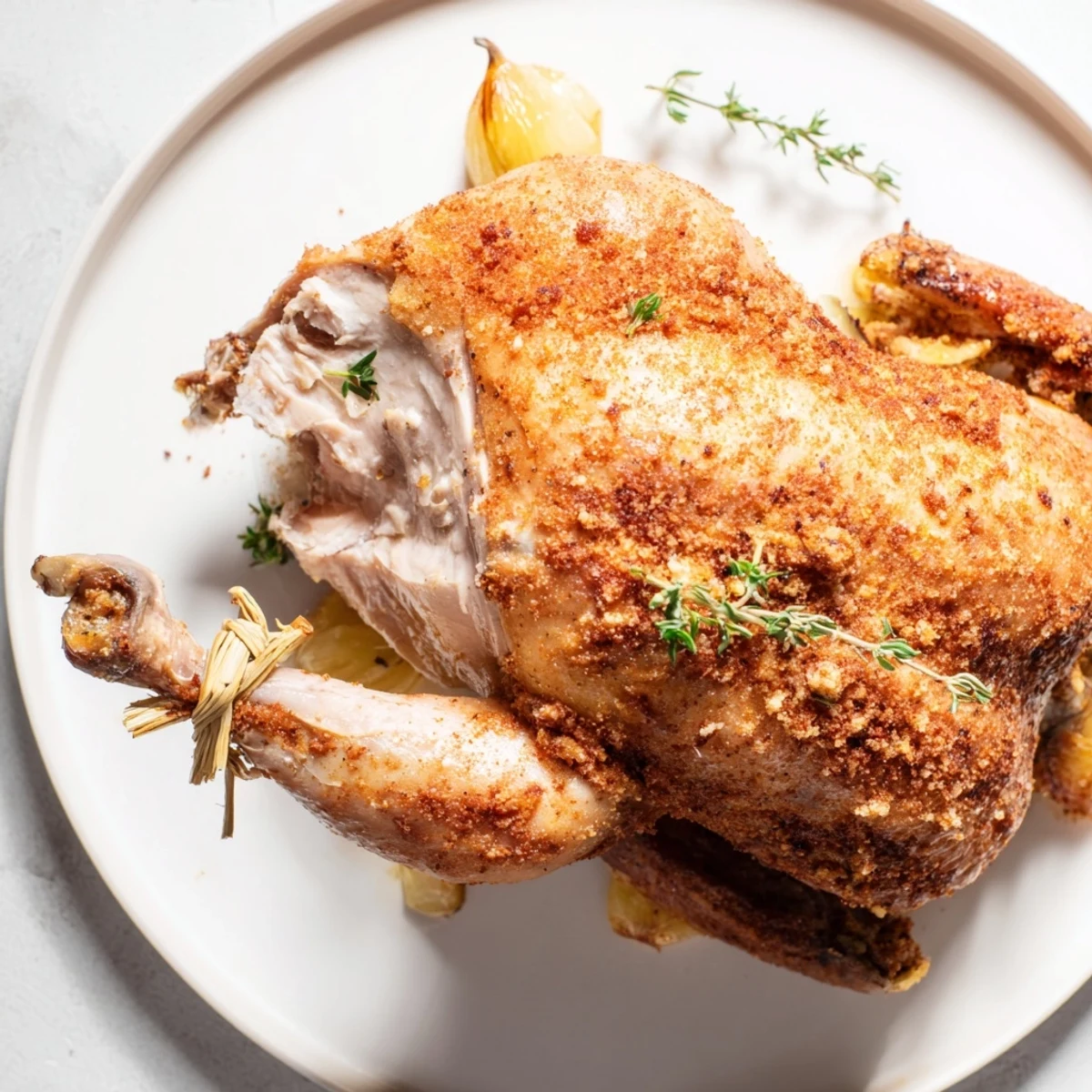
Save This roast chicken is seasoned with a vibrant mix of coarse sea salt, smoked paprika, garlic powder, thyme, cumin, and optional cayenne. The spice paste is applied under the skin and inside the cavity, which is filled with lemon quarters, garlic cloves, and fresh rosemary or thyme. Roasted at high heat for crispy skin, then lowered to ensure juicy, tender meat. Let it rest before carving to retain all the flavorful juices. Ideal for a comforting family dinner or a main course with root vegetables.
My neighbor taught me to roast chicken by inviting me over one autumn evening when the kitchen smelled like rosemary and warm skin. She showed me how salt and smoke could transform something so simple into something golden and crackling, and I realized I'd been overthinking roast chicken my entire life. Now whenever I roast one, I'm back in that kitchen watching her pull it out, listening to it crackle as it rested on the counter.
I made this the first time I was asked to bring the main course to a family gathering, and I was nervous about it sitting in the oven for over an hour with no supervision. But those aromatic lemons and garlic inside created this gentle steam that kept everything moist while the spice crust browned aggressively on top. When I pulled it out and let it rest, my hands were shaking a little—not from temperature, but from the anticipation of knowing this was going to be good.
Ingredients
- 1 whole chicken (about 1.5 kg / 3.3 lbs), patted dry: Drying the skin is the secret no one talks about—moisture is the enemy of crispness, so pat it thoroughly with paper towels and let it air in the fridge if you have time.
- 2 tbsp coarse sea salt: This is your foundation; don't skimp on quality or you'll taste the difference.
- 1 tsp freshly ground black pepper: Fresh matters here because old pepper tastes dusty.
- 1 tsp smoked paprika: This is what makes people ask what you did differently—it's the smoke that lingers.
- 1 tsp garlic powder: Concentrated garlic flavor that won't burn like fresh garlic would on the high heat.
- 1 tsp dried thyme: Earthy and forgiving, it plays well with everything else in the spice blend.
- 1/2 tsp ground cumin: A gentle warmth that hints at something exotic without shouting.
- 1/2 tsp cayenne pepper (optional, for heat): Use this if you like a whisper of heat that builds slowly.
- 1 tbsp olive oil: This turns the spices into a paste that clings to the bird instead of falling off.
- 1 lemon, quartered: The acidity balances the richness and steams from within.
- 4 garlic cloves, smashed: They'll perfume the cavity and create a juicy microclimate inside.
- 1 small bunch fresh rosemary or thyme: Choose what smells right to you in that moment.
Instructions
- Mix your spice paste:
- In a small bowl, combine the sea salt, black pepper, smoked paprika, garlic powder, dried thyme, ground cumin, and cayenne into a pile, then pour in the olive oil and stir until it looks like wet sand. The oil is what makes this stick instead of dust, so don't skip it.
- Prepare the bird:
- Pat your chicken dry inside and out—really commit to this step. Preheat your oven to 220°C (425°F) while you work.
- Rub the spice paste everywhere:
- This is the most important moment and it feels wrong, but you're going to lift the skin and rub some paste directly onto the meat underneath, then rub more all over the outside. Don't be gentle; be thorough.
- Stuff the cavity:
- Stuff the lemon quarters, smashed garlic, and fresh herbs into the chicken's cavity—this is where the steam and flavor will concentrate.
- Tie it up:
- Use kitchen twine to tie the legs together and tuck the wings under the body so everything cooks evenly and doesn't flail around.
- Roast hot, then moderate:
- Place the chicken on a rack in a roasting pan, breast-side up, and roast at 220°C (425°F) for 20 minutes to get that aggressive browning. Then reduce the heat to 180°C (350°F) and roast for about 1 hour more, or until a thermometer inserted into the thickest part of the thigh registers 75°C (165°F).
- Rest before carving:
- Let it rest for 10 to 15 minutes—this isn't wasted time, it's when the juices redistribute and settle so they don't escape when you cut into it.
 Save
Save My friend's kid took one bite and asked if the chicken tasted like a restaurant, which became the compliment that made me realize this method actually works. There's something about a properly roasted chicken that makes people eat slower and talk more.
Why the Spice Blend Works
This isn't a complicated blend, but it's been thought through. The salt seasons deep, the smoked paprika adds complexity that feels like you've been cooking all day, the dried herbs won't burn like fresh ones would, and the cumin gives you this subtle warmth that makes people wonder what you did. The cayenne is optional because not everyone wants heat, but those who do know exactly what it adds. Together, they create a crust that tastes like every bite was meant to be this good.
The Aromatics Inside Matter
The lemon and garlic inside the cavity aren't there just for flavor—they create a humid microclimate that keeps the meat from drying out while the oven is roasting everything. The rosemary or thyme you choose will perfume the whole bird from within, and when you open that cavity to remove them at the end, that first breath of steam is worth the entire hour of waiting. If you want to add root vegetables, this is where the rendered fat from the chicken will drip down and cook them until they're golden.
Making It Crispy and Golden
Crispy skin is non-negotiable, and it comes from dryness and temperature. Pat the chicken dry, don't cover it while it roasts, and if your oven runs cool, finish it at a higher temperature for the last few minutes. Some people refrigerate the prepared chicken uncovered for a few hours before roasting—the cold air circulates around it and pulls moisture from the skin, which then browns more aggressively in the heat. It's not essential, but it's the difference between good and restaurant-quality.
- If the skin is browning too fast, tent it loosely with foil for part of the roast.
- The high initial heat (220°C) is what gets you that crispy exterior before you lower the temperature to cook the inside through.
- Let the chicken rest after roasting—this is when residual heat finishes cooking the thighs and the carryover cooking makes sure everything is done.
 Save
Save This chicken is the kind of meal that makes people ask for seconds and feel like you've done something special, even though it's just salt, spice, and a few hours in the oven. It's become my answer to almost every question that starts with what should I make.
Recipe FAQs
- → How does the salt and spice blend enhance the chicken?
-
The blend of sea salt and aromatic spices penetrates the skin and meat, drawing out moisture to create a crispy texture while infusing flavorful notes throughout the chicken.
- → Why stuff the chicken with lemon and herbs?
-
Lemon and fresh herbs inside the cavity release fragrant oils and juices during roasting, adding bright, herbal undertones that complement the spice rub.
- → What’s the benefit of roasting at high heat initially?
-
Starting the roast at a high temperature crisps the skin quickly, locking in juices and enhancing texture before lowering the heat to cook the meat thoroughly.
- → Can I prepare the chicken skin for extra crispiness?
-
Yes, letting the chicken rest uncovered in the refrigerator for a few hours before roasting dries the skin surface, resulting in a crisper finish.
- → Are there suggested vegetable pairings for roasting alongside the chicken?
-
Root vegetables like carrots, potatoes, and onions roast well with the chicken, absorbing flavors while providing a balanced, hearty accompaniment.