
 Save
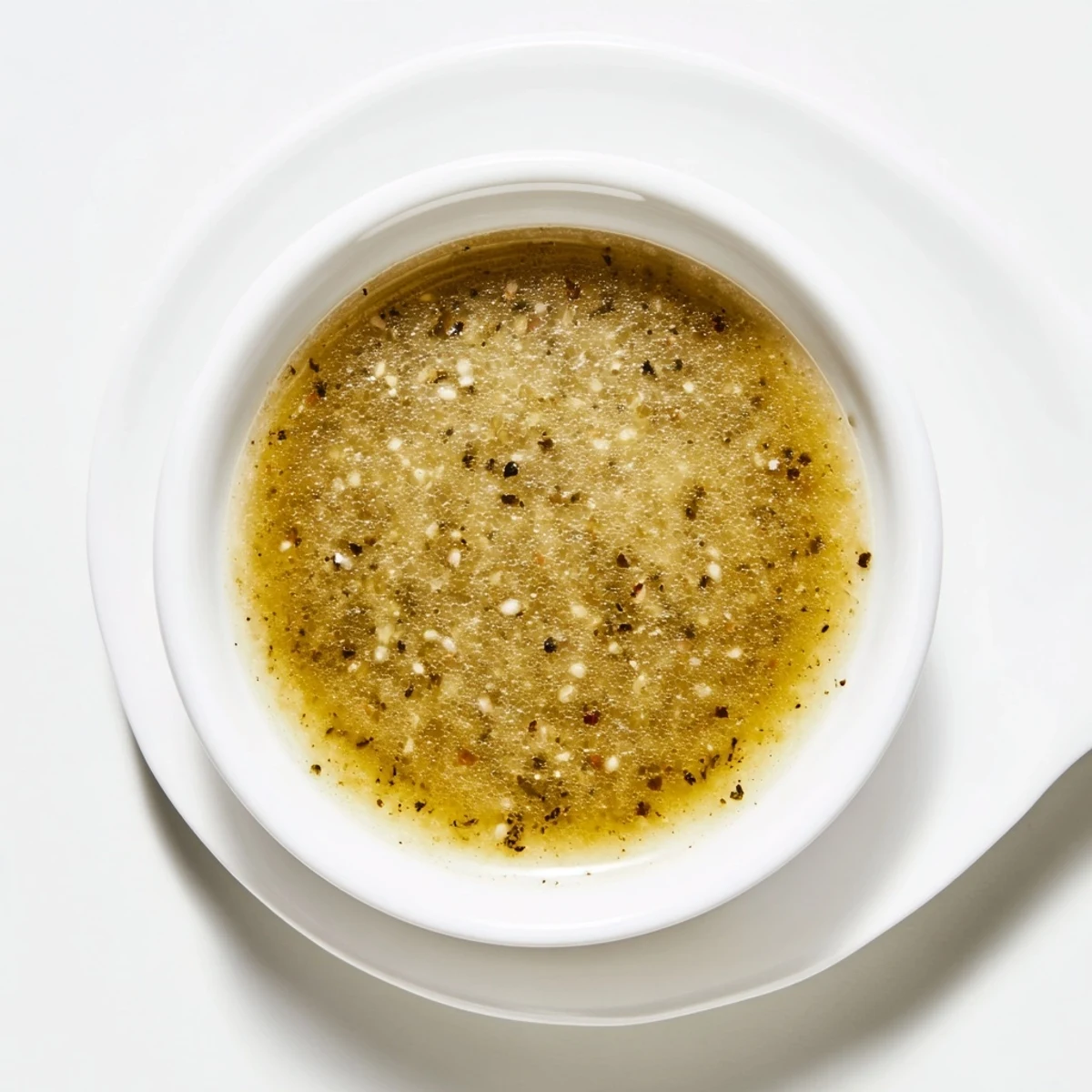
Save This savory sauce combines butter, finely minced shallots, and garlic cooked into a smooth base. Flavored with white wine, vegetable broth, soy sauce, and Dijon mustard, it simmers until thickened with a gentle blend of thyme and black pepper. Perfect for pairing with meats, steamed vegetables, or grains, it offers rich depth and versatility. Adjust salt to taste and strain for smoothness. Vegan options include olive oil and tamari substitutions.
I still remember the first time I made this sauce on a quiet Tuesday evening, desperate to transform a simple roasted chicken into something special. The kitchen filled with the aroma of butter melting with shallots and garlic, and suddenly what seemed like a humble weeknight dinner felt like something worth celebrating. That's when I realized the magic of a good sauce—it's not just about flavor, it's about the confidence it gives you in the kitchen.
I made this sauce for my sister's dinner party last spring, and watching her dip a piece of crusty bread into it while chatting with friends—that's when I knew I'd created something truly special. She asked for the recipe right there at the table, and now she makes it every week.
Ingredients
- Unsalted butter (2 tablespoons): This is your foundation—it creates a rich base that carries all the other flavors. I learned to use unsalted so I can control the salt level myself, giving me complete control over the final taste.
- Shallot, finely minced (1 small): Don't skip this step or use regular onion as a substitute. Shallots have a subtle sweetness that regular onions lack, and mincing them finely ensures they melt into the sauce rather than staying as chunks.
- Garlic cloves, minced (2): Fresh garlic is non-negotiable here. The mincing matters because it releases more of those aromatic oils that make this sauce sing.
- Low-sodium vegetable broth (1 cup): I use low-sodium so I can taste the natural flavors and adjust salt to my preference. Homemade broth makes this even better if you have it.
- Dry white wine (1/2 cup): The wine reduces and becomes part of the sauce's backbone. If you don't cook with alcohol, use additional broth instead—the sauce will still be delicious.
- Soy sauce (1 tablespoon): This adds depth and umami that you can't quite put your finger on. It's the secret ingredient people always ask about.
- All-purpose flour (1 tablespoon): This creates a roux that thickens the sauce naturally without needing cream or cornstarch. It's the foundation of French cooking technique.
- Dijon mustard (1 teaspoon): Just a small amount adds sophistication and cuts through the richness beautifully. It won't taste spicy at this quantity.
- Freshly ground black pepper (1/2 teaspoon): Freshly ground makes all the difference—pre-ground loses its punch sitting in your spice cabinet.
- Dried thyme (1/2 teaspoon): This brings an earthy, classic flavor. If you have fresh thyme, use it as a garnish at the end instead.
- Salt, to taste: Always taste before adding more salt. Remember, soy sauce adds saltiness, so go slowly.
Instructions
- Start with butter and heat:
- Melt your butter over medium heat until it's foaming gently. You'll smell that beautiful, nutty aroma when it's ready. This is where the foundation of flavor begins.
- Build your flavor base:
- Add your minced shallot and garlic, stirring constantly. Listen for that gentle sizzle—it tells you everything is cooking at the right speed. After about 2 to 3 minutes, the shallot becomes translucent and the raw garlic smell transforms into something sweet and mellow. This is exactly when you move forward.
- Create your thickening agent:
- Sprinkle the flour over the butter and aromatics, stirring constantly for about 1 minute. You're creating what's called a roux, and you'll feel the mixture become slightly paste-like. This is intentional and perfect—it's the key to a silky, naturally thickened sauce.
- Add the wine:
- Gradually pour in the white wine while whisking. You'll feel any lumps dissolve as you whisk, and the mixture will bubble slightly. Let it simmer for 2 minutes—you're reducing the wine, which concentrates its flavor and burns off the alcohol.
- Build the body of the sauce:
- Whisk in your vegetable broth, soy sauce, Dijon mustard, black pepper, and thyme all together. This is when the sauce starts to come alive. The broth makes the sauce smooth and pourable.
- Simmer and thicken:
- Bring everything to a gentle simmer and let it bubble softly, stirring occasionally, for about 8 to 10 minutes. You're giving the flavors time to marry together and the sauce time to thicken as the flour does its work. The longer you let it simmer, the more the flavors deepen and develop.
- Taste and adjust:
- Before serving, taste a tiny spoonful. This is your moment to make it perfect for your palate. Add salt gradually if it needs it, tasting between additions.
- Optional refinement:
- Pour the sauce through a fine mesh strainer if you prefer a completely smooth texture without any bits of shallot or garlic. Honestly, I often skip this because I love the texture, but for formal dinners, this step feels luxurious.
 Save
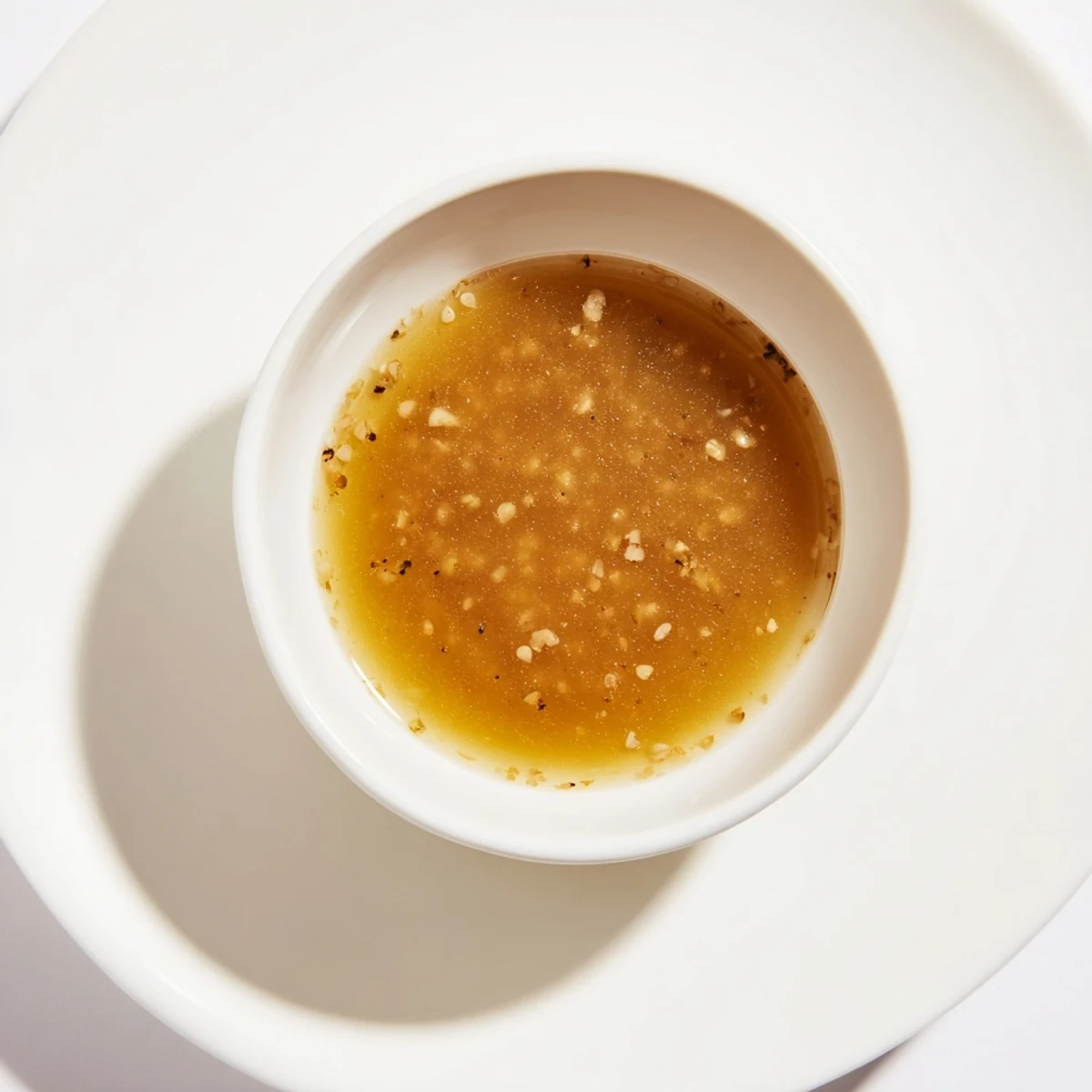
Save My favorite moment with this sauce came when my mother tasted it poured over her mashed potatoes at lunch. She closed her eyes for a moment, took another spoonful, and said, 'This tastes like restaurant quality.' That simple compliment made me realize that cooking isn't about complicated techniques—it's about respecting your ingredients and taking your time.
Variations to Explore
Once you've mastered the basic version, you'll start seeing endless possibilities. A splash of cream transforms it into something richer and more decadent—perfect for special occasions. Red wine instead of white wine gives you an entirely different flavor profile that pairs beautifully with beef or mushrooms. I've made versions with fresh herbs like tarragon or rosemary at the end, and each one felt brand new while still familiar.
Pairing Suggestions
This sauce is genuinely versatile in ways that surprised me. I started making it for roasted chicken, but then I discovered how incredible it is drizzled over steamed broccoli or spooned next to creamy mashed potatoes. A friend mentioned using it as a dipping sauce for bread at dinner parties, and now that's become my signature move. The sauce respects whatever you pair it with instead of overwhelming it.
Adapting for Different Diets
I've made this sauce for vegan friends by swapping the butter for good quality olive oil, and honestly, it's just as delicious in a completely different way. For gluten-free versions, rice flour or cornstarch work beautifully in place of all-purpose flour, and tamari becomes your soy sauce substitute. The beauty of this sauce is that it's flexible enough to work with your dietary needs without losing any of its soul.
- Use plant-based butter or olive oil for a vegan version that tastes just as rich and satisfying
- Tamari instead of soy sauce keeps it gluten-free while maintaining that umami depth
- The technique stays the same no matter what substitutions you make, so once you learn it, you own it
 Save
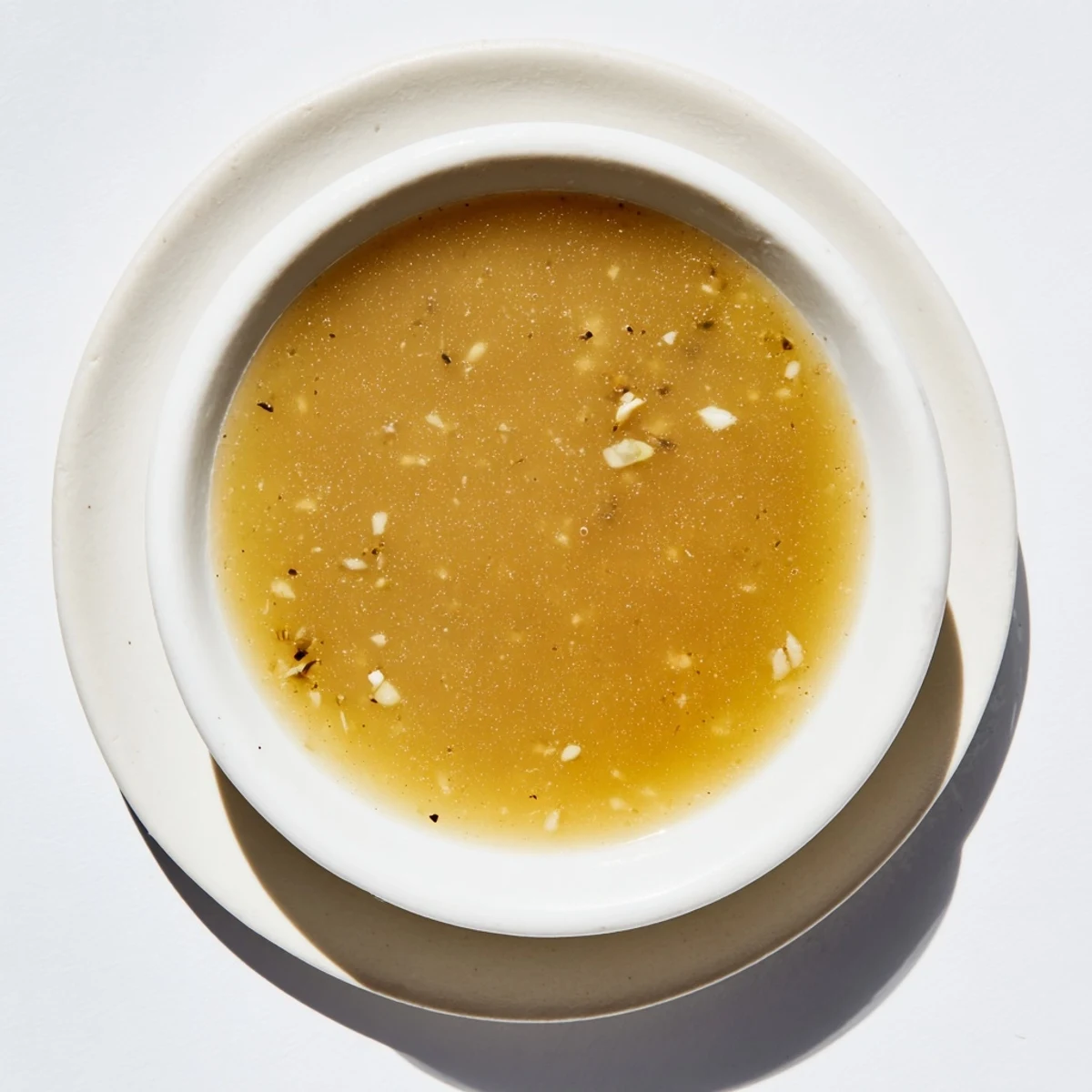
Save This sauce has become my answer to 'What's for dinner?' because it makes everything feel intentional and special. Every time you make it, you're learning something new about flavor and technique.
Recipe FAQs
- → What can I use instead of butter for a vegan version?
-
Olive oil or plant-based butter works as a great substitute to keep the sauce rich and flavorful.
- → Can I replace white wine in the sauce?
-
Yes, substitute with additional vegetable broth or red wine for a deeper flavor profile.
- → How do I achieve a smooth texture in the sauce?
-
Straining the sauce through a fine mesh strainer after cooking will create a silky texture.
- → What dishes pair well with this sauce?
-
It complements roasted meats, steamed vegetables, and mashed potatoes beautifully.
- → Is the sauce gluten-free?
-
To make it gluten-free, use gluten-free flour and tamari instead of soy sauce.