
 Save
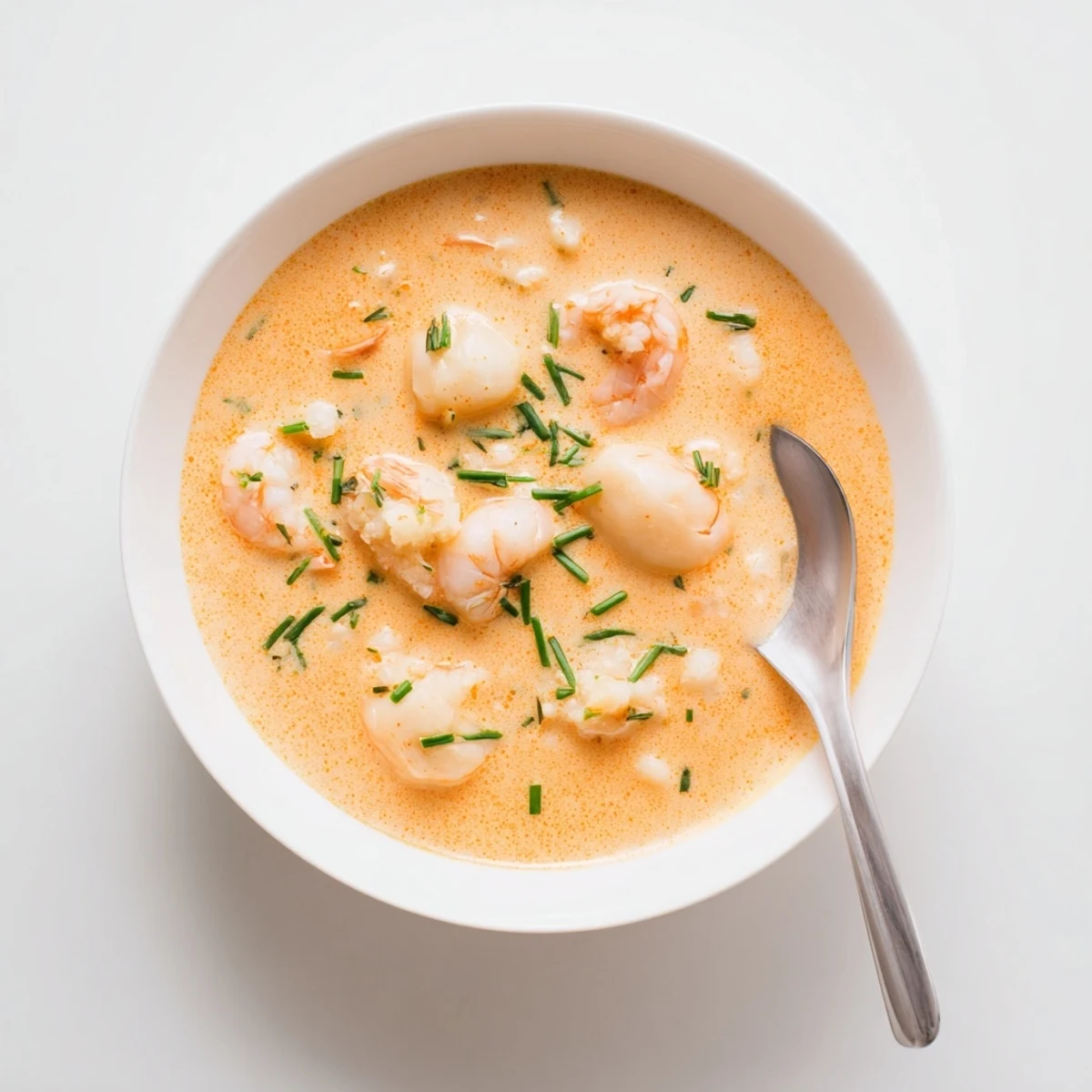
Save This luxurious French bisque combines the finest seafood—shrimp, scallops, and lump crab meat—in a velvety, aromatic broth. The classic preparation begins with a foundation of sautéed vegetables seasoned with tomato paste, paprika, and a hint of cayenne. After simmering with white wine and seafood stock, the soup is pureed to silky smoothness before being enriched with heavy cream. The tender seafood is returned to the pot along with fresh lemon juice for brightness. Each spoonful delivers deep ocean flavors balanced by the richness of cream and the subtle warmth of spices.
The steam rising from my first attempt at seafood bisque filled the entire apartment, that unmistakable coastal perfume of shellfish and cream making it impossible to concentrate on anything else. I'd been intimidated by French soups for years, assuming they required technique beyond my reach, but standing there in my tiny kitchen with an immersion blender and a pot of bubbling amber liquid, I realized the secret was mostly patience and good ingredients. My roommate wandered in, drawn by the smell, and we ended up eating it straight from standing position by the stove, burning our tongues slightly because neither of us could wait for it to cool down properly.
I made this for a dinner party last winter when snow was falling outside, something about the warmth and coral pink color feeling like defiance against the grey weather. One guest, who claimed to despise soup as a meal category, went back for third servings and eventually asked for the recipe, which I consider the highest possible compliment. There's something profoundly satisfying about serving something that looks and tastes like it required hours of professional technique when actually it came together in under an hour on a Tuesday evening.
Ingredients
- Shrimp: The shells create incredible depth if you simmer them in stock first, a trick I learned from a fishmonger who tired of me buying just the meat
- Scallops: Choose dry pack scallops rather than wet treated ones, as they sear better and don't release excess water into your carefully balanced soup
- Lump crab meat: This is your luxury element, so buy the best quality you can find and handle it gently to keep those beautiful chunks intact
- Onion, celery, carrot: This classic mirepoix foundation might seem humble, but it provides the essential sweet backbone that balances the seafood intensity
- Garlic: Mince it fresh rather than using jarred garlic, as the pungent sharpness mellows beautifully into the cream base
- Dry white wine: Something crisp and acidic like Sauvignon Blanc works perfectly, and don't worry about finishing the bottle while you cook
- Seafood stock: Homemade is ideal but if you buy it, look for one without overwhelming salt since you'll be reducing it slightly
- Heavy cream: The bisque needs this full fat content to achieve that velvety mouthfeel that makes restaurant versions so memorable
- Tomato paste: This creates that characteristic sunset color and adds a subtle undertone that bridges the sweetness of shellfish and the aromatic vegetables
- Butter and olive oil: Using both gives you the rich flavor notes of butter while the olive oil prevents burning during the longer sauté
- Bay leaf: One is plenty, but don't forget to fish it out before pureeing unless you want unexpected texture in your smooth soup
- Cayenne pepper: Just enough to create warmth at the back of your throat, not heat that overwhelms the delicate seafood flavor
- Paprika: Sweet Hungarian paprika adds color and a mild fruitiness that complements rather than competes with the crab and shrimp
- Fresh lemon juice: This brightening element is absolutely crucial, cutting through the richness and making each spoonful taste alive rather than heavy
- Fresh chives or parsley: Chives bring a mild onion note that echoes the aromatics while parsley adds fresh green color against the coral pink soup
Instructions
- Build your aromatic foundation:
- Melt the butter with olive oil in your largest saucepan over medium heat, then add the chopped onion, celery, carrot, and minced garlic. Let them soften slowly until they're fragrant and translucent, about 4 to 5 minutes, stirring occasionally to prevent any browning.
- Bloom the spices:
- Stir in the tomato paste, cayenne, paprika, and bay leaf, letting everything cook together for another 2 minutes. The tomato paste will darken slightly and caramelize, which deepens its flavor and helps dissolve any raw powder taste from the spices.
- Deglaze with wine:
- Pour in the white wine and let it bubble for 2 minutes, using your wooden spoon to scrape up any flavorful brown bits stuck to the bottom of the pan. This step concentrates the wine's acidity and incorporates all those caramelized flavors back into the soup.
- Simmer the base:
- Add the seafood stock and bring everything to a gentle boil, then reduce heat and let it simmer uncovered for 15 minutes. The liquid will reduce slightly, concentrating the flavors and allowing all the ingredients to meld into a cohesive foundation.
- Cook the seafood:
- Add the shrimp and scallops to the simmering base and cook until they're just opaque, about 3 to 4 minutes. Remove them immediately with a slotted spoon, chop coarsely, and set aside—this prevents overcooking and keeps the seafood tender.
- Create the velvet texture:
- Puree the soup directly in the pot with an immersion blender until completely smooth, or work in batches with a regular blender if that's what you have. Take care with hot soup in a conventional blender, venting slightly and covering the lid with a kitchen towel.
- Enrich and finish:
- Return the smooth soup to the heat and stir in the heavy cream, fresh lemon juice, and the reserved chopped seafood including the crab meat. Let everything simmer together for just 5 minutes to marry the flavors, then season with salt and pepper to taste.
- Serve with ceremony:
- Ladle the bisque into warmed bowls and scatter fresh chives or parsley across the surface, letting them float like little green confetti on the coral pink soup. Serve immediately while the texture is at its silkiest and the seafood is still perfectly tender.
 Save
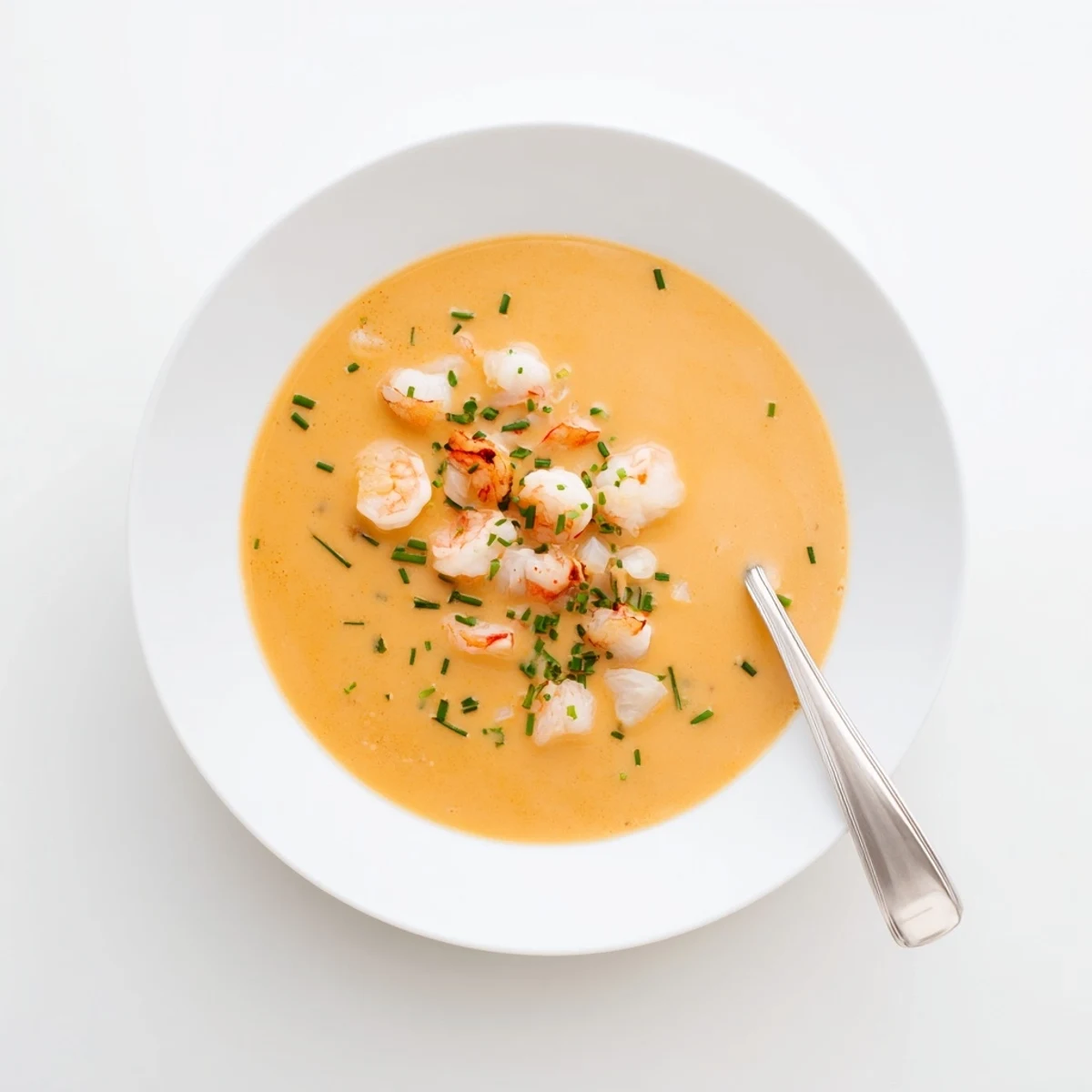
Save This soup became my go to for what I call rescue dinners, those evenings when something has gone wrong during the day and I need the comfort of stirring something aromatic and creamy. Standing at the stove, watching the transformation from rough chopped vegetables to smooth rose colored liquid, feels like a small act of reclaiming control. The first spoonful always tastes like everything might actually be okay after all.
Making It Ahead
You can prepare the base completely through the pureeing step up to two days in advance, cooling it quickly and storing it in an airtight container in the refrigerator. When you're ready to serve, reheat gently and stir in the cream and seafood at the very last minute—this prevents the seafood from becoming tough and the cream from separating. I've done this for dinner parties and it reduces the stress dramatically, letting me enjoy my guests instead of being tethered to the stove.
Stock Secret
If you have access to shrimp shells, simmer them in your stock for twenty minutes before starting the actual recipe, then strain them out thoroughly. This extra step creates a depth that makes people think you've been cooking all day, and it's become such a habit that I now ask the fishmonger to save the shells whenever I buy shrimp. One time I forgot and tried adding the shells directly to the soup, which created an unforgettable texture disaster and taught me the importance of that straining step.
Serving Suggestions
A crusty baguette, lightly toasted and rubbed with raw garlic while still warm, is the perfect vessel for sopping up every drop. The soup is substantial enough to serve as a main course with a simple green salad dressed with nothing more than good olive oil and lemon juice. Consider open white wine to echo what's in the bisque, something with enough acid to cut through the cream without overpowering the delicate seafood flavors.
- Grate a little fresh nutmeg over each serving for an unexpected warm spice note that pairs beautifully with shellfish
- Offer additional cayenne or hot sauce at the table for guests who prefer more heat in their bowl
- Keep the garnish elements separate until serving to maintain their bright green color against the pink soup
 Save
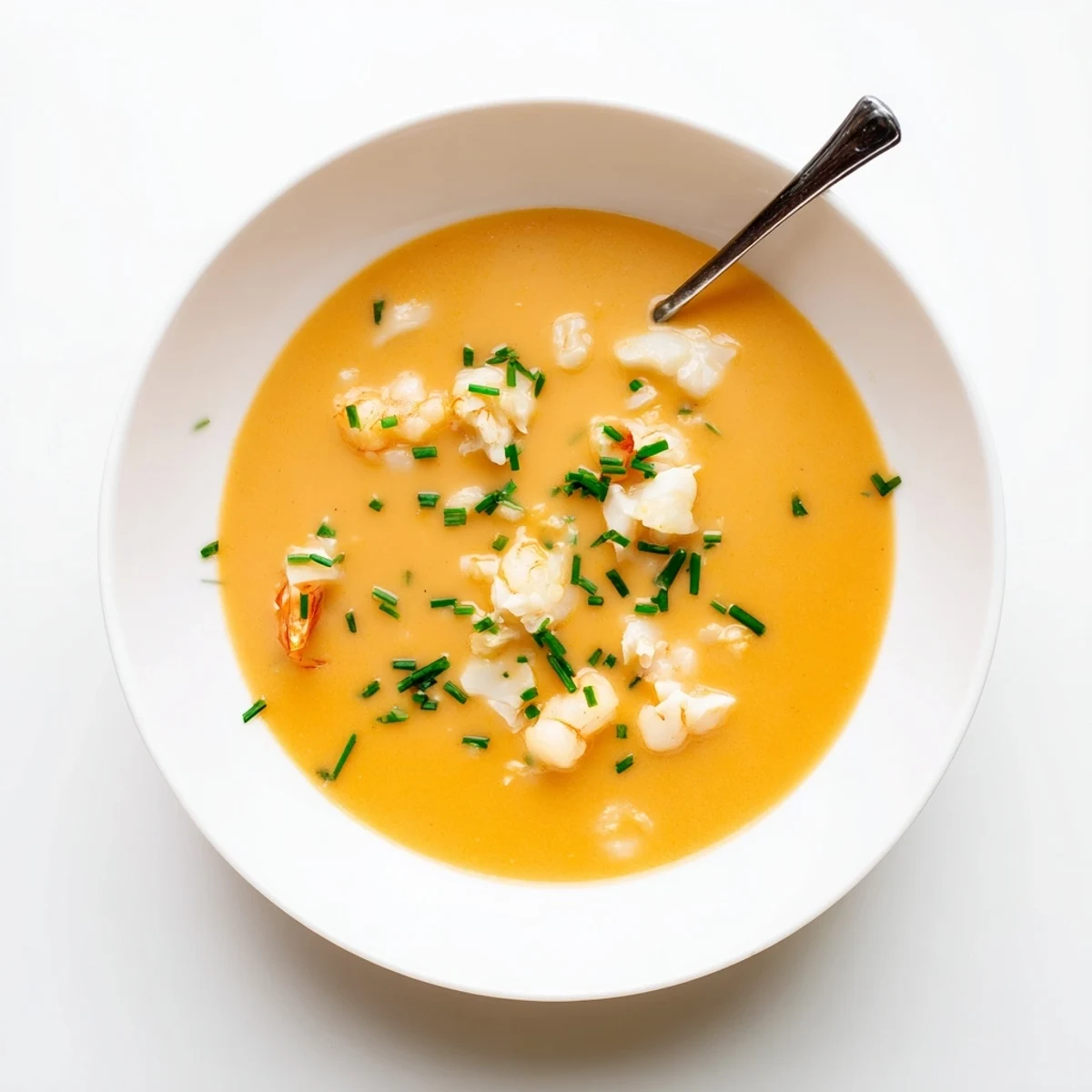
Save There's something about making bisque that feels like participating in a centuries old tradition, and yet it adapts beautifully to modern life. May your kitchen fill with steam and your spoon never reach the bottom of the bowl.
Recipe FAQs
- → What makes a bisque different from regular soup?
-
A bisque is a smooth, creamy soup of French origin that's traditionally made with shellfish. What distinguishes it is the combination of pureed aromatics creating a silky texture, enriched with cream, and the addition of tender pieces of seafood. The flavors are concentrated through simmering, resulting in a luxurious, velvety consistency.
- → Can I make this bisque ahead of time?
-
Yes, you can prepare this bisque up to 2 days in advance. Store it in an airtight container in the refrigerator. When ready to serve, gently reheat over low heat, stirring occasionally. You may need to add a splash of cream or stock if it has thickened too much. Add the fresh herbs and lemon juice just before serving.
- → What type of seafood works best in this bisque?
-
The combination of shrimp, scallops, and crab meat provides excellent variety in both texture and flavor. Shrimp adds sweetness, scallops contribute a delicate tenderness, and crab meat brings a rich, briny depth. You can also include lobster or substitute different shellfish based on availability and preference, though the classic trio offers the most balanced results.
- → Is there a way to make this bisque lighter?
-
To reduce the richness, you can substitute half-and-half or whole milk for some or all of the heavy cream, though the texture will be less velvety. You could also use less butter when sautéing the vegetables. However, keep in mind that the luxurious creaminess is characteristic of a traditional bisque, so significant modifications will change the classic experience.
- → What should I serve with seafood bisque?
-
Crusty French bread or garlic bread is perfect for soaking up the creamy broth. A crisp white wine like Sauvignon Blanc or Chardonnay complements the richness beautifully. For a complete meal, follow with a simple green salad with vinaigrette to cut through the creaminess, or serve as an elegant starter before a lighter main course.
- → Can I freeze seafood bisque?
-
While you can freeze seafood bisque, the cream may separate slightly upon thawing, affecting the smooth texture. If freezing, do so before adding the final cream and seafood—freeze the pureed base, then thaw overnight in the refrigerator. When reheating, add fresh cream and seafood, simmering gently until heated through and the seafood is cooked through.