
 Save
Save This dish features tender chunks of beef slowly cooked in a flavorful blend of tomatoes, red wine, and aromatic herbs. Vegetables like carrots, celery, and garlic build a hearty sauce, perfectly complemented by silky pappardelle pasta. Cook low and slow until the beef shreds easily, then finish with freshly grated Parmesan and basil for brightness. Ideal for a cozy Italian-style main plate.
There's something about the smell of beef slowly breaking down with wine and tomatoes that makes a kitchen feel like home. Years ago, a friend's grandmother taught me that a proper ragu isn't rushed—it's a conversation between heat and time, one that unfolds over hours while you go about your day. This slow cooker version captures that unhurried Italian magic without requiring you to hover over a stove, and somehow that makes it even better.
I made this once for a dinner party on a rainy Sunday, and my friend arrived early just to sit in the kitchen and talk. By the time everyone showed up, the whole house smelled incredible, and there was already this sense of ease in the room. That's when I realized ragu isn't just about feeding people—it's about setting a mood.
Ingredients
- Beef chuck roast: This cut has enough fat and connective tissue to become silky after hours of gentle cooking, so don't be tempted by leaner meat.
- Olive oil: Use decent oil for searing—it's worth it for the flavor foundation you're building.
- Yellow onion, carrots, and celery: The holy trinity that builds depth; don't skip any of them or the sauce loses its soul.
- Garlic cloves: Fresh garlic makes all the difference, so mince it just before adding to preserve the sharpness.
- Dry red wine: A wine you'd actually drink makes a ragu worth making; skip the cooking wine.
- Crushed tomatoes: Canned is better here than fresh because the acidity and consistency are balanced.
- Tomato paste: A small amount concentrates the flavor in a way nothing else can.
- Beef broth: Use homemade if you have it, but good store-bought broth works fine.
- Dried oregano and thyme: These warm up as they cook, so they bloom into something aromatic and almost sweet.
- Bay leaves: They add a subtle earthiness that rounds out everything else.
- Pappardelle pasta: The wide ribbons catch the sauce beautifully, but any pasta works if that's what you have.
- Parmesan cheese and fresh basil: The bright finish that reminds you this is about joy, not just sustenance.
Instructions
- Season and sear the beef:
- Pat the beef chunks dry before you season them—moisture is the enemy of a good sear. Let them sit in the hot oil without moving them around; you want a dark crust that holds deep, savory flavor.
- Build your flavor base:
- When you sauté the onions, carrots, and celery, take your time; they should soften and turn golden at the edges. That golden part is where the real depth comes from, so don't rush this step.
- Deglaze with wine:
- Scrape the bottom of the pan vigorously—those browned bits are pure flavor. The wine will bubble and steam, which means it's doing exactly what you want it to do.
- Combine everything in the slow cooker:
- Pour everything in, stir well, and then just let time do the work. You're aiming for the beef to shred apart easily when you touch it with a fork.
- Finish and shred:
- Remove the bay leaves first (they'll be soft and easy to find). Use two forks to pull the beef into tender strands right in the pot; the forks should meet almost no resistance if it's cooked perfectly.
- Serve over pasta:
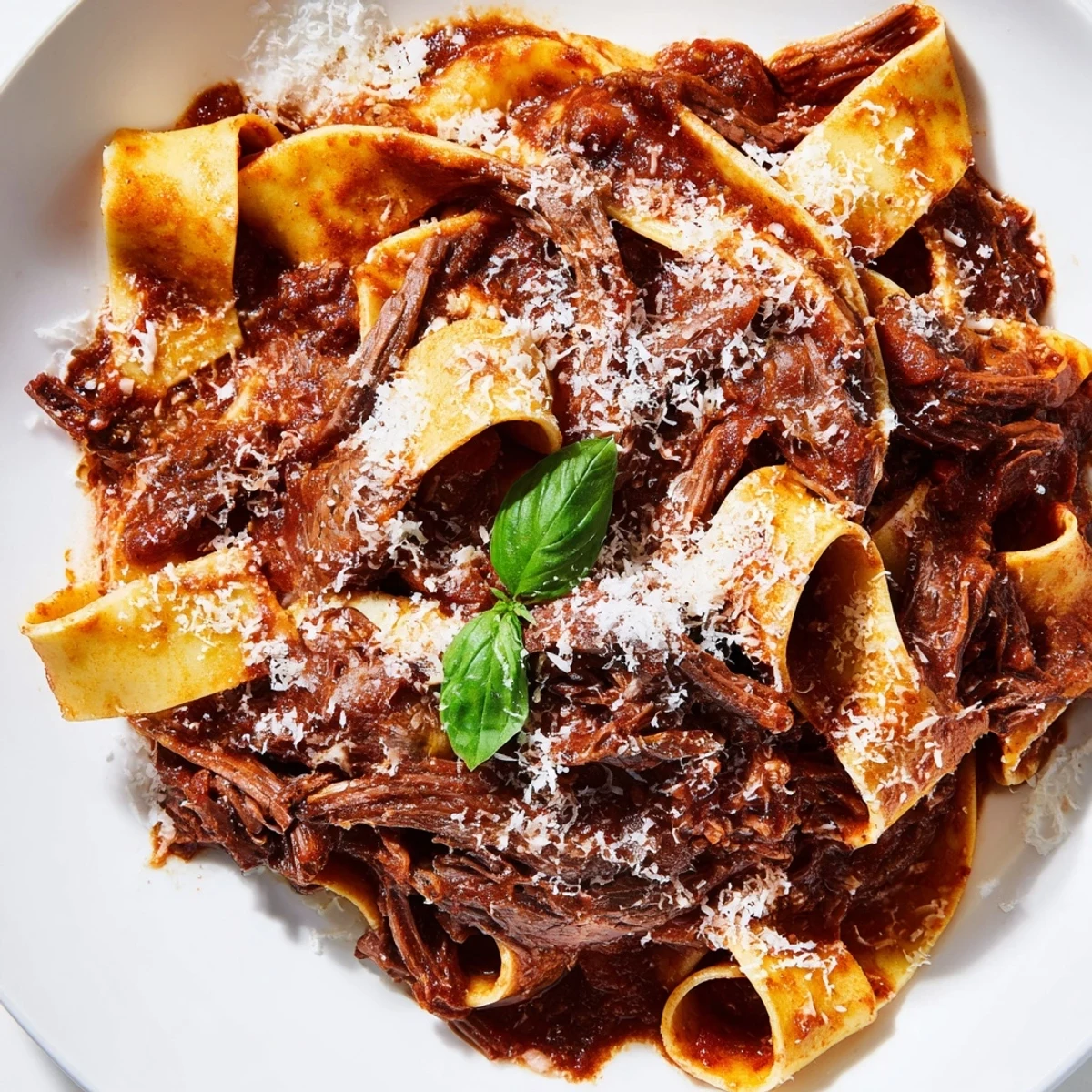
- Toss the cooked pappardelle with a ladle of the ragu before plating, so every strand gets coated. Top with Parmesan and a few basil leaves, and let the steam carry the aroma right to your nose.
 Save
Save The first time I tasted this finished ragu was a small moment that changed how I think about cooking. I'd been anxious the whole day that eight hours wasn't enough, that something would go wrong, but then I lifted the lid and the smell was so complete, so right, that I knew it was perfect.
Making It Your Own
This ragu is forgiving enough to adapt to what you have on hand. If you don't have pappardelle, any pasta will work beautifully—tagliatelle and fettuccine are particularly lovely because they hold the sauce in all their folds. The recipe also works with different meats; I've made versions with pork shoulder or a mixture of beef and pancetta when I wanted something slightly different.
The Science of Slow Cooking
What's happening in the slow cooker is actually straightforward chemistry. The low, steady heat breaks down the collagen in the beef chuck into gelatin, which makes the sauce silky and gives it body without any cream or flour. The tomatoes break down slowly too, their acidity mellowing as the hours pass. This is why a slow cooker ragu tastes so much rounder and softer than a quickly made version.
Serving and Storage
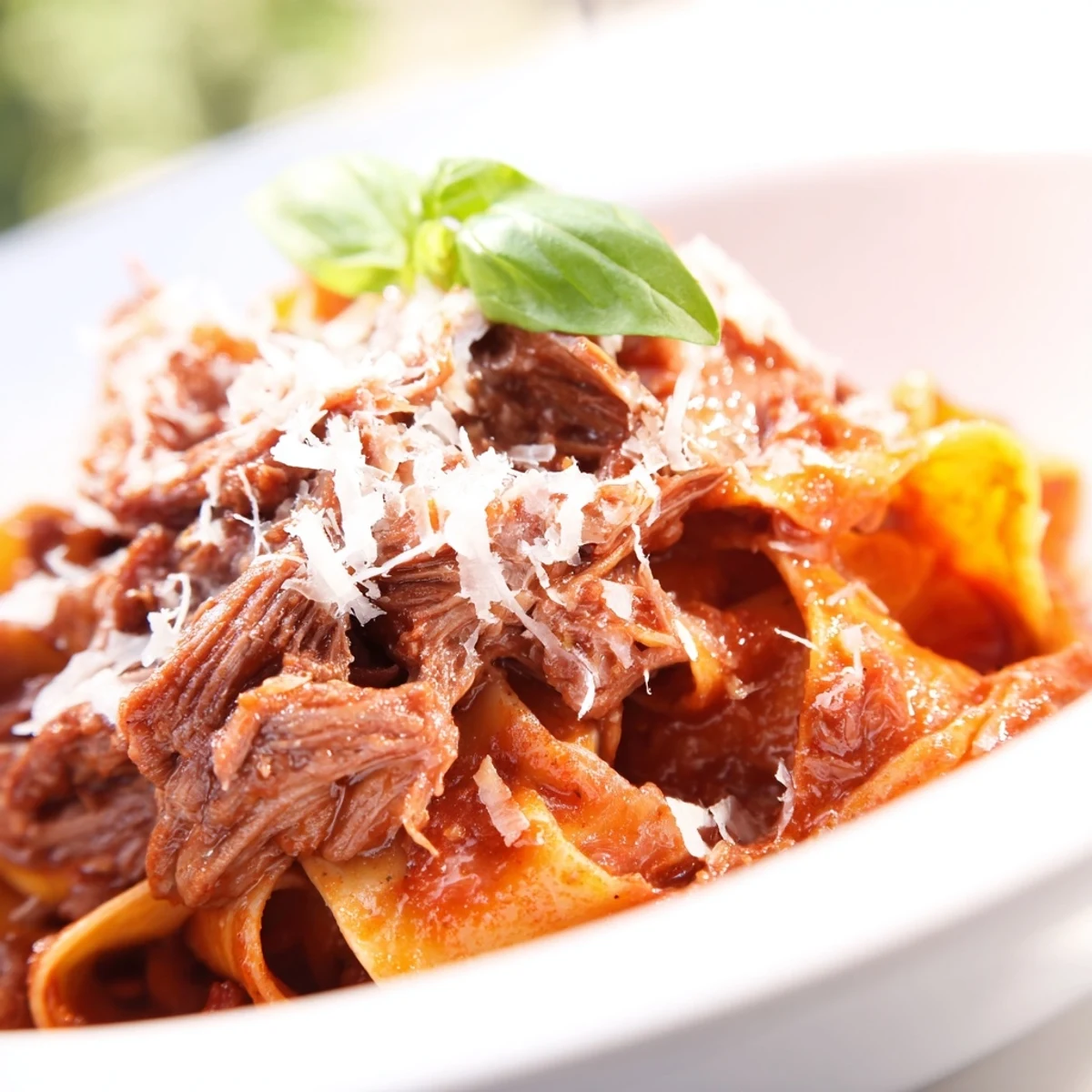
This ragu tastes even better the next day or two, as the flavors continue to marry and deepen. I've found that letting it sit in the fridge overnight and reheating it gently brings out flavors that somehow weren't as obvious the first time. It also freezes beautifully for up to three months, so doubling the recipe is never a bad idea.
- Make it the day before and reheat gently on the stove while the pasta cooks for an almost effortless dinner.
- Spoon extra sauce over the pasta before topping with cheese—there's no such thing as too much ragu.
- A glass of the same wine you cooked with is the perfect companion to the meal.
 Save
Save There's a reason ragu has been made the same way in Italy for centuries—it simply works. Let this recipe remind you that some of the best food comes not from complexity, but from patience and good ingredients given time to become something greater than themselves.
Recipe FAQs
- → How long should the beef cook for optimal tenderness?
-
Cooking the beef on low heat for about 8 hours ensures it becomes tender enough to shred easily, infusing the sauce with rich flavors.
- → Can I use a different type of pasta instead of pappardelle?
-
Yes, tagliatelle or fettuccine work well as alternatives, providing a similar texture to hold the sauce.
- → What wine pairs best with this dish?
-
Chianti or Sangiovese complement the rich, savory flavors of the slow-cooked beef and tomato sauce beautifully.
- → Is it necessary to sear the beef before slow cooking?
-
Searing the beef develops deeper flavor and a richer color, enhancing the overall taste of the sauce.
- → Can I make the sauce smoother?
-
Yes, using an immersion blender on the sauce before returning the shredded beef creates a velvety texture.