
 Save
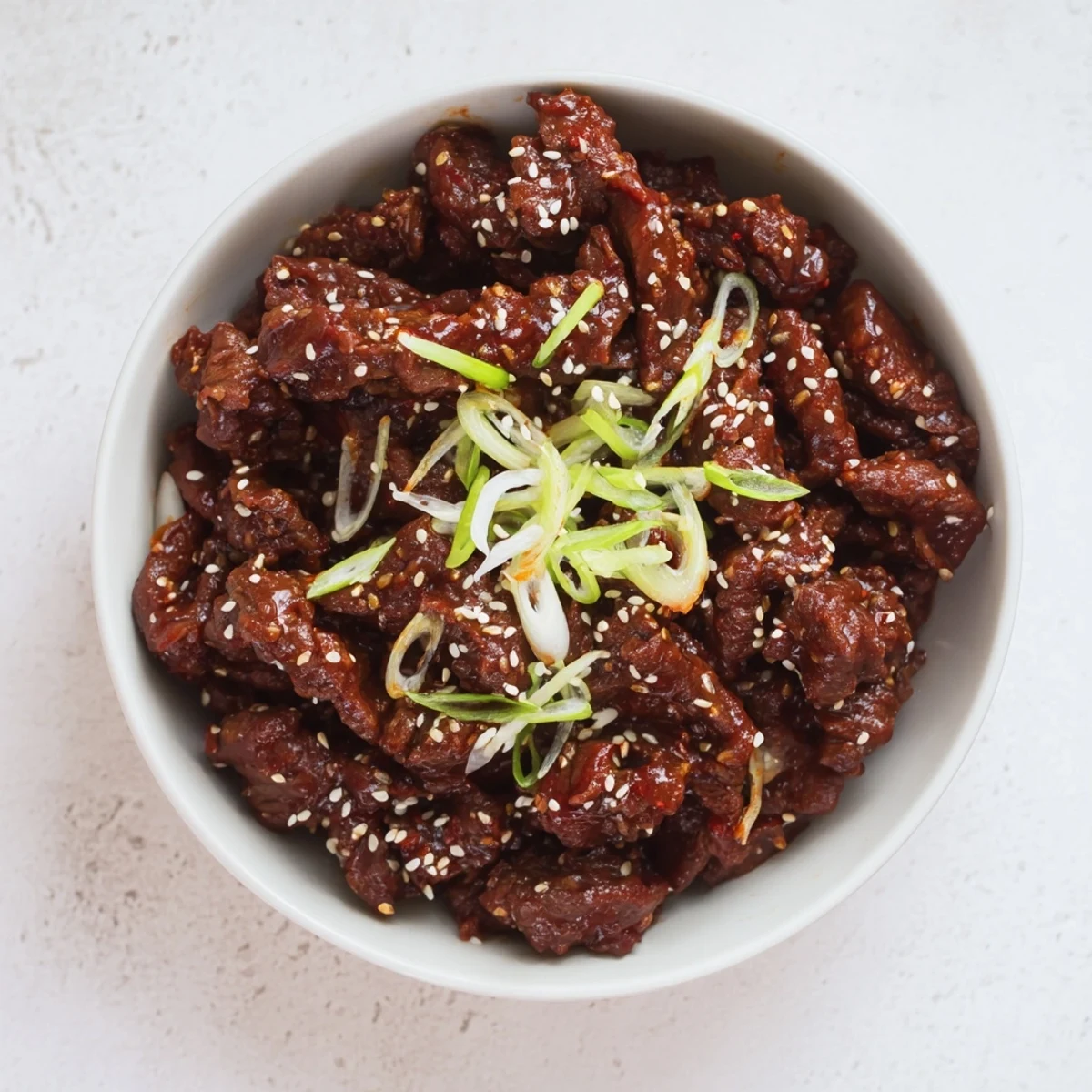
Save This melt-in-your-mouth beef develops incredible flavor after slow-cooking for hours in a rich Korean-inspired sauce. The combination of soy sauce, brown sugar, sesame oil, garlic, ginger, and gochujang creates a perfect balance of savory and sweet that permeates every bite. Simply place everything in your slow cooker, set it, and come home to fork-tender meat that shreds effortlessly. Serve over fluffy steamed rice for a hearty bowl or wrap in crisp lettuce cups for a lighter option. The sauce thickens beautifully during cooking, coating each piece of beef in glossy perfection.
The smell of sesame oil and garlic hitting a hot pan always transports me back to my tiny apartment kitchen where I first attempted Korean cooking. I'd bought a tiny jar of gochujang after a friend raved about it, and that mysterious red paste sat in my pantry for months until one snowy Sunday when I decided to just go for it. The slow cooker hummed away all day while I worked, and walking into that fragrant house felt like coming home to a place I'd never been.
I made this for my sister's birthday dinner last year, serving it family style with steaming bowls of rice and a mountain of lettuce wraps. She took one bite, closed her eyes, and immediately asked for the recipe. That's when I knew this wasn't just good—it was the kind of good that makes people pause their busy lives for a moment of pure enjoyment.
Ingredients
- Beef chuck roast: The marbling in chuck roast melts down during slow cooking, creating that impossibly tender texture that makes this dish sing. Cutting it into 2-inch pieces helps it cook evenly and absorb all that gorgeous sauce.
- Low-sodium soy sauce: Starting with lower sodium soy sauce lets you control the salt level since the sauce reduces and concentrates during cooking.
- Brown sugar: This balances the salty soy sauce and adds that subtle caramel note that makes Korean beef so addictive.
- Sesame oil: This is the backbone of Korean flavor—use toasted sesame oil, not the plain stuff, for that deep nutty aroma.
- Gochujang: Korean chili paste brings a fermented depth and gentle heat that you just cant replicate with regular hot sauce. Find it in the international aisle or at an Asian market.
- Fresh ginger: Dried ginger simply wont give you that bright, zesty kick that cuts through the rich beef.
- Rice vinegar: Adds just enough acid to brighten all those rich flavors without making the sauce taste sharp.
- Onion: As it slow cooks, the onion melts into the sauce, adding natural sweetness and body.
- Cornstarch: Optional, but if you love that thick, glossy restaurant style sauce that coats every bite of rice, you'll want this in your back pocket.
Instructions
- Get your beef ready:
- Cut your chuck roast into 2-inch chunks, trimming any really large pockets of fat but keeping enough for flavor. Toss the beef and sliced onions into your slow cooker—the onions will form a flavorful bed for the meat.
- Whisk up the magic sauce:
- In a medium bowl, combine soy sauce, brown sugar, sesame oil, minced garlic, grated ginger, rice vinegar, gochujang, sesame seeds, and black pepper. Whisk until the brown sugar dissolves and the mixture is smooth.
- Coat everything beautifully:
- Pour the sauce over the beef and onions, using tongs to toss everything together gently. Make sure all those beef pieces get cozy with that gorgeous red sauce.
- Let the slow cooker work its magic:
- Cover and cook on low for 8 hours or high for 4 hours. Your kitchen will start smelling incredible about halfway through—try not to lift the lid too often.
- Thicken if you like it saucy:
- For a thicker sauce that clings to the beef, whisk cornstarch with water to make a slurry. Stir it in during the last 30 minutes and watch the sauce transform into something glossy and gorgeous.
- Shred and serve:
- Use two forks to shred the beef right in the slow cooker, mixing it with all that flavorful sauce. Pile it over rice or wrap it in lettuce leaves, then scatter green onions and extra sesame seeds on top like you're running a restaurant.
 Save
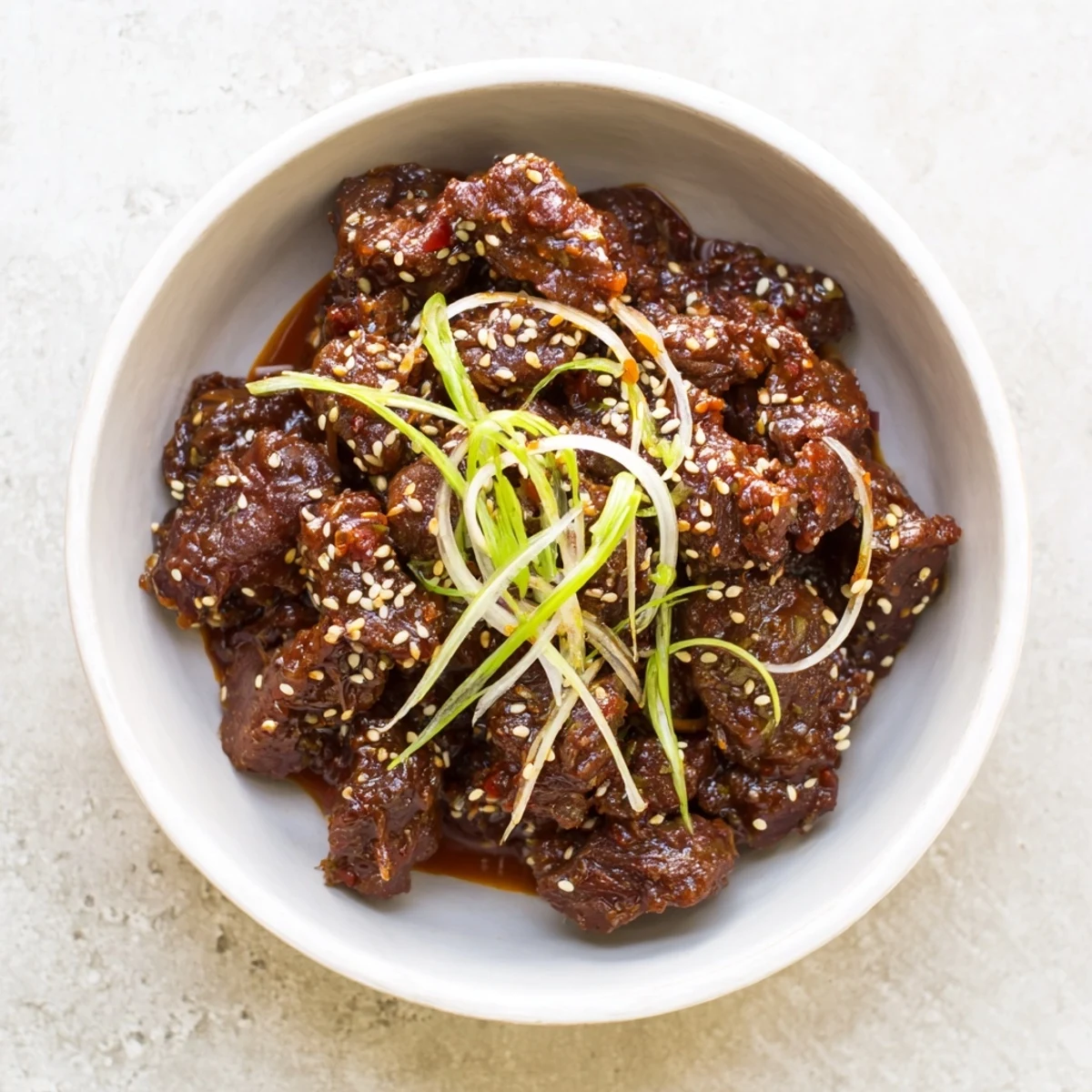
Save This recipe has become my go-to for Sunday meal prep because it fills the house with such comforting aromas all day long. There's something deeply satisfying about knowing dinner is taking care of itself while I go about my weekend.
Rice Perfection
I always use short grain white rice for this dish—it gets sticky and clings to the sauce in ways long grain simply wont. Rinse your rice until the water runs clear before cooking for restaurant quality texture at home.
Lettuce Wraps Done Right
Butter lettuce or Boston lettuce leaves make the perfect vehicle for this beef. Their cup shape holds everything beautifully, and their mild crunch balances the rich, tender meat perfectly.
Make It Your Own
Once you've made this recipe a few times, you'll start noticing how small tweaks change the whole experience. That's when it really becomes yours.
- Add a splash of rice vinegar right before serving if you love bright, acidic flavors
- Stir in some sautéed mushrooms during the last hour for extra umami depth
- Top with pickled carrots and daikon for that authentic banchan experience
 Save
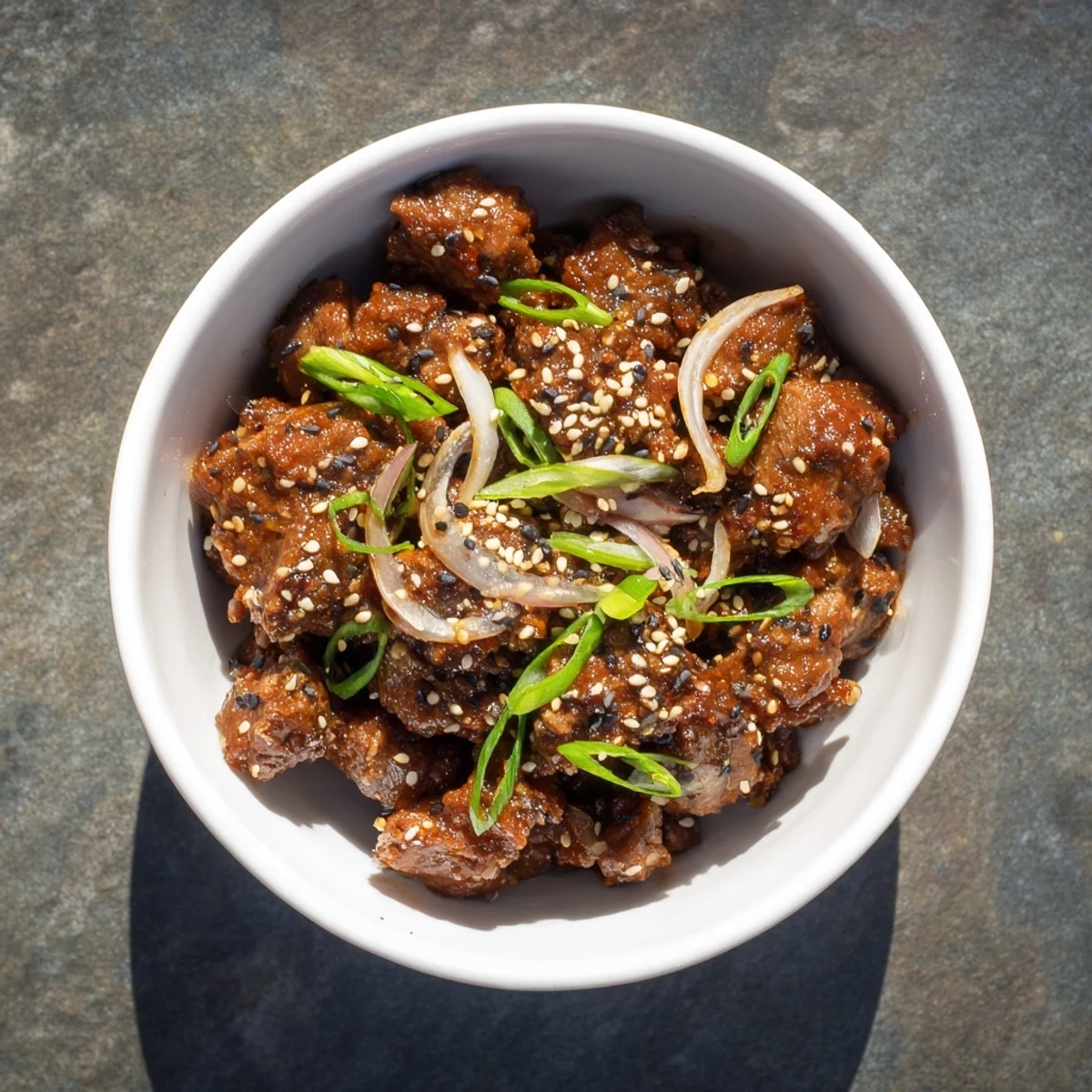
Save Gather your people, pass the rice, and watch how something so simple can bring everyone to the table.
Recipe FAQs
- → What cut of beef works best?
-
Chuck roast is ideal because it becomes meltingly tender after long, slow cooking. Brisket or round roast also work well for this preparation.
- → Can I make this spicier?
-
Absolutely. Increase the gochujang amount, add red pepper flakes, or include fresh minced chili peppers to amp up the heat to your preference.
- → How long will leftovers keep?
-
Store in an airtight container in the refrigerator for up to 3 days. The flavors continue to develop and often taste even better the next day.
- → Can I freeze this dish?
-
Yes, freeze cooled portions in freezer-safe containers for up to 3 months. Thaw overnight in the refrigerator before reheating gently on the stovetop.
- → What can I serve alongside?
-
Steamed jasmine rice is classic, but try it with cauliflower rice for a low-carb option. Kimchi, pickled vegetables, or fresh cucumber salad make excellent sides.
- → Is this gluten-free?
-
Use tamari instead of soy sauce and verify your gochujang is gluten-free to make this dish completely gluten-free while maintaining all the delicious flavor.