
 Save
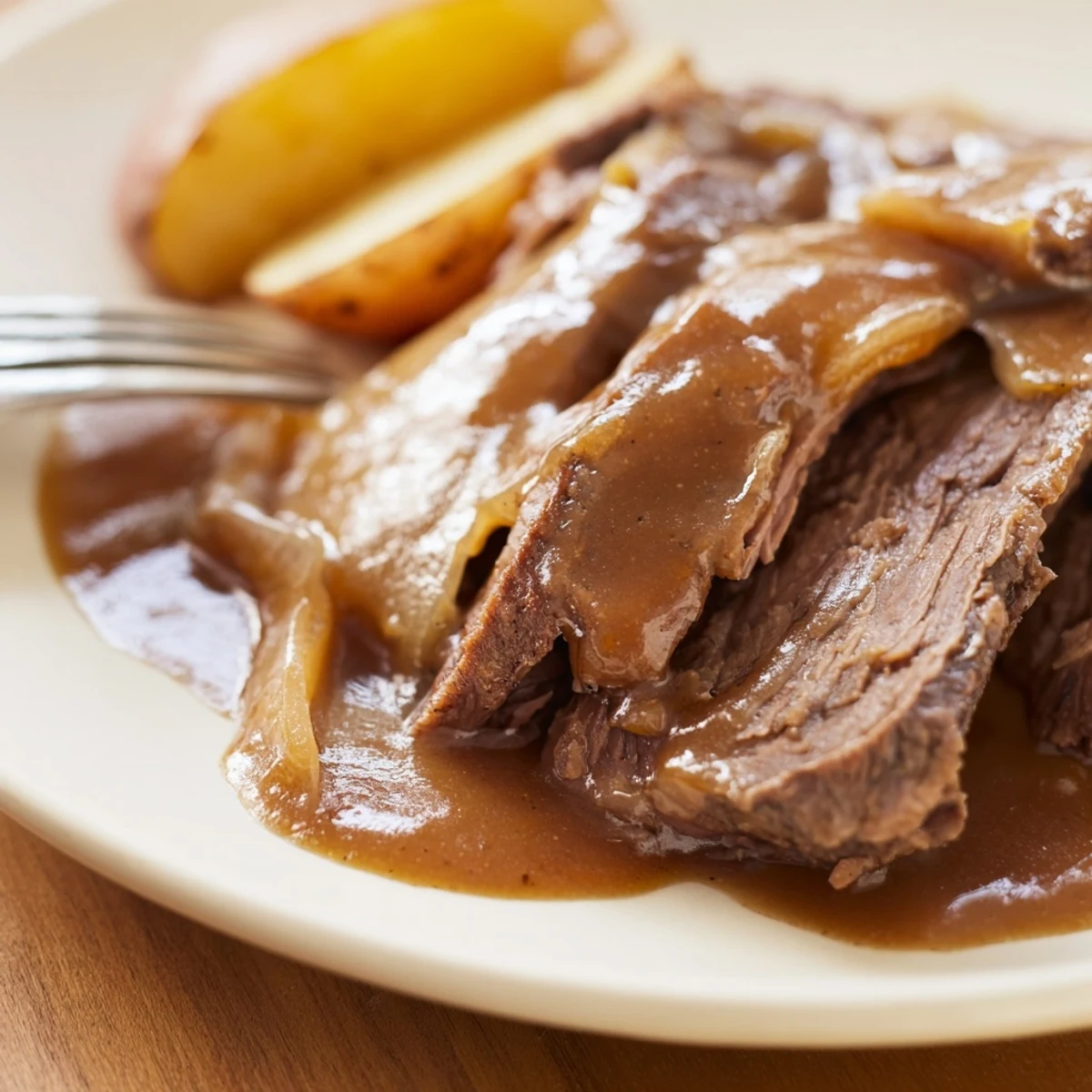
Save This dish features a well-seasoned beef chuck roast seared and slow-cooked with carrots, potatoes, celery, and onion in a flavorful beef broth enhanced with herbs like thyme, rosemary, and bay leaves. Optional red wine and Worcestershire sauce add depth to the savory broth. Cooking slowly until the beef is tender allows flavors to meld and vegetables to soften. For extra richness, the cooking liquid can be thickened into a gravy. It’s a comforting, hands-off way to enjoy robust, hearty tastes ideal for a wholesome meal.
There's something about a slow cooker that whispers permission to disappear for the afternoon. Years ago, I'd inherited my grandmother's instinct for pot roast, though I'd always rushed it in the oven, hovering nervously. One rainy Sunday, a friend's casual suggestion—just throw it in low and forget about it—changed everything. Eight hours later, the kitchen smelled like home, and I finally understood why she'd made it look so effortless.
I made this for my partner on a particularly rough Wednesday when neither of us had energy for cooking. I'd prepped everything the night before, and in the morning, I just needed five minutes to sear the roast and dump everything into the slow cooker. When he came home, tired and skeptical about dinner, the look on his face when he opened that door and felt the warmth and smelled the herbs—that's when I knew this recipe had quiet power.
Ingredients
- Beef chuck roast (3–4 lb): Chuck has the right amount of marbling and connective tissue to become silky after slow cooking; trimming excess fat prevents the gravy from becoming greasy.
- Carrots (4 large): Cut them larger than you think necessary—they'll soften but hold their shape and add natural sweetness to the broth.
- Russet potatoes (3 medium): Waxy potatoes can fall apart; russets stay intact and absorb flavor beautifully.
- Celery (2 stalks): This is your umami anchor, building depth in the background without taking center stage.
- Yellow onion (1 large): The wedges break down into the gravy, thickening it naturally while adding sweetness.
- Garlic (4 cloves): Minced rather than whole, so it distributes evenly throughout and mellows into the broth.
- Beef broth (2 cups): Use good broth—homemade is wonderful, but a quality store-bought version makes a real difference in the final taste.
- Dry red wine (1/3 cup): Optional, but it adds complexity; the alcohol cooks off, leaving only subtle richness.
- Worcestershire sauce (2 tbsp): This is the secret ingredient that makes people ask what's in it; it adds savory depth without announcing itself.
- Dried thyme and rosemary (1 tsp each): These woody herbs infuse slowly without turning bitter, unlike fresh herbs that can become harsh.
- Bay leaves (2): They flavor the broth but must be removed before serving—learned that lesson only once.
- Olive oil (2 tbsp): For searing; use something you wouldn't cry about cooking with, since it'll mostly stay in the pan.
- Cornstarch and water (optional): Only for thickening if you prefer a glossy gravy; the dish is perfectly fine without it.
Instructions
- Season and sear the roast:
- Pat the beef dry and coat all sides generously with salt and pepper. Heat olive oil in a skillet until it shimmers, then place the roast in—you'll hear it sizzle immediately. Let each side develop a dark crust (about 3–4 minutes per side); this creates flavor through the Maillard reaction, so don't rush it.
- Transfer to the slow cooker:
- Use tongs to lift the roast into the slow cooker—it will be hot. The sear marks don't need to be perfect, just present.
- Build the vegetable foundation:
- Arrange carrots, potatoes, celery, and onion around the roast so they nestle into the bottom and sides. Scatter minced garlic over everything; it'll dissolve into the liquid and flavor every bite.
- Pour the braising liquid:
- Whisk beef broth, red wine (if using), and Worcestershire sauce together, then pour it over the roast and vegetables. The liquid should come about three-quarters up the roast; it'll create steam and keep everything moist.
- Add the aromatics:
- Sprinkle dried thyme and rosemary over the top, then tuck in the bay leaves. Cover with the slow cooker lid.
- Cook low and slow:
- Set it to LOW for 8 hours or HIGH for 4 hours—low and slow wins for tenderness and flavor development. You'll know it's done when the beef shreds easily with a fork and the vegetables are soft but not falling apart.
- Optional thickening step:
- If you want a glossier gravy, carefully remove 2 cups of the cooking liquid into a small saucepan, discarding the bay leaves. Whisk cornstarch with cold water until smooth, stir it into the liquid, and simmer over medium heat for a few minutes until it coats the back of a spoon. Pour it back over everything for extra richness.
- Plate and serve:
- Slice or shred the roast (shredding gives you more gravy-to-meat ratio), arrange it on a plate with the vegetables, and spoon the broth and gravy generously over top. Serve immediately with crusty bread or steamed greens.
 Save
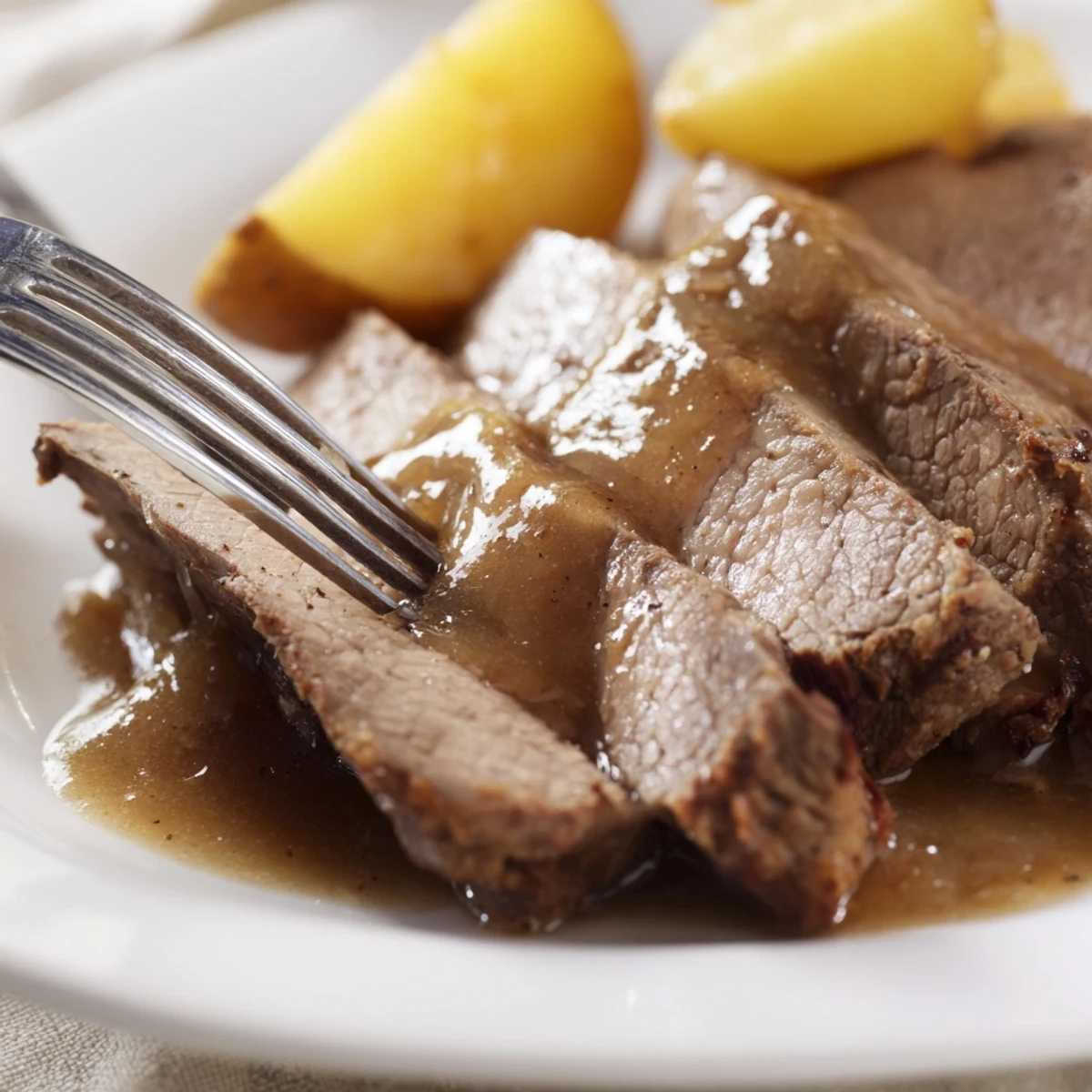
Save The first time I served this to my in-laws, my mother-in-law took one bite and went quiet—not the quiet of judgment, but the quiet of recognition. She later told me it tasted like Sunday afternoons at her mother's house, and something about feeding her that memory felt important in a way I hadn't expected.
Why This Recipe Feels Like Home
Pot roast occupies a rare space in cooking—it's humble enough to be everyday comfort, but special enough to serve for important occasions. The slow cooker removes the stress of timing, which is why it's perfect for busy lives and busy minds. There's a quiet confidence that comes from setting something to cook and knowing that hours later, you'll have something magnificent waiting.
Variations That Keep It Interesting
The beauty of this recipe is how flexible it becomes once you understand the fundamentals. Swap russets for sweet potatoes and you shift toward autumn; add a splash of balsamic vinegar or tomato paste and you deepen the color and add subtle complexity. Some cooks add a tablespoon of soy sauce or a teaspoon of smoked paprika—tiny changes that whisper rather than shout.
Serving and Storage Wisdom
Crusty bread is non-negotiable for soaking up that broth, and a simple green salad or steamed green beans alongside provides brightness against the richness. This dish actually improves when made a day ahead, as flavors settle and deepen overnight in the refrigerator. Reheat gently over low heat, and it tastes even better the second time around.
- Leftovers keep for up to four days in an airtight container in the refrigerator, and freeze beautifully for up to three months.
- Shred any leftover roast and toss it with the gravy for quick weeknight tacos or hearty sandwiches.
- If the gravy seems thin after a day of refrigeration, gently reheat and whisk in a cornstarch slurry to bring it back to that glossy, clingy texture.
 Save
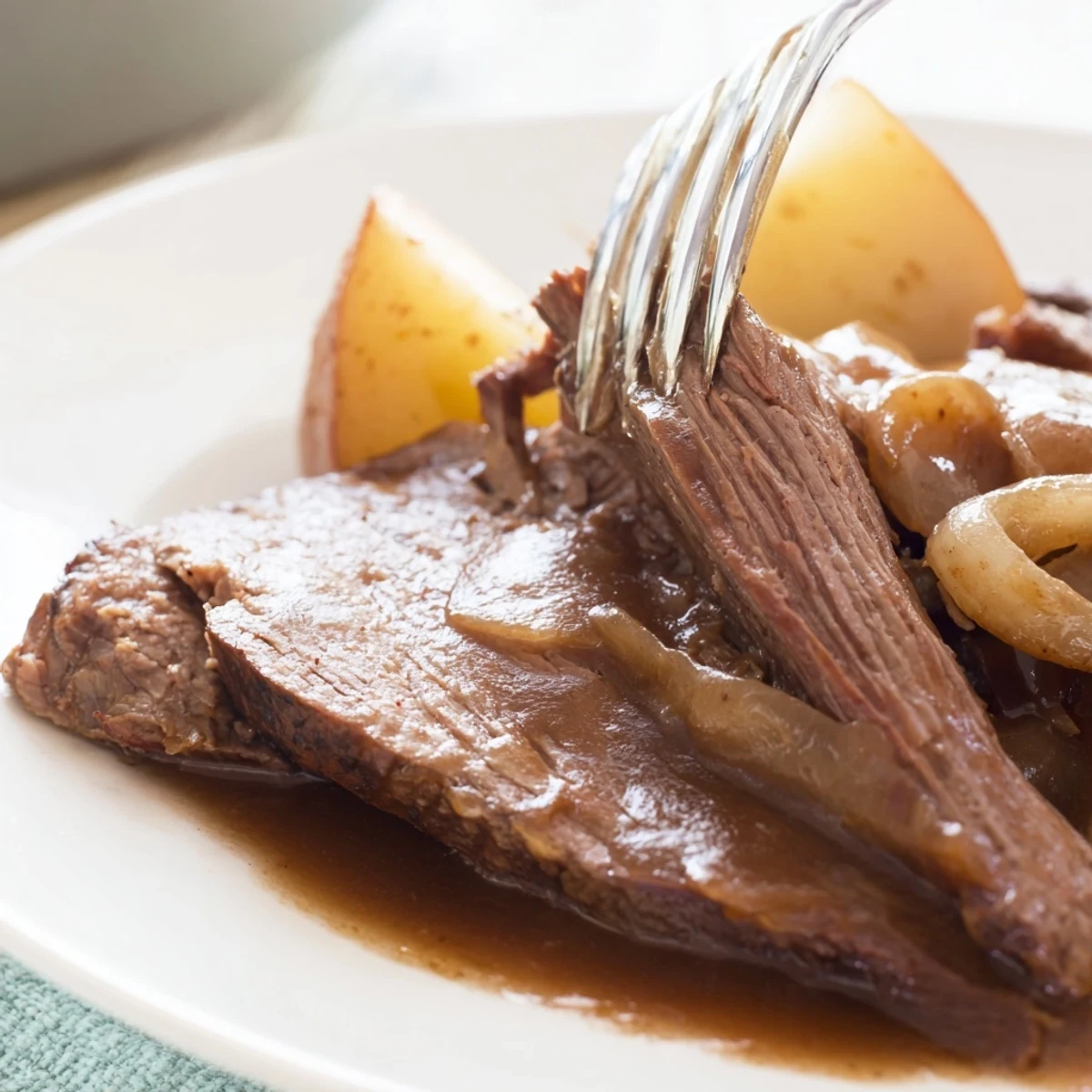
Save There's something deeply satisfying about a kitchen that smells like this, about food that says I cared enough to plan ahead. This is the dish you make for people you love, or for yourself on days when you need that kind of quiet comfort.
Recipe FAQs
- → What cut of beef works best?
-
Beef chuck roast is ideal due to its marbling and toughness that break down during slow cooking for tender meat.
- → Can I use fresh herbs instead of dried?
-
Fresh herbs can be used; typically, triple the amount of fresh herbs is recommended for optimal flavor.
- → How can I thicken the cooking liquid?
-
Mix cornstarch with cold water to create a slurry, then simmer the cooking liquid with it until thickened into a gravy.
- → Is it necessary to sear the roast first?
-
Searing seals in juices and enhances flavor by creating a browned crust before slow cooking.
- → What are good vegetable substitutes?
-
Sweet potatoes can replace russet potatoes, and other root vegetables like parsnips work well too.
- → How can I adapt it for gluten-free diets?
-
Ensure to use gluten-free beef broth and Worcestershire sauce to maintain gluten-free integrity.