
 Save
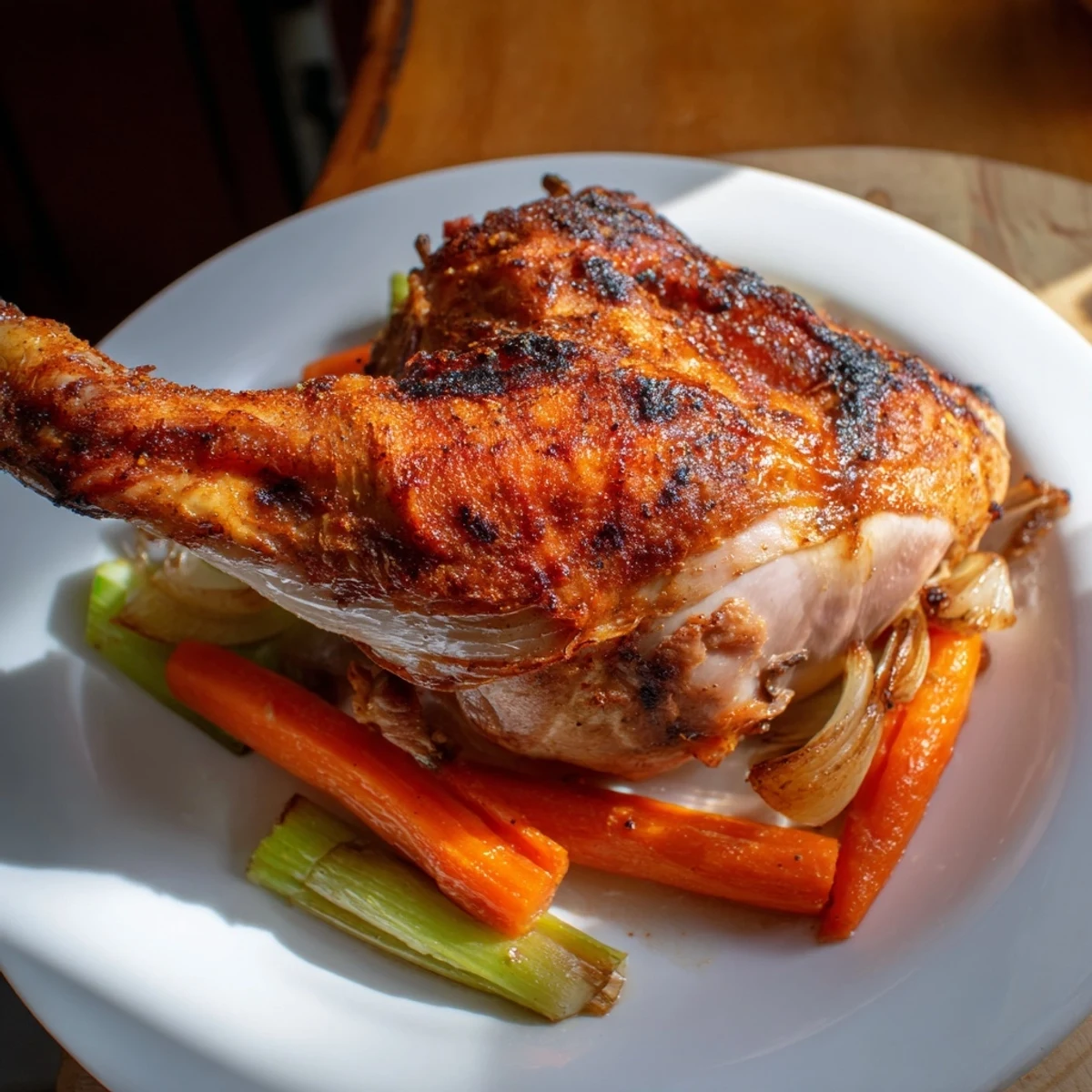
Save Slow-roasting turkey legs at a low temperature ensures tender, juicy meat infused with aromatic herbs like thyme and rosemary. A marinade of olive oil, smoked paprika, garlic, and lemon zest enhances the flavor. Vegetables such as onions, carrots, and celery create a flavorful bed, while a final roast at higher heat crisps the skin for a perfect finish. This method yields a hearty dish ideal for a comforting main course.
I first discovered slow roasted turkey legs on a crisp autumn weekend when I wanted something hearty yet simple. The way the aroma filled my kitchen as they cooked low and slow has stayed with me ever since.
I remember the first time unexpected guests arrived; having these turkey legs slow roasting gave me a stress-free way to impress everyone without fuss.
Ingredients
- Turkey legs: Choose legs about 350–400 grams each for perfect juiciness and size that fits most roasting pans
- Olive oil: A good quality extra virgin brings out the herbs nicely and helps crisp the skin
- Kosher salt & spices: They really elevate the flavor and create a beautiful rub when mixed with fresh garlic and lemon
- Vegetables: Onion, carrots, and celery not only add flavor but also create a natural rack to keep the turkey elevated
- Low-sodium chicken broth: Keeps the environment moist and adds an extra layer of flavor as it roasts
Instructions
- Get Everything Ready:
- Preheat your oven to 150°C (300°F) so it’s perfectly warm when your turkey goes in. Pat the legs dry to help the skin crisp up later.
- Make the Marinade:
- Mix olive oil, salt, pepper, smoked paprika, thyme, rosemary, garlic, lemon zest, and lemon juice in a bowl until fragrant and vibrant, like a savory perfume.
- Rub It In:
- Generously coat each turkey leg with the marinade, making sure every nook is covered—the aroma starts to build already.
- Set the Bed:
- Arrange the sliced onion, carrots, and celery in your roasting pan; this is your flavor bed and gentle roasting rack.
- Place and Pour:
- Nestle the turkey legs on top of the vegetables, then pour the chicken broth over everything, ready for the slow roast.
- Slow Roast:
- Cover the pan tightly with foil to keep moisture in, and roast for 2 hours. Your kitchen will begin to smell incredible.
- Crisp the Skin:
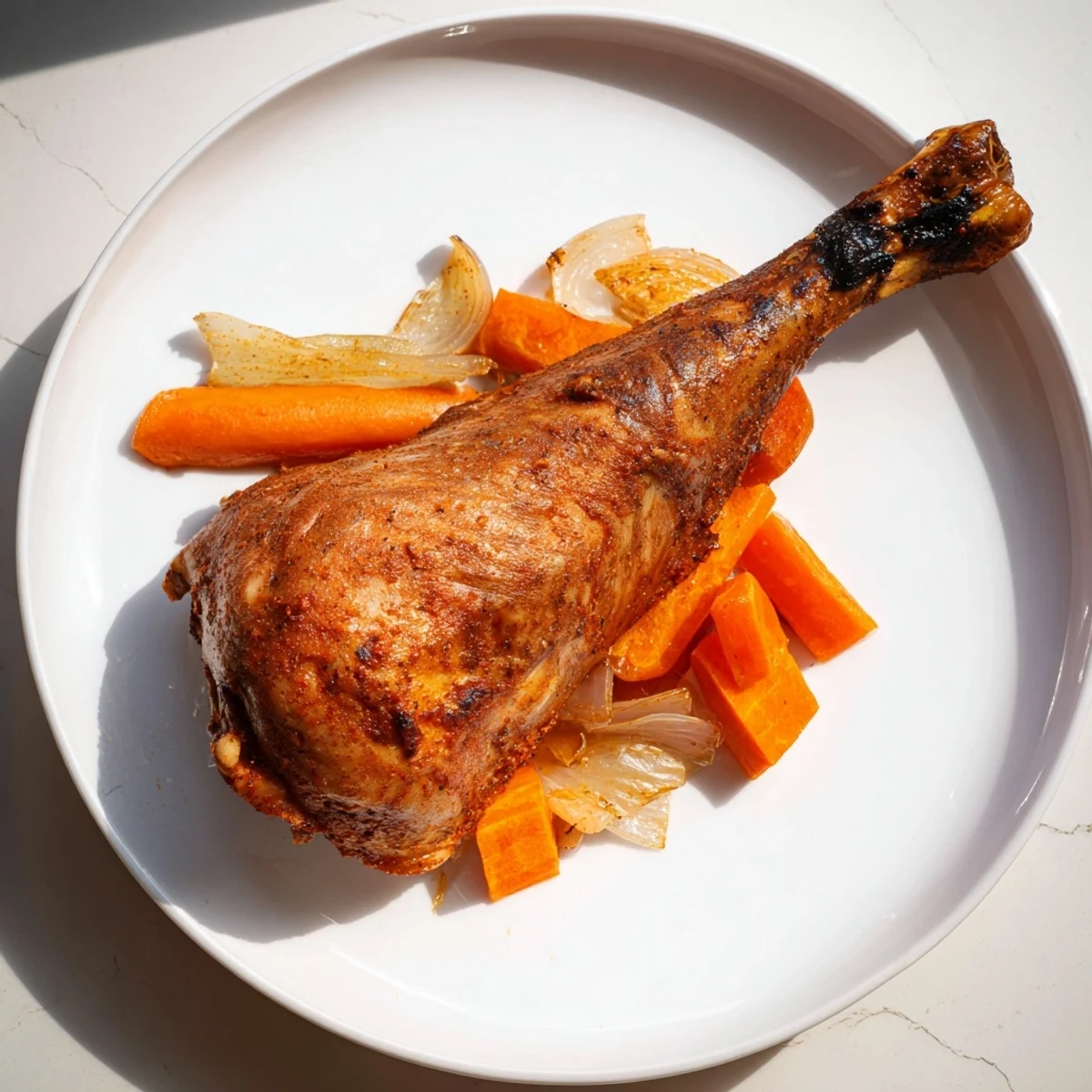
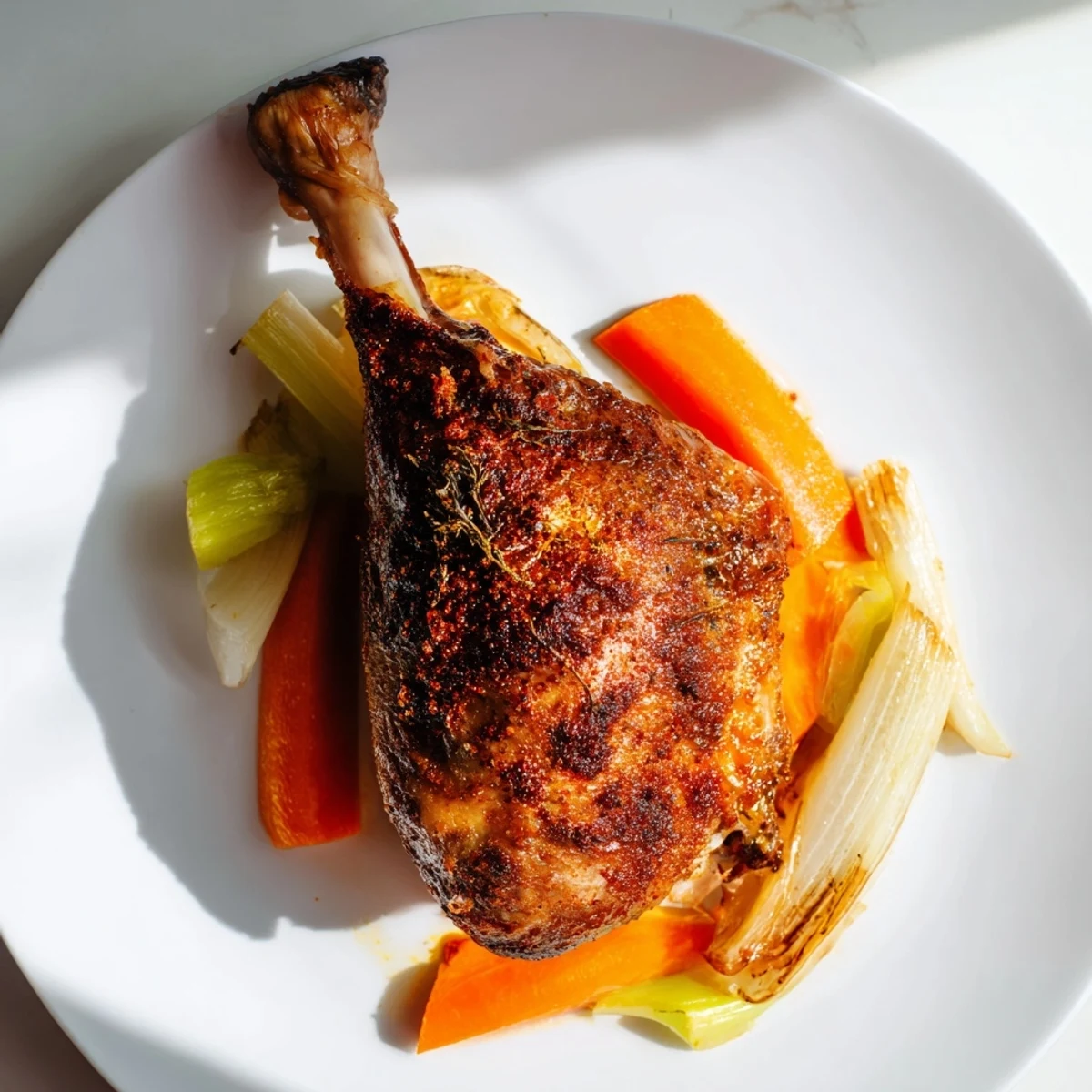
- Turn up the heat to 220°C (425°F), remove the foil, and roast for another 15 minutes so the skin turns beautifully crispy.
- Rest and Serve:
- Let the turkey legs rest for 5 to 10 minutes so juices redistribute—this makes each bite juicy and tender.
 Save
Save This dish became a symbol of comfort one chilly evening when my whole family gathered around the table, sharing stories and laughter while savoring the juicy turkey.
Keeping It Fresh
Once cooked, turkey legs keep beautifully in the fridge for up to four days. Reheat gently to keep moisture, or transform leftovers into a rich turkey stew that warms you right up.
Serving Ideas That Clicked
Mashed potatoes or roasted autumn vegetables pair wonderfully with the turkey’s intense flavor. A crisp green salad adds a refreshing contrast that brightens the plate.
A Time This Recipe Saved the Day
On a busy holiday season, this slow roasted turkey leg recipe gave me a stress-free main course that felt special and homey at the same time.
- Don't forget to save the drippings—they make a fantastic gravy.
- Try marinating overnight for even deeper flavor if you have the time.
- Remember to let the meat rest—it really changes the texture.
 Save
Save Thanks for sharing this cooking moment with me; I hope these turkey legs become a warm tradition in your kitchen too.
Recipe FAQs
- → What temperature should I roast the turkey legs at?
-
Start roasting at 150°C (300°F) to ensure slow cooking, then increase to 220°C (425°F) for the last 15 minutes to crisp the skin.
- → How long should the turkey legs rest after roasting?
-
Allow the turkey legs to rest for 5 to 10 minutes to let the juices redistribute before serving.
- → Can I prepare the marinade in advance?
-
Yes, marinating the turkey legs for up to 12 hours in the refrigerator enhances the flavors deeply.
- → What vegetables work best as a roasting bed?
-
Onions, carrots, and celery cut into chunks provide a flavorful base that adds moisture and aroma during cooking.
- → Are there alternatives to chicken broth in this dish?
-
Turkey broth or dry white wine can be used to add different flavor profiles when roasting the turkey legs.