
 Save
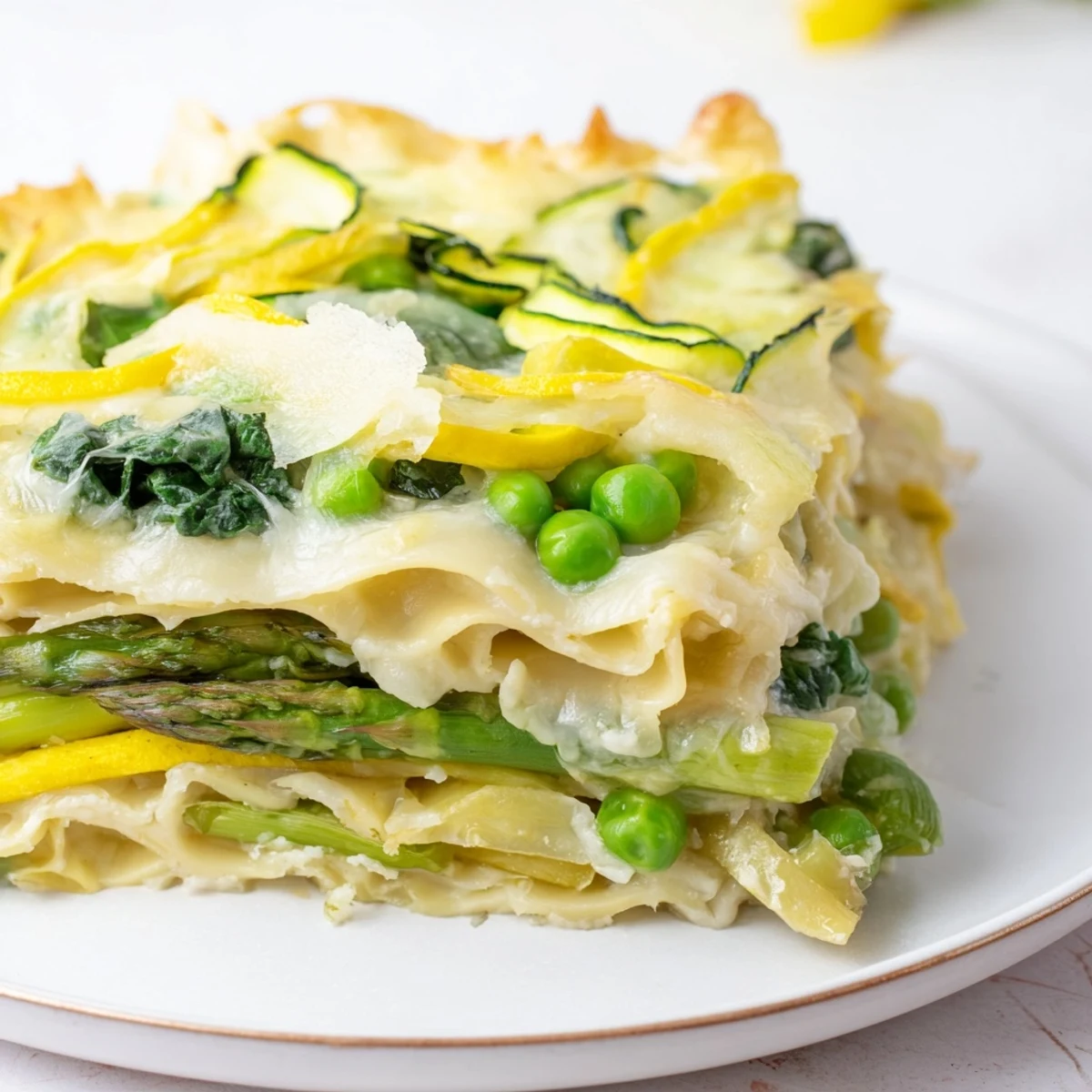
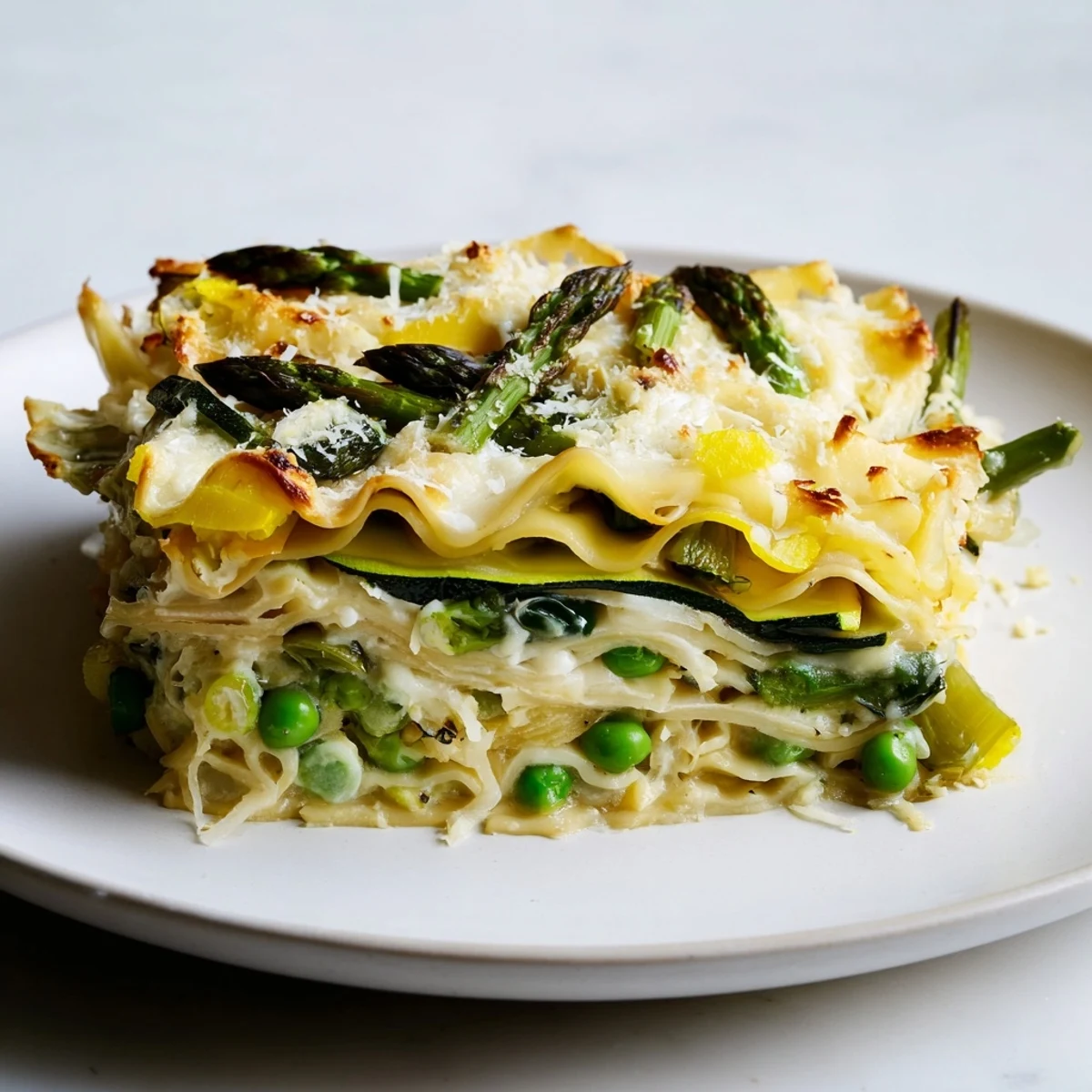
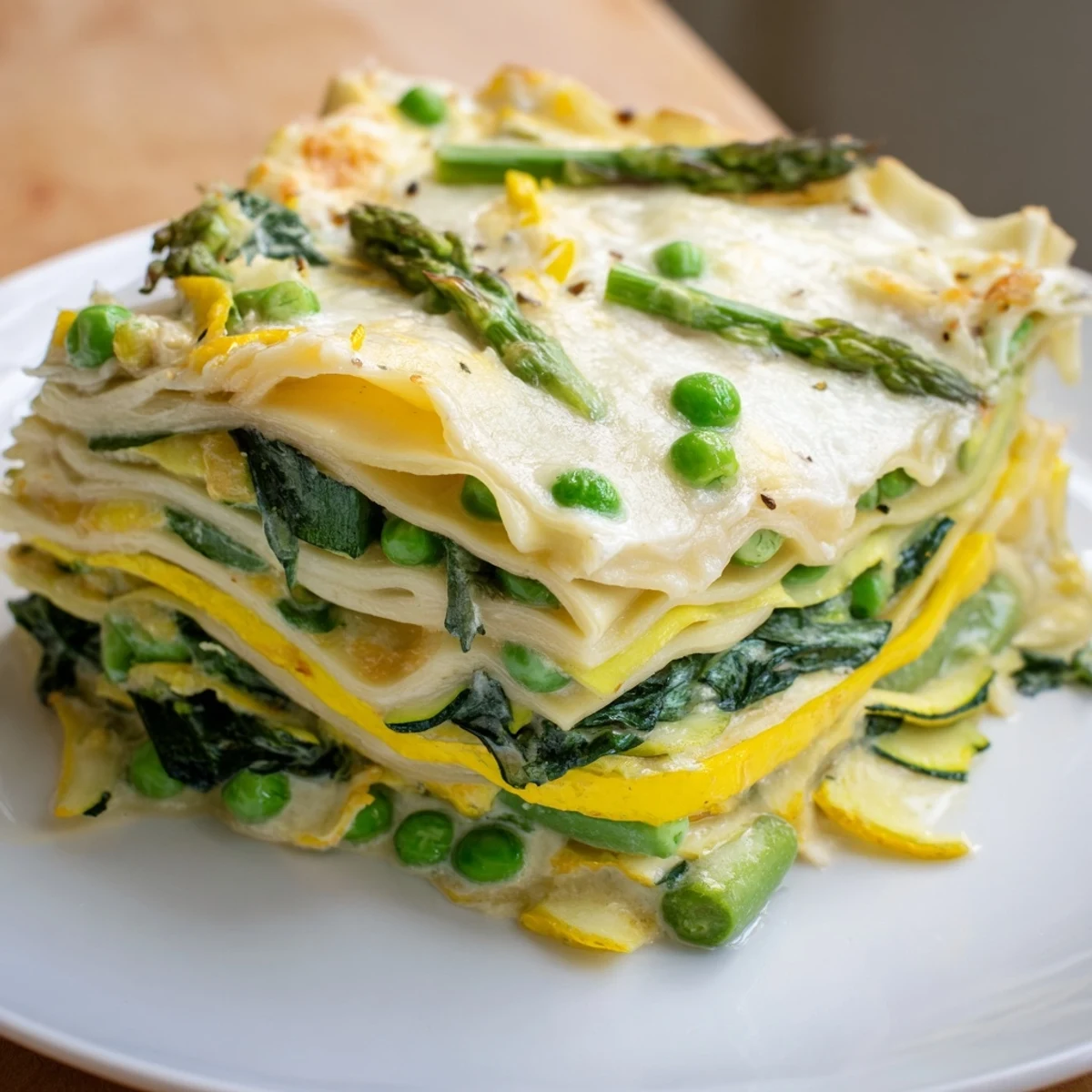
Save This spring-inspired dish features tender layers of no-boil pasta combined with sautéed zucchini, squash, asparagus, peas, and spinach. A velvety béchamel sauce enriched with nutmeg and white pepper enhances the creamy texture. Ricotta, mozzarella, and Parmesan cheeses add richness and depth. Baked until golden and bubbly, this dish balances fresh vegetable flavors with smooth, indulgent sauces, perfect for a flavorful vegetarian main course celebrating seasonal bounty.
Last April I found myself at the farmers market surrounded by bundles of bright green asparagus and tiny peas still in their pods. The vendor caught me eyeing the leeks and told me they make everything taste sweeter. I went home with way more vegetables than planned and ended up creating this lasagna on a rainy Sunday afternoon. Something about the gentle sweetness of spring vegetables against that creamy white sauce just felt right.
I made this for my mother on her birthday last spring. She's been making lasagna every Christmas for thirty years and looked skeptical about the white sauce version. We stood at the counter together layering the vegetables, and she admitted the colors were beautiful. When she took that first bite she quietly said this might be her new favorite.
Ingredients
- Zucchini and yellow squash: Thin slices are key here because they'll continue cooking in the oven. I use a mandoline but a sharp knife works fine.
- Asparagus tips and peas: The sweetest parts of spring. Trim the woody ends from asparagus and use fresh peas if you can find them still in the pod.
- Leek: Mild onion flavor that complements without overpowering. Rinse them well after slicing because dirt hides between the layers.
- Ricotta cheese: Whole milk ricotta gives you the creamiest layer. I mix the egg directly into the ricotta to prevent any watery texture.
- Béchamel sauce: Melt the butter completely before adding flour and whisk constantly while pouring the milk. The nutmeg is not optional.
- No boil noodles: They absorb excess moisture from the vegetables while baking. Don't worry if they look stiff going into the dish.
Instructions
- Prep your vegetables:
- Heat olive oil in a large skillet and add the harder vegetables first. Let zucchini and squash get a little golden color. Add asparagus and peas after about 3 minutes. Toss in spinach last just until it wilts.
- Make the white sauce:
- Melt butter in a separate saucepan and whisk in flour until it smells nutty. Pour milk slowly while whisking to break up any lumps. Simmer until it coats the back of a spoon. The nutmeg makes everything taste deeper.
- Mix the ricotta layer:
- Combine ricotta with one egg and half a cup of Parmesan. This mixture should be thick and spreadable.
- Build the layers:
- Start with a thin layer of béchamel on the bottom. Lay three noodles and spread ricotta over them. Add vegetables then mozzarella. Repeat this pattern twice more. End with noodles topped with remaining sauce and both cheeses.
- Bake until golden:
- Cover tightly with foil for the first 30 minutes. Remove foil and let the top get bubbly and browned. This usually takes about 15 more minutes. Rest the lasagna before slicing.
 Save
Save This dish became our go-to for celebrating small victories. When my friend got her promotion we ate it on her balcony with wine. When my garden finally produced enough peas to cook with we made it again. It's the kind of meal that makes ordinary Tuesday feel like a holiday.
Getting Ahead
You can assemble this lasagna up to 24 hours before baking and keep it covered in the refrigerator. The flavors actually develop better overnight. Add about 10 minutes to the baking time if you're putting a cold dish in the oven.
Choosing Your Vegetables
Spring brings so many options for this recipe. I've used fresh fava beans when I can find them. Artichoke hearts work beautifully if you don't mind the prep work. Even snow peas add a nice crunch when sliced thin. The key is keeping vegetables roughly the same size so they cook evenly.
Serving Ideas
A crisp white wine cuts through the rich sauce beautifully. I like something with good acidity like a Sauvignon Blanc or dry Pinot Grigio. A simple green salad with lemon vinaigrette balances the richness.
- Don't skip the resting time or you'll end up with soup instead of lasagna
- Fresh basil leaves on top add a bright pop of flavor
- This reheats beautifully for lunch the next day
 Save
Save There's something deeply satisfying about tucking spring vegetables between layers of pasta and cream. This lasagna has become how I welcome the season every year.
Recipe FAQs
- → Can I substitute the spring vegetables with others?
-
Yes, vegetables like artichoke hearts or fava beans can be used to vary the flavors while maintaining the dish’s freshness.
- → How do I prepare the béchamel sauce without lumps?
-
Constantly whisk the milk in gradually while cooking the roux to ensure a smooth, creamy béchamel without lumps.
- → What type of pasta is recommended for this dish?
-
No-boil lasagna noodles work best, allowing layering without pre-cooking and absorbing sauce as it bakes.
- → How long should the dish rest after baking?
-
Letting it rest for about 10 minutes helps the layers set and makes slicing easier.
- → Which cheeses are included in the layers?
-
Ricotta mixed with egg and Parmesan forms a creamy filling, topped with shredded mozzarella and additional Parmesan for richness.
- → Can fresh herbs be added to enhance flavor?
-
Adding basil, parsley, or chives to the ricotta mixture provides extra aromatic layers and complexity.