
 Save
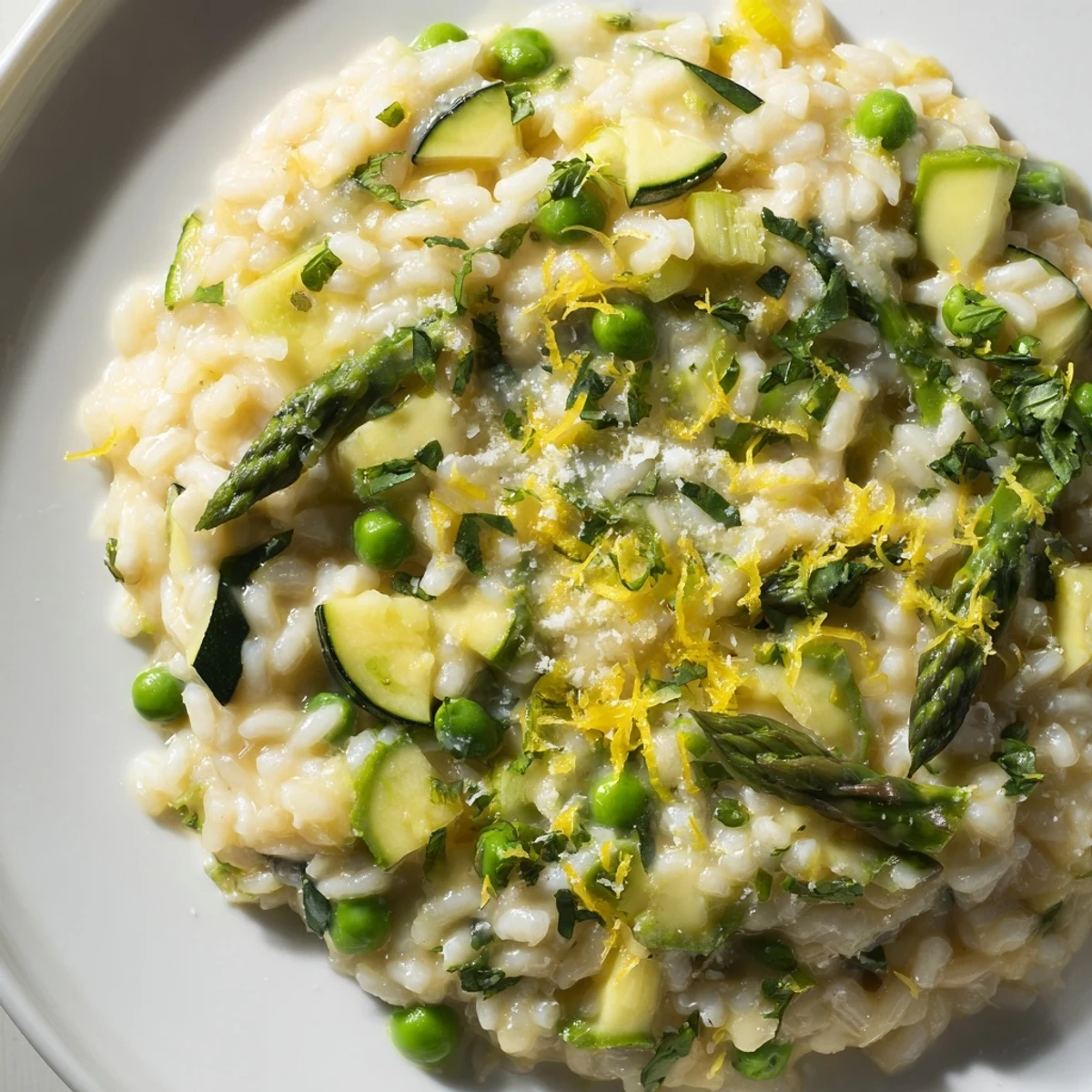
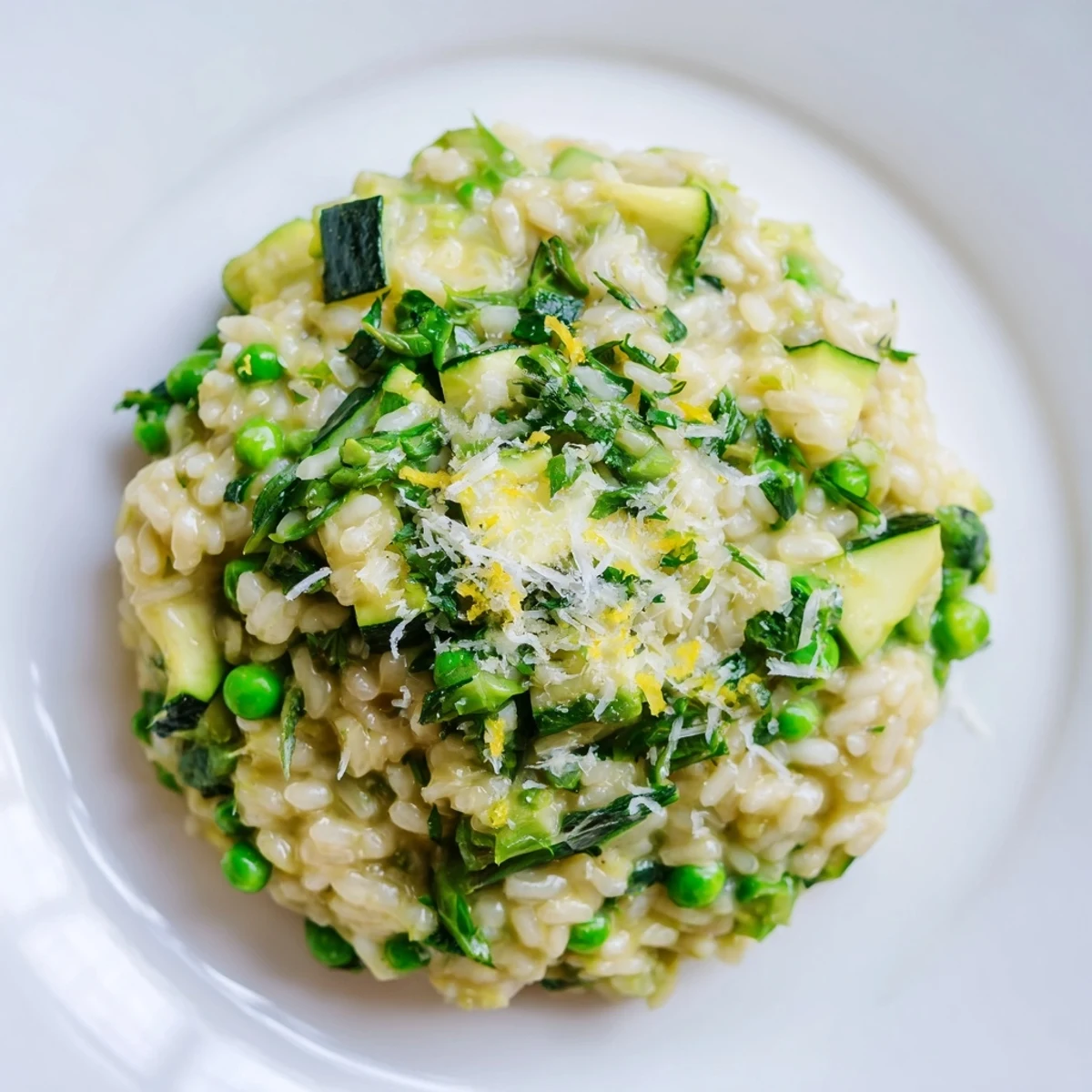
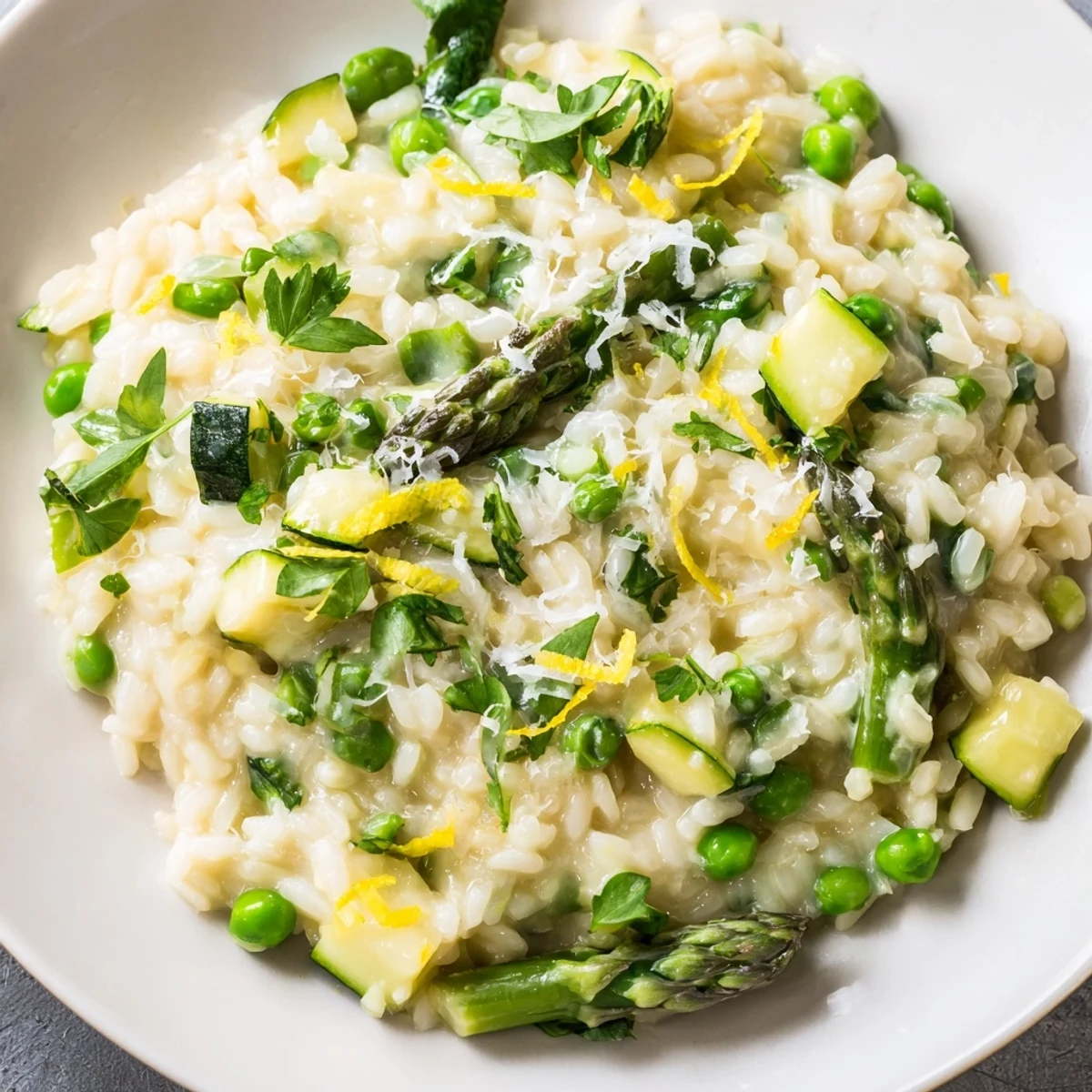
Save This dish brings together tender asparagus, peas, spinach, and zucchini cooked into a creamy Arborio rice base, enriched with butter and Parmesan. Bright lemon zest and fresh parsley add a refreshing touch, while gradual addition of warm vegetable stock ensures a perfectly creamy texture. It’s a vibrant, light meal full of seasonal flavors, suitable for vegetarian and gluten-free preferences.
The first time I made risotto properly, I stood at my stove for twenty-five straight minutes, convinced I had ruined it because the rice still had a bite. My Italian neighbor leaned over the fence and laughed, that is how you know it is perfect. Now this spring version with vegetables and lemon has become my go-to when I want something that feels fancy but comes together on a weeknight.
Last spring I made this for a friend who swore she hated risotto. She took one bite, went silent for a full minute, then asked if I would teach her how to make it. We spent the next hour standing over the pot, wine in hand, while the vegetables turned everything bright green and the kitchen smelled like butter and lemon.
Ingredients
- Arborio rice: This short-grain rice releases starch as it cooks, creating that signature creamy texture that makes risotto so irresistible
- Vegetable stock: Keep it warm in a separate pot so adding it does not shock the rice or slow down the cooking process
- Asparagus and zucchini: Cut them into small, even pieces so they cook through in the short time they have in the rice
- Peas and spinach: These need only minutes to cook, so add them toward the end to keep their fresh color and texture
- White wine: Use something you would actually drink, as its flavor will concentrate as it reduces
- Lemon zest: The oils in the zest provide pure lemon flavor without the acidity that can disrupt the creamy balance
- Parmesan: freshly grated cheese melts better and gives you that glossy finish that makes risotto look restaurant-quality
Instructions
- Build your flavor foundation:
- Melt 2 tablespoons butter in a large heavy-bottomed pan over medium heat, then add the shallot and garlic, cooking them until they soften and turn translucent, about 2 minutes.
- Toast the rice grains:
- Add the Arborio rice and stir constantly for 1 to 2 minutes until each grain looks slightly translucent at the edges and smells nutty.
- Begin with wine:
- Pour in the white wine and keep stirring as it bubbles and reduces, almost completely disappearing into the rice.
- Start the rhythm:
- Add one ladle of warm stock and stir frequently, watching as the rice absorbs the liquid before adding the next ladleful.
- Introduce the hearty vegetables:
- After about 10 minutes of adding stock, stir in the asparagus and zucchini so they have time to become tender.
- Add quick-cooking vegetables:
- During the last 5 minutes of cooking, fold in the peas and spinach, letting them wilt into the rice.
- Finish with butter and brightness:
- When the rice is creamy and al dente, remove from heat and stir in the remaining butter, Parmesan, lemon zest, and parsley, then season generously with salt and pepper.
 Save
Save This recipe has become my answer to nights when I want dinner to feel special without requiring hours of effort. There is something meditative about adding stock ladle by ladle, watching vegetables turn the mixture vibrant green, and knowing that something this comforting came together in under an hour.
Choosing the Right Wine
The wine you cook with matters because its flavor concentrates in the dish. A crisp Pinot Grigio or Sauvignon Blanc works beautifully here, adding brightness that complements the lemon zest. Avoid anything labeled cooking wine, as it contains salt and additives that can throw off the seasoning balance.
Timing Your Vegetables
The secret to this risotto is adding vegetables at the right moment so they all finish cooking together. Asparagus and zucchini need the most time, peas need only minutes, and spinach barely needs any heat at all. This way, everything retains its individual texture instead of turning into a uniform mush.
Perfecting Your Risotto Technique
Most risotto anxiety comes from uncertainty about when the rice is done. Trust your teeth more than the clock, the grains should be tender but still have a slight resistance at the center. If you run out of stock before the rice is ready, just use hot water for the final ladles, the rice will not know the difference.
- Let your risotto rest for 2 minutes before serving so it settles into its final texture
- Grate extra Parmesan at the table because fresh cheese on top makes everything better
- Keep a lemon wedge handy in case you want an extra squeeze of brightness
 Save
Save This dish taught me that good food does not require complicated techniques, just attention and patience. Standing at the stove, ladling stock and watching spring vegetables transform into something creamy and bright, feels like the best kind of self-care.
Recipe FAQs
- → What vegetables can I substitute in this dish?
-
Fava beans or snap peas work well as alternatives to asparagus and peas, offering similar texture and fresh flavors.
- → How do I achieve the creamy texture in the dish?
-
Gradually adding warm vegetable stock and stirring frequently helps release the rice's starch, resulting in a creamy consistency.
- → Can this meal be made vegan?
-
Yes, by replacing butter with plant-based alternatives and opting for vegan cheese substitutes, you can enjoy a vegan version.
- → What type of wine pairs best with the flavors?
-
Crisp Sauvignon Blanc or Pinot Grigio complements the fresh and creamy notes without overpowering the dish.
- → How important is the lemon zest in the final flavor?
-
Lemon zest adds a bright, refreshing accent that balances the creamy and savory elements, enhancing overall flavor complexity.