
 Save
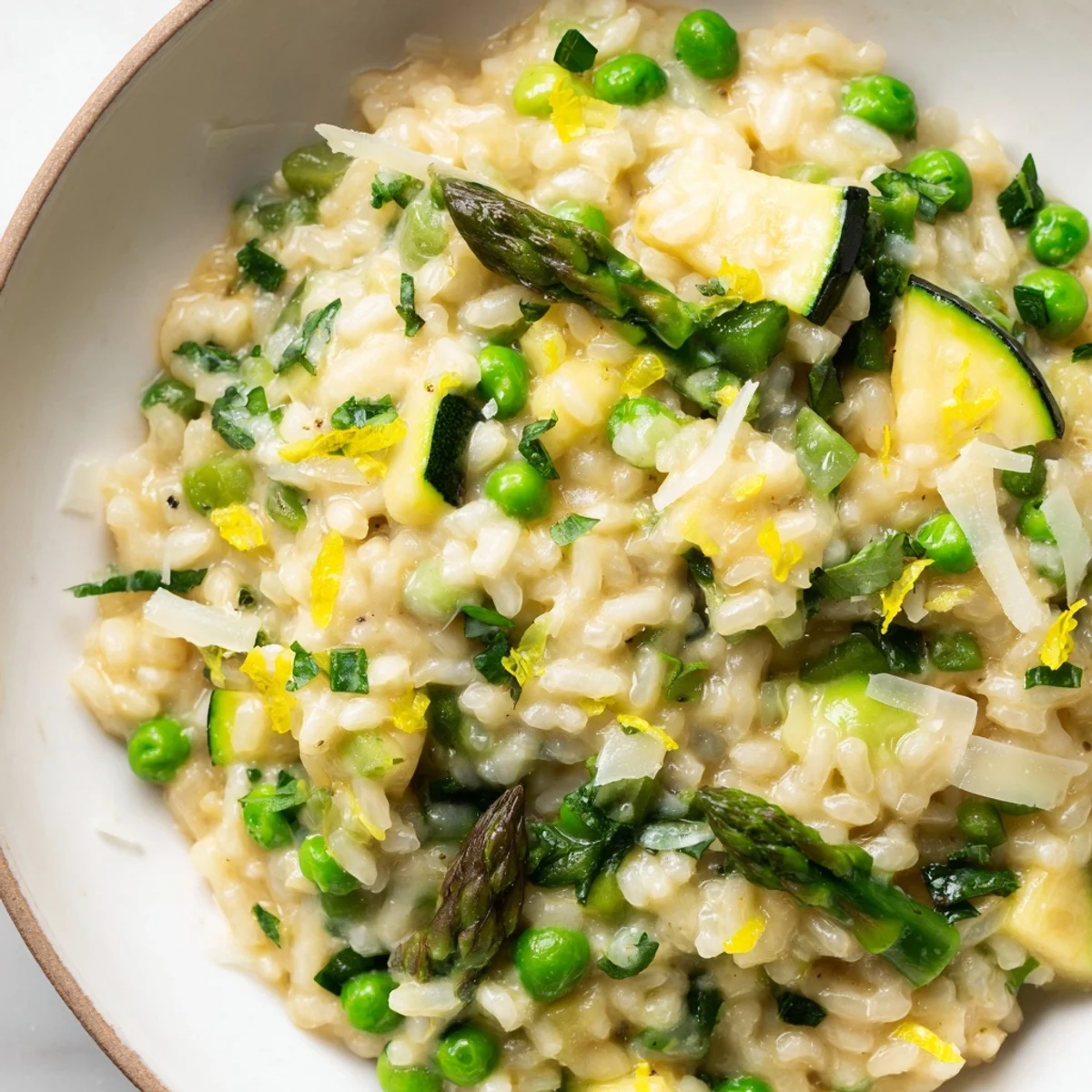
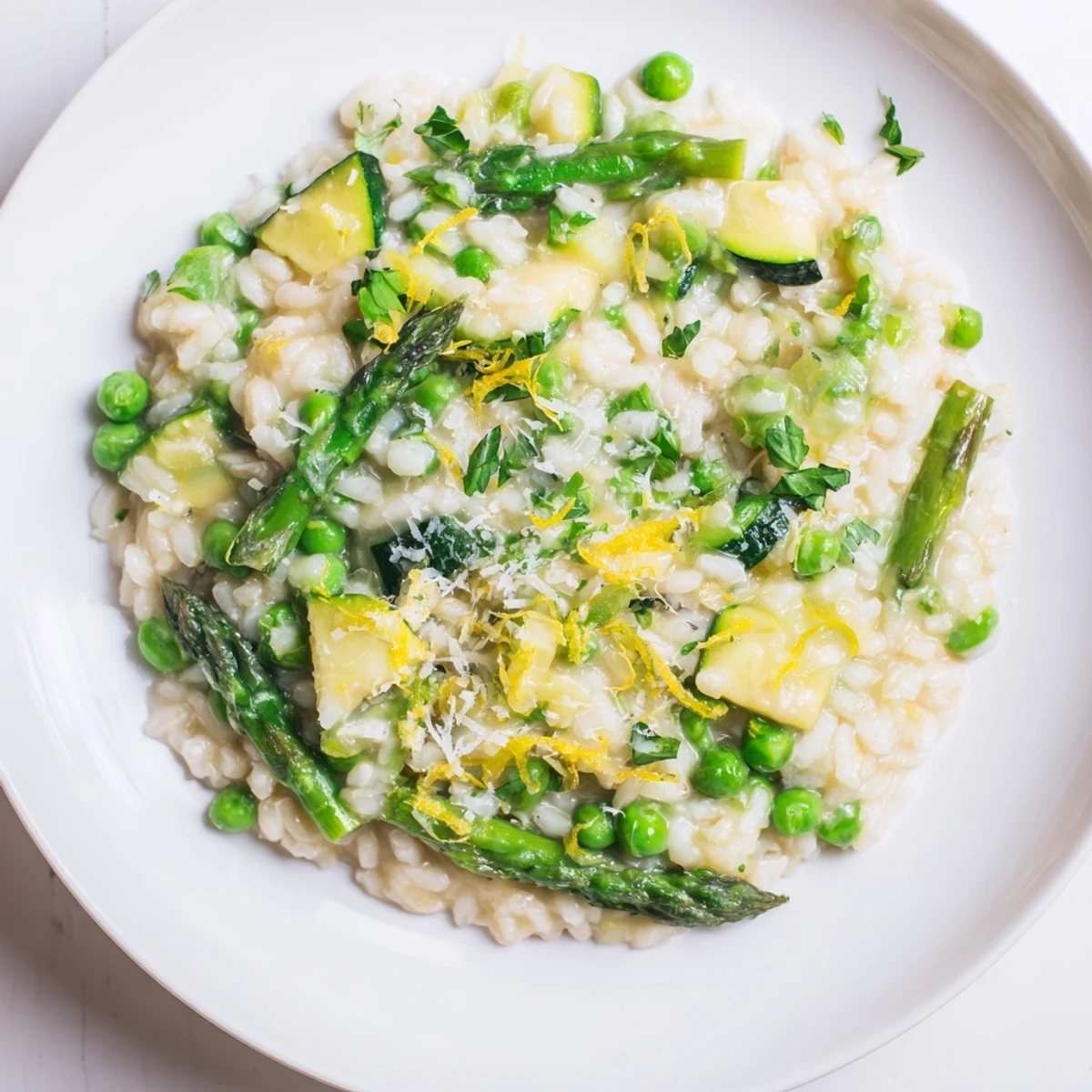
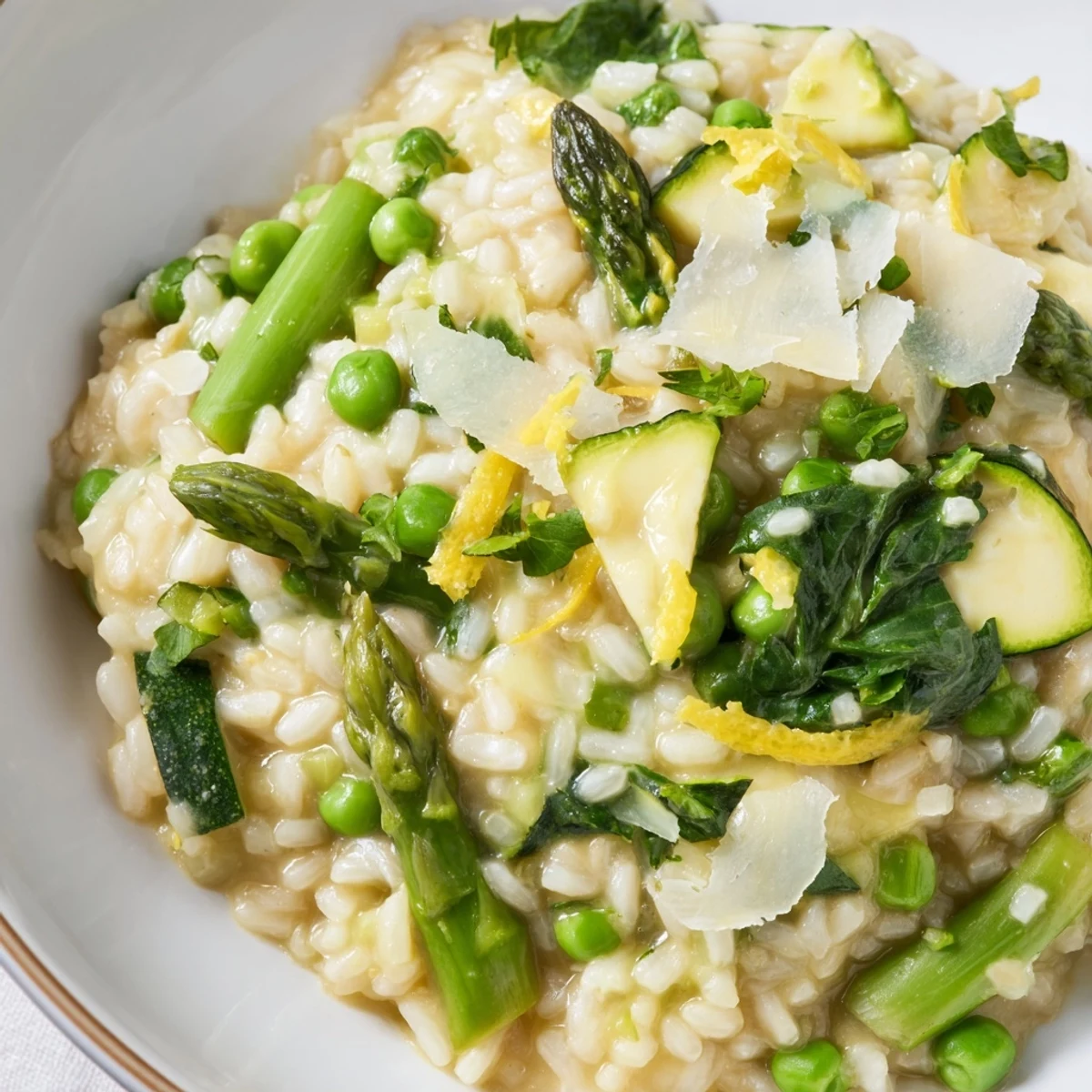
Save This creamy risotto highlights fresh spring vegetables like asparagus, peas, zucchini, and spinach, combined with Arborio rice simmered in vegetable broth and white wine. Enhanced by butter, Parmesan, and a zesty touch of lemon, the dish offers a rich yet light flavor perfect for seasonal dining. The slow cooking process ensures tender vegetables and a luscious, silky texture.
Ideal for a vegetarian main, it balances freshness and creaminess with fragrant herbs and bright citrus notes. Simple steps include sautéing aromatics, gradually adding broth, and finishing with cheese and lemon for a satisfying plate.
The first time I made risotto, my roommate leaned against the kitchen counter watching me stir endlessly. She asked if I was going to stand there for twenty minutes, and I laughed, not yet understanding that this slow dance with rice was exactly the point. Now when spring vegetables start appearing at the market, I find myself reaching for that Arborio rice without hesitation, knowing something wonderful is about to happen in my pot.
I served this at a dinner party last April when my friends tomato plants were just starting to flower in her backyard garden. We sat around my tiny table, forks clinking against bowls, someone asking for seconds before anyone had even finished their first serving. The conversation kept circling back to how something so simple could taste like a restaurant had delivered it directly to my kitchen.
Ingredients
- Arborio rice: This short-grain rice releases its starch slowly, creating that signature creamy texture that makes risotto so special without any heavy cream
- Asparagus: Choose thin to medium spears for the best tenderness, and trim the woody ends before cutting into pieces
- Fresh peas: If you can find them at a farmers market, the sweetness is worth the effort of shelling them yourself
- Vegetable broth: Keep it warm in a separate pot so adding it to the rice does not lower the cooking temperature
- White wine: A dry pinot grigio or sauvignon blanc works beautifully, adding acidity that balances the richness
- Lemon: Both the zest and juice are essential for that bright, fresh finish that makes this dish sing
Instructions
- Build your flavor foundation:
- Warm the olive oil and one tablespoon of butter in a large saucepan over medium heat. Add the chopped shallot and minced garlic, letting them soften until fragrant but not browned, about 2 minutes.
- Toast the rice:
- Pour in the Arborio rice and stir constantly for about 2 minutes. You will notice the grains becoming slightly translucent around the edges, which means they are ready to start absorbing liquid.
- Add the wine:
- Pour in the white wine and keep stirring until it has completely disappeared into the rice. This step adds a layer of flavor that develops as the rice continues to cook.
- Begin the slow simmer:
- Start adding the warm vegetable broth one half cup at a time. Stir frequently and wait until most of the liquid has been absorbed before adding more, letting the rice release its starches naturally.
- Add spring vegetables:
- After about 15 minutes of adding broth, stir in the asparagus pieces, peas, and diced zucchini. Continue the process of adding broth and stirring for another 10 minutes until the vegetables are tender but still bright.
- Finish with greens:
- Fold in the baby spinach and let it wilt for just 2 minutes. The heat from the risotto is enough to soften the leaves without turning them mushy.
- Create the creamy finale:
- Remove the pan from heat and stir in the remaining butter, grated Parmesan, lemon zest, and lemon juice. Season generously with salt and pepper, then serve immediately while the risotto is at its creamiest.
 Save
Save My sister called me halfway through making this last week, and I had to put her on speakerphone while I kept stirring with one hand. She said she could hear the rhythmic sound of the wooden spoon against the pot and knew exactly what I was making before I even said a word.
Choosing Your Vegetables
I have learned that the size of your vegetable pieces matters more than you might think. Cut everything roughly the same size so they finish cooking at the same time, and do not be afraid to add vegetables in stages based on how long they need to become tender.
Perfecting Your Broth Technique
Keeping your broth at a gentle simmer in a separate pot is the secret most people skip. Cold broth shocks the rice and interrupts the cooking process, while hot broth maintains the steady temperature needed for perfectly creamy results every time.
Making It Your Own
The beauty of risotto is how forgiving it can be once you understand the basic technique. I have made this with whatever vegetables looked best at the market, and it always turns into something wonderful.
- Try adding fresh herbs like basil or tarragon right at the end for a different flavor profile
- A splash of heavy cream or dollop of mascarpone can make it even more luxurious for special occasions
- Leftover risotto makes incredible arancini fried rice balls the next day if you somehow have any remaining
 Save
Save There is something deeply satisfying about standing at the stove, adding broth ladle by ladle, and watching simple ingredients transform into something extraordinary. Maybe that is why this recipe has become my go to for nights when I want cooking to feel like a meditation instead of a chore.
Recipe FAQs
- → What vegetables work best in spring risotto?
-
Asparagus, fresh peas, zucchini, and spinach bring freshness and subtle sweetness, complementing the creamy rice texture beautifully.
- → How to achieve creamy risotto without overcooking vegetables?
-
Add tender vegetables partway through cooking the rice to keep them vibrant and slightly firm while allowing the rice to become creamy.
- → Can white wine be substituted in this dish?
-
Yes, a splash of extra vegetable broth or a mild vinegar can be used to maintain acidity and depth if avoiding alcohol.
- → What finishing touches enhance risotto flavor?
-
Butter, grated Parmesan, and fresh lemon zest and juice added off-heat brighten flavors and add richness and balance.
- → How long should the risotto be stirred during cooking?
-
Frequent stirring releases the starch from Arborio rice, creating a creamy texture while preventing it from sticking.