
 Save
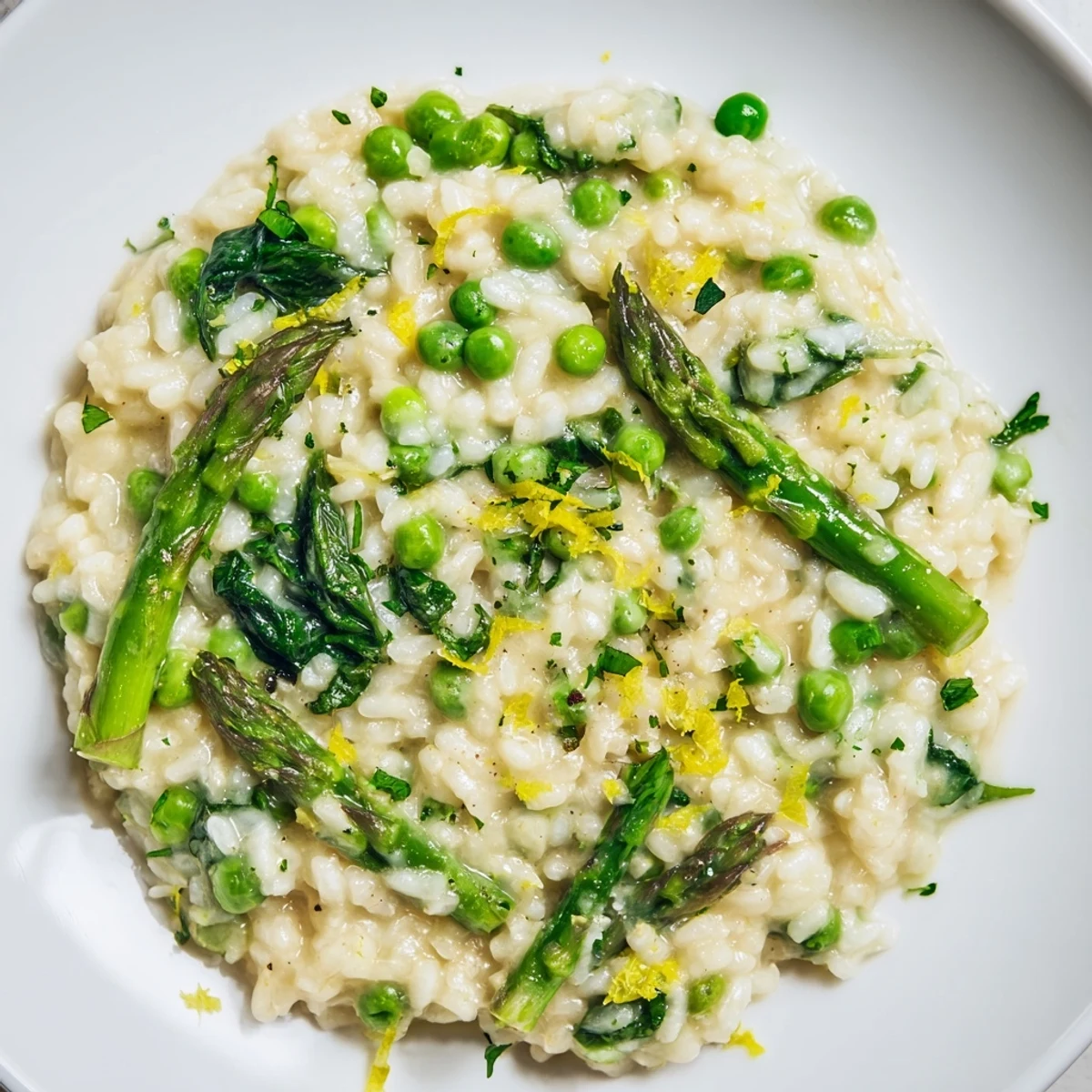
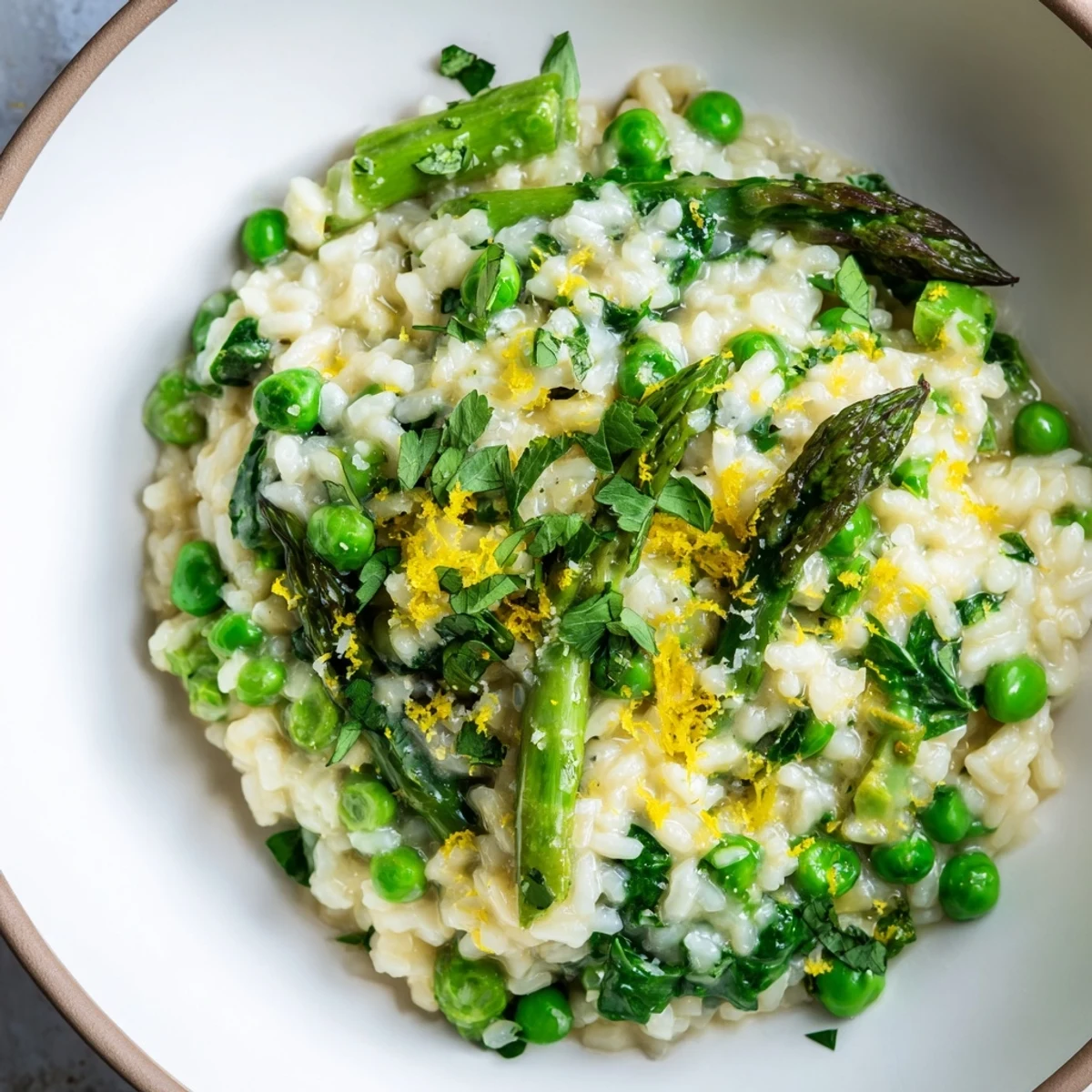
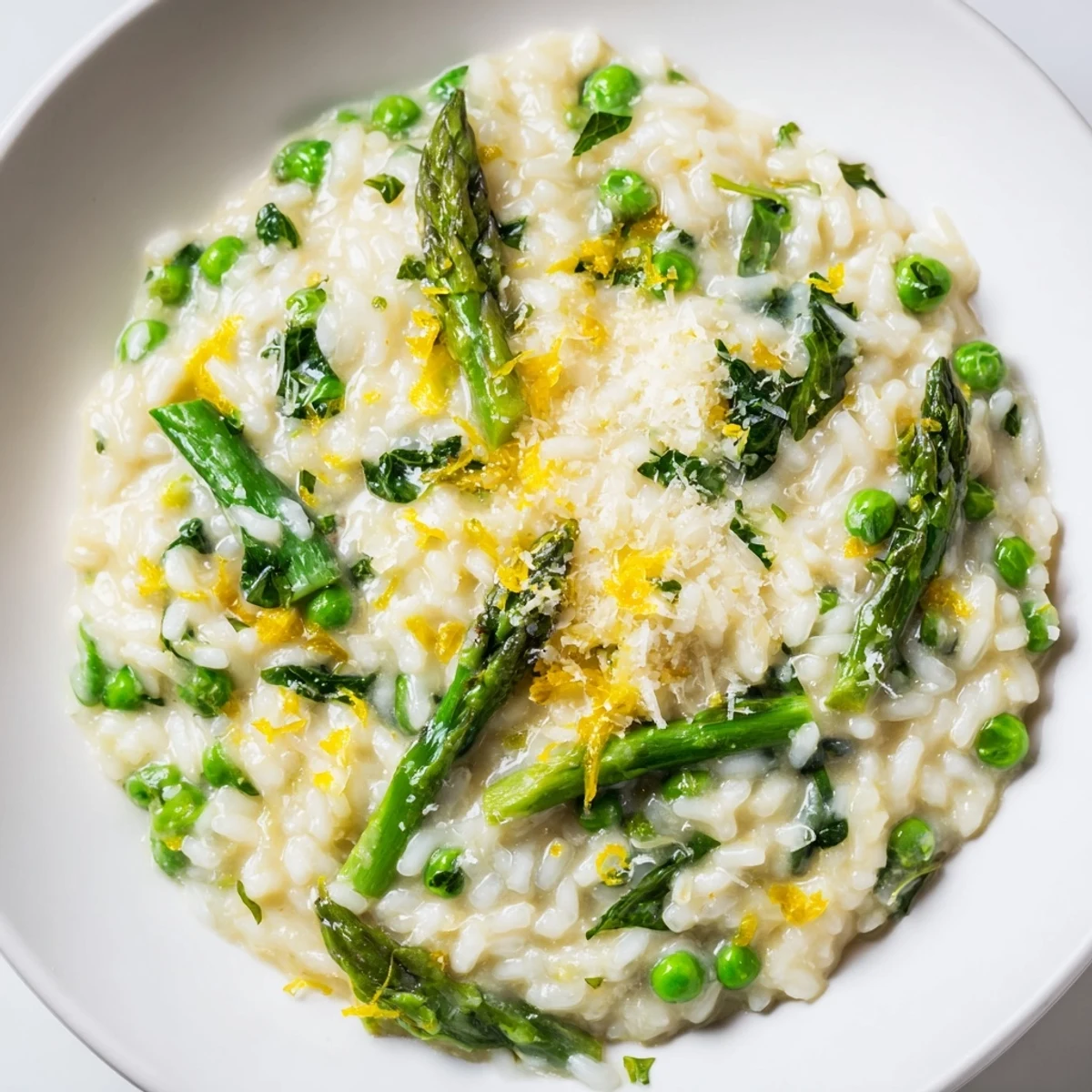
Save This dish highlights tender asparagus, peas, spinach, and shallots gently sautéed and cooked with arborio rice in a warm vegetable broth. White wine adds depth while fresh lemon zest and Parmesan cheese finish the risotto with bright, vibrant notes. The result is a creamy, satisfying plate packed with fresh spring vegetables and delicate flavors that balance richness with a refreshing citrus touch. Ideal for a comfort meal that celebrates seasonal ingredients and subtle aromatic layers.
The first time I made risotto, I stood at the stove for forty minutes straight, convinced I was doing it wrong because it kept looking soupy and wrong. My grandmother wandered into the kitchen, took the wooden spoon from my hand, and said you have to trust the rice. Now risotto has become my Sunday evening meditation something about that repetitive stirring motion settles my mind better than almost anything else.
Last spring my neighbor brought over a basket of vegetables from her garden and I had no plan just asparagus and peas that needed using. We ended up eating this risotto on her back porch while her kids chased fireflies and she told me she had never liked risotto until that moment. Sometimes the best meals happen exactly when you are not trying to impress anyone.
Ingredients
- 1 cup fresh asparagus trimmed and cut into 1-inch pieces: Choose spears that snap cleanly when bent because woody stems never cook through properly
- 1 cup fresh or frozen peas: Frozen work beautifully here but fresh peas taste like pure spring if you can find them
- 1 cup baby spinach roughly chopped: This wilts into almost nothing so do not be afraid to add a handful more
- 1 small leek white and light green parts only thinly sliced: Leeks hide dirt between their layers so soak them in cold water after slicing
- 2 tablespoons unsalted butter divided: Save half for the very end because that final tablespoon creates the restaurant style creaminess
- 2 tablespoons olive oil: This prevents the butter from burning over medium heat
- 1 1/2 cups arborio rice: Do not rinse it because that surface starch is what makes risotto creamy
- 1/2 cup dry white wine: Use something you would actually drink because the flavor concentrates
- 4 cups low-sodium vegetable stock kept warm: Cold stock shocks the rice and slows down cooking so warm it first
- 1/2 cup grated Parmesan cheese plus extra for serving: Buy a wedge and grate it yourself because pre grated cheese refuses to melt properly
- 1 small shallot finely chopped: Shallots have a gentler sweetness than onions which lets the vegetables shine
- 2 cloves garlic minced: Add this with the shallots so it mellows while cooking
- Zest of 1 lemon: Use a microplane and stop before you hit the bitter white pith
- 2 tablespoons fresh parsley chopped: Flat leaf parsley has better flavor than the curly variety
- Salt and freshly ground black pepper to taste: Wait until the very end to season because the stock and cheese both add salt
Instructions
- Warm your vegetable stock in a saucepan over low heat:
- Keep it warm throughout cooking because cold liquid interrupts the creamy texture development
- Sauté the aromatics in butter and olive oil:
- Heat 1 tablespoon butter with the olive oil in a large heavy bottomed pot over medium heat then add the shallot leek and garlic
- Toast the rice until translucent:
- Stir in the arborio rice and cook for 1 to 2 minutes until you see the grains turn translucent around the edges
- Deglaze with white wine:
- Pour in the wine and stir until it mostly disappears into the rice
- Add stock gradually while stirring:
- Add one ladleful of warm stock at a time stirring frequently until each addition is mostly absorbed before adding more
- Add the hearty vegetables midway:
- After about 10 minutes of cooking stir in the asparagus and peas so they cook through with the rice
- Finish with delicate greens:
- When the rice is almost tender and creamy stir in the spinach until just wilted
- Create the final emulsion:
- Remove from heat and stir in the remaining butter Parmesan lemon zest and parsley
- Serve immediately:
- Risotto waits for no one so have your bowls ready and garnish with extra Parmesan and lemon zest
 Save
Save This recipe became my go to for dinner parties after I served it to my cousin who claimed she hated risotto. She asked for thirds and then texted me the next morning asking for the recipe which felt like the highest compliment possible.
Getting The Rice Texture Right
Al dente means the rice should still have a tiny white dot in the center when you bite into it. That slight resistance is what makes risotto feel elegant instead of like soft porridge. I always taste a few grains straight from the pot because the texture changes in the minute it takes to reach the table.
Vegetable Timing Secrets
The asparagus and peas need about ten minutes to become tender but spinach collapses in seconds. Adding the delicate greens at the very end keeps them vibrant instead of sad and gray. I have learned through mushy disappointments that different vegetables demand different levels of patience.
Making It Your Own
Sometimes I swap in fava beans or snap peas depending what looks best at the market. A few fresh mint leaves with the parsley makes everything taste even more like spring. This recipe forgives experimentation which is why it has stayed in my rotation for years.
- Add a splash more stock if the risotto feels too stiff before serving
- Let it rest for exactly one minute off the heat so the flavors settle
- Always serve risotto on warmed plates because it cools down too fast
 Save
Save There is something deeply satisfying about standing at the stove stirring risotto while the kitchen fills with the smell of leeks and butter. This dish reminds me that good things really do come to those who wait.
Recipe FAQs
- → What vegetables are used in this dish?
-
It features fresh asparagus, peas, baby spinach, and leek, bringing a fresh spring vegetable medley.
- → How is the lemon zest incorporated?
-
Fresh lemon zest is stirred in at the end to add a bright, citrusy finish to the creamy base.
- → Can this dish be made gluten-free?
-
Yes, by using gluten-free vegetable stock, this dish caters to gluten-free diets without compromising flavor.
- → What is the cooking method for the rice?
-
The arborio rice is gently cooked with white wine and warm vegetable stock added gradually to achieve a creamy texture.
- → Is Parmesan cheese essential for flavor?
-
The grated Parmesan enhances richness and depth, but plant-based alternatives can be used for a dairy-free variation.