
 Save
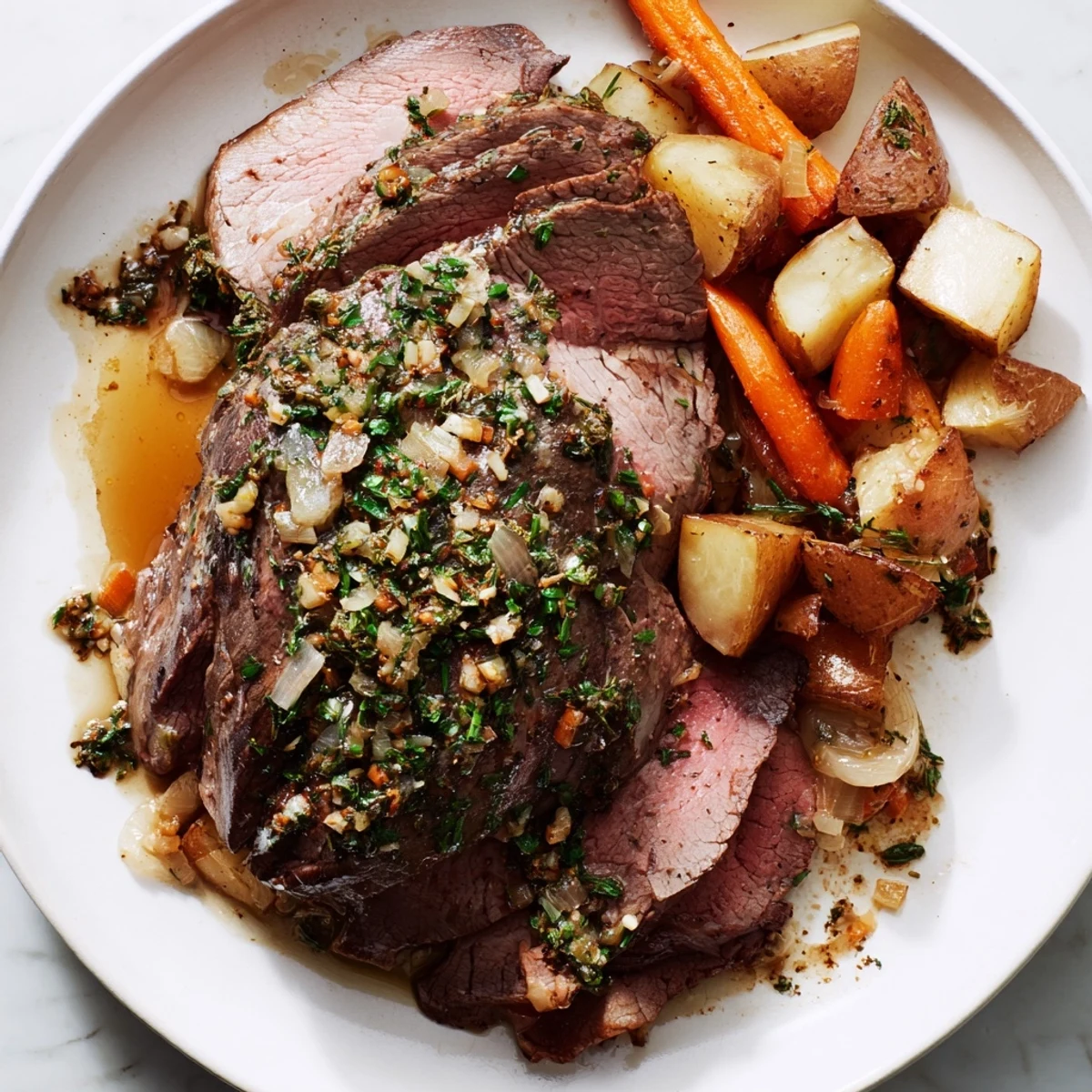
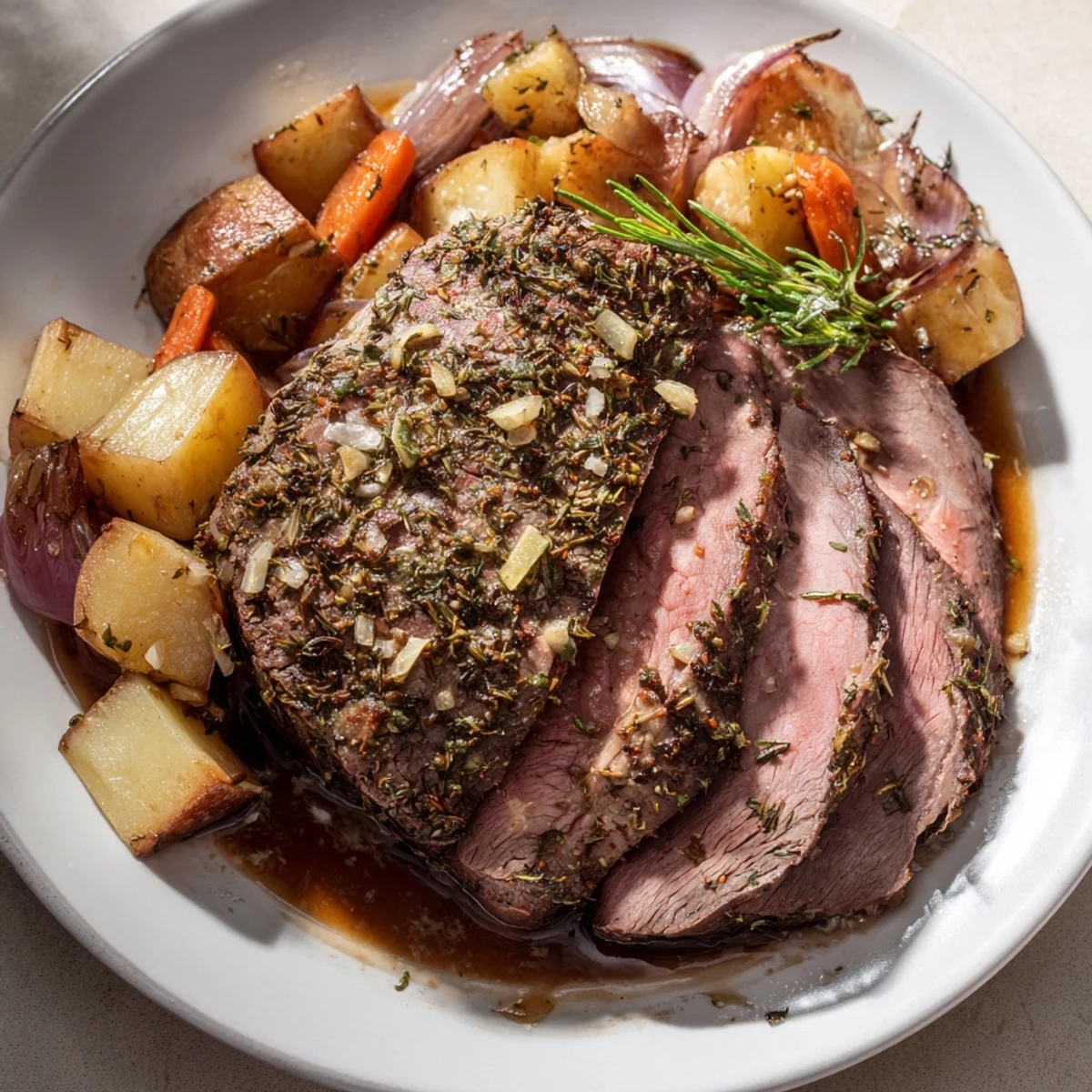
Save This succulent beef features a fragrant herb crust combining rosemary, thyme, garlic, salt, and pepper. Roasted to medium-rare perfection, the beef rests before slicing to preserve its juicy texture. Accompany with roasted carrots, onions, and potatoes for a hearty meal. Ideal for special occasions or Sunday dinners, this dish highlights the beef's natural flavors enhanced by simple herbs and roasting techniques.
My mother used to say that a proper roast beef was the measure of a cook's patience and confidence in the kitchen. I learned that lesson the hard way on a rainy Sunday when I finally trusted myself to buy the good cut and not fuss over it constantly while it cooked. Now, when the smell of rosemary and thyme fills the kitchen, I know something good is about to happen.
I made this for my sister's first dinner in her new house, and I watched her face when she pulled it from the oven and saw that mahogany crust. We ate it with our hands practically, laughing over how simple it all was, and somewhere between the second and third plate, she asked me to write down the recipe.
Ingredients
- Beef sirloin or rib roast, 1.5 kg: Room temperature is non-negotiable here—it cooks more evenly and the crust forms better when the outside isn't shocking cold meat into submission.
- Olive oil, 2 tbsp: This carries the herbs directly into the meat's surface where they'll crisp and brown.
- Sea salt and freshly ground black pepper: Use the good stuff; you taste every grain.
- Fresh rosemary and thyme, finely chopped: Dried herbs feel like giving up halfway through, and the fresh leaves stick to the oil in a way that matters.
- Garlic cloves, 4 minced: Mince small enough that the pieces caramelize rather than burn, turning sweet and deep.
- Carrots, onions, potatoes (optional): These catch the drippings and become something better than their individual parts, golden and almost creamy inside.
Instructions
- Get everything ready:
- Preheat your oven to 220°C (430°F) and pull the beef from the fridge about an hour before you cook—this is the single most important step nobody wants to do. Pat it completely dry with paper towels; water is the enemy of that brown crust you're after.
- Make your herb paste:
- Stir together the olive oil, salt, pepper, chopped rosemary, thyme, and garlic in a small bowl until it smells like something you want to rub all over good meat. Don't hold back with the coating—this thin layer becomes the crust that makes everything worth it.
- Coat and arrange:
- Rub the entire surface of the beef with the herb mixture, getting into every crevice and across both large sides. Place it on a wire rack in your roasting pan (the rack keeps air circulating underneath) and arrange carrots, onions, and potatoes around it if you're using them.
- The two-temperature roast:
- Start at the high heat for 20 minutes to sear and brown the outside, then drop the temperature to 180°C (350°F) and continue for about 1 hour for medium-rare. Use a meat thermometer inserted into the thickest part without touching bone; pull it at 54°C (130°F) for that rosy center.
- Rest with intention:
- Transfer the beef to a cutting board, tent it loosely with foil, and leave it alone for 15 minutes—this is when the juices redistribute and the meat becomes tender. Don't skip this or rush it.
- Carve and serve:
- Slice thinly against the grain using a sharp knife, and pour those pan juices over everything. The vegetables will be soft and golden, ready to catch every drop.
 Save
Save There's a moment when you pull a roast from the oven and the kitchen fills with that herb-and-beef smell, and everyone in the house suddenly stops what they're doing. That's when you know you've created something that matters beyond just feeding people.
Temperature Matters Most
I learned temperature the hard way by cooking three beef roasts before I bought a thermometer, and every single one came out differently. The oven temperature dropping from 220°C to 180°C isn't arbitrary—the high heat gets you that crust, then the lower heat cooks the inside gently without burning the outside. For medium doneness, aim for 60°C (140°F) instead; it'll be slightly more cooked but still juicy enough to be worth serving.
Why the Vegetables Matter
Those potatoes and carrots aren't side dishes—they're flavor partners that catch the rendered fat and beef drippings, becoming something almost better than the meat itself. Cut them large enough that they won't shrivel into nothing; they need the full cooking time to soften while staying chunky. The onions will practically dissolve into the pan juices, which is exactly what you want.
Serving and Storage
Serve this with pan juices spooned over everything, and consider horseradish sauce or Yorkshire pudding if you want to go the traditional route—they're not required, but they elevate the whole meal into something celebratory. Leftovers keep for three days and make the kind of sandwiches that remind you why you cooked in the first place.
- Slice leftovers thin and cold on good bread with a smear of mustard.
- Reheat gently in a low oven with a splash of water if you want warm sandwiches, never the microwave.
- Save every drop of those pan juices for making gravy the next day.
 Save
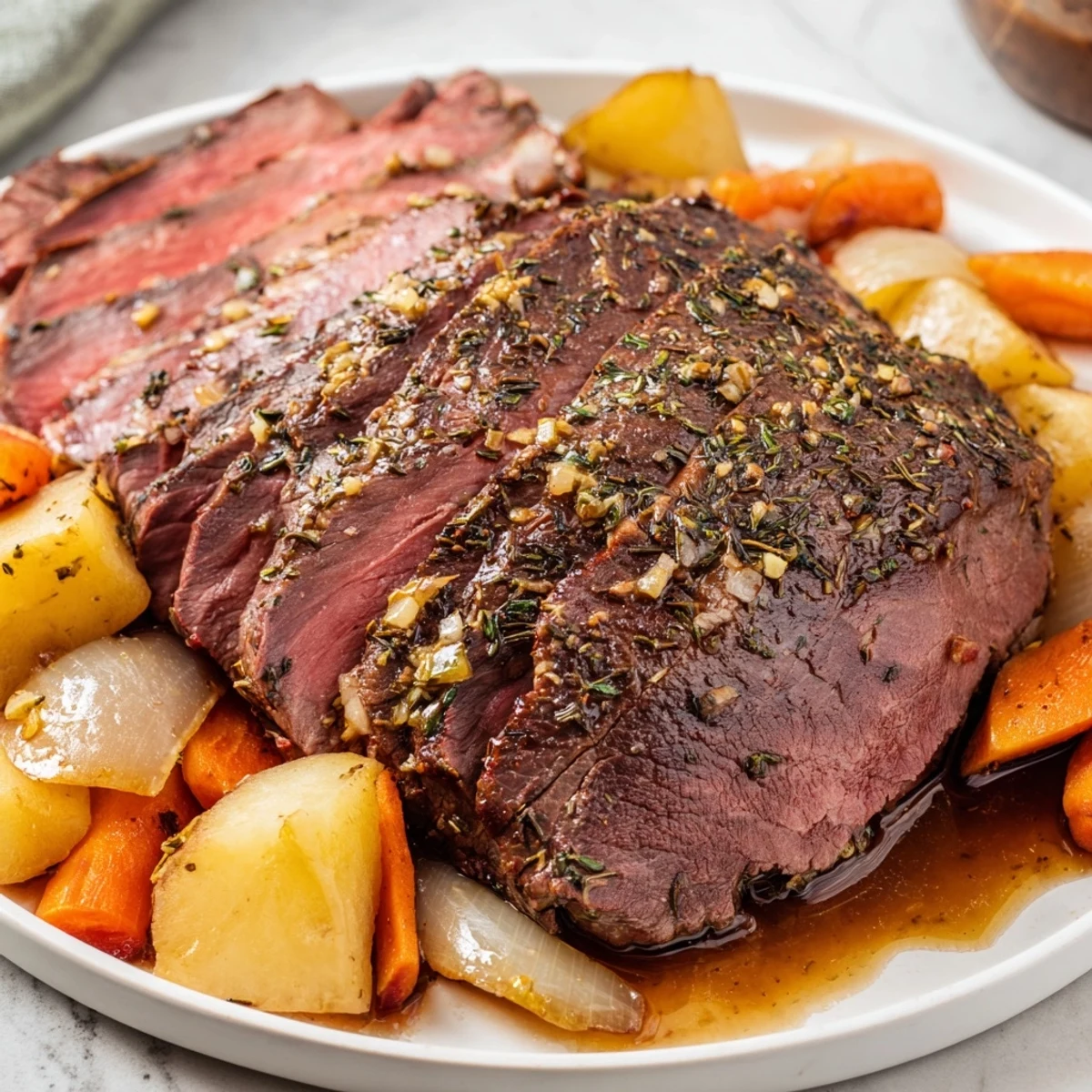
Save A roast beef is one of those dishes that feels more complicated than it actually is, and once you've done it once, you'll make it again and again. It's the kind of meal that brings people to the table and keeps them there.
Recipe FAQs
- → What cut of beef works best for this dish?
-
Sirloin or rib roast are ideal choices, offering tenderness and flavor that complement the herb crust.
- → How is the herb crust prepared and applied?
-
Fresh rosemary, thyme, minced garlic, salt, pepper, and olive oil are combined into a paste and rubbed evenly over the beef before roasting.
- → What is the recommended internal temperature for medium-rare?
-
Roast until the internal temperature reaches about 54°C (130°F) for medium-rare doneness.
- → Why is resting the beef important after roasting?
-
Resting allows juices to redistribute throughout the meat, resulting in a more tender and juicy serving.
- → Which vegetables complement this beef during roasting?
-
Carrots, onions, and potatoes can be roasted alongside the beef, absorbing savory flavors and providing a balanced accompaniment.
- → Can this dish accommodate dietary restrictions?
-
It is naturally gluten-free and contains no common allergens; however, check any accompanying sauces for added ingredients.