
 Save
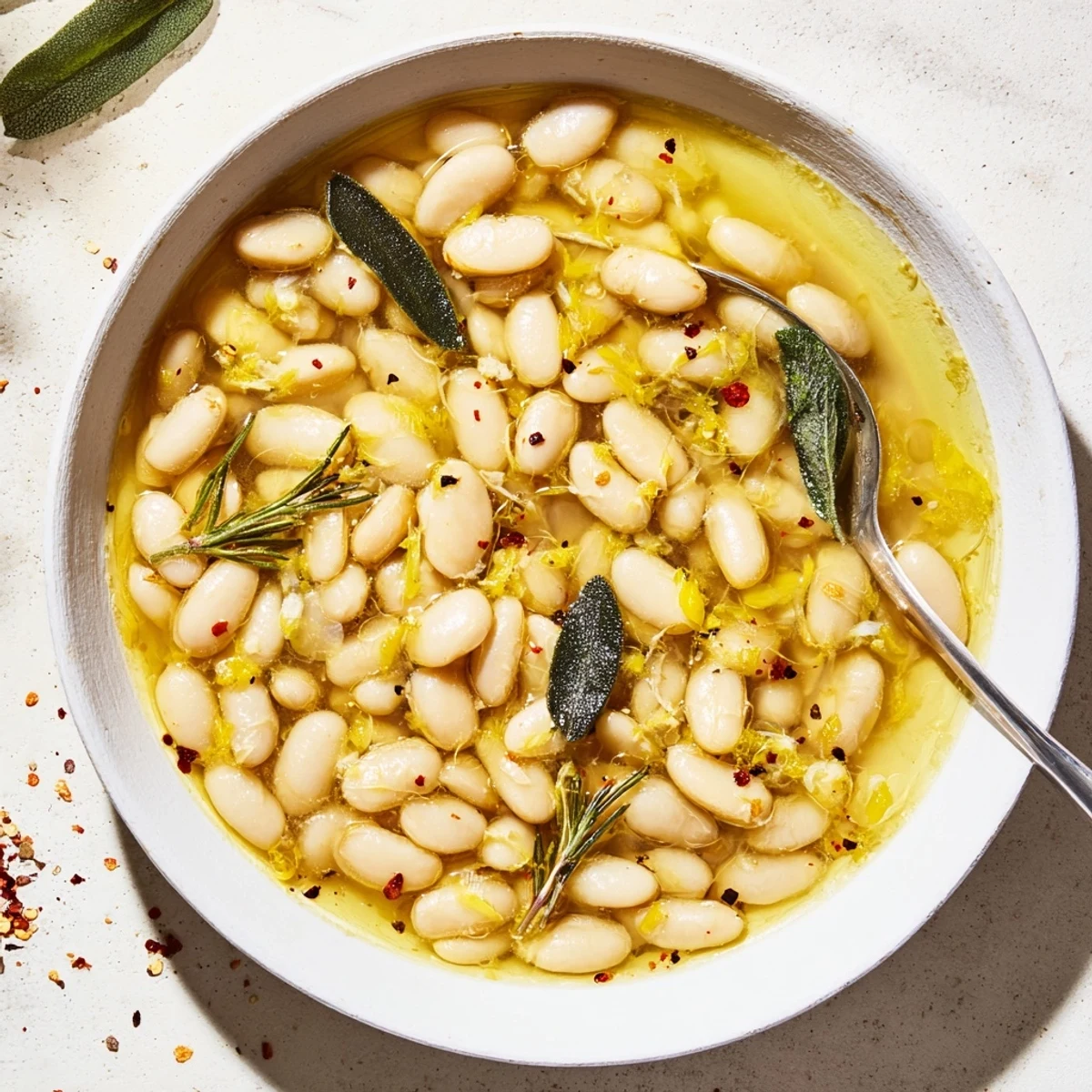
Save These traditional Tuscan white beans deliver rich Mediterranean comfort through slow-simmered cannellini beans infused with aromatic garlic, fresh rosemary, and sage. The beans become wonderfully creamy while cooking in quality olive oil and broth, creating a luscious texture that perfectly balances the herbaceous flavors. This versatile Italian classic serves beautifully alongside roasted meats, over crusty bread, or as a satisfying standalone dish.
The first time I had these beans was at a tiny trattoria in Florence, where the nonna-owner insisted I try her fagioli al fiasco. She brought out this earthenware pot bubbling away, and honestly, I thought beans would be boring. One spoonful changed my entire perspective—creamy, earthy, with this incredible depth from just olive oil and herbs. I spent the rest of that trip trying to replicate the magic, and I finally nailed it in my own kitchen years later.
Last winter, my friend Marco came over for dinner, and I served these alongside roast chicken. He literally stood at the stove, eating them straight from the pot with a spoon, refusing to wait until we sat down. Thats the kind of reaction these beans get—people cant believe something so simple tastes this good. Now he texts me every time he makes them, usually asking why his version never tastes quite as good as mine.
Ingredients
- Dried cannellini beans: Soaking them overnight gives you that creamy, melt-in-your-mouth texture that canned beans just cant match, though canned works in a pinch
- Extra-virgin olive oil: This isnt optional—use the good stuff because it becomes part of the sauce, carrying all those herb flavors
- Yellow onion: Finely chopped so it practically disappears into the beans, adding subtle sweetness without chunks
- Garlic: Minced fresh, never powdered, because it needs to mellow and sweeten as it cooks slowly
- Fresh rosemary and sage: The classic Tuscan herb duo that makes these beans taste like they came from an Italian grandmothers kitchen
- Broth: Vegetable or chicken both work beautifully, adding another layer of flavor beyond plain water
- Kosher salt and black pepper: Salt your water generously—beans can only absorb seasoning while theyre cooking
- Red pepper flakes: Just a pinch adds warmth that lingers, making each bite more interesting than the last
Instructions
- Get your beans ready:
- If using dried beans, soak them overnight in plenty of cold water, then drain and rinse thoroughly before cooking
- Build your flavor base:
- Heat olive oil in a heavy-bottomed pot over medium heat, add the chopped onion, and sauté until translucent and soft, about 4 minutes
- Wake up the aromatics:
- Stir in the garlic, rosemary sprigs, and sage leaves, cooking for just 1 minute until fragrant but not browned
- Simmer everything together:
- Add the beans, broth, and water if using dried, bring to a gentle boil, then reduce heat and simmer uncovered until tender and creamy—30 to 40 minutes for dried, 15 to 20 for canned
- Finish with love:
- Remove the woody herb stems, season generously with salt, pepper, and red pepper flakes, then drizzle with your best olive oil before serving
 Save
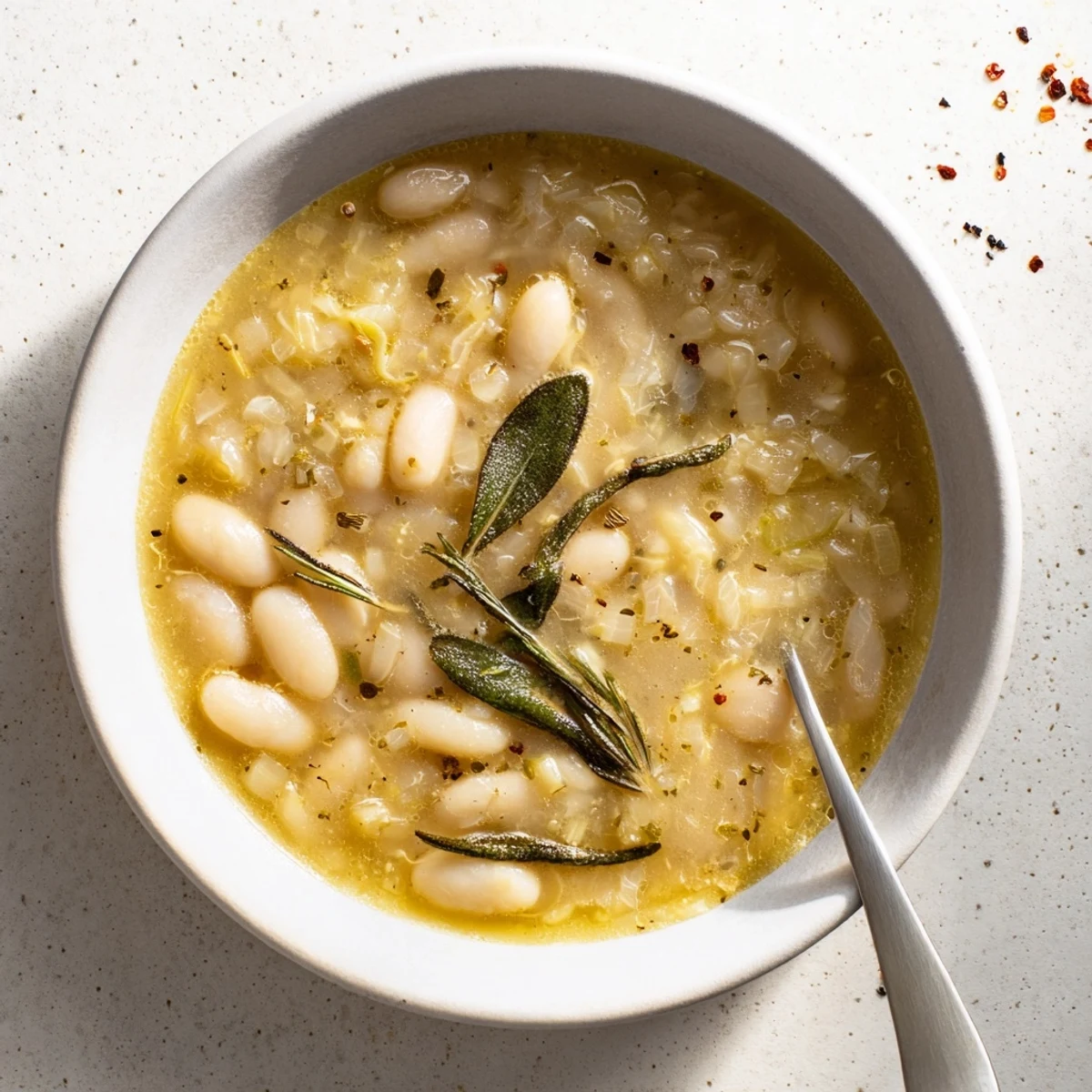
Save My daughter used to turn her nose up at beans of any kind until she tried these. Now she requests them specifically, calling them the good beans and asking for seconds. Theres something magical about watching a kid realize that simple food prepared with care can be extraordinary. Cooking these has become a Sunday ritual in our house, filling the kitchen with aromas that make everyone gravitate toward the stove, asking if theyre ready yet.
Making Them Your Own
The beauty of Tuscan white beans is how forgiving they are. I sometimes add a diced carrot with the onion for extra sweetness, or throw in a bay leaf if I remember. During tomato season, a handful of cherry tomatoes burst and create this incredible sauce. Trust your instincts—if it sounds good, it probably will be.
Serving Suggestions That Work
These beans shine as a side dish, but theyre substantial enough to be the main event. I love them ladled over toasted garlic-rubbed bread for a rustic version of fettunta. Theyre also perfect over sautéed kale or spinach, with the bean broth creating an instant sauce. Some nights, a bowl with just bread and olive oil is all I need.
Storage And Make-Ahead Tips
These beans reheat beautifully and actually develop more flavor as they sit. Store them in an airtight container in the refrigerator for up to 5 days, freezing for longer storage if needed. When reheating, add a splash of water or broth because theyll have thickened up in the fridge. They also make an incredible base for soups—just add more liquid and whatever vegetables you have on hand.
- Never freeze beans without some of their cooking liquid or theyll become mealy
- Mash a few beans against the side of the pot while reheating to naturally thicken the broth
- A drizzle of fresh olive oil right before serving makes leftovers taste freshly made
 Save
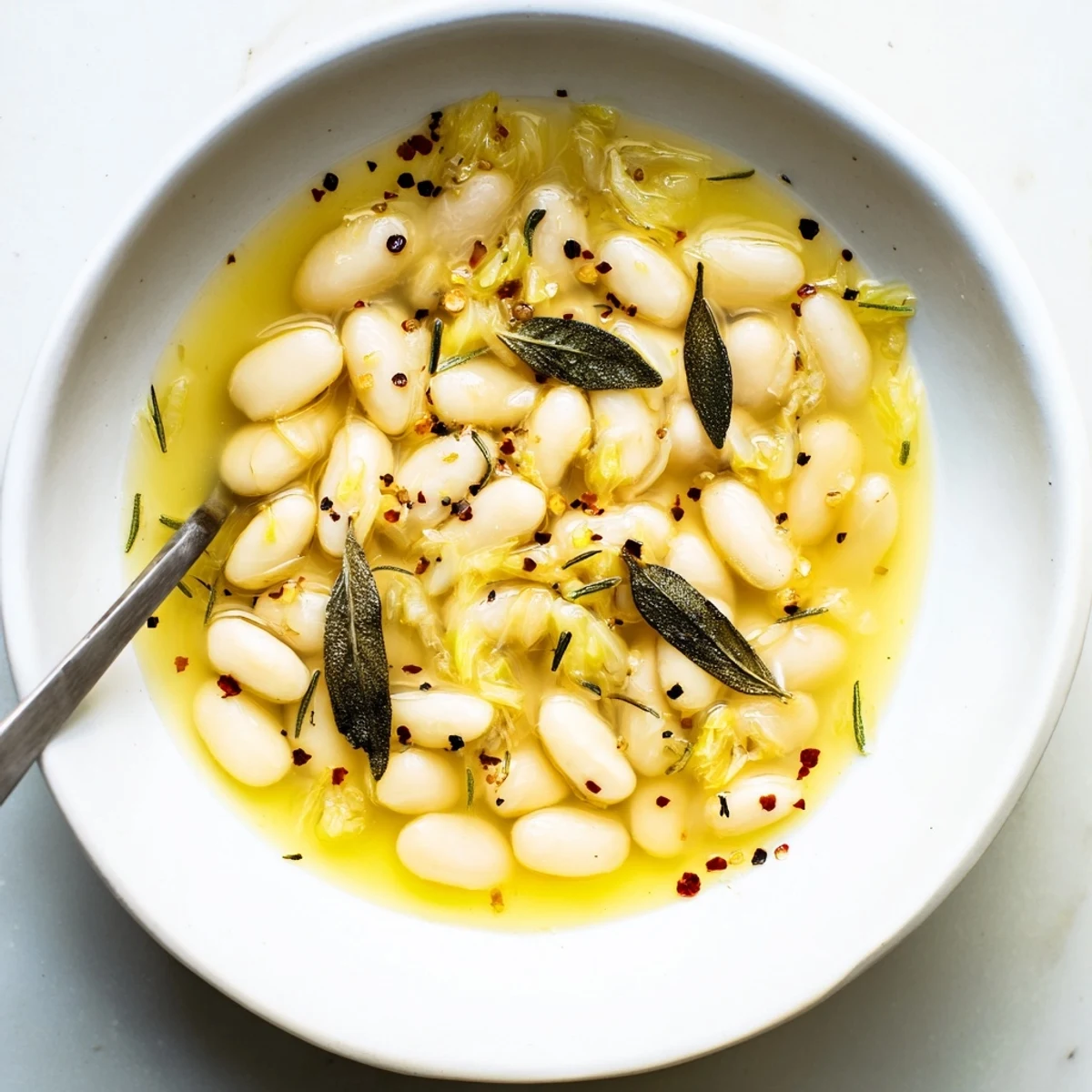
Save There is something deeply satisfying about a dish that costs almost nothing but tastes like a million bucks. These beans have earned a permanent spot in my regular rotation, and I bet they will in yours too.
Recipe FAQs
- → Can I use canned beans instead of dried?
-
Yes, simply use 3 cans (15 oz each) of drained and rinsed cannellini beans. Reduce the cooking time to 15–20 minutes since they're already tender.
- → How long do leftovers keep?
-
Store cooled beans in an airtight container in the refrigerator for up to 4 days. The flavors continue to develop and they reheat beautifully on the stovetop.
- → What makes Tuscan beans different from other white bean preparations?
-
The key is the combination of quality olive oil, fresh rosemary and sage, plus slow simmering which creates a creamy consistency. Some traditional versions also include a Parmesan rind during cooking.
- → Can I freeze these beans?
-
Absolutely. Portion the cooled beans into freezer-safe containers and freeze for up to 3 months. Thaw overnight in the refrigerator before reheating.
- → What's the best way to serve these?
-
These beans shine as a side dish alongside roasted chicken or pork, piled on toasted garlic bread, spooned over sautéed kale, or simply enjoyed as a main with crusty bread and olive oil.
- → Is the red pepper flakes necessary?
-
Completely optional. The red pepper flakes add subtle warmth that complements the creaminess, but the beans are delicious without them if you prefer no heat.