
 Save
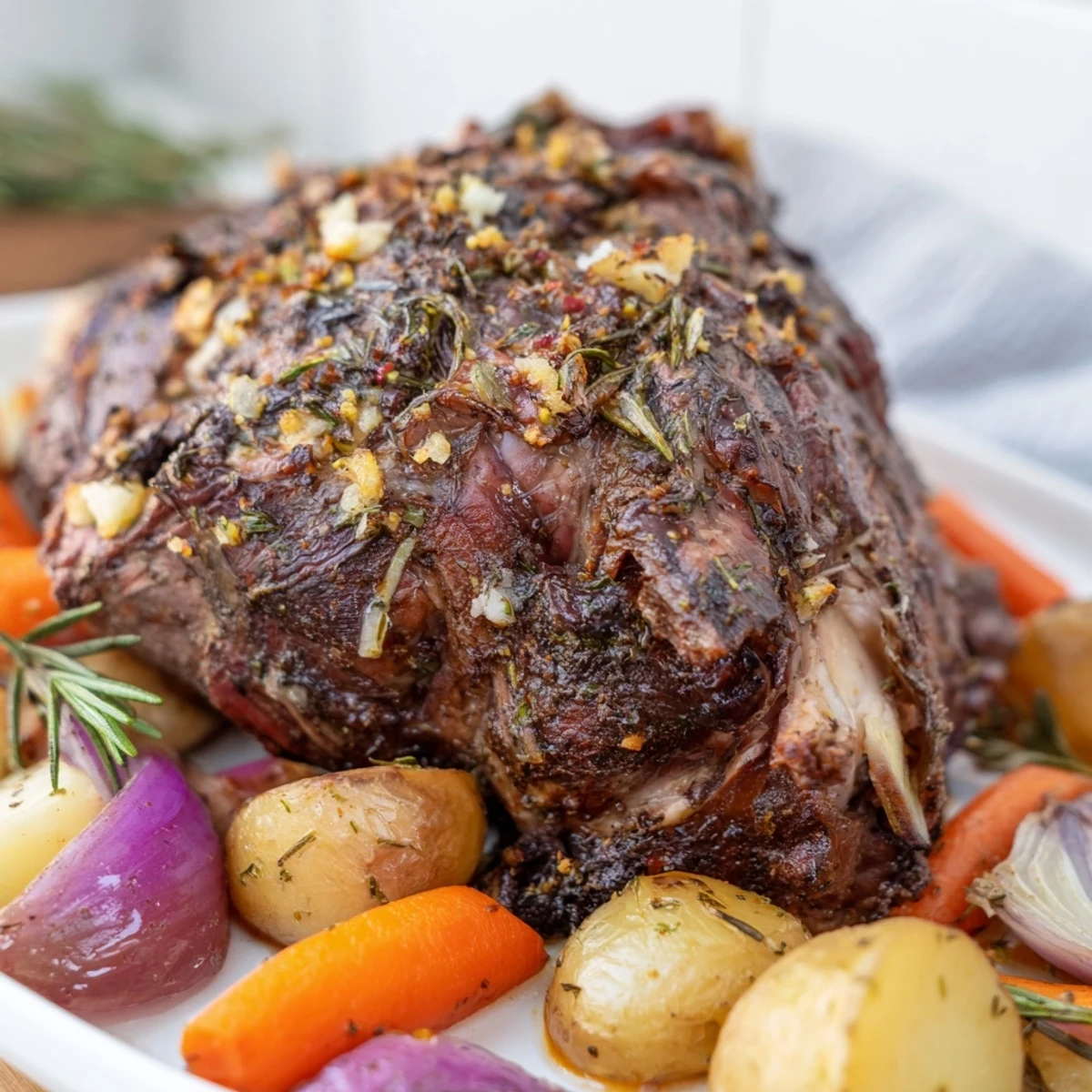
Save This dish features a bone-in lamb shoulder, seasoned with garlic, rosemary, and thyme, slow-roasted alongside a mix of carrots, parsnips, onions, and baby potatoes. The vegetables are drizzled with olive oil and seasoned to complement the lamb’s rich flavor. A splash of dry white wine or chicken stock adds moisture and depth during roasting. After 2 hours covered, the pan is uncovered to allow the lamb and vegetables to brown beautifully. The dish is rested before serving, ensuring tender, juicy meat and perfectly cooked vegetables, making it ideal for a satisfying Mediterranean-inspired meal.
There's something about the smell of lamb and rosemary filling your kitchen that makes everything feel like a celebration, even if it's just a regular Sunday. Years ago, a friend brought a lamb shoulder to my house for dinner, and I watched her work through it with such ease—the way she seasoned it, how she arranged the vegetables with confidence. I realized then that roasting lamb isn't actually complicated; it just needs time, good ingredients, and a hot oven doing most of the work. Now it's the first thing I reach for when I want to impress without stress.
I made this for my partner's parents one autumn, and I was oddly nervous—lamb can feel fancy in a way that makes you second-guess yourself. But the moment I opened the oven halfway through and saw how the vegetables had started caramelizing at the edges, I knew it would be fine. When we sat down to eat, nobody touched their phones. That's when you know a meal is doing what it's supposed to do.
Ingredients
- Bone-in lamb shoulder (2.5–3 kg): The bone adds flavor and keeps the meat moist as it roasts, and it's easier to handle than boneless cuts.
- Olive oil: Use good oil here—you'll taste it directly on the lamb skin.
- Sea salt and black pepper: Don't skip the freshly ground pepper; it makes a real difference in the final flavor.
- Garlic and fresh rosemary and thyme: These three are the backbone of Mediterranean flavor; fresh herbs are absolutely worth seeking out.
- Carrots, parsnips, red onions, and baby potatoes: Root vegetables are your friends here—they become sweet and tender while the lamb cooks.
- Dry white wine or chicken stock: This creates steam and flavor in the pan; don't use anything you wouldn't drink.
- Lemon zest and juice: A small touch that brightens everything and keeps the dish from feeling heavy.
Instructions
- Prep your lamb:
- Pat the shoulder completely dry with paper towels—this helps the skin brown properly. Rub it all over with olive oil, salt, pepper, minced garlic, and your herbs, getting under any flaps and into the crevices where flavor will hide.
- Build your roasting setup:
- Place the seasoned lamb in a large roasting pan and scatter the cut vegetables around it. Drizzle the vegetables with olive oil, sprinkle salt and pepper over everything, and pour the wine or stock into the bottom of the pan—not over the lamb itself.
- First roast, covered:
- Sprinkle lemon zest and juice over the top, cover the pan tightly with foil (this traps steam and keeps everything moist), and slide it into a preheated 170°C oven for 2 hours. The foil is doing the heavy lifting here, so make sure it's sealed well.
- Finish strong:
- Remove the foil carefully—watch out for the steam—and baste everything with the pan juices using a spoon. Return to the oven uncovered for 30 minutes until the lamb develops a deep brown crust and the vegetables are caramelized at their edges.
- Rest and serve:
- Let the lamb rest loosely covered for 15 minutes before carving; this keeps the meat juicy. Serve with the vegetables piled alongside and a spoon for the pan juices.
 Save
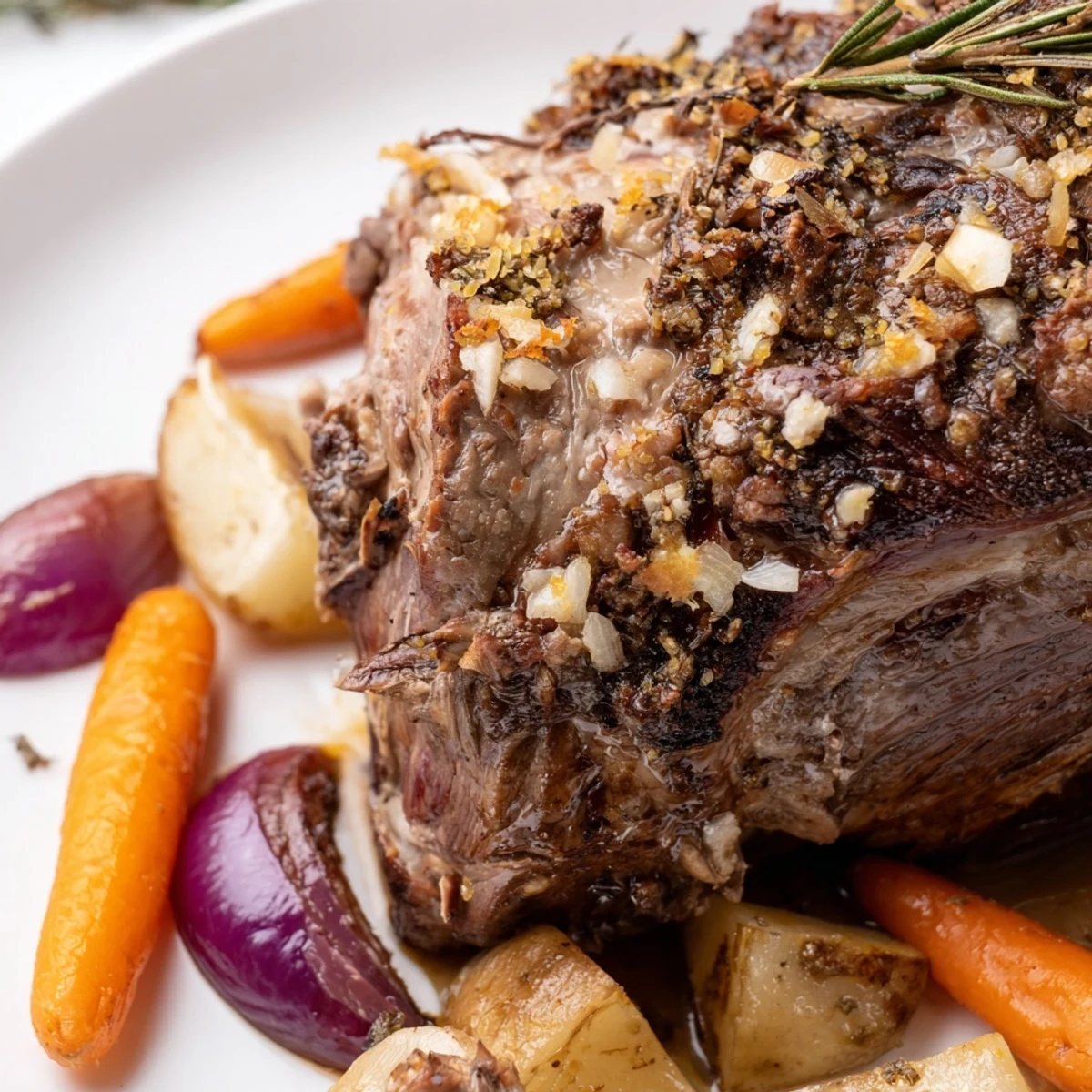
Save There's a moment, about three-quarters of the way through roasting, when you lift that foil and the smell hits you all at once—herbs, caramelizing vegetables, lamb fat browning. That's when you know you made the right call with dinner. My sister once said that roasted lamb tastes like someone spent all day in the kitchen, but you and I know better.
Marinating for Extra Depth
If you have time the night before, rub the lamb with oil, herbs, and garlic and let it sit uncovered in the fridge overnight. This isn't essential—the dish is wonderful either way—but it does give the flavors time to sink in and develop. Just let it come to room temperature for about 30 minutes before roasting, so it cooks evenly.
Vegetable Swaps That Actually Work
Root vegetables are forgiving with timing, which is why this recipe is so reliable. You can use sweet potatoes, turnips, celeriac, or regular baby vegetables—whatever your market has or your mood suggests. Just keep them roughly the same size so they cook at the same rate, and if you're using watery vegetables like zucchini, add them in the last 30 minutes so they don't turn into mush.
What to Drink and Serve Alongside
A robust red wine like Syrah or Cabernet Sauvignon is the traditional pairing, and there's a reason—the tannins cut through the richness beautifully. But honestly, a good Côtes du Rhône works perfectly fine and costs less. Serve the lamb with crusty bread to catch every drop of pan juice, a simple green salad for brightness, or even just more of the roasted vegetables if everyone's hungry.
- Save any leftover lamb for sandwiches the next day with plenty of the pan juices drizzled on fresh bread.
- If you have vegetable scraps, throw them into the pan with water to make a quick stock for soup.
- This dish tastes just as good at room temperature, so it's perfect for feeding a crowd without staying glued to the oven.
 Save
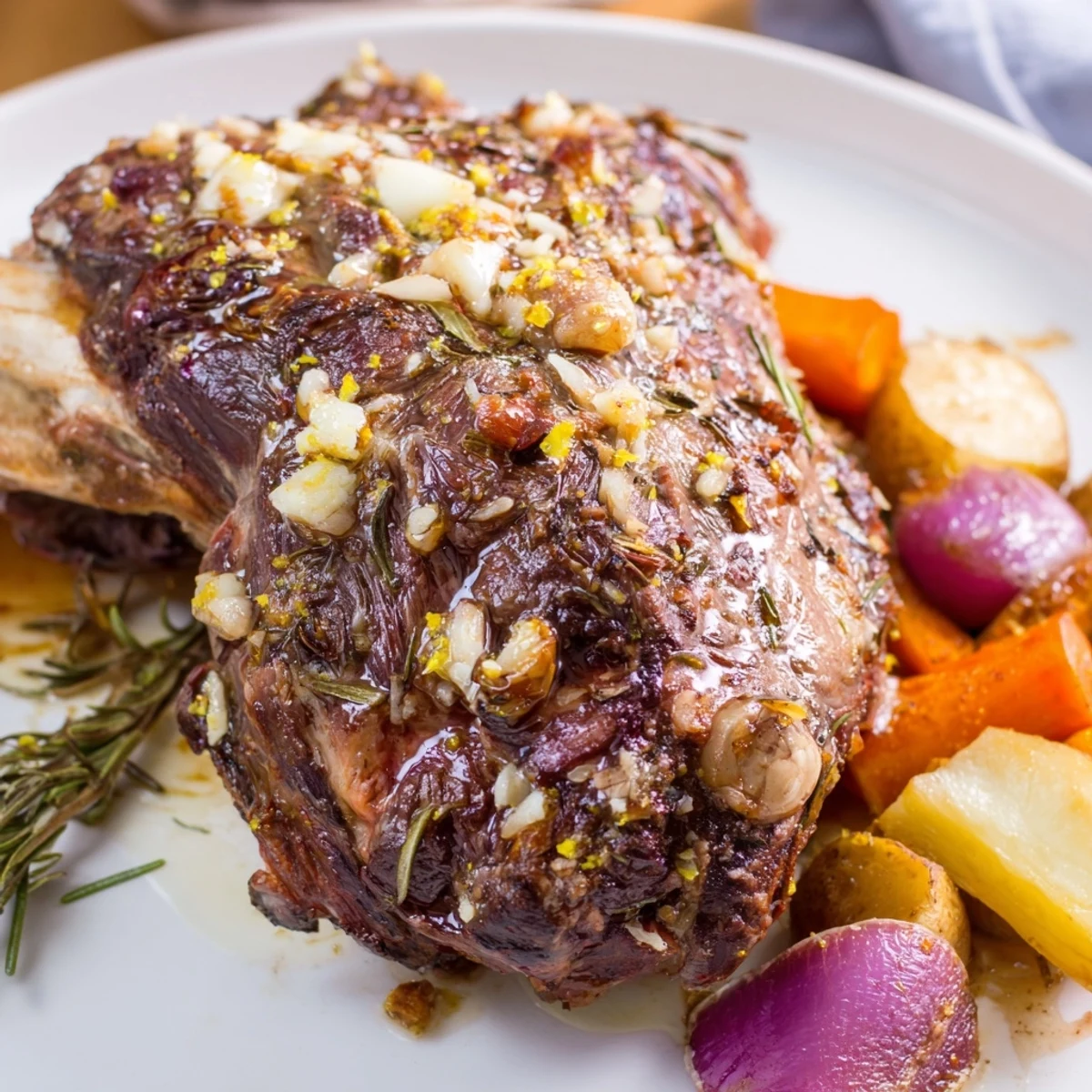
Save This is the kind of meal that turns an ordinary evening into something people remember. Make it once, and it becomes the dish you're known for.
Recipe FAQs
- → How long should the lamb shoulder rest before carving?
-
Let it rest loosely covered for about 15 minutes to allow juices to redistribute for tender slices.
- → Can I substitute the white wine with something else?
-
Yes, chicken stock can be used as an alternative to maintain moisture and add flavor.
- → What herbs enhance the flavor of this lamb dish?
-
Fresh rosemary and thyme combined with garlic create an aromatic, savory profile that complements the lamb well.
- → What vegetables work best for roasting alongside lamb?
-
Root vegetables like carrots, parsnips, onions, and baby potatoes roast nicely and absorb savory flavors.
- → Is it beneficial to marinate the lamb overnight?
-
Marinating overnight with herbs, garlic, and olive oil enhances the depth of flavor and tenderness.