
 Save
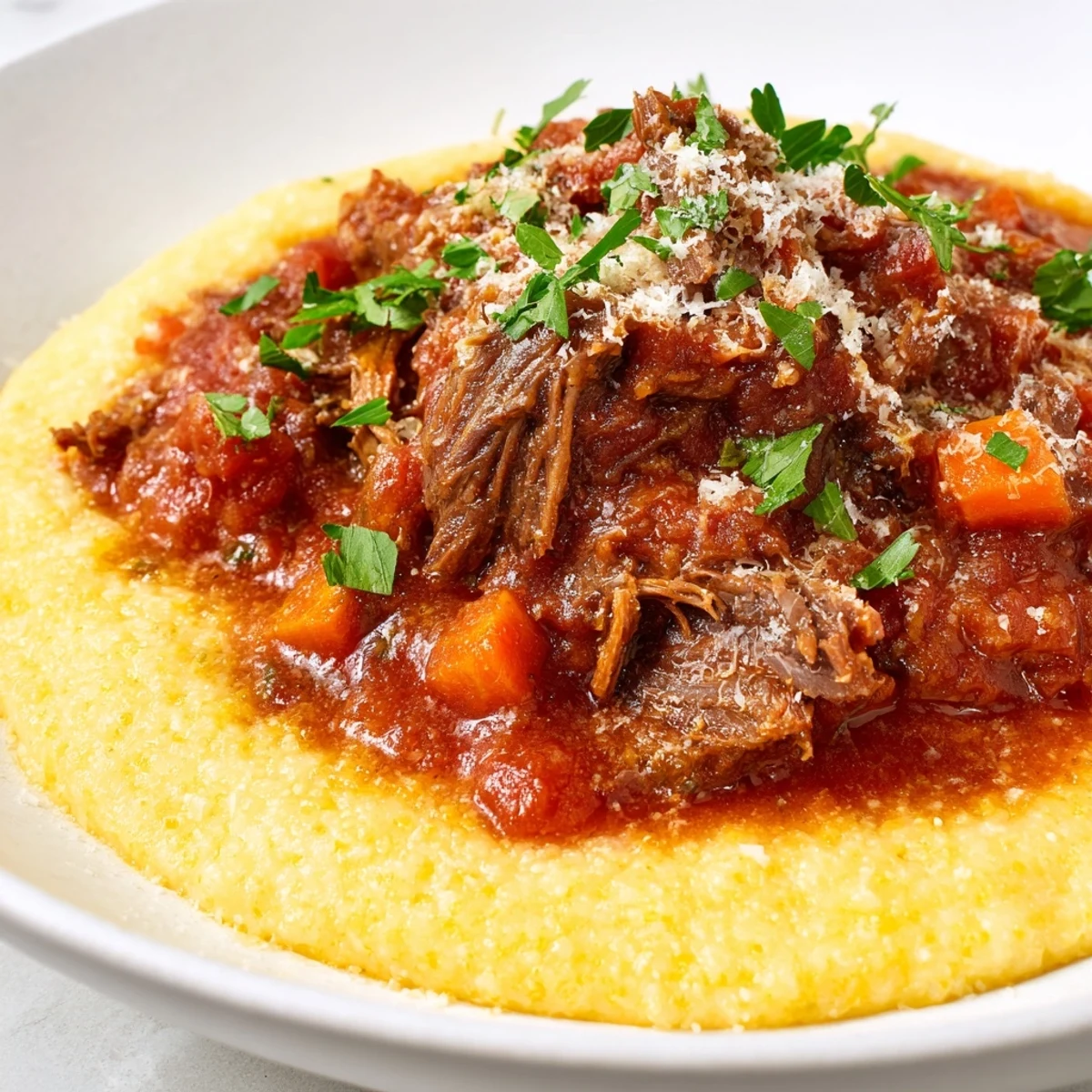
Save This dish features tender chunks of beef slowly cooked in a rich tomato and herb sauce, merging aromatic flavors and hearty textures. The beef is seared and combined with vegetables, herbs, and a splash of red wine, then slow-simmered until fork-tender. It’s served atop creamy, butter-enriched polenta finished with Parmesan cheese for a smooth, comforting base. Fresh herbs add brightness and extra cheese enhances richness, making this a satisfying and flavorful meal perfect for family gatherings or cozy evenings.
There's something about the smell of beef and red wine simmering together for hours that makes a kitchen feel like home. I first discovered this ragu when a friend brought it to a winter dinner, and the way everyone went quiet for that first bite told me everything I needed to know. Now, when I make it, I start the slow cooker in the morning and spend the day knowing that dinner is already becoming something special—no last-minute stress, just time doing the work.
I'll never forget the first time I made this for my partner's family—I was nervous about the slow cooker timing, worried I'd somehow ruin it. Instead, when we lifted that lid at dinnertime, the beef was so perfectly tender it shredded with barely a touch, and the aroma alone was worth every bit of uncertainty. That meal turned into a tradition, and now it's the dish everyone asks me to bring.
Ingredients
- Beef chuck roast: The fat and connective tissue break down beautifully during those long hours, creating the most velvety texture.
- Onion, garlic, carrots, and celery: This is your flavor foundation—don't skip the sautéing step, it wakes everything up.
- Crushed tomatoes and tomato paste: The paste adds a concentrated depth that makes the sauce taste less like canned tomatoes and more like something you've been tending all day.
- Beef broth and red wine: Together they build a savory backbone that balances the acidity of the tomatoes.
- Oregano, thyme, and bay leaves: These herbs are your quiet anchors—they don't shout, they just make everything taste more intentional.
- Polenta: Coarse cornmeal gives you that satisfying texture; it's not flour, so it stays gluten-free and feels rustic.
- Butter and Parmesan: Stir these in at the end of the polenta cooking, and you'll understand why simplicity sometimes wins.
Instructions
- Sear the beef until it's mahogany-colored:
- Get your skillet hot, and don't move the meat around too much. You're not cooking it through, just building a crust that holds flavor. Listen for that satisfying sizzle.
- Sauté your vegetables into sweetness:
- The onions should turn golden, the carrots soft at the edges. This step takes just a few minutes but changes everything about the final sauce.
- Layer everything into the slow cooker:
- Tomatoes, broth, wine, and herbs go in with the beef and vegetables. Stir it once so everything knows it's part of the same story, then let the slow cooker do its job.
- Cook low and long until the beef surrenders:
- Eight hours on low is ideal, but four to five on high works too. The meat should shred easily, and the sauce should smell like an Italian grandmother's kitchen.
- Shred the beef and taste for seasoning:
- Use two forks and don't rush it—the beef should fall apart. Taste and adjust salt, pepper, maybe a pinch more of herbs.
- Make your polenta about 45 minutes before serving:
- Bring water or broth to a boil, then whisk in the cornmeal in a steady stream so it doesn't clump. This part takes patience and a good arm, but it's almost meditative.
- Stir in butter and cheese until it's glossy:
- The polenta should be thick and creamy, not stiff. If it's too thick, loosen it with a splash of warm broth.
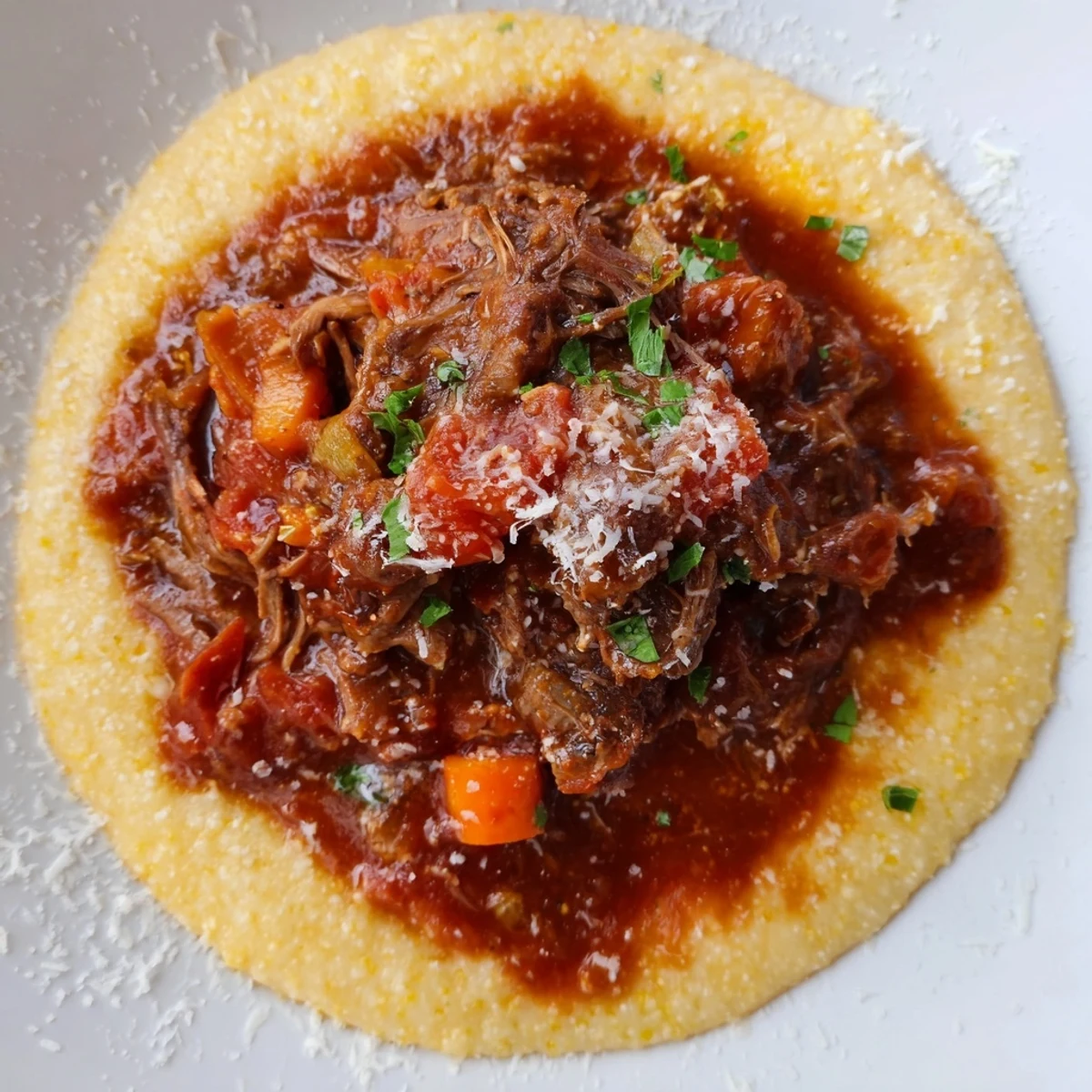
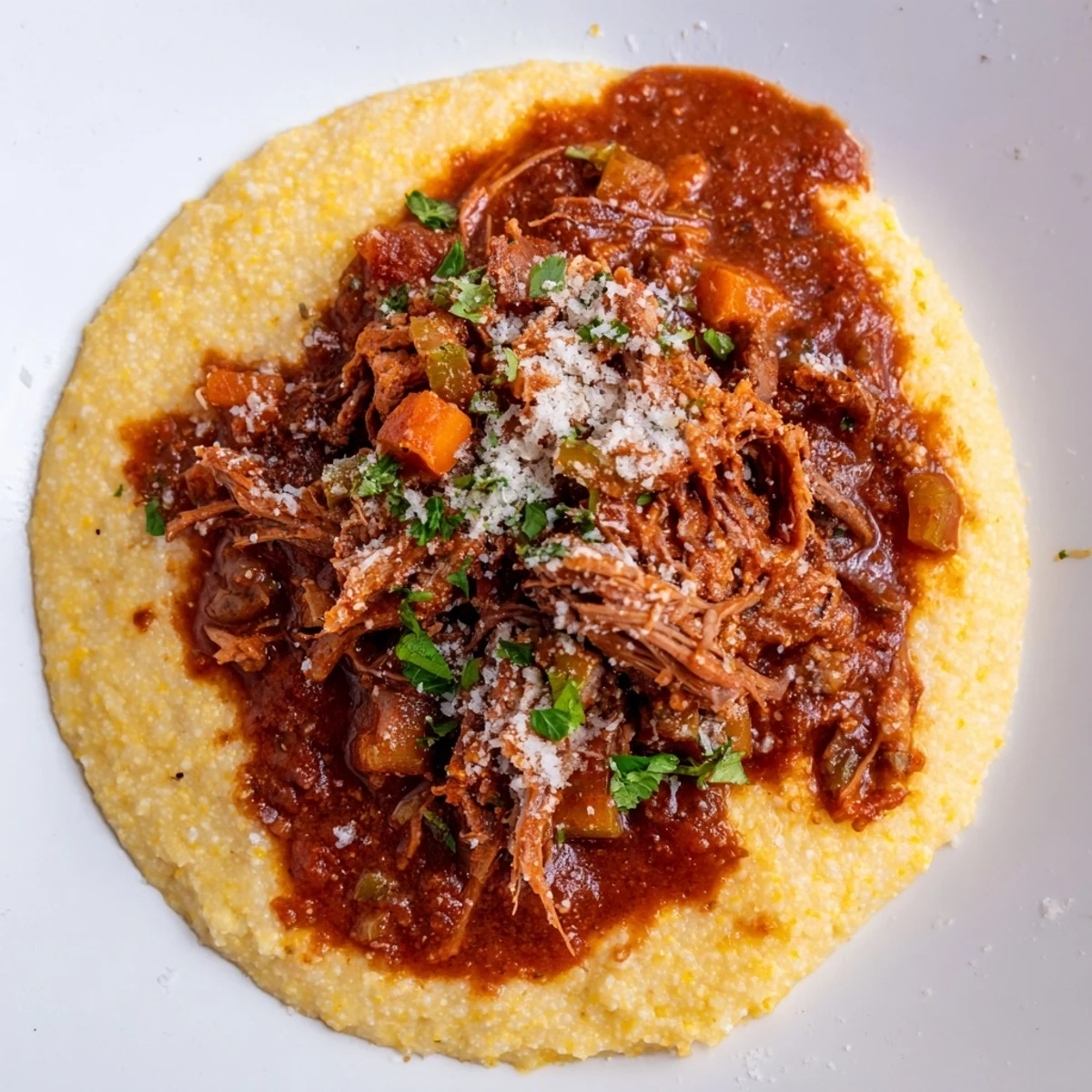
- Serve ragu generously over polenta:
- Let the sauce pool around the polenta. Fresh basil or parsley on top isn't just for show—it brightens everything.
 Save
Save There's a moment about halfway through cooking when I open the slow cooker just to breathe in the smell, and that's when I know this dish has already done its magic. It stops being just ingredients and becomes something that pulls people to the table, something that makes them feel cared for in the quietest way.
Why This Recipe Works Year-Round
In winter, it's pure comfort—the warm bowl, the rich sauce, the feeling that dinner is solving something about the cold darkness outside. In summer, it's lighter than it sounds, especially if you use a touch less oil and pair it with something fresh on the side. Spring and fall fall somewhere in between, when you need warmth but not weight, tradition but not heaviness.
Making It Your Own
This recipe is sturdy enough to handle your own touches. A splash of balsamic vinegar deepens the sauce in a way that feels almost secret. Some cooks add a pinch of cinnamon, which sounds odd until you taste how it rounds out all the flavors. If you want something lighter, turkey works beautifully and cooks just as tender.
Serving and Storing
The beauty of this ragu is that it tastes even better the next day, after the flavors have had time to settle into each other. Leftover sauce transforms into a pasta dinner, or you can spoon it over crusty bread and call it dinner again. The polenta is best fresh, but the ragu keeps for three days in the refrigerator and freezes for months.
- Reheat the ragu gently on the stovetop, adding a splash of broth if it's thickened too much.
- For a quicker weeknight version, you can use a Dutch oven in a 325°F oven instead of a slow cooker, reducing the time to three to four hours.
- Pair it with a Chianti or other robust red wine that echoes the flavors already in the pot.
 Save
Save This is the kind of dish that reminds you why cooking matters. It's not just about feeding people; it's about showing up for them with something made with time and intention.
Recipe FAQs
- → What cut of beef works best for slow cooking?
-
Beef chuck roast is ideal as it becomes tender and flavorful after slow cooking over several hours.
- → Can I prepare the sauce without red wine?
-
Yes, you can substitute beef broth or extra tomato sauce to maintain depth without alcohol.
- → How do I ensure the polenta is creamy and smooth?
-
Gradually whisk cornmeal into boiling water and stir frequently while cooking over low heat to prevent lumps.
- → Can this dish be made ahead of time?
-
Absolutely, flavors deepen when prepared in advance and it reheats well for next-day meals.
- → What herbs complement the beef ragu best?
-
Dried oregano, thyme, and fresh basil or parsley offer aromatic depth and freshness to the dish.