
 Save
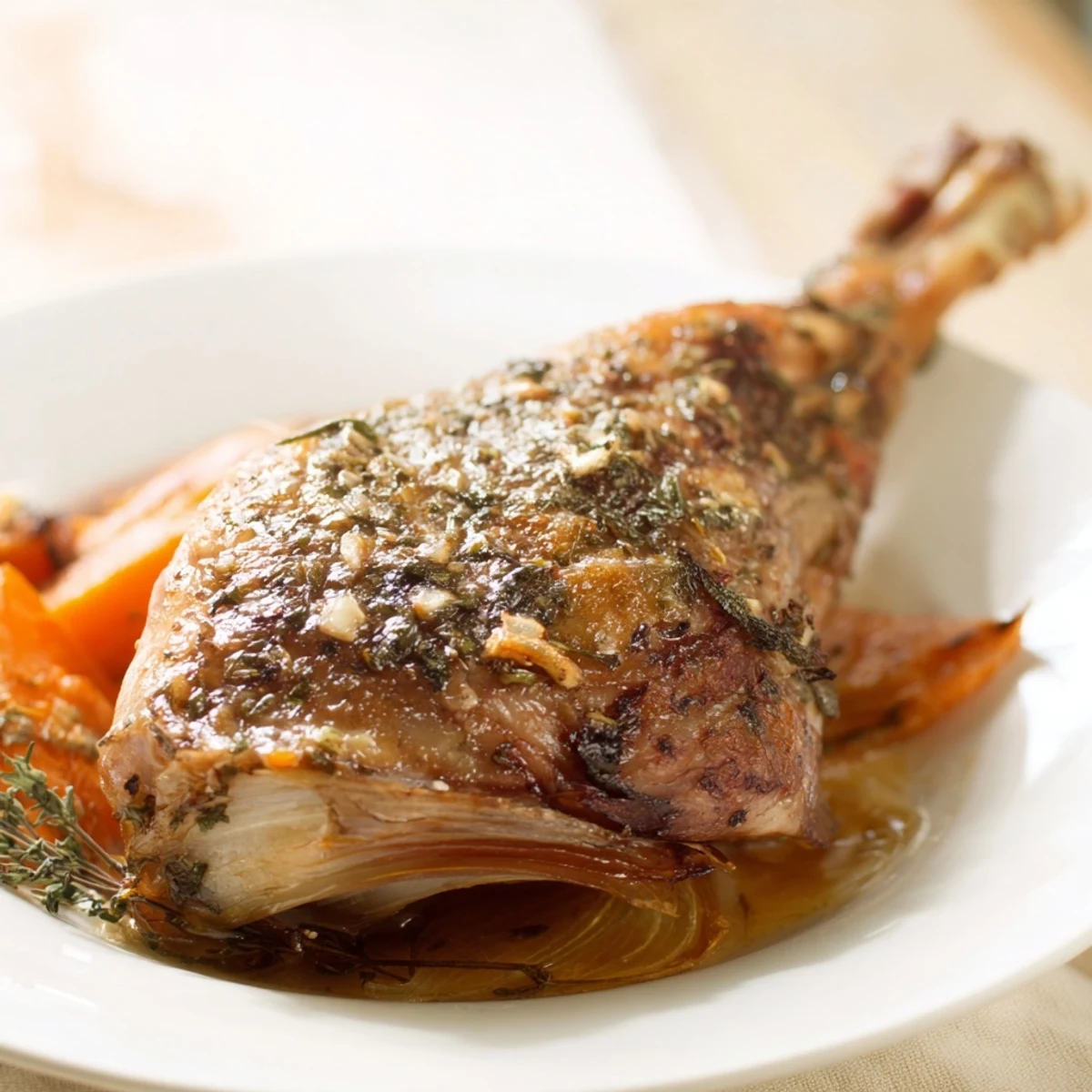
Save Experience tender turkey legs slow-cooked low and slow with fresh sage, garlic, and bright lemon notes. Slow roasting over a bed of aromatic vegetables ensures moist, flavorful meat that falls off the bone. A crisp skin finish adds texture, making it perfect for comforting fall or winter dinners. Simple steps and natural ingredients combine for a rich, satisfying dish ideal for gatherings or hearty family meals.
There's something quietly comforting about turkey legs that feels almost forgotten in modern cooking. I discovered them one autumn when a farmer's market vendor handed me a sample of slow-roasted leg with crispy skin, and I realized I'd been missing out on one of the most forgiving, foolproof ways to create restaurant-quality poultry at home. The meat practically falls from the bone without any fuss, and the sage-infused marinade turns what could be dry into something genuinely luxurious. Now, whenever I need dinner that impresses without demanding constant attention, this is what I reach for.
I made this for a small dinner party on a chilly October evening, and I remember being genuinely surprised when my neighbor asked for the recipe before even tasting it—the smell alone had sold him. The turkey legs took their time in the oven while we sat around talking, no rushing, no stress, and when I finally brought them to the table with the vegetables and glossy pan juices spooned over top, everyone understood why slow roasting isn't just a technique but a kind of kindness to yourself.
Ingredients
- Turkey legs (4, about 300g each, skin on): Buy them with the skin intact for that essential crispness and rich flavor—the skin protects the meat underneath and renders into something genuinely delicious.
- Olive oil (2 tbsp) and unsalted butter (1 tbsp, melted): Together they create a marinade base that coats every crevice and encourages browning without any burnt edges.
- Fresh sage leaves (2 tbsp chopped, or 2 tsp dried): Fresh sage tastes brighter and more alive, but dried sage in winter is honest and warm—use whichever you have on hand without guilt.
- Garlic (4 cloves, minced): Minced fine enough to distribute evenly, the garlic becomes mellow and sweet as it roasts, never harsh.
- Fresh lemon juice and zest (1 tbsp juice, 1 tsp zest): The citrus cuts through richness and keeps everything tasting fresh even after hours of cooking.
- Salt and freshly ground black pepper (1 tsp salt, ½ tsp pepper): Taste as you season—you'll likely want a touch more pepper once the turkey is resting, and that's perfectly fine.
- Sliced onion, carrots, and celery (1 large onion, 2 carrots, 2 celery stalks): These aromatics soften into the vegetables you'll serve alongside and flavor the broth underneath, so don't skip them.
- Chicken or turkey broth (1 cup): Store-bought works beautifully here—the broth steams the meat gently from below while the oven does the heavy lifting above.
Instructions
- Warm your oven and gather your mise:
- Preheat to 150°C (300°F) and lay out everything you'll need—roasting pan, foil, mixing bowl, turkey legs, and all your seasonings. Starting organized means you can move through this without second-guessing yourself.
- Make the marinade:
- In a small bowl, whisk together olive oil, melted butter, chopped sage, minced garlic, lemon juice, lemon zest, salt, and pepper until it looks like a loose paste. Smell it—it should smell like fall and dinner parties.
- Coat the turkey legs:
- Pat the legs dry with paper towels (this matters more than you'd think for browning), then rub the marinade generously over every surface, getting underneath any skin folds. Don't be shy; use all of it.
- Build your roasting base:
- Spread sliced onion, carrots, and celery across the bottom of a large roasting pan, then nestle the turkey legs on top. Pour the broth into the pan around the legs—not over them, so the skin stays exposed and can eventually crisp.
- Roast low and slow:
- Cover tightly with foil and roast for 2 hours, basting the turkey legs with the pan juices once halfway through (open carefully, baste quickly, close again). The meat will gradually become tender as the low heat works its magic.
- Finish with color and crispness:
- Remove the foil, increase the oven to 200°C (400°F), and roast uncovered for 15 minutes until the skin turns golden and crisp. Watch it during this final stretch so it browns without burning.
- Rest and serve:
- Let the turkey legs rest for 5 to 10 minutes before plating—this keeps the meat juicy and gives you time to spoon the softened vegetables and pan juices onto serving plates. Everything should look golden and generous.
 Save
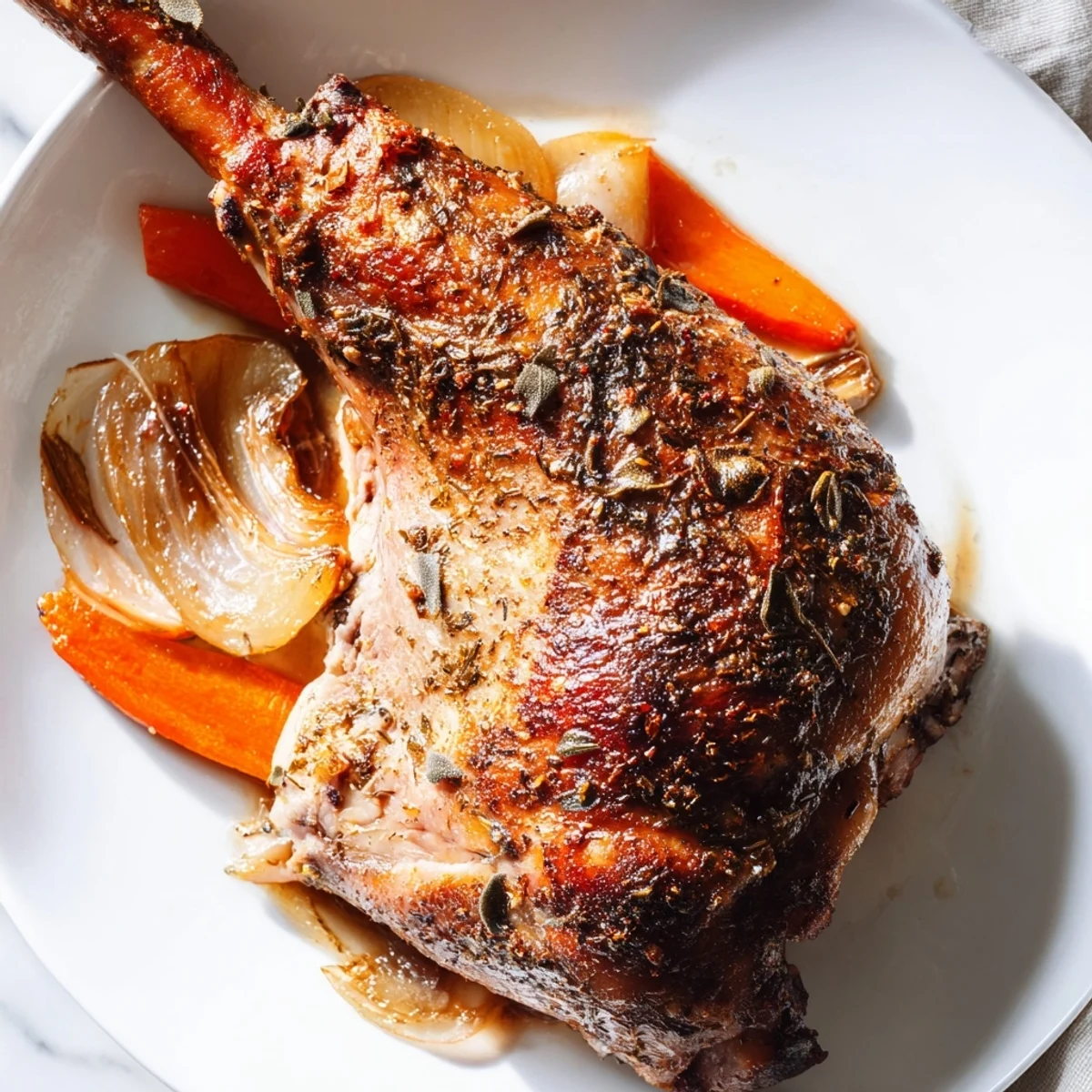
Save The moment someone cuts into a turkey leg and the meat falls away from the bone with just the gentlest pressure, there's always this quiet satisfaction in the room. It's the moment when everyone understands that slow roasting isn't about being fancy or difficult—it's about showing up and trusting the process, and somehow that translates into food that tastes like someone really cared.
Why Sage and Lemon Work So Well Together
Sage on its own can feel heavy and almost medicinal, and lemon alone is just brightness without anchor. Together, they balance each other—the sage becomes more refined, the lemon more rounded and warm. I learned this by accident when I once made the same recipe with sage but no citrus, and while it was fine, it felt incomplete somehow, like a room with good furniture but no light.
Vegetables as Flavor and Sustenance
Those sliced onions, carrots, and celery aren't just supporting players—they're doing two jobs at once. As they roast beneath the turkey, they absorb all the dripping flavors and become sweet and tender enough to serve alongside the meat, while simultaneously flavoring the broth. I've made this recipe with fancy vegetable medleys before, and honestly, these humble three are better every time because they're reliable and mild enough to let the turkey shine.
Storage, Leftovers, and Variations
Cold turkey leg meat shreds beautifully into salads or sandwiches, and the pan juices gelatin slightly when chilled, making them perfect for reheating and spooning over anything that needs richness. I've also discovered that adding a small sprig of rosemary or thyme alongside the vegetables gives the broth deeper earthiness, which is wonderful in autumn but not necessary—sage and lemon are plenty on their own. One last thought: if your oven runs hot, start checking the turkey at the 1 hour 45 minute mark rather than the full 2 hours, because ovens vary more than recipes admit.
- Store leftovers in an airtight container for up to 3 days, or freeze the shredded meat for up to a month.
- Reheat gently in a low oven with a splash of broth to keep the meat moist and tender.
- The pan juices are liquid gold—save every drop for soups, sauces, or drizzling over mashed potatoes.
 Save
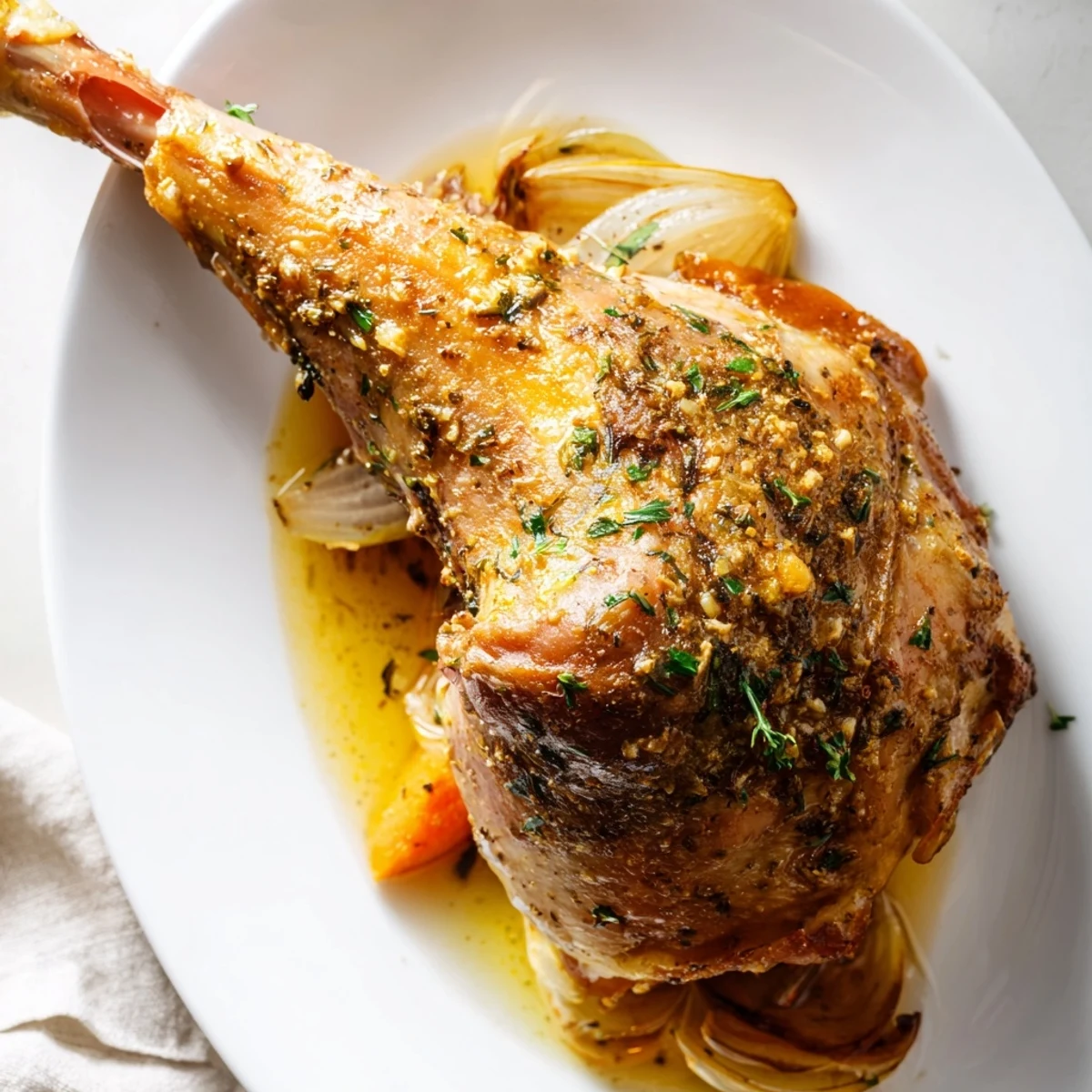
Save This recipe has become my answer to the question of what to cook when you want something that feels special but you're tired before you even start. Turkey legs slow roasted with sage and lemon do the work themselves once you put them in the oven, and that quiet reliability is something worth celebrating.
Recipe FAQs
- → How long should turkey legs be slow-roasted?
-
Roast turkey legs at low heat for about 2 hours to achieve tender, fall-off-the-bone meat before briefly increasing heat for crisp skin.
- → What herbs complement the turkey legs best?
-
Fresh or dried sage adds earthy aroma, while garlic and lemon brighten the flavor; rosemary or thyme can be added for extra depth.
- → Should the turkey legs be covered while roasting?
-
Yes, cover the pan tightly during most of the cooking to keep moisture in, then uncover at the end for a golden, crisp finish.
- → Can I use broth when roasting the turkey legs?
-
Pouring chicken or turkey broth around the legs helps maintain moisture and infuses subtle savory notes throughout the cooking.
- → What sides pair well with slow-roasted turkey legs?
-
Mashed potatoes, roasted root vegetables, or fresh salads complement the rich flavors and provide a balanced meal.
- → Is this dish suitable for gluten-free diets?
-
Yes, as long as gluten-free broth is used, this dish contains no gluten ingredients.