
 Save
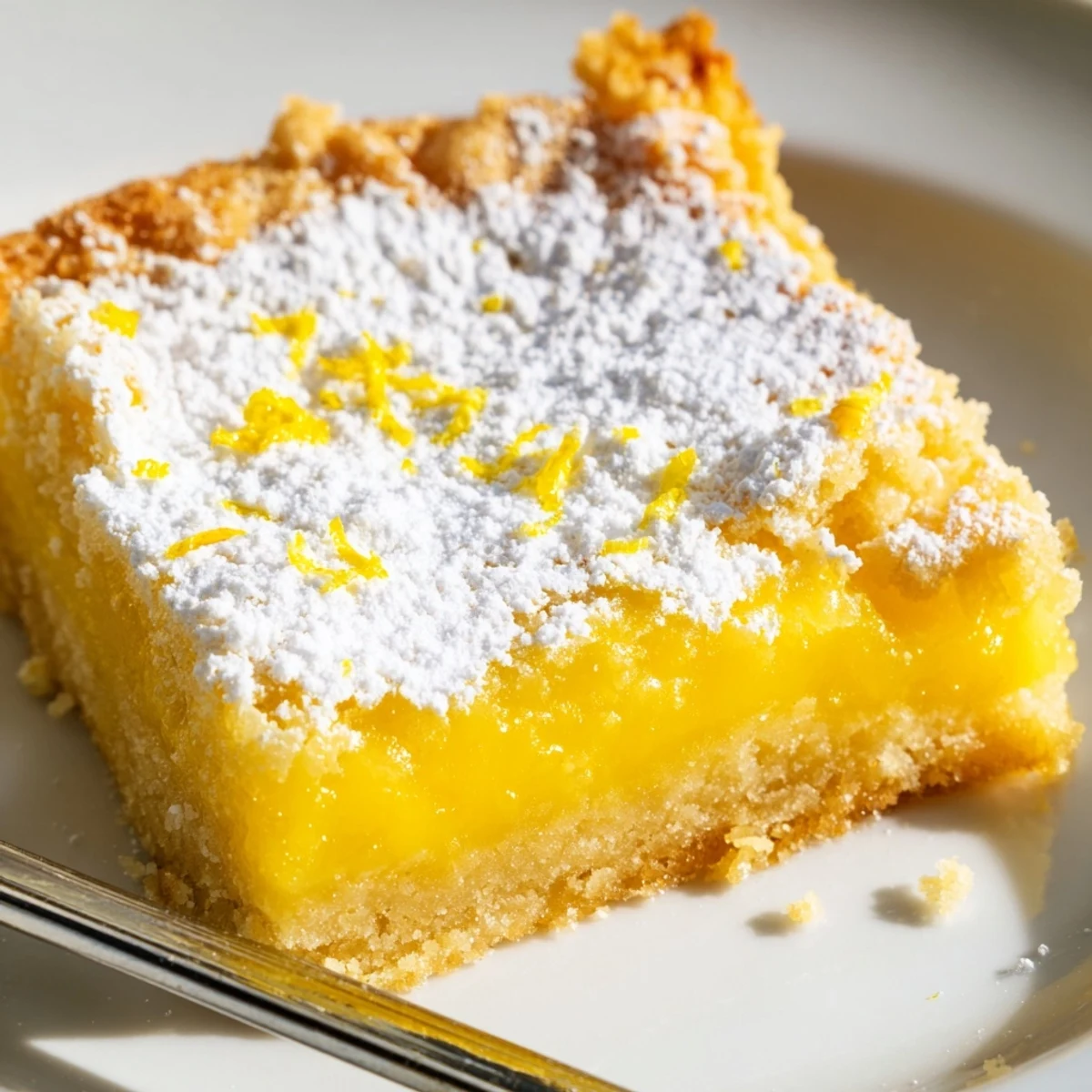
Save These bright and fresh lemon bars feature a buttery shortbread crust topped with a tangy, zesty lemon filling made from fresh lemon juice and zest.
Ready in under an hour, they yield 12 generous squares ideal for picnics, potlucks, or a sunny afternoon treat.
Simple to prepare with everyday pantry staples, they store well in the fridge for up to four days.
The screen door was propped open and a warm breeze carried the smell of lemon zest through my grandmothers kitchen the afternoon she taught me these bars. She never measured anything, just squeezed lemons until it smelled right, and somehow they turned out perfect every single time. I spent years trying to replicate her method before admitting that writing things down actually helps. This version stays faithful to her insistence on a buttery crust that can stand up to a generous layer of filling.
I brought a pan of these to a backyard potluck once and watched a friend eat three before dinner was even served. She tried to look embarrassed but went back for a fourth before the burgers came off the grill.
Ingredients
- Unsalted butter (1 cup, 225 g, softened): The foundation of the crust, so use good quality butter if you can find it. Let it soften naturally on the counter rather than microwaving, which creates uneven soft spots.
- Granulated sugar (1/2 cup for crust, 1 1/2 cups for filling, totaling 200 g plus 300 g): Two separate jobs here, sweetness for the shortbread and structural sweetness that helps the filling set properly.
- All purpose flour (2 cups plus 1/4 cup, 250 g plus 30 g): The larger amount builds the crust while the smaller amount stabilizes the lemon filling so it slices cleanly.
- Salt (1/4 tsp): Just enough to make the butter flavor in the crust sing without tasting salty.
- Large eggs (4): They give the filling its custard like body, so use the freshest ones you have.
- Fresh lemon juice (2/3 cup, 160 ml, about 3 to 4 lemons): Bottled juice will not give you the same brightness, so squeeze your own and save the bottle for cooking.
- Lemon zest (1 tbsp, finely grated): This is where most of the aromatic lemon oils live, so zest before you juice and grate finely to avoid bitter white pith.
- Powdered sugar (for dusting): A snow like coating right before serving adds a gentle sweetness and makes them look bakery ready.
Instructions
- Prepare your pan and oven:
- Heat the oven to 350 degrees F (175 degrees C) and line a 9 by 13 inch baking pan with parchment paper, leaving enough overhang on the sides to lift the bars out later. Press the parchment into the corners so it hugs the shape of the pan.
- Build the shortbread crust:
- In a medium bowl, cream the softened butter and half cup of sugar together until pale and fluffy, then work in the two cups of flour and salt until the mixture looks like coarse crumbs. It should hold together when you squeeze a handful but still feel a bit sandy.
- Bake the base:
- Press the crumbly dough evenly across the bottom of your lined pan, using the back of a measuring cup or your palms to get a flat, compact layer. Bake for 18 to 20 minutes until the edges are a light gold and the surface feels set to the touch.
- Whisk the lemon filling:
- While the crust bakes, beat the eggs and the remaining cup and a half of sugar in a large bowl until smooth and slightly thickened, then whisk in the quarter cup of flour until no lumps remain. Stir in the fresh lemon juice and zest last, mixing gently so you do not deflate the eggs.
- Combine and finish baking:
- Take the golden crust from the oven and reduce the temperature to 325 degrees F (160 degrees C), then pour the lemon mixture over the hot crust right away. Return the pan to the oven for another 18 to 20 minutes, baking until the center no longer wobbles when you give the pan a gentle shake.
- Cool, slice, and serve:
- Let the bars cool completely in the pan on a wire rack, preferably for at least two hours or even overnight in the fridge for the cleanest cuts. Lift the whole slab out using the parchment handles, slice into twelve squares, and dust generously with powdered sugar just before serving.
 Save
Save My grandmother used to say these bars tasted like sunshine on a plate, and I rolled my eyes every time, but she was right. There is something about that bright yellow filling catching the light that makes people smile before they even take a bite.
Storing Your Leftovers
These bars keep beautifully in the refrigerator for up to four days if you can make them last that long. Cover the cut squares tightly with wrap or stack them in an airtight container with parchment between layers so the powdered sugar does not smear everywhere.
Citrus Variations Worth Trying
Once you master the lemon version, swap in lime juice and lime zest for a tropical twist that tastes incredible with a dollop of whipped cream. Orange juice makes a sweeter, milder bar that even picky eaters seem to love, and grapefruit adds a sophisticated bitterness.
Tools and Equipment
You really only need a couple of mixing bowls, a whisk or electric mixer, and that trusty 9 by 13 inch pan to pull this off. A microplane or fine grater for the zest makes a noticeable difference in texture.
- A parchment paper overhang is the single easiest trick for removing the bars cleanly from the pan without a knife.
- An electric mixer saves your arm on the crust butter, but a sturdy spoon and some enthusiasm work too.
- Always zest your lemons before juicing them because a hollow lemon is frustrating to grate.
 Save
Save Every time I make these, I think of that open screen door and my grandmothers flour dusted hands, and I hope they bring a little bit of that same warmth to your kitchen too.
Recipe FAQs
- → Can I use bottled lemon juice instead of fresh?
-
Fresh lemon juice delivers the brightest, most vibrant flavor. Bottled juice works in a pinch but the taste will be noticeably less zesty and aromatic.
- → How do I know when the lemon filling is fully set?
-
Gently shake the pan — the center should not jiggle. The edges will look slightly firm and golden while the center appears just set with a subtle gloss.
- → Why is my shortbread crust crumbly?
-
A crumbly texture before pressing is completely normal. Simply press the dough firmly and evenly into the pan using your hands or the back of a measuring cup.
- → Can I freeze lemon bars?
-
Yes. Cut them into squares, wrap each tightly in plastic wrap, and freeze for up to three months. Thaw overnight in the fridge and dust with powdered sugar before serving.
- → What size pan works best?
-
A standard 9×13-inch pan yields the ideal bar thickness. A smaller pan produces thicker bars that may need longer baking, while a larger pan creates thinner ones.
- → Can I substitute lime or orange for the lemon?
-
Absolutely. Lime creates a tropical twist while orange produces a milder, sweeter citrus bar. Keep the juice quantity the same for consistent results.