
 Save
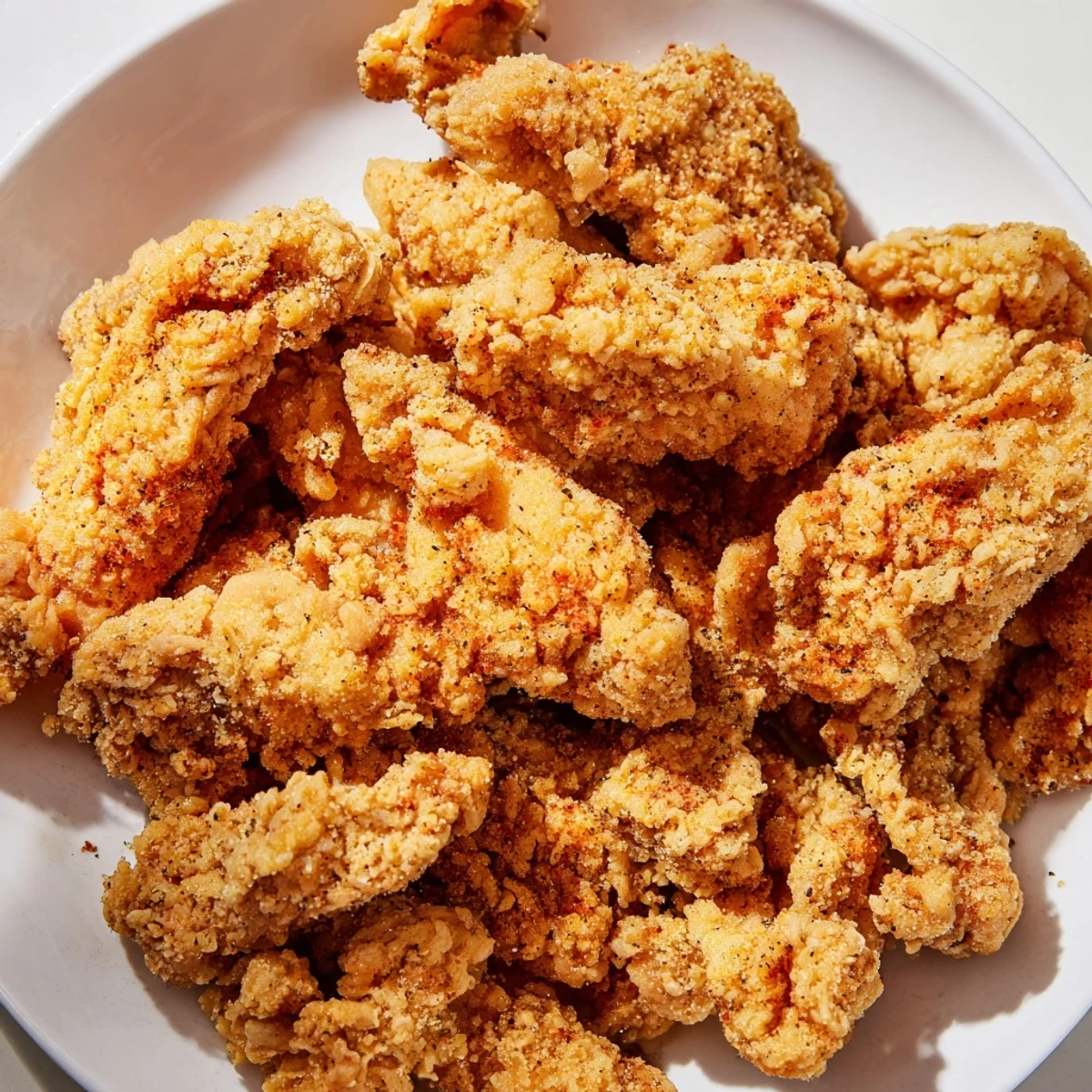
Save This coating blends flour, cornstarch, and spices for a light, crispy finish on fried chicken, fish, or veggies. A dual-step batter process ensures a golden exterior with satisfying crunch. Simple ingredients like baking powder, garlic, and onion powder add flavor, while the optional smoked paprika gives a subtle smoky hint. Dredge, dip in egg and water, then coat again before frying to 350°F until golden. Ideal for easy, flavorful fried dishes with a light texture.
There's a moment in every home cook's life when you realize that the difference between soggy and spectacular comes down to one thing: the coating. I discovered this years ago when my roommate kept complaining about rubbery fried chicken from the local place, so I decided to crack the code at home. After some tinkering, some failures, and one particularly oily disaster, I finally nailed it with this double-dredge technique. Now it's become the foundation for everything crispy that leaves my kitchen.
I still remember bringing a batch of crispy zucchini rounds to a potluck where everyone was expecting the usual sad vegetable platter, and watching people actually fight over the last piece. That's when I knew this coating wasn't just functional—it was a little kitchen magic that could turn skeptics into believers.
Ingredients
- All-purpose flour: This is your foundation—it gives structure and helps the coating cling to whatever you're frying.
- Cornstarch: The secret weapon for crispiness; it creates an incredibly light, shattered texture that regular flour just can't match.
- Baking powder: This lifts the coating as it fries, creating those tiny air pockets that make it crunch when you bite in.
- Garlic powder and onion powder: Flavor builders that work their magic without making the coating wet or heavy.
- Salt and black pepper: Your baseline seasonings that make everything taste intentional.
- Smoked paprika: Optional but worth it if you want a hint of color and a whisper of smokiness.
- Eggs: The binder that makes everything stick together; beat them until frothy for the lightest coating possible.
- Cold water or milk: Keeps the egg mixture thin and flowing so the coating stays delicate, not dense.
- Neutral oil: Choose one with a high smoke point like canola or sunflower so it doesn't break down when things get hot.
Instructions
- Build your dry mix:
- Whisk together the flour, cornstarch, baking powder, garlic powder, onion powder, salt, pepper, and smoked paprika in a large bowl until everything looks evenly combined. This step takes maybe a minute but it's worth doing properly so every piece of food gets seasoned evenly.
- Prepare the egg wash:
- Crack your eggs into a separate shallow bowl and beat them with cold water or milk until they're frothy and light—this creates a thinner coating than if you just whisked them halfway. The frothiness is what traps tiny air bubbles that fry up to golden perfection.
- Dry your protein:
- Pat chicken, fish, vegetables, or whatever you're frying completely dry with paper towels. Water is the enemy of crispiness, so don't skip this.
- First dredge:
- Coat each piece generously in the dry mix, then gently shake off the excess so you've got an even, thin layer clinging to the surface. This first coat is the base that everything else sticks to.
- Dip and coat:
- Submerge each piece in the egg wash, making sure it's fully covered, then immediately transfer it back to the dry mix and press gently so the coating adheres like it's meant to stay. The egg acts like glue, bonding the second layer of crispy coating so it doesn't fall off in the oil.
- Heat your oil:
- Get your oil to exactly 350°F (175°C)—use a thermometer if you have one, because this temperature is the sweet spot between cooking things through and achieving that golden crust. If it's too cool, your coating absorbs oil and gets greasy; too hot and it burns before the inside cooks.
- Fry in batches:
- Work in batches so you don't crowd the pan and drop the temperature, which causes that telltale greasy coating nobody wants. Each piece should sizzle the moment it hits the oil.
- Drain and serve:
- Remove pieces with a slotted spoon and let them drain on a wire rack or paper towels—racks are better because they let air circulate underneath so the coating stays crunchy. Serve immediately while everything is still crackling.
 Save
Save There's something about the sound of something frying at the perfect temperature that never gets old—that sharp sizzle followed by a gentle crackle as the coating sets up. It's the audio confirmation that you're doing something right.
Customizing Your Coating
Once you've mastered the basic version, this coating becomes a canvas for whatever flavor direction you're heading. Add a quarter teaspoon of cayenne if you want heat, or swap the paprika for smoked garlic powder if you're feeling adventurous. I've played with adding dried herbs like oregano or Italian seasoning, and every version has been solid.
The Panko Upgrade
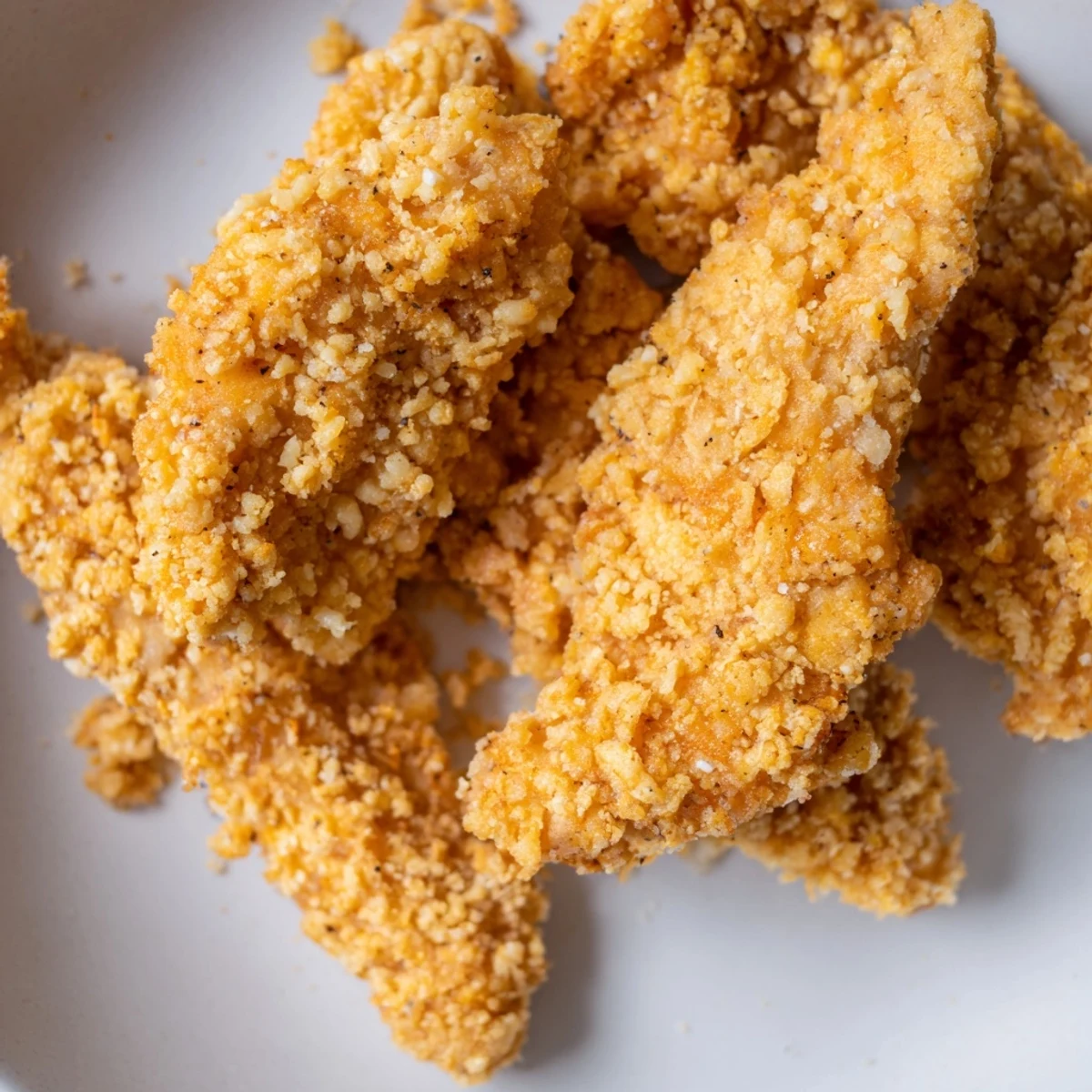
One night I ran out of flour and grabbed panko instead, using half panko and half regular flour, and discovered something genuinely better—bigger, shattering pieces that create an almost architectural crunch. Crushed cornflakes work the same way if you want to get creative, though panko is more reliable. It's the kind of small substitution that feels like finding money in your pocket.
Oil and Temperature Mastery
The coating only gets you halfway there—the oil temperature is what separates crispy from soggy or burned. I learned this the hard way after several batches that either looked raw or turned into charcoal before anything cooked through. Invest in a thermometer and trust it more than your instincts; your instincts will lie to you.
- If your oil starts smoking or smells acrid, it's too hot and you've gone past the point of no return.
- Let oil cool slightly between batches if you're frying a lot, since each batch naturally brings the temperature down a little.
- Never leave hot oil unattended, and keep a lid nearby just in case—never use water on an oil fire.
 Save
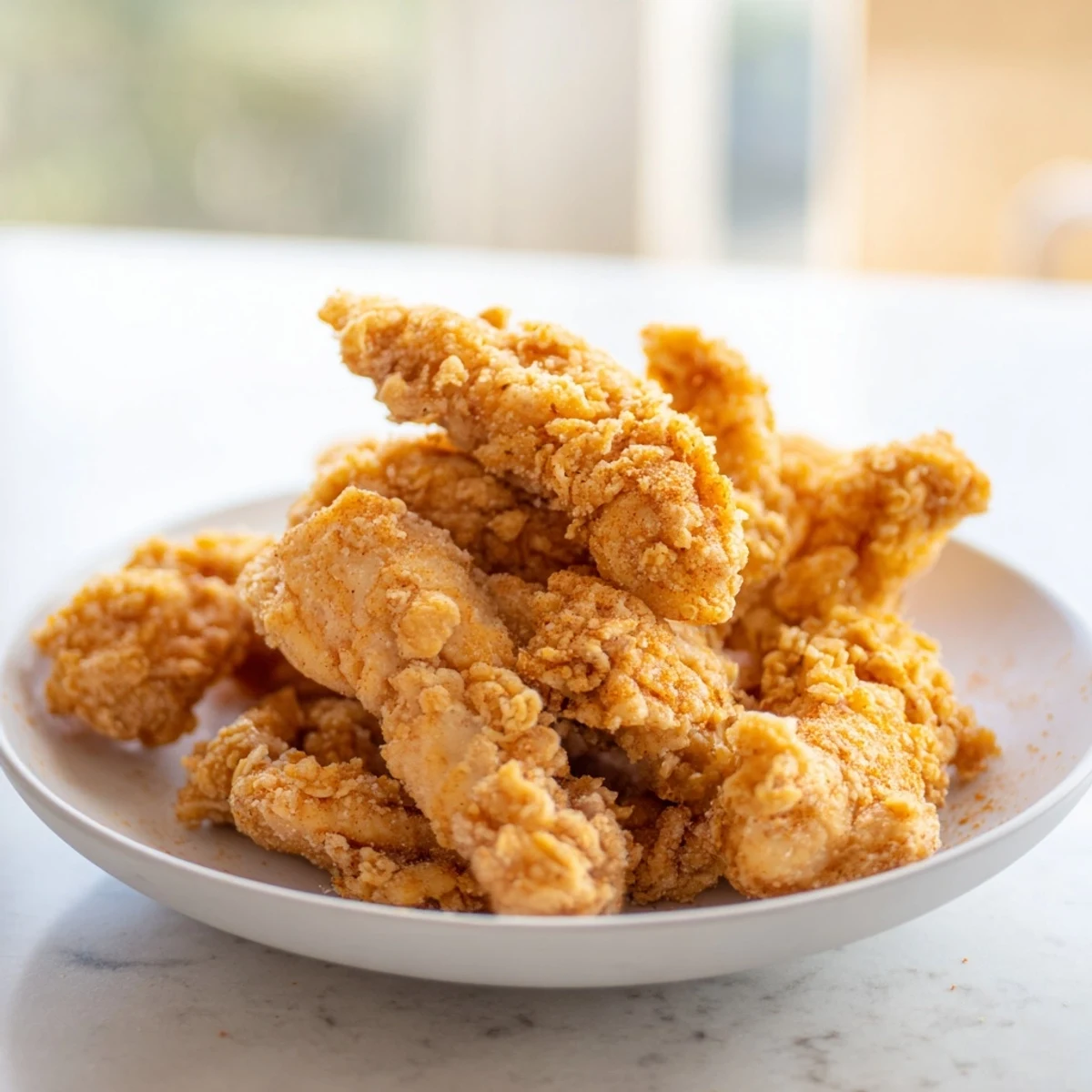
Save This coating is proof that sometimes the simplest techniques are the most reliable. Once you understand why each ingredient does its job, you'll have crispy fried food on demand for life.
Recipe FAQs
- → What makes this coating extra crispy?
-
The combination of cornstarch and flour, along with a double coating method, creates a light, crispy texture when fried.
- → Can I substitute milk in the wet mix?
-
Yes, cold water or milk can be used interchangeably; water keeps it dairy-free.
- → How long should the coated items be fried?
-
Fry at 350°F for 3–6 minutes depending on size and type until golden and crispy.
- → Can I add other spices to the coating?
-
Absolutely, spices like cayenne or dried herbs can be added to customize flavor.
- → Is this coating suitable for vegetables?
-
Yes, it works well for vegetables, tofu, chicken, or fish, providing a crunchy finish.
- → What tools are needed for preparation?
-
You’ll need mixing bowls, a whisk, shallow bowls or plates, a deep fryer or pot, a slotted spoon, and paper towels or a wire rack.