
 Save
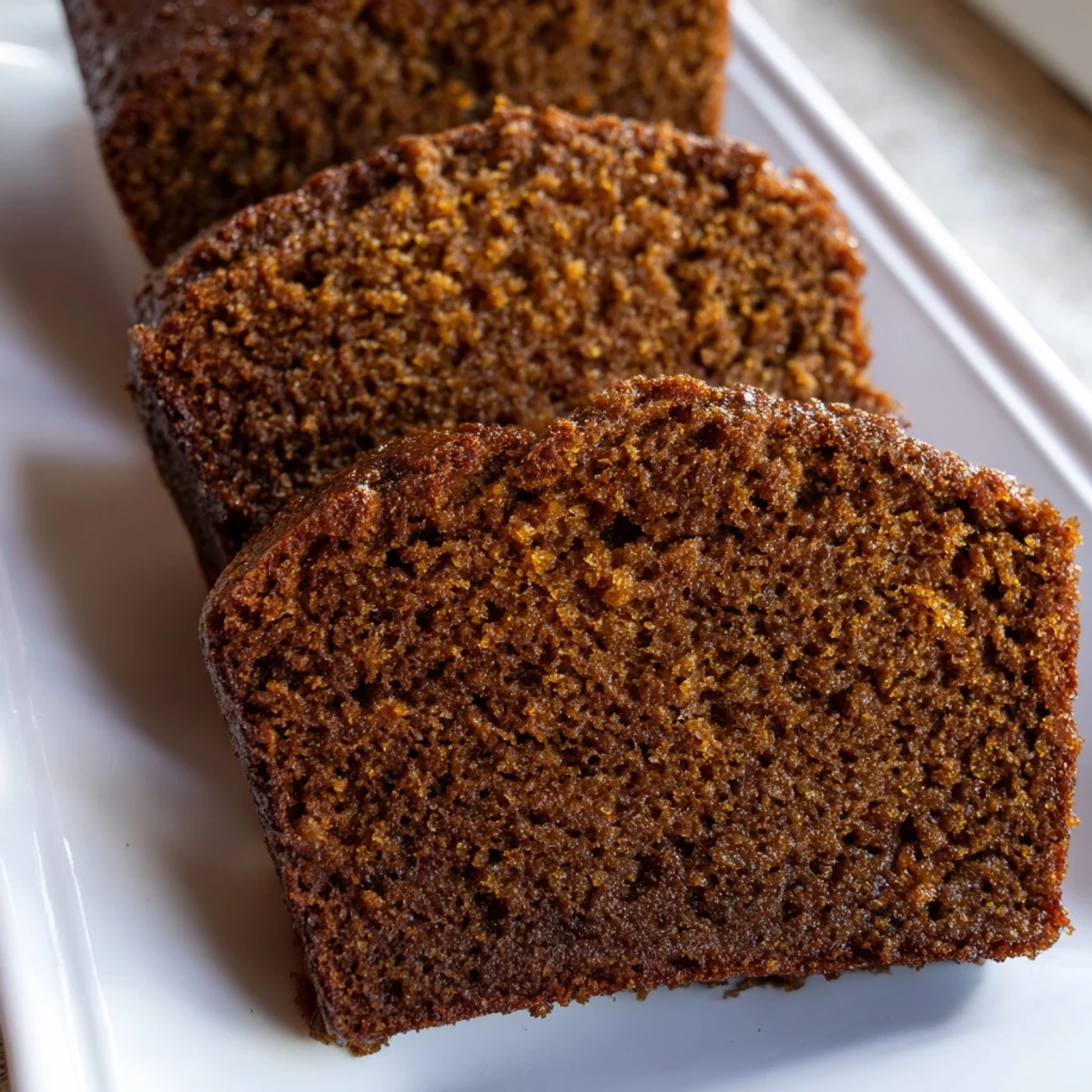
Save This moist gingerbread cake loaf is packed with warm spices like ginger, cinnamon, and cloves, balanced with rich molasses and brown sugar. The batter, enriched with buttermilk and vanilla, ensures a tender crumb and deep flavor that’s perfect for chilly days. Baking yields a fragrant, golden loaf ideal for sharing during holiday gatherings. Serve warmed or with a zesty lemon glaze to enhance its cozy character.
I still remember the first time I pulled a gingerbread cake loaf from the oven—it was the Saturday before Thanksgiving, and my kitchen filled with this warm, almost magical aroma of molasses and ginger. My grandmother had always talked about her own gingerbread, the kind that made people close their eyes and smile, and I finally understood what she meant. That loaf became my bridge to her kitchen, a way of saying hello across time through butter and spice.
I baked this for my coworkers during the first cold snap of the year, and watching their faces light up when they tasted it—that moment when food becomes a shared language—reminded me why I love feeding people. One colleague came back the next day just to ask if there was any left. There wasn't, but there was something special in that question.
Ingredients
- 2 cups (250 g) all-purpose flour: The foundation that holds everything together—use a fresh bag if you have one, as flour can lose its leavening power over time
- 1 1/2 teaspoons ground ginger: This is where the soul of the cake lives; fresh ginger is wonderful, but ground ginger has this concentrated warmth that blooms beautifully in baking
- 1 teaspoon ground cinnamon: Not just a spice but a whisper of comfort, the thing that makes people feel like they're being hugged by a warm kitchen
- 1/4 teaspoon ground cloves: Use the real thing—it's a small amount doing big flavor work, adding complexity and mystery
- 1/4 teaspoon ground nutmeg: A quiet player that rounds out the spice blend, bringing warmth without announcing itself
- 1 teaspoon baking soda: This is essential for creating that tender crumb; it works with the molasses and buttermilk in beautiful chemistry
- 1/2 teaspoon salt: The secret that amplifies all the other flavors without making anything taste salty
- 1/2 cup (120 ml) unsulphured molasses: The heart of this cake—dark, rich, and deeply flavorful; unsulphured tastes cleaner, more authentic to old-fashioned gingerbread
- 1/2 cup (100 g) brown sugar, packed: Pack it gently; this adds moisture and a subtle caramel note that deepens the molasses flavor
- 2 large eggs, room temperature: Room temperature eggs mix more smoothly and create a better crumb; take them out 30 minutes before baking
- 1/3 cup (80 ml) vegetable oil: This keeps the cake impossibly moist long after you've baked it—one of the secrets to that tender texture
- 1 cup (240 ml) buttermilk, room temperature: The acidity here reacts with the baking soda to create lift and tender crumbs; cold buttermilk can seize your batter, so let it warm up
- 1 teaspoon vanilla extract: A subtle backdrop that lets the ginger and molasses take center stage
Instructions
- Prepare your stage:
- Preheat your oven to 350°F (175°C)—give it time to reach the right temperature, as an oven that's too cool will give you a heavy, dense cake instead of the light crumb you're after. Grease your 9x5 inch loaf pan with just a thin coating of butter, then line it with parchment paper. This double protection means your cake will slide right out without sticking.
- Build your dry foundation:
- In a medium bowl, whisk together the flour, ginger, cinnamon, cloves, nutmeg, baking soda, and salt. Whisking instead of stirring incorporates a little air and distributes the leavening evenly—you'll feel the difference in the finished texture. Take a moment to smell this mixture; it should smell like autumn itself.
- Create your wet base:
- In a large bowl, whisk together the molasses, brown sugar, eggs, and vegetable oil until the mixture is smooth and everything is completely combined. The molasses will feel thick at first, but keep whisking until you can't see any streaks of brown sugar or separate yolks. This takes a few minutes but sets you up for success.
- Bring them together gently:
- Pour the buttermilk and vanilla extract into your wet mixture and stir just until combined. Then, very gently, add the dry ingredients to the wet ingredients. Use a spatula or wooden spoon and fold, fold, fold—stop as soon as you don't see any white flour streaks. Overmixing develops gluten and makes your cake dense and tough, and that's the opposite of what we want here.
- Into the oven:
- Pour the batter into your prepared loaf pan and smooth the top gently with a spatula. The batter should fill the pan about three-quarters of the way. Bake for 45 to 55 minutes—every oven is different, so start checking at 45 minutes with a toothpick inserted into the very center. The toothpick should come out clean or with just a few moist crumbs clinging to it.
- The cooling ceremony:
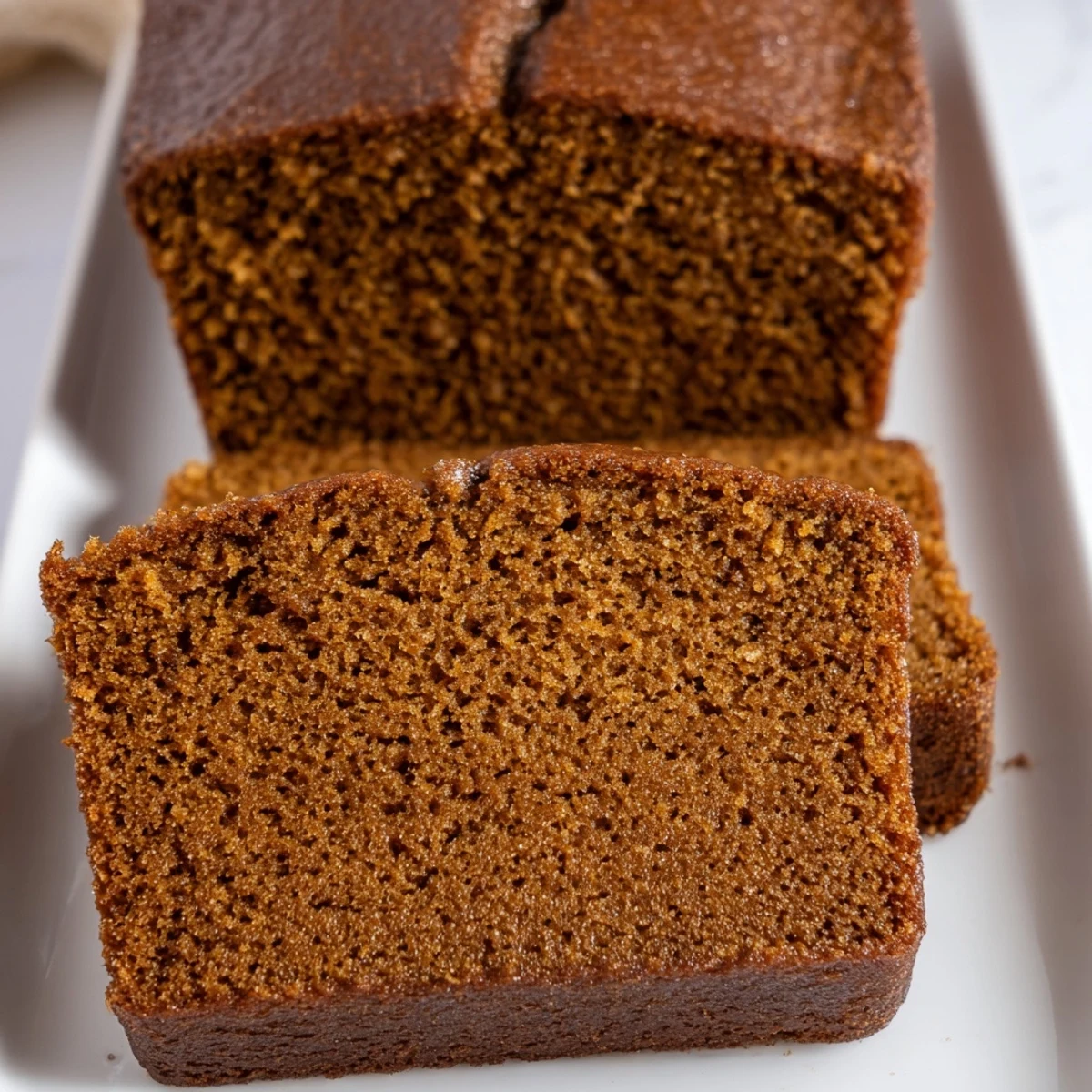
- Let the loaf rest in the pan for exactly 10 minutes—this gives the cake time to set just enough that it won't fall apart, but it's still warm enough to release from the pan easily. Then turn it out onto a wire rack to cool completely. This patience keeps the moisture in and prevents a soggy bottom. Resist slicing until it's completely cool or you'll end up with beautiful crumbs but broken slices.
 Save
Save I once made this for a friend who was going through a really difficult time. She told me years later that coming home to the smell of that gingerbread cake had been the first moment she'd felt safe in weeks. Food, I learned that day, is sometimes about so much more than taste.
The Science of Moist Gingerbread
The reason this loaf stays moist isn't magic—it's chemistry. The molasses is hygroscopic, meaning it actually pulls moisture from the air and holds onto it, keeping your cake tender for days. The oil does the same thing, coating the flour particles and preventing them from forming a tough network. The buttermilk and baking soda create a gentle rise that creates tiny air pockets, and those pockets hold moisture. Understanding this changed how I think about baking—it's not about following instructions, it's about understanding how ingredients talk to each other.
When to Serve It and How to Dress It Up
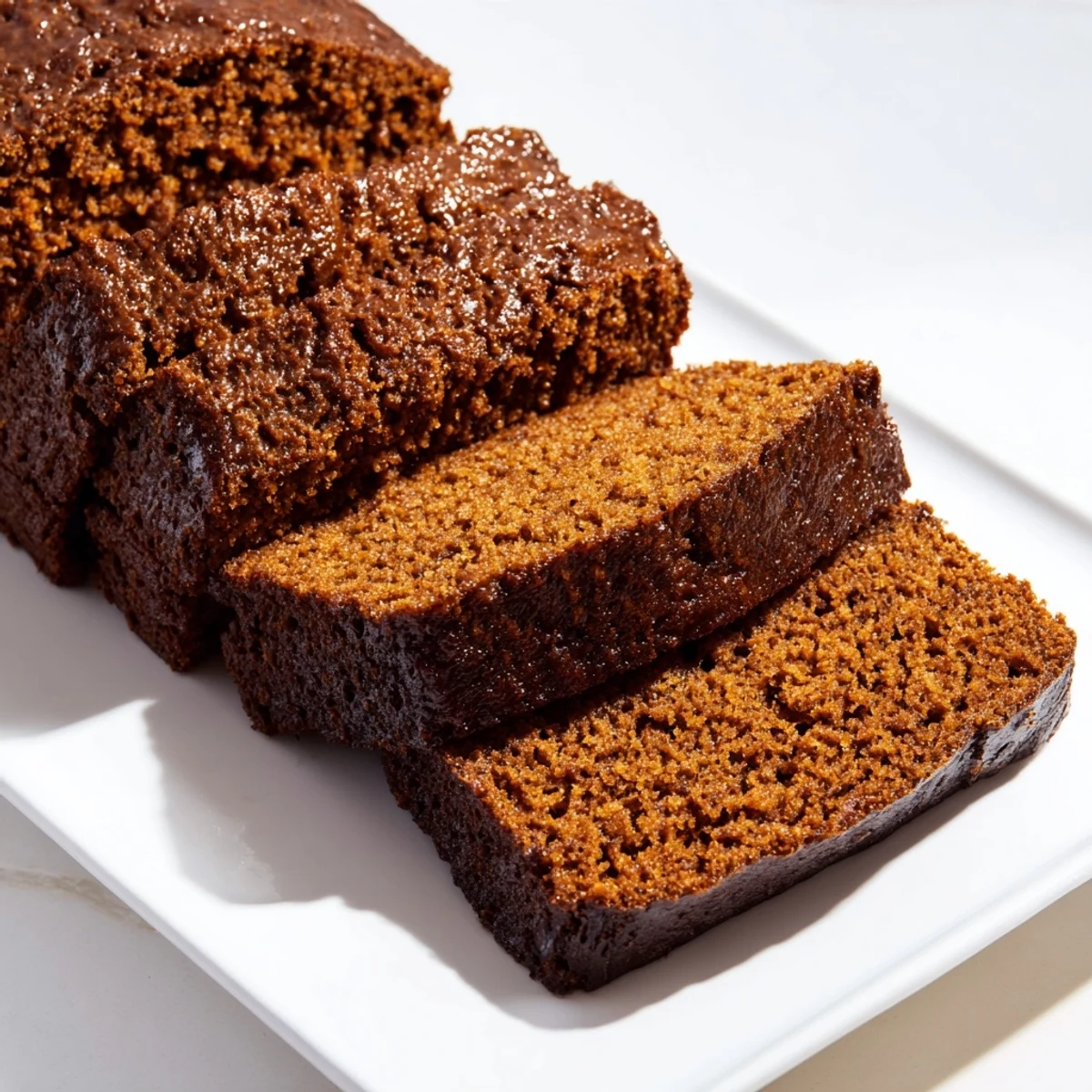
This cake is wonderful plain, honestly—just a slice with a cup of strong coffee or spiced tea and you're living your best autumn life. But if you want to dress it up slightly, a simple lemon glaze cuts through the richness beautifully, or you could dust the top with powdered sugar for a snowy, festive look. I've even seen people toast thick slices and serve them with a little whipped cream or Greek yogurt for something a bit more indulgent.
Storage, Substitutions, and Flexibility
Wrap your cooled loaf tightly in plastic wrap or store it in an airtight container, and it will stay fresh and moist for up to five days at room temperature—or freeze it for up to three months if you're thinking ahead. If you don't have buttermilk, plain Greek yogurt mixed with a tiny splash of milk works beautifully, or you can make a quick substitute by adding a tablespoon of lemon juice to regular milk and letting it sit for five minutes. The spices are flexible too—if you love cloves, add a tiny bit more; if nutmeg isn't your thing, skip it entirely. This is your kitchen, your cake, your rules.
- Let your cake cool completely before wrapping or it will trap steam and become soggy
- Slice with a serrated knife dipped in hot water for the cleanest, most beautiful cuts
- Day-old slices taste even better than fresh ones—the flavors have time to settle and the crumb becomes somehow even more tender
 Save
Save This gingerbread cake loaf has become my quiet winter ritual, the thing I reach for when I want to fill my kitchen with warmth and comfort. I hope it becomes that for you too.
Recipe FAQs
- → What spices give the loaf its flavor?
-
Ground ginger, cinnamon, cloves, and nutmeg combine to create the warm, spiced profile.
- → Can I substitute buttermilk in the batter?
-
Yes, plain yogurt can be used as a substitute to maintain moisture and tenderness.
- → How do I know when the loaf is baked?
-
Insert a toothpick into the center; it should come out clean or with few moist crumbs.
- → What pairs well with the loaf for serving?
-
Spiced tea, mulled wine, or a simple lemon glaze complement the flavors wonderfully.
- → Is this loaf suitable for vegetarians?
-
Yes, it contains no meat products and fits a vegetarian diet.