
 Save
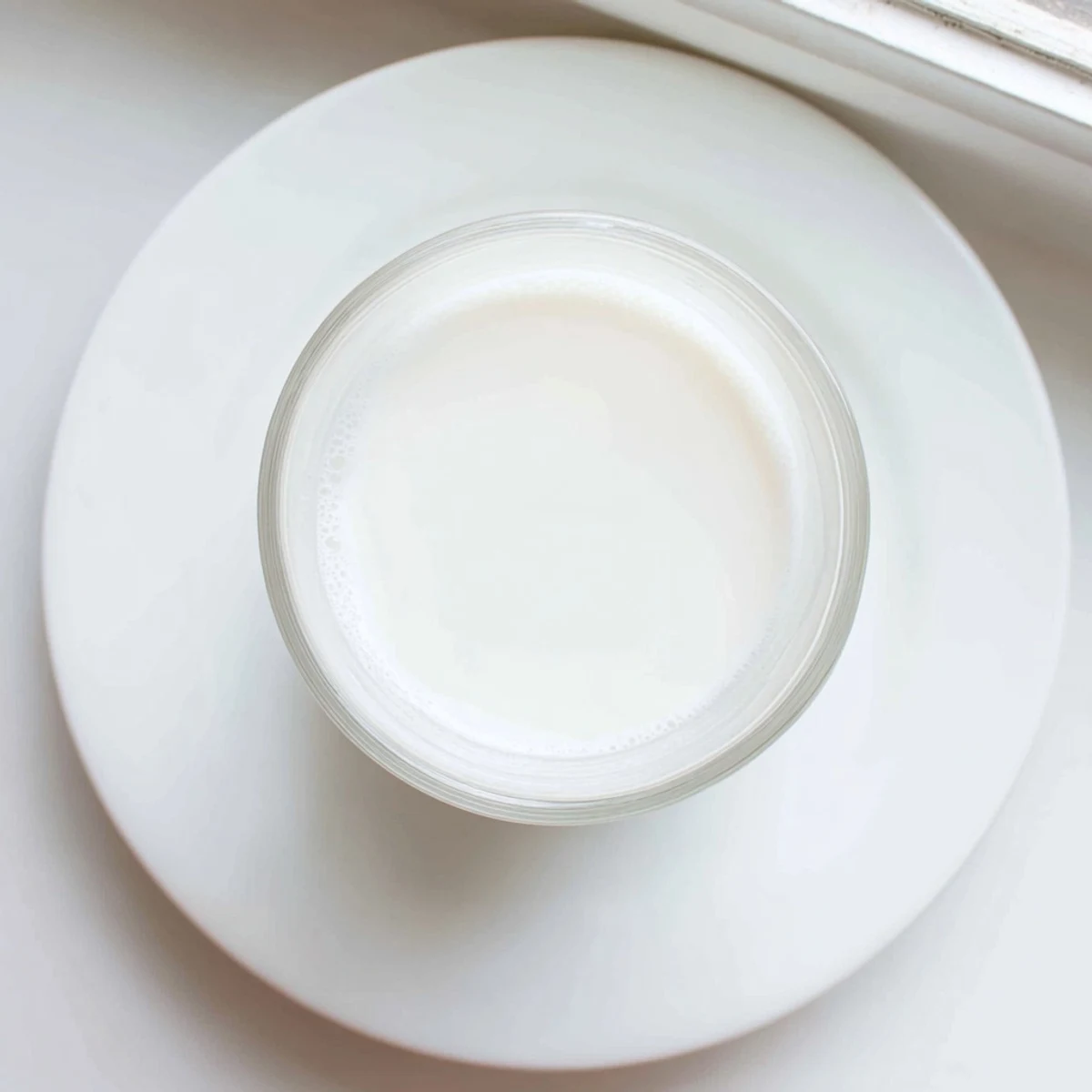
Save Craft your own creamy almond milk at home using raw almonds soaked overnight and blended with fresh filtered water. This simple method produces a smooth, naturally sweet beverage without any additives or preservatives found in store-bought versions. The process involves soaking almonds for maximum creaminess, blending until silky smooth, and straining through a nut milk bag for the perfect consistency.
Customize your batch with pure maple syrup, vanilla extract, or a pinch of sea salt for enhanced flavor. Save the leftover almond pulp for adding fiber to smoothies, baking into cookies, or creating energy bites. Your homemade milk stays fresh for 4-5 days and can be used exactly like dairy milk in coffee, cereals, smoothies, and baking.
The blender screamed at six in the morning and my roommate came stumbling into the kitchen thinking something was on fire. It was just me, elbow deep in soaked almonds, desperate to prove that homemade almond milk was worth the effort after spending twelve dollars on a carton that tasted like cloudy water. That first batch was a revelation, thick and sweet and nothing like the store bought version I had tolerated for years.
I started making a batch every Sunday and it became this quiet ritual I actually looked forward to. Straining the milk through the nut bag felt oddly satisfying, like squeezing clouds through fabric, and my coffee suddenly tasted like it came from a cafe that cared.
Ingredients
- Raw almonds: One cup is all you need and soak them long enough so they plump up and blend smoothly.
- Filtered water: Four cups give you a classic consistency but you can adjust to your preference.
- Maple syrup or honey: One to two tablespoons optional but it rounds out the flavor beautifully and makes it feel like a treat.
- Vanilla extract: One teaspoon optional but it adds warmth and depth that transforms plain almond milk into something special.
- Sea salt: Just a pinch to wake up all the other flavors and balance the sweetness.
Instructions
- Soak the almonds:
- Cover your raw almonds with plenty of water and let them sit for at least eight hours or overnight until they look plump and soft to the touch.
- Blend until creamy:
- Drain and rinse the soaked almonds then add them to your blender with four cups of fresh filtered water and blend on high for one to two minutes until the mixture looks thick and white.
- Add the flavorings:
- If you are using sweetener, vanilla, or salt, toss them in now and give the blender a quick burst just long enough to combine everything evenly.
- Strain the milk:
- Drape a nut milk bag or cheesecloth over a large bowl or jug and pour the blended mixture through it, watching the creamy liquid separate from the pulp.
- Squeeze with purpose:
- Wrap the bag or cloth tightly and squeeze with your hands, pressing firmly to extract every last drop of milk from the almond meal inside.
- Store and enjoy:
- Transfer the fresh almond milk to a clean bottle or jar and keep it in the refrigerator where it will stay fresh for four to five days, shaking well before each use.
 Save
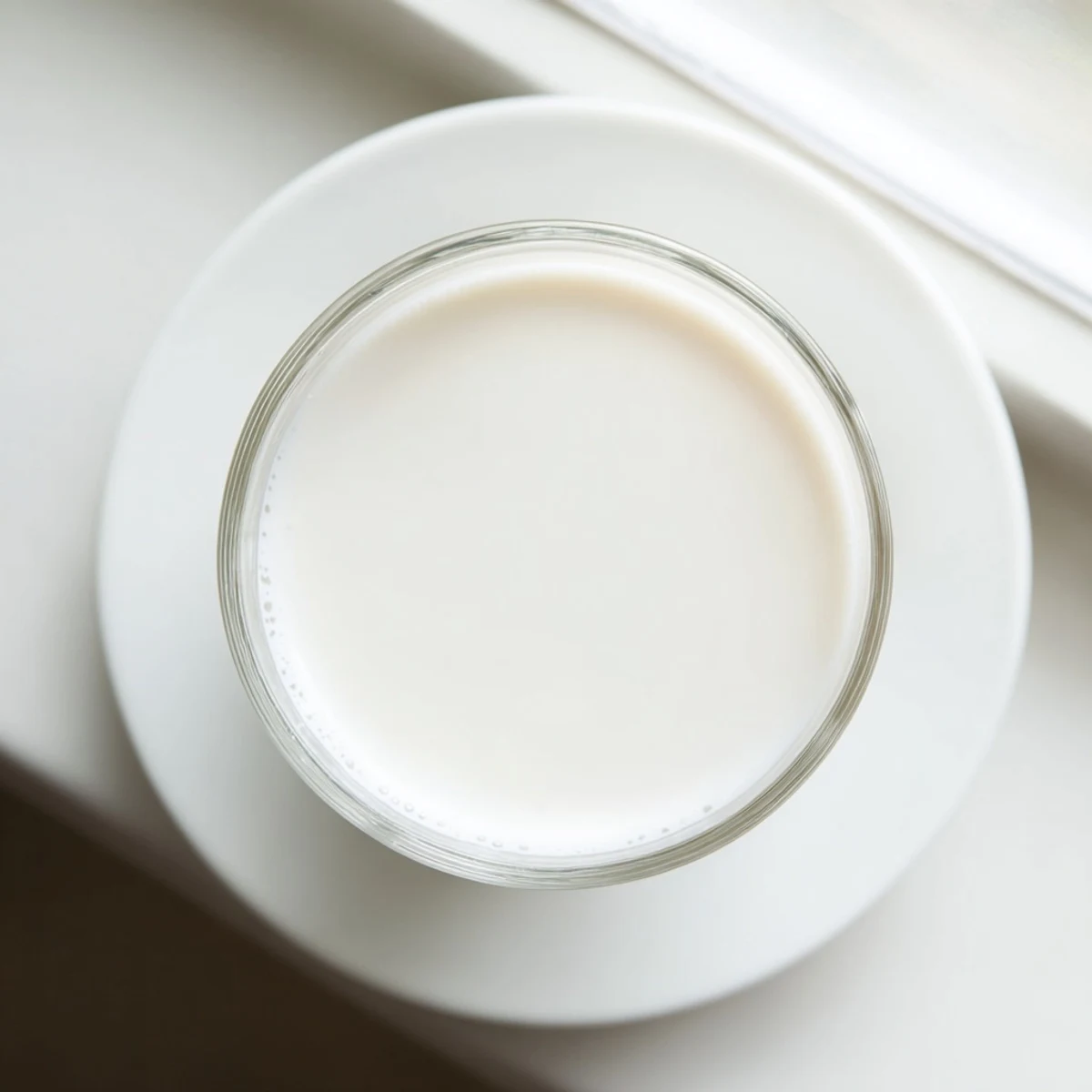
Save One morning I handed a glass of the fresh stuff to my friend who swore she hated almond milk and she stood there blinking, then asked for a second glass. That small moment turned a kitchen experiment into something I now share with anyone willing to try it.
Adjusting the Consistency
If you prefer something closer to whole milk, reduce the water to three cups and the result will coat your tongue like velvet. For a lighter version closer to skim, bump it up to five cups and you get a clean, refreshing drink that still carries real almond flavor.
Flavor Variations Worth Trying
A tablespoon of cocoa powder turns this into rich chocolate milk that disappears fast in any household with children. Drop in a cinnamon stick while storing or blend in a few dates for sweetness that feels more like dessert than breakfast and keeps things interesting week after week.
Tools and Storage Tips
A high speed blender makes the smoothest milk but even a standard one works fine if you blend a little longer. Your nut milk bag will last for months if you rinse it immediately after each use and let it air dry completely. Here are a few more things I picked up along the way.
- Label your jar with the date so you never have to guess if it is still good.
- Separation is natural so shake the bottle with confidence before every pour.
- A Mason jar with a tight lid works just as well as any fancy storage bottle.
 Save
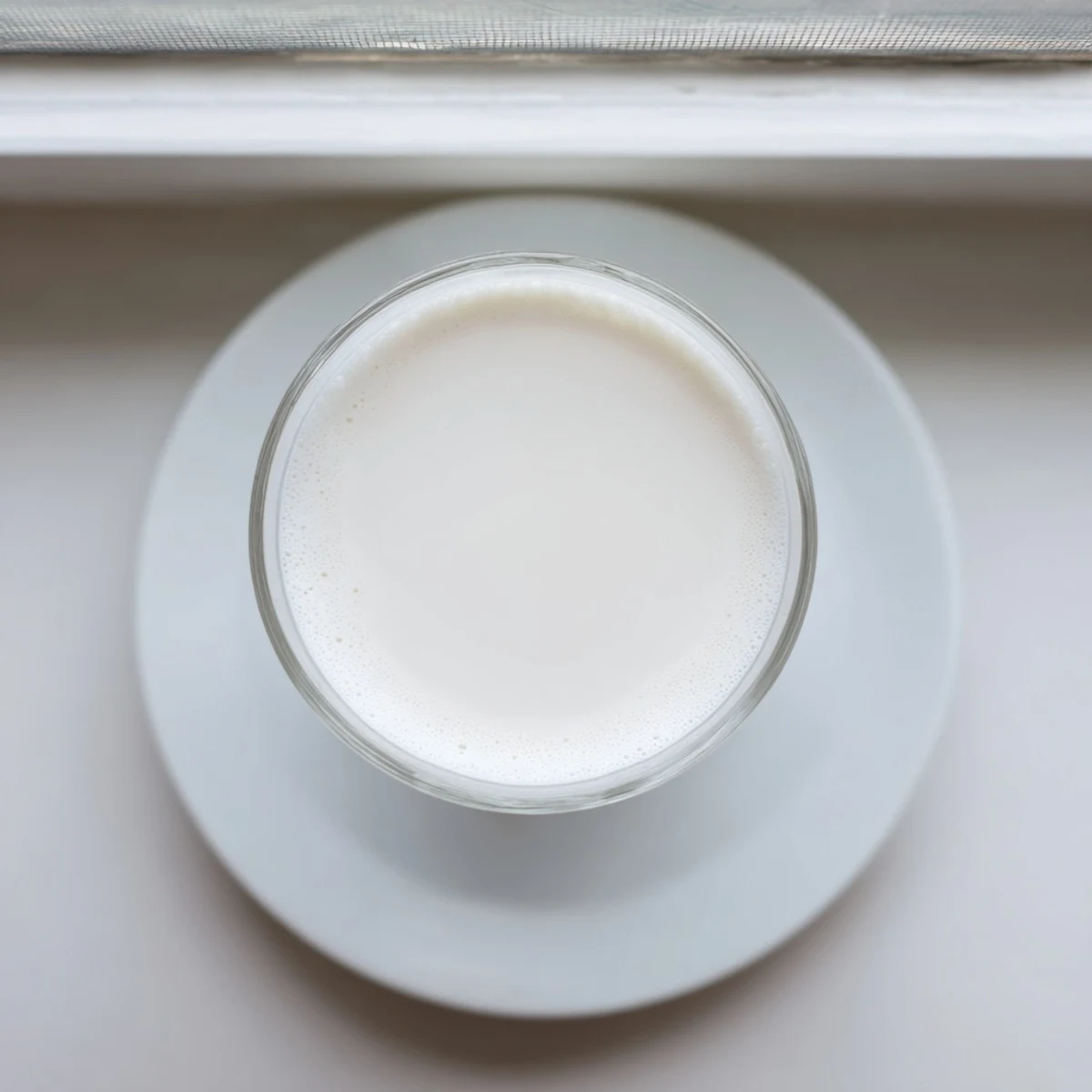
Save Homemade almond milk is one of those small acts of care that makes ordinary mornings feel a little more intentional. Pour yourself a cold glass and enjoy the quiet satisfaction of making something from scratch.
Recipe FAQs
- → How long does homemade almond milk last?
-
When stored properly in an airtight container in the refrigerator, homemade almond milk stays fresh for 4-5 days. Shake well before each use as natural separation occurs. Always give it a sniff test before consuming.
- → Do I really need to soak the almonds?
-
Yes, soaking softens the nuts and activates enzymes, making them easier to blend and digest. Soaked almonds produce creamier milk with better extraction. Minimum 8 hours overnight yields the smoothest results.
- → What can I do with leftover almond pulp?
-
The almond pulp is incredibly versatile. Dry it in the oven at low temperature to create almond flour for baking. Add fresh pulp directly to smoothies for fiber, mix into oatmeal, or form into energy bites with dates and cocoa powder.
- → Can I make almond milk without a nut milk bag?
-
A nut milk bag works best for smooth results, but you can use several layers of cheesecloth secured over a bowl with a rubber band. Alternatively, strain through a fine mesh sieve, then press the pulp firmly with the back of a spoon to extract all liquid.
- → Why is my almond milk watery?
-
The water-to-almond ratio affects consistency. Using more than 4 cups water per cup of almonds yields thinner milk. For extra creaminess, reduce to 3 cups water. Also ensure you blend thoroughly and squeeze out all liquid during straining.
- → Is homemade almond milk cheaper than store-bought?
-
Yes, making your own is significantly more economical. One cup of raw almonds yields approximately 1 liter of milk, costing much less than premium carton versions. Plus you control ingredients and avoid preservatives, thickeners, and additives.