
 Save
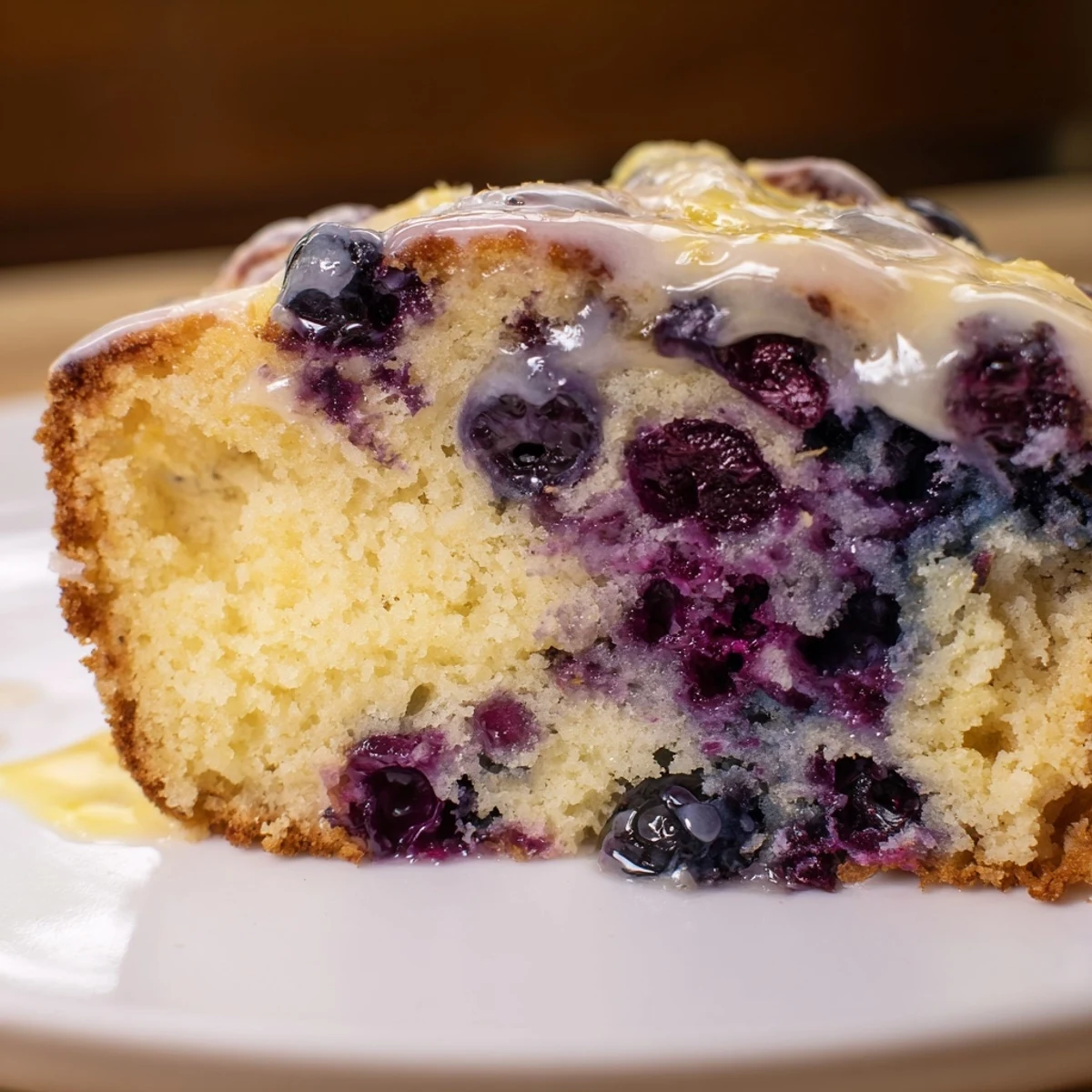
Save This moist cake combines fresh blueberries with zesty lemon to deliver a bright, flavorful treat perfect for spring and summer occasions. Soft butter and oil create a tender crumb, while a lemon glaze adds a fresh finishing touch. The blueberries are lightly tossed in flour to prevent sinking, ensuring bursts of juicy fruit in every bite. Easily prepared in about an hour, this dessert offers a balanced sweetness and lively citrus notes that pair well with tea or sparkling wine.
My neighbor brought over a slice of lemon blueberry cake one June afternoon, still warm from her oven, and I remember thinking how the bright citrus cut through the sweetness in a way that felt almost effortless. I've made this cake dozens of times since then, and it's become my go-to when I want something that tastes impressive without requiring anything fancy or fussy. The blueberries sink slightly as they bake, creating little pockets of tartness throughout, while the lemon zest keeps everything from feeling heavy. It's the kind of cake that works just as well at a casual lunch as it does at a dinner party.
I made this cake for the first time when I was trying to impress someone at a potluck who mentioned they preferred fruit desserts to chocolate ones. I was halfway through folding in the blueberries when I realized I'd forgotten to toss them with flour, and I panicked for a second thinking they'd all sink to the bottom. They did sink a little, but not disastrously, and honestly that turned out to be part of its charm, creating a surprising sweetness in the last bites.
Ingredients
- All-purpose flour (2 1/2 cups): This is your structure, so don't sift it before measuring or you'll end up with a dense, tight cake; spoon it into your measuring cup and level off.
- Baking powder and baking soda (2 tsp and 1/2 tsp): They work together here, the baking powder for steady rise and the baking soda to react with the lemon juice for extra lift and tenderness.
- Salt (1/2 tsp): A small amount that makes the lemon sing and prevents the sweetness from cloying.
- Unsalted butter and vegetable oil (1/2 cup and 1/4 cup): The combination keeps the cake tender and moist far longer than butter alone would; the oil adds richness without the density.
- Granulated sugar (1 1/4 cups): Measure it by weight if you can, or spoon and level carefully, as too much sugar makes the cake heavy and too little leaves it dry.
- Eggs (3 large, at room temperature): Room temperature eggs incorporate more smoothly into the batter, creating a finer crumb; cold eggs can lead to a grainy texture.
- Fresh lemon zest and juice (1 tbsp zest and 1/4 cup juice): Zest the lemon before cutting it in half, and use juice that's truly fresh, never the bottled kind, which tastes hollow and flat.
- Whole milk (1 cup, at room temperature): Room temperature milk blends more evenly; cold milk can cause the batter to seize slightly and produce an uneven crumb.
- Vanilla extract (1 tsp): A small amount that deepens the flavor without announcing itself.
- Fresh blueberries (1 1/2 cups): Use them at their peak ripeness, when they're deep blue and heavy, not pale or mushy; if using frozen, don't thaw them.
- Powdered sugar and fresh lemon juice for the glaze: Sift the powdered sugar first to avoid lumps, and add lemon juice slowly until you reach a consistency that's pourable but not thin.
Instructions
- Prepare your pan and heat your oven:
- Preheat to 350°F (175°C) so it's ready when you are. Grease a 9-inch round cake pan thoroughly with butter or oil, then dust it with flour, tapping out the excess, or use parchment paper cut to fit the bottom.
- Mix your dry ingredients:
- In a medium bowl, whisk together flour, baking powder, baking soda, and salt. This distributes the leavening evenly so your cake rises uniformly without strange peaks or dense spots.
- Cream butter, oil, and sugar:
- In a large bowl, beat them together for about 3 minutes until light, pale, and fluffy. You'll notice the mixture changes texture and becomes airy; this is the foundation for a tender cake.
- Add eggs one at a time:
- Beat each egg in completely before adding the next, then add the lemon zest and juice. Mixing this way prevents the batter from looking curdled or broken.
- Alternate flour and milk:
- Add one-third of the flour mixture, mix gently, then half the milk, then another third of the flour, then the remaining milk, then the last flour. This prevents overmixing, which would make the cake tough. Stir in vanilla at the end.
- Coat and fold in blueberries:
- Toss the blueberries with 1 tablespoon flour so they don't all sink to the bottom, then fold them in gently using a spatula. Fold just until combined; overworking here can bruise the berries and make them bleed color into the batter.
- Bake until golden:
- Pour batter into the prepared pan, smooth the top with a spatula, and bake for 38 to 42 minutes until a toothpick inserted in the center comes out clean or with a few moist crumbs. The top should be golden and spring back slightly when touched.
- Cool with patience:
- Leave the cake in the pan for 10 minutes, then turn it out onto a wire rack to cool completely. This short time in the pan lets it set enough to release cleanly, while cooling on a rack prevents the bottom from steaming and becoming soggy.
- Make the glaze:
- Whisk sifted powdered sugar with lemon juice a tablespoon at a time until you get a glossy, pourable consistency that drips slowly from a spoon. Too thick and it won't spread; too thin and it'll run off the edges.
- Finish and serve:
- Drizzle the glaze over the completely cooled cake and let it set for at least 15 minutes before slicing. The glaze will firm up slightly and hold a beautiful ribboned appearance.
 Save
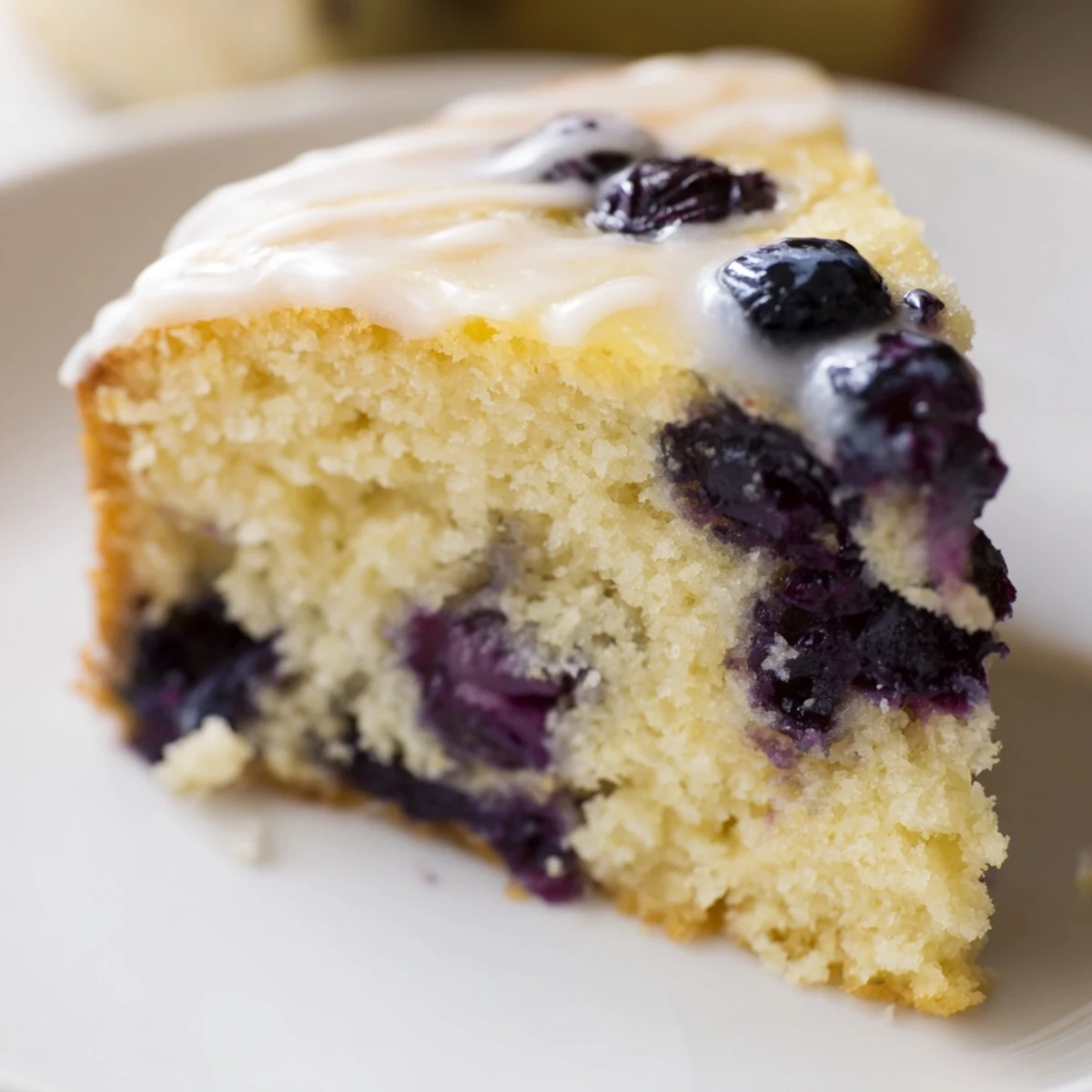
Save The moment I knew this cake was truly mine was when my sister asked for the recipe because she'd made it twice and wanted to perfect her own version. There's something special about a recipe that other people want to claim and adjust and make their own, turning it from just food into part of how your family cooks.
Why Fresh Lemon Matters
Bottled lemon juice is convenient but tastes thin and slightly bitter, like it's been sitting in a warehouse for months. Fresh lemon zest is where the real magic lives, with oils that wake up everything around it and a brightness that feels almost sharp. The first time I switched from bottled to fresh, the difference was so clear that I understood why my earlier attempts had felt flat and lifeless.
Blueberry Choices and Substitutions
Fresh blueberries are ideal when they're in season, but frozen ones work beautifully if you don't thaw them first; the ice keeps them from bleeding into the batter and turning it gray. I've also used a mix of blueberries and raspberries when blueberries weren't available, and while the flavor shifts slightly, the cake remains tender and bright. The amount matters more than perfection, so if you have slightly fewer berries, the cake will still bake evenly, and if you have slightly more, just scatter a few on top before baking.
Serving and Pairing Ideas
This cake pairs unexpectedly well with savory moments, not just with tea and coffee. I've brought it to brunches where it was served alongside smoked salmon and cream cheese, and the lemon zest seemed to bridge both courses seamlessly. It's equally at home at a casual picnic with a cold glass of Prosecco or wrapped up in wax paper for an afternoon snack.
- A cup of Earl Grey tea is the classic pairing, and it works because the bergamot in the tea echoes the citrus in the cake.
- Prosecco or a dry sparkling wine cuts through the sweetness and feels festive without being overdone.
- Even black coffee, nothing fancy, lets the lemon flavor shine and cleanses your palate between bites.
 Save
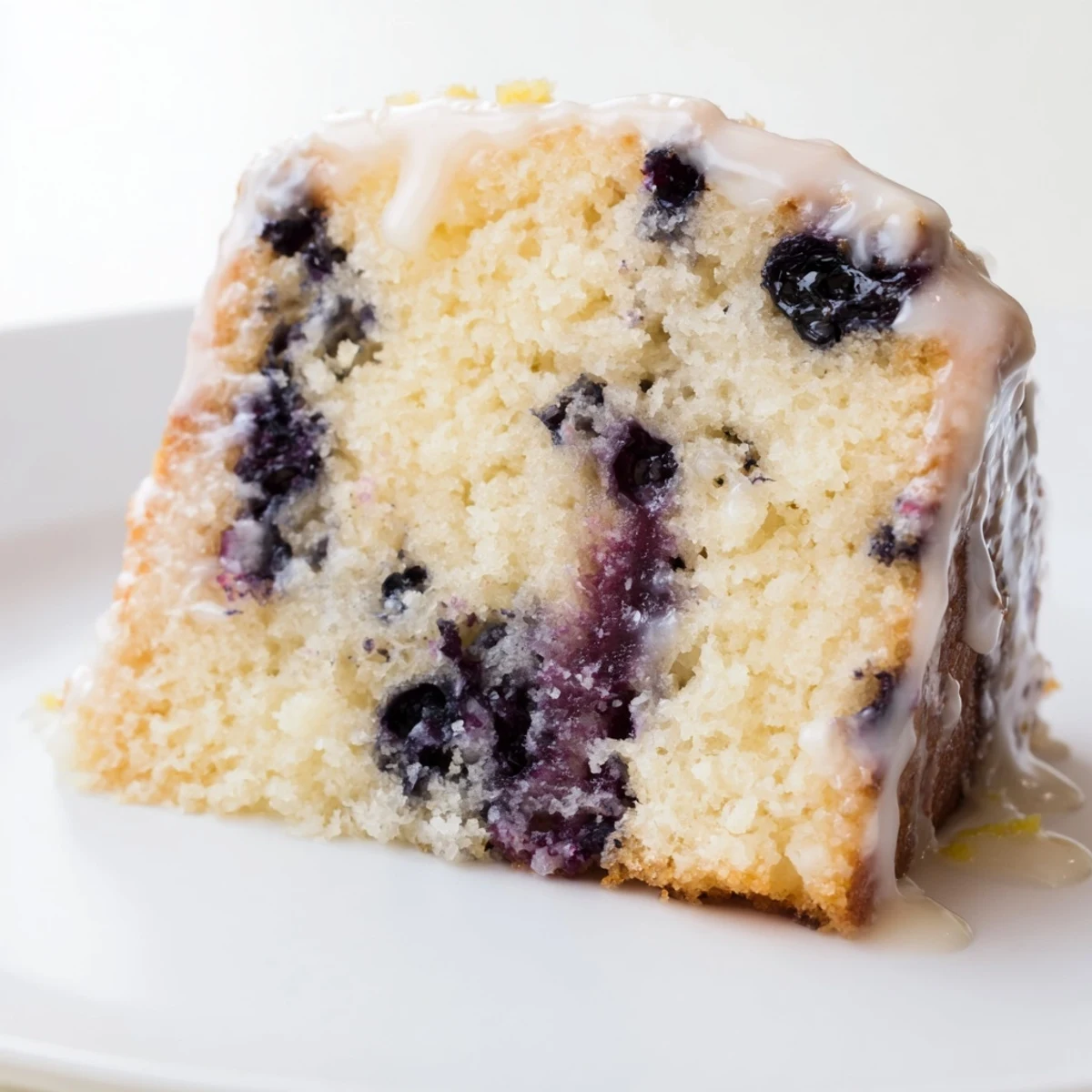
Save This is the kind of cake that tastes like spring even if you're making it in winter, and it's simple enough that you can bake it with someone else in the kitchen without stress. Once you've made it a few times, it becomes second nature, and you'll find yourself reaching for it whenever you want something that feels both comforting and a little bit special.
Recipe FAQs
- → How do I prevent blueberries from sinking?
-
Toss blueberries lightly in flour before folding into the batter; this helps them stay suspended during baking.
- → Can I substitute buttermilk for milk?
-
Yes, substituting buttermilk adds a slight tang and can enhance the cake's moistness and flavor.
- → What is the best way to prepare the lemon glaze?
-
Whisk powdered sugar with fresh lemon juice until smooth and pourable, then drizzle over the cooled cake.
- → How long should the cake cool before glazing?
-
Allow the cake to cool completely on a wire rack before applying the glaze to ensure it sets properly.
- → Are frozen blueberries suitable for this cake?
-
Frozen blueberries can be used straight from the freezer; toss with flour to prevent sinking and fold gently into the batter.