
 Save
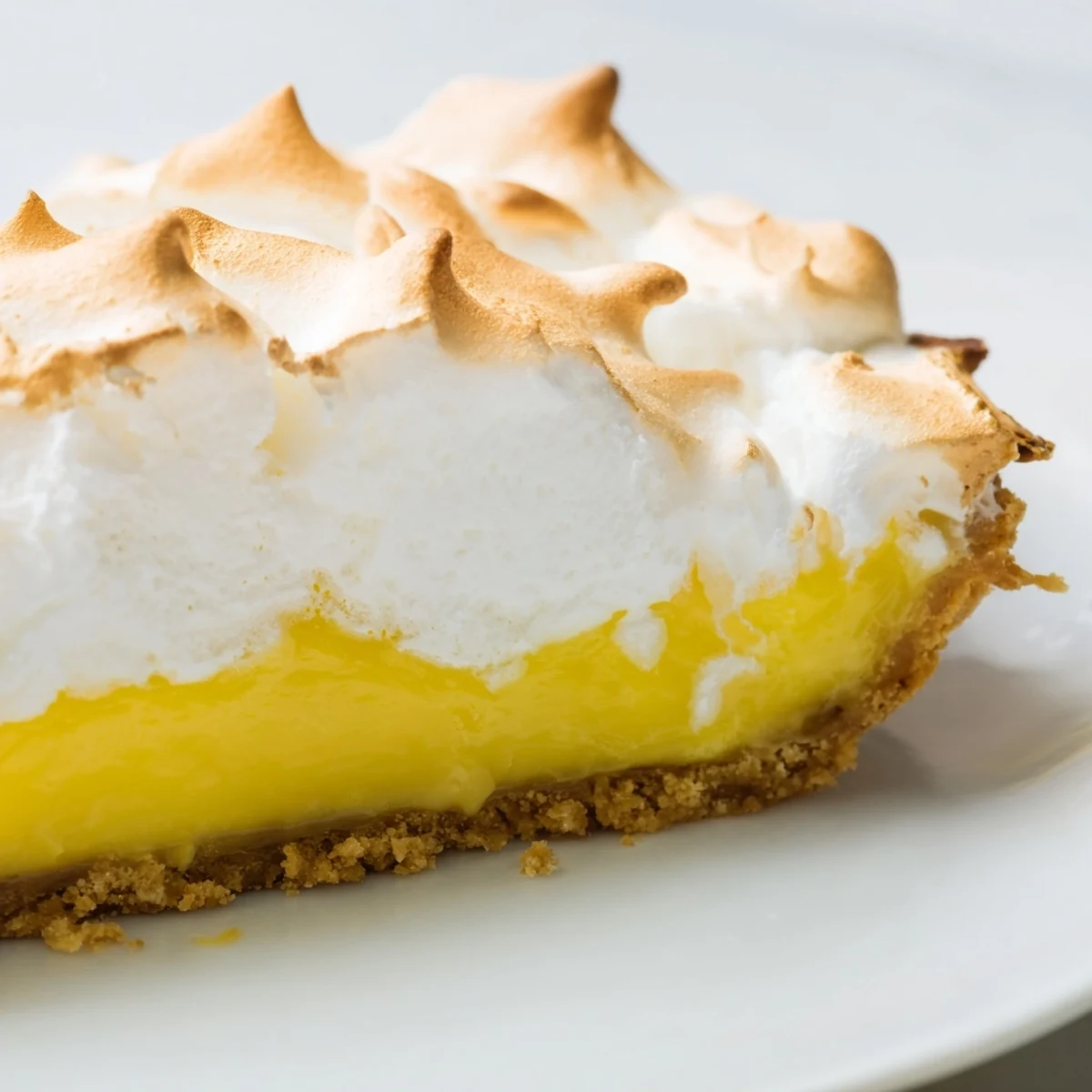
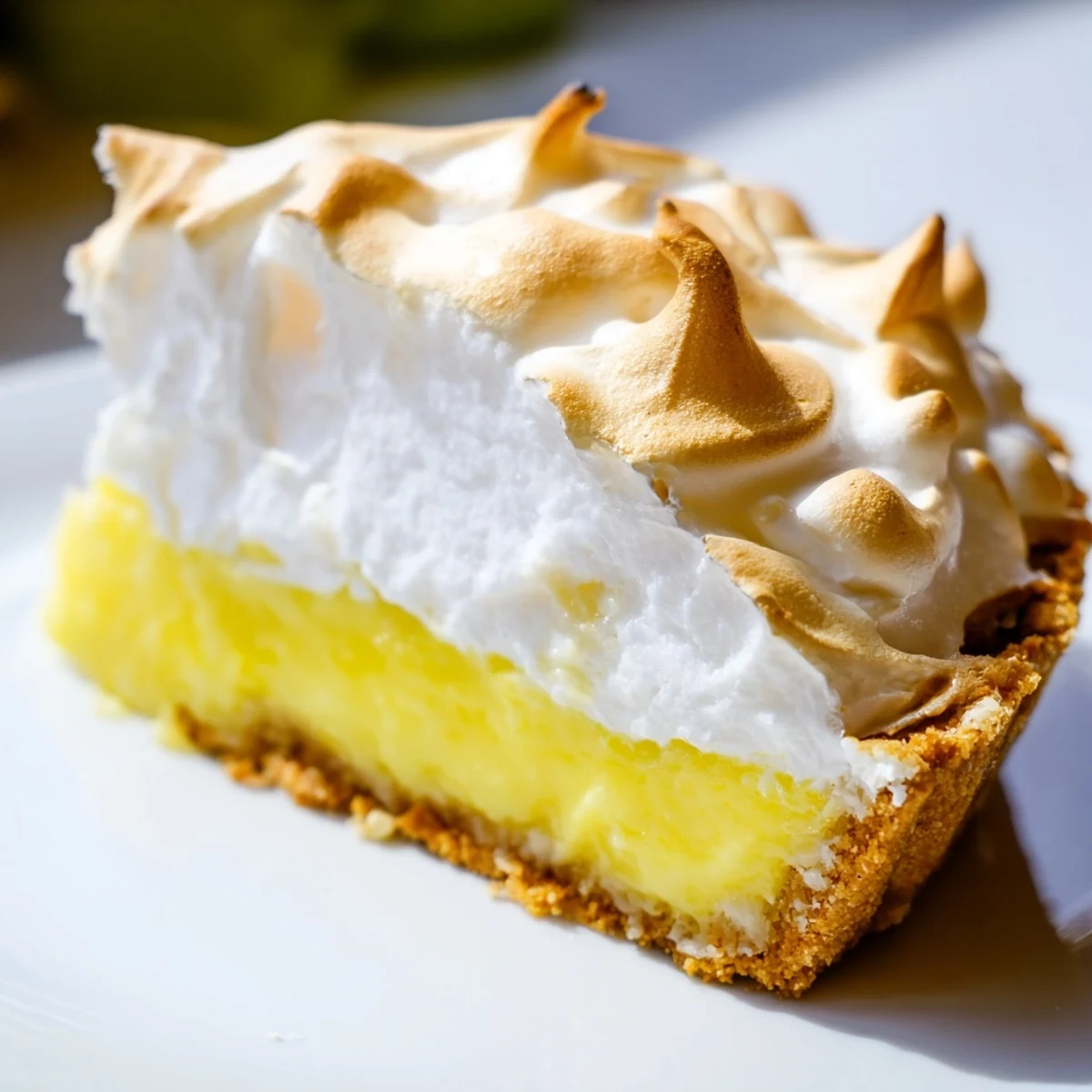
Save This classic dish features a crisp graham cracker crust topped with a smooth, tangy lemon filling. A fluffy, toasted meringue crowns the tart layers, creating a delightful balance of sweetness and tartness. Preparation involves baking the crust first, cooking the lemon filling until thickened, and finally spreading and browning the meringue. Chilling enhances the flavors and texture, making it perfect for a refreshing ending to any meal.
My grandmother pulled this pie from her oven on summer afternoons, and I'd watch the meringue puff up like a cloud, golden at the edges and impossibly tall. The kitchen would fill with the smell of toasted egg whites and bright lemon, a combination that still feels like home. Years later, I made one for a dinner party and somehow forgot to let the filling cool—it weighed down the delicate meringue and it wept all over the plate. That taught me patience, and now this pie is one of my most reliable showstoppers, balancing sharp citrus against sweet meringue in a way that feels both elegant and deeply comforting.
I made this for my partner's birthday last spring, and he took one bite and said, "This tastes like summer," which I think is the highest compliment a lemon dessert can receive. There's something about the way the meringue shatters under your fork and then melts on your tongue that makes any occasion feel special. Even a casual Wednesday dinner with friends becomes memorable when you set down slices of this pie.
Ingredients
- Graham Cracker Crumbs (1 1/2 cups): These form the foundation and bring a subtle buttery sweetness that complements the tartness of the filling; pulse graham crackers yourself if you want to feel the difference in texture and control.
- Granulated Sugar for Crust (1/4 cup): Just enough to enhance the crust without making it cloyingly sweet against the bright filling.
- Unsalted Butter (6 tbsp melted): Use good butter here; it carries the flavor of the crust and helps it bind together into a crisp shell.
- Salt (1/4 tsp for crust): A small pinch that heightens everything else and keeps the sweetness from feeling flat.
- Granulated Sugar for Filling (1 cup): The body of the filling; this is where sweetness meets the sharp lemon juice to create balance.
- Cornstarch (1/4 cup): This is your secret weapon for a smooth, thick filling that holds its shape; don't skip it or you'll have a runny mess.
- Salt for Filling (1/4 tsp): Another small amount that deepens the lemon flavor and prevents the filling from tasting one-dimensional.
- Water (1 1/4 cups): The cooking liquid that transforms the cornstarch into a silky base.
- Egg Yolks (4 large): These enrich the filling and give it its golden color and custardy texture.
- Fresh Lemon Juice (1/2 cup): Use freshly squeezed lemons, not bottled; the difference in brightness is remarkable and worth the extra minute of squeezing.
- Lemon Zest (1 tbsp): This adds little bursts of intense flavor throughout the filling and reminds people this is made from real fruit.
- Unsalted Butter for Filling (2 tbsp): A finishing touch that makes the filling glossy and smooth as it cools.
- Egg Whites (4 large): The base of the meringue; make sure your bowl is completely clean and grease-free or they won't whip properly.
- Granulated Sugar for Meringue (1/2 cup): Added gradually as the egg whites whip, this creates stiff, glossy peaks that brown beautifully.
- Cream of Tartar (1/4 tsp): This stabilizes the egg whites and helps them hold their peaks; it's small but essential.
- Vanilla Extract (1/2 tsp): A gentle flavor that rounds out the meringue without overpowering the lemon.
Instructions
- Heat the oven and prepare your workspace:
- Preheat to 350°F and have your 9-inch pie dish ready; a cold oven is the enemy of a good crust.
- Build the graham cracker crust:
- Combine cracker crumbs, sugar, salt, and melted butter in a bowl until it looks like wet sand, then press it firmly and evenly into your pie dish, going up the sides with your fingers or the bottom of a measuring cup. Bake for 8 to 10 minutes until it smells toasted and looks lightly golden; you want it crisp but not burnt.
- Cool the crust completely:
- This step is easy to rush but don't—the crust needs to cool before the hot filling goes in, or it will become soggy.
- Combine sugar, cornstarch, and salt for the filling:
- Whisk these dry ingredients together in a saucepan to eliminate lumps before you add any liquid.
- Create a smooth paste and cook:
- Gradually whisk in the water, stirring constantly to prevent lumps, then set the saucepan over medium heat and stir constantly as it thickens. You'll see it go from thin and cloudy to glossy and translucent, and then it will boil; let it boil for exactly one minute, stirring the whole time.
- Temper the egg yolks carefully:
- Lightly beat your egg yolks in a separate bowl, then very slowly whisk in about half a cup of the hot mixture while whisking constantly; this gradual warming prevents scrambled eggs in your pie. Pour the tempered yolks back into the saucepan while whisking, and cook for another two minutes, stirring constantly.
- Finish the filling with brightness:
- Remove from heat and stir in the fresh lemon juice, zest, and butter; the mixture will smell intensely lemony and look silky smooth. Pour it into your cooled crust and set it aside to continue cooling.
- Whip the meringue to peaks:
- In a very clean bowl, beat the egg whites and cream of tartar until soft peaks form, then gradually add the sugar while beating; the mixture will go from foamy to glossy and thick, forming stiff peaks that hold their shape when you lift the beaters. Beat in the vanilla at the very end.
- Top the pie with meringue drama:
- Spread the meringue over the hot filling, making sure it touches the edges of the crust all the way around; this prevents the meringue from shrinking as it bakes. Use the back of a spoon to create little peaks and valleys across the top, which will brown beautifully.
- Bake until golden:
- Bake for 15 to 18 minutes until the meringue is lightly golden on the peaks; it will puff up as it bakes and then settle slightly as it cools.
- Cool slowly and chill thoroughly:
- Let the pie cool at room temperature for a full hour before moving it to the refrigerator, then chill for at least another hour before slicing; rushing this step will result in a runny filling because the cornstarch needs time to fully set.
 Save
Save The first time I served this to someone who claimed they didn't like meringue, they ate two slices and admitted the meringue was the best part. That's when I realized this pie isn't just dessert—it's a little moment of proving that something tart and something sweet can be better together than apart.
The Crust: Your Silent Foundation
The crust often gets overlooked, but it's doing serious work here. A properly baked graham cracker crust stays crisp even under the weight of a thick, custardy filling, and it adds a whisper of butteriness that prevents the whole pie from feeling too sharp. If your crust turns out soggy, it's usually because it didn't bake long enough at first or the filling went in before the crust cooled—both fixable next time. The toasted smell that fills your kitchen during those eight minutes is your signal that something delicious is happening.
The Lemon Filling: Chemistry and Brightness
This filling is where cornstarch does its magic, transforming water and sugar into a silky custard that holds its shape. The tempering step might seem fussy, but it's the difference between smooth filling and scrambled eggs, and it takes less than a minute. Once you whisk in the fresh lemon juice and zest, the filling transforms from pale yellow to bright gold, and the flavor goes from one-dimensional to complex and alive. The butter stirred in at the end is not just flavor—it's texture, making everything glossier and more luxurious against your fork.
Meringue Mastery and Why It Matters
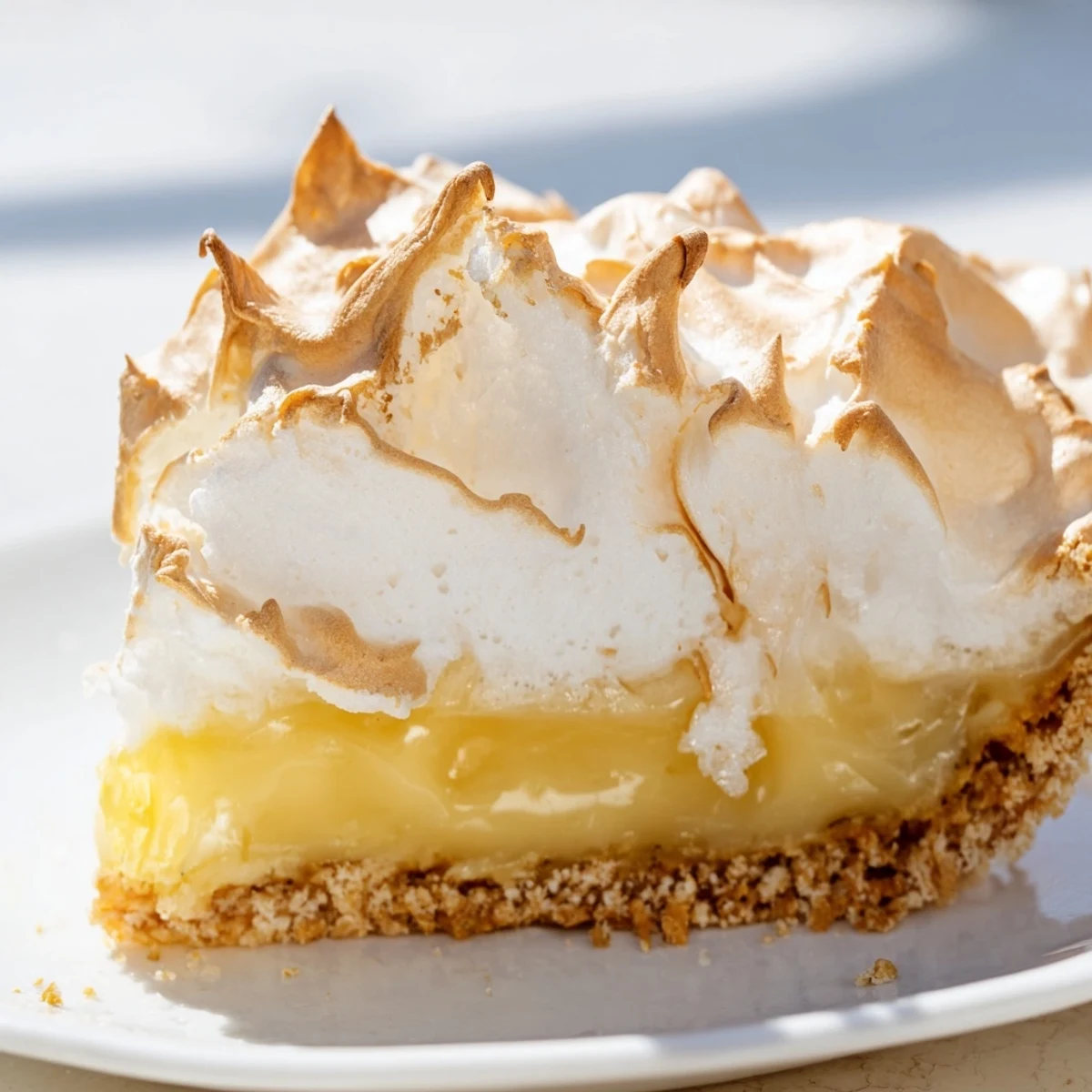
Meringue intimidates people, but it's really just egg whites and sugar beaten until they form stiff peaks—physics is doing the work, not magic. The cream of tartar stabilizes the whites and helps them hold their shape through baking, while the vanilla adds a subtle warmth that keeps the meringue from tasting one-dimensional. Spread it on hot filling and it will bake into something fluffy and browned, with crispy peaks and a tender interior that shatters under your fork.
- Always make sure your egg white bowl is completely grease-free, or the whites won't whip into peaks.
- Spread the meringue all the way to the crust edges to prevent shrinking and air gaps.
- Serve the pie the day it's made so the meringue stays crisp and doesn't weep.
 Save
Save This pie has earned its place as a classic for good reason—it's impressive, it's delicious, and it brings people together around something bright and celebratory. Make it once and you'll make it again.
Recipe FAQs
- → How do I get a crisp graham cracker crust?
-
Combine graham crumbs, sugar, salt, and melted butter. Press firmly into the pan and bake until lightly golden before adding filling.
- → What is the best way to make a smooth lemon filling?
-
Cook sugar, cornstarch, and water until thickened. Temper egg yolks gradually, then combine and cook briefly before adding lemon juice and zest.
- → How can I achieve fluffy, toasted meringue peaks?
-
Beat egg whites with cream of tartar until soft peaks form. Gradually add sugar while beating until stiff, glossy peaks develop before baking.
- → What tips help prevent the meringue from weeping?
-
Ensure the lemon filling is hot when spreading meringue to seal edges well. Serve the finished dish the same day for best results.
- → Can this be made gluten-free?
-
Yes, substitute regular graham crackers with certified gluten-free alternatives for the crust.