
 Save
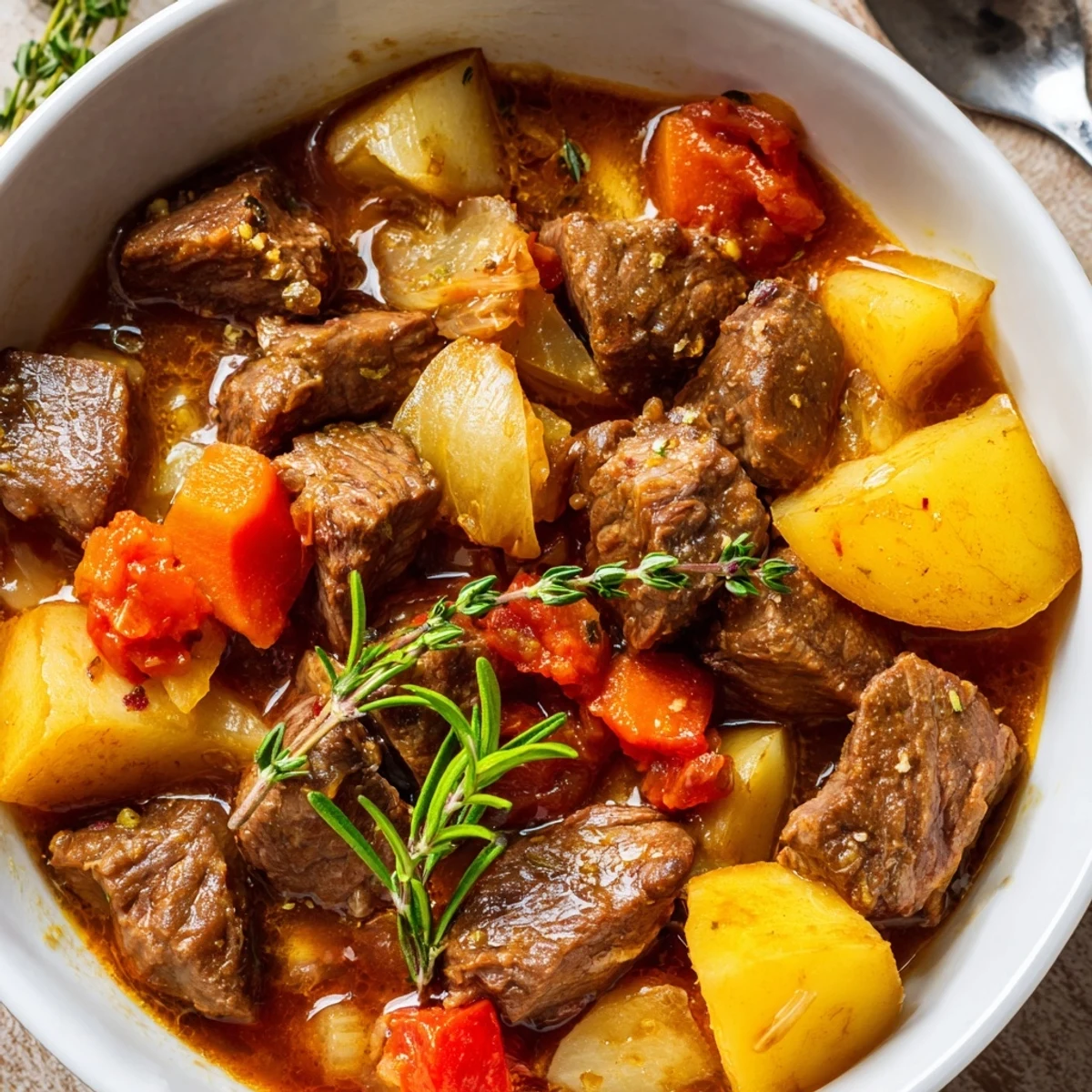
Save Spezzatino di Manzo combines 800 g chuck browned, sautéed mirepoix, tomato paste and red wine, then simmered with beef broth, tomatoes and herbs until meltingly tender (about 2 hours). Add potatoes for the last 30 minutes. Brown in batches, deglaze the pot with wine, and skim excess fat. Rest overnight for deeper flavor; serve with polenta or crusty bread.
The rain was hammering against the kitchen window so hard that November evening that I could barely hear the pot clanging as I set it on the burner. My neighbor Luca had just dropped off a bottle of Chianti and casually mentioned that his grandmother would make spezzatino every single Sunday without fail. Something about the way he said it, like it was the most natural thing in the world, made me want to try it right then and there with whatever I had in the fridge. That impulsive decision gave me one of my most treasured cold weather recipes.
I made this for a small dinner gathering once and burned the first batch of beef because I got caught up telling a story and forgot to turn the heat down. Everyone still talks about that night, mostly because we ordered pizza at nine thirty but I promised a rematch the following weekend. The second attempt was flawless, and now it is requested every time the temperature drops below ten degrees.
Ingredients
- Beef chuck: This cut has the right balance of fat and connective tissue that breaks down into silky tenderness over a long braise, so do not substitute with leaner cuts.
- Carrots, celery, and onion: The classic Italian soffritto trio forms the sweet, savory backbone of the entire dish.
- Potatoes: They soak up the broth and add hearty substance, but add them halfway through so they do not dissolve into mush.
- Canned diced tomatoes: They bring acidity and depth that balances the richness of the beef beautifully.
- Beef broth: Use a good quality broth since it is the primary liquid and will concentrate as the stew reduces.
- Dry red wine: Something you would happily drink alongside the stew, nothing too fancy but nothing too sweet either.
- Tomato paste: A small amount adds concentrated umami and helps deepen the color of the sauce.
- Extra virgin olive oil: Used for browning the beef and sauteing the vegetables, it should be a decent quality oil.
- Bay leaves, thyme, and rosemary: Fresh herbs are wonderful but dried work perfectly well if that is what you have on hand.
- Salt and black pepper: Season gradually throughout the cooking process rather than all at once at the beginning.
Instructions
- Prep and season the beef:
- Pat the cubes very dry with paper towels and give them a generous coating of salt and pepper, because wet meat will steam instead of sear and you want that deep caramelized crust.
- Brown the beef in batches:
- Heat the olive oil in your heaviest pot over medium high heat and brown the cubes in a single layer without crowding, turning them until each side is deeply golden, then set them aside on a plate.
- Build the soffritto:
- In the same pot with all those delicious browned bits still clinging to the bottom, toss in the onions, carrots, and celery with a pinch of salt and cook until everything softens and smells incredibly sweet.
- Add garlic and tomato paste:
- Stir in the minced garlic for about a minute until fragrant, then add the tomato paste and let it cook until it darkens slightly, which concentrates its flavor enormously.
- Deglaze with wine:
- Pour in the red wine and scrape up every last bit from the bottom of the pot while the wine bubbles and reduces by half, releasing all that stuck flavor back into the sauce.
- Simmer everything together:
- Return the beef and its resting juices to the pot, add the tomatoes, broth, bay leaves, thyme, and rosemary, stir well, bring it to a gentle simmer, then cover and cook on low heat for an hour and a half, stirring now and then.
- Add potatoes and finish:
- Toss in the cubed potatoes, taste and adjust the seasoning, then continue cooking uncovered for another thirty minutes until the potatoes are fork tender and the sauce has thickened to a gorgeous, glossy consistency.
- Rest and serve:
- Fish out the bay leaves and any tough herb stems, then let the stew sit for a few minutes off the heat before ladling it into deep bowls over polenta or alongside crusty bread.
 Save
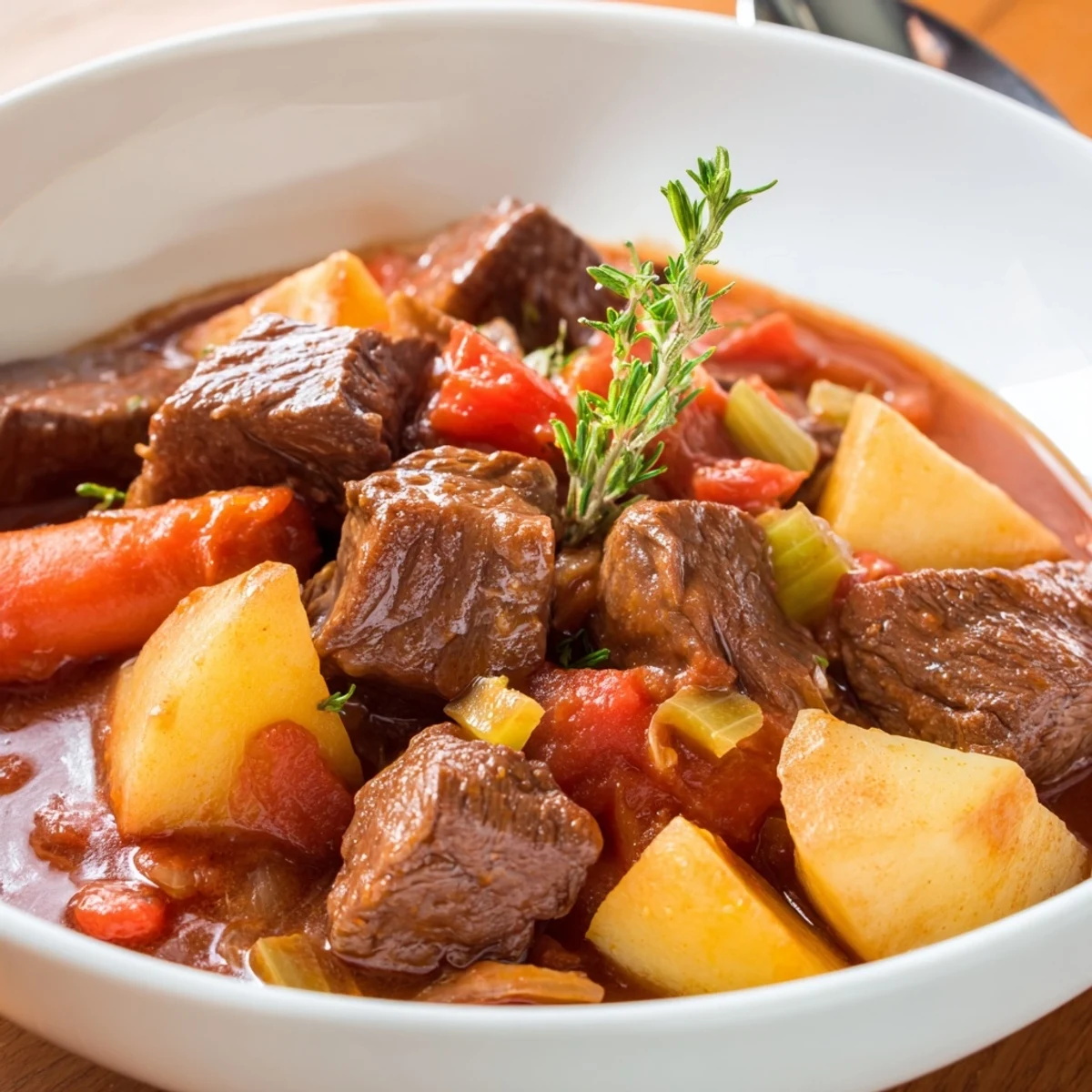
Save There is something profoundly satisfying about lifting the lid after all those hours and watching the steam curl up into the cold kitchen air while the sauce bubbles thick and dark around the edges. It is the kind of meal that makes the people eating it go quiet for a few minutes, which is honestly the highest compliment a home cook can receive.
What to Serve Alongside It
Creamy polenta is my favorite match because it soaks up the rich sauce like a sponge and adds a wonderful soft contrast to the tender beef chunks. A slice of thick, rustic bread toasted with a rub of garlic works just as well on nights when polenta feels like too much effort. Mashed potatoes are also a perfectly acceptable partner, especially if you swirl a bit of extra olive oil or butter into them at the end.
Picking the Right Wine
Any dry Italian red will do the job here, but Chianti and Barbera have the right combination of acidity and fruit to complement the savory richness of the stew without overpowering it. You only need about half a cup for the pot, which conveniently leaves the rest of the bottle for drinking while you cook. I have also used Sangiovese and Montepulciano with great results, so go with whatever you enjoy.
Making It Your Own
This recipe is deeply forgiving and welcomes adaptation based on what is sitting in your refrigerator or what your family prefers. Peas stirred in at the very end add a lovely pop of sweetness and color, while mushrooms browned alongside the beef bring an earthy dimension that feels right at home. You can also omit the potatoes entirely if you want a lighter version and serve it over a bed of wilted greens instead.
- Toss a handful of frozen peas in during the last five minutes for freshness and color.
- Brown some cremini mushrooms with the beef for a deeper, woodier flavor.
- Taste the sauce right before serving and add a splash of vinegar if it tastes flat.
 Save
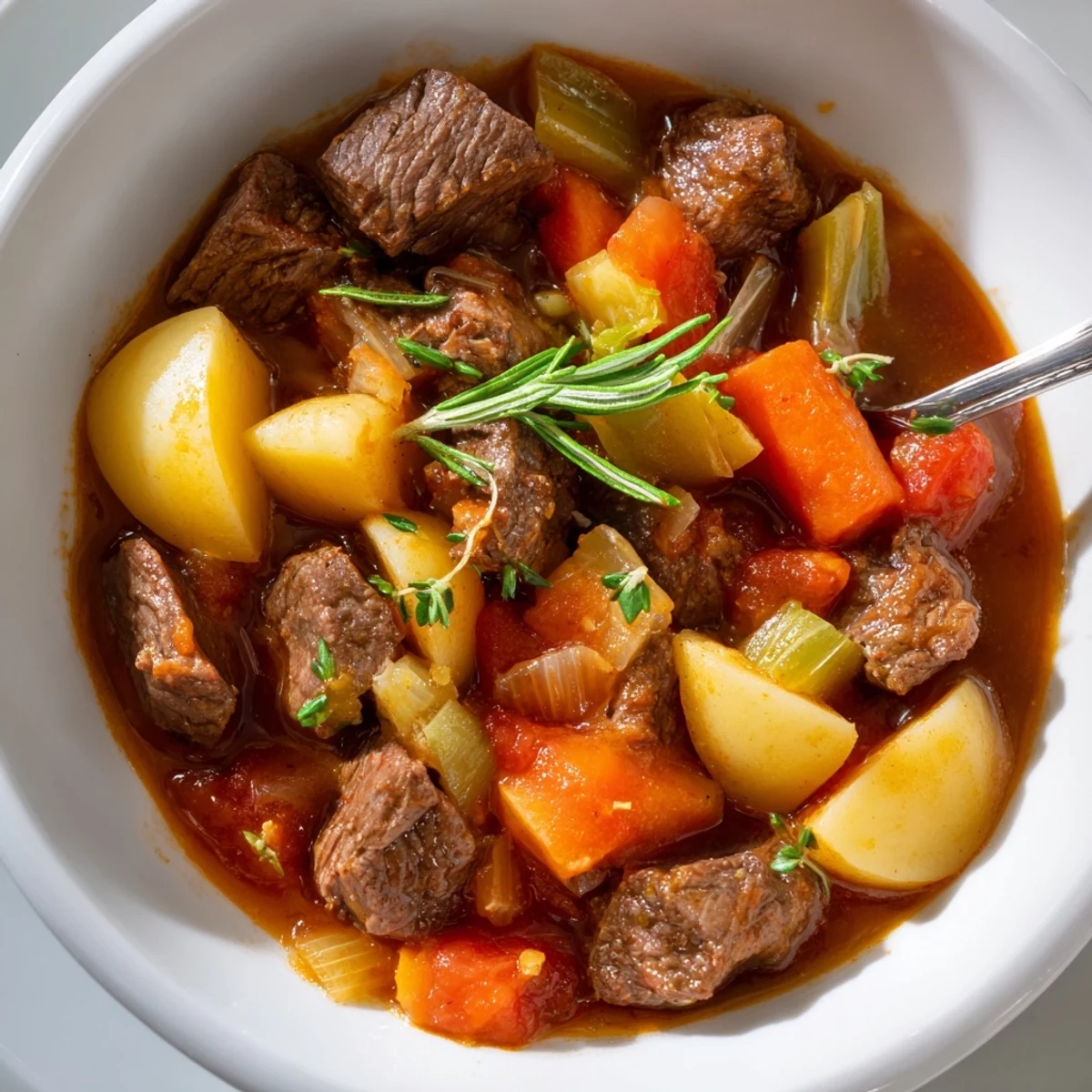
Save Some recipes become part of your regular rotation because they are quick or convenient, but this one earns its place through pure comfort and the way it makes your house smell like an Italian grandmother has been cooking all afternoon. Serve it to people you love on a cold night and watch them clean their bowls.
Recipe FAQs
- → What cut of beef works best?
-
Choose well-marbled chuck for long, slow braising. The connective tissue breaks down and yields tender, flavorful pieces; brisket or short ribs are good alternatives if you prefer more fat.
- → Can I omit the wine or use a substitute?
-
Yes. Omit the wine and use extra beef broth with a splash of red wine vinegar or balsamic for acidity. For a non-alcohol option, a combination of broth and a little tomato juice or pomegranate molasses adds depth.
- → How do I get a thicker, more concentrated sauce?
-
Reduce the braising liquid uncovered toward the end of cooking, or remove some solids and mash them into the sauce. A small cornstarch slurry or a beurre manié added near the end will also thicken without changing flavor much.
- → Can this be made ahead and reheated?
-
Absolutely. Flavors deepen after resting overnight. Cool, refrigerate, then gently reheat over low heat, adding a splash of broth if the sauce has tightened too much.
- → What should I serve with Spezzatino di Manzo?
-
Traditional pairings include creamy polenta, mashed potatoes or crusty bread to soak up the sauce. Steamed greens or sautéed mushrooms complement the rich meatiness.
- → How should leftovers be stored and for how long?
-
Cool promptly and refrigerate in an airtight container for up to 3–4 days. For longer storage, freeze in portions for up to 3 months; thaw overnight in the fridge before gently reheating.