
 Save
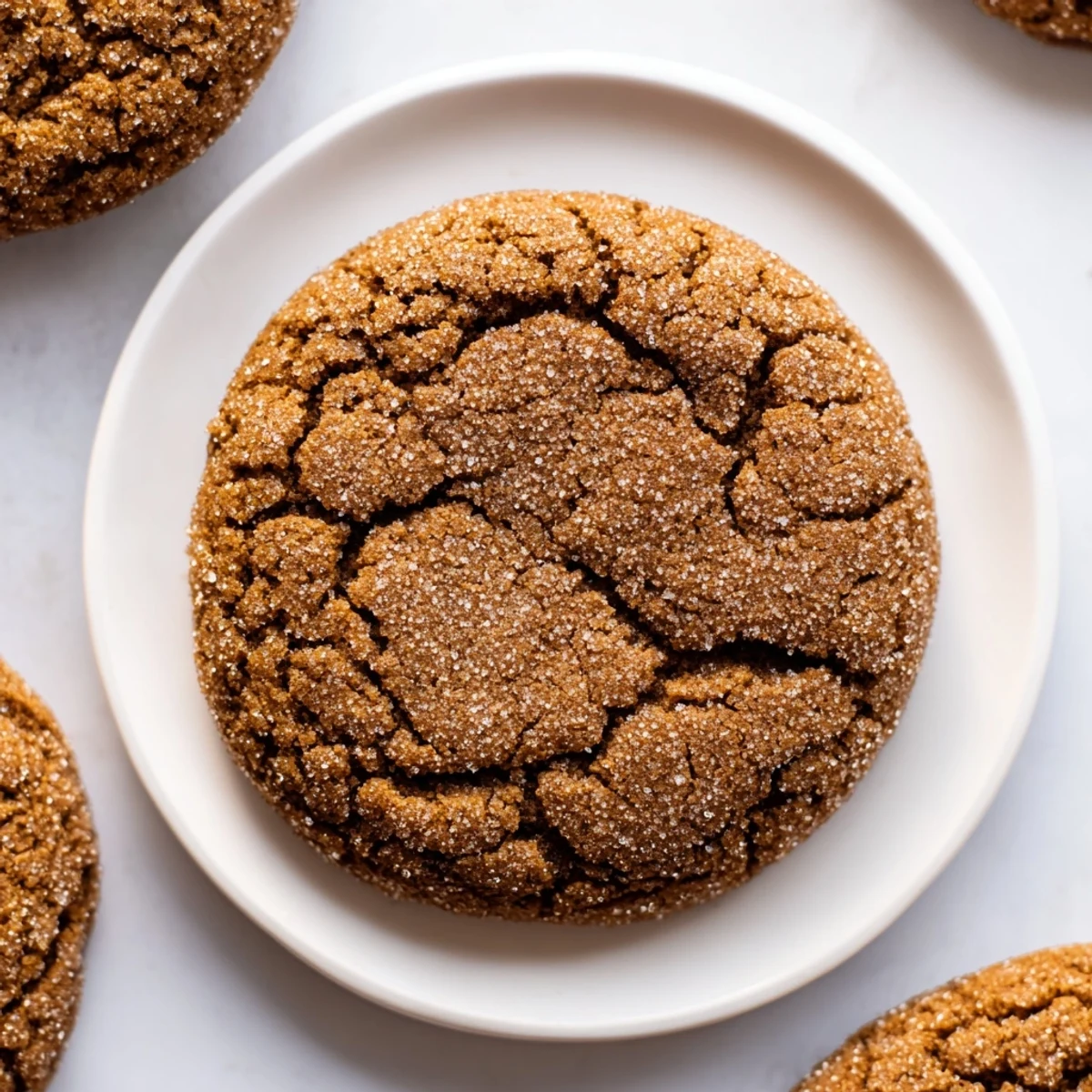
Save This baked delight features a tender, chewy texture infused with rich molasses and aromatic spices like ginger, cinnamon, and cloves. The dough is rolled in granulated sugar for a signature crackled crust, adding a satisfying crunch to each bite. Quick to prepare and bake, these treats bring comforting warmth perfect for any occasion.
I still remember the first time I pulled a batch of molasses crinkle cookies from the oven at my grandmother's kitchen on a crisp autumn afternoon. The aroma that filled the house—warm spices, dark molasses, and toasted sugar—felt like a hug. She told me that the secret wasn't just in the ingredients, but in catching that exact moment when the edges set and the tops crackled with that signature sugary finish. Years later, I realized she was teaching me more than just a recipe; she was passing down a moment of comfort that would become one of my most-reached-for desserts.
I think of my friend Sarah every time I make these. She showed up on my doorstep one evening looking completely frazzled, and I had molasses crinkles cooling on the rack. We sat with warm cookies and hot coffee, and she said they were exactly what she needed. Since then, they've become my go-to when I want to show someone they matter without saying it out loud.
Ingredients
- All-purpose flour (2 1/4 cups, 280 g): The foundation of every great cookie. I've learned that measuring by weight gives you consistent results every single time, but if you scoop and level with a knife, you'll do just fine.
- Baking soda (2 teaspoons): This is your leavening agent, creating that tender crumb and helping the cookies spread just enough to develop those beautiful crackles.
- Salt (1/2 teaspoon): Never skip this. It's what makes the molasses flavor pop and reminds your taste buds they're awake.
- Ground ginger (2 teaspoons): The star of the spice show. Fresh ground makes all the difference—I learned this the hard way after using old spice that had lost its bite.
- Ground cinnamon (1 1/2 teaspoons): Warm, familiar, and essential. It's the bridge between the molasses and everything else.
- Ground cloves (1/2 teaspoon): This is where the complexity lives. A little goes a long way, but it's what makes people say, "What is that amazing flavor?"
- Ground nutmeg (1/4 teaspoon): The gentle finishing note that makes the whole spice blend feel intentional.
- Unsalted butter (3/4 cup, 170 g), softened: Softness is everything here. Let it sit on your counter for 20 minutes if it came straight from the fridge. Cold butter won't cream properly, and creaming is where the magic starts.
- Packed dark brown sugar (1 cup, 200 g): This isn't just sweetener—it's molasses already mixed in, adding depth and chewiness. Pack it into the measuring cup so you get the full measure.
- Large egg (1): Room temperature works best. Cold eggs resist incorporating, which means you'll have streaky dough instead of a smooth mixture.
- Unsulphured molasses (1/4 cup, 60 ml): This is the heart of the cookie. Unsulphured means it hasn't been treated with harsh chemicals, and you can taste the difference in a richer, cleaner flavor.
- Pure vanilla extract (1 teaspoon): It's tempting to skimp here, but vanilla adds a subtle sweetness that rounds out the spices beautifully.
- Granulated sugar (1/2 cup, 100 g) for rolling: This creates that signature crackled exterior that's as beautiful as it is delicious.
Instructions
- Get everything ready:
- Preheat your oven to 350°F (175°C) and line two baking sheets with parchment paper. Having everything prepared means you can move through the next steps without rushing or second-guessing yourself. Line those sheets generously—the parchment makes all the difference between cookies that stick and ones that release beautifully.
- Blend your spices:
- In a medium bowl, whisk together the flour, baking soda, salt, ginger, cinnamon, cloves, and nutmeg. Use a fork or whisk to really break up any clumps in the spices. This is where even distribution happens, and it ensures every bite tastes intentional. Set this aside and let it wait for the wet ingredients.
- Cream your butter and sugar:
- In a large bowl, beat the softened butter and brown sugar together for 2 to 3 minutes until the mixture is pale, fluffy, and noticeably lighter in color. Listen to the sound change as you mix—that's the air getting incorporated, which is what makes these cookies tender. Don't rush this step. When it looks almost like frosting, you're there.
- Bring in the wet flavors:
- Beat in the egg until it's completely incorporated, then add the molasses and vanilla extract. Mix until smooth. The dough will be glossy and rich-looking. It should smell absolutely incredible at this point—that's your signal you're on the right track.
- Marry wet and dry:
- Gradually add the dry ingredients to the wet mixture, stirring until just combined. Don't overmix here—as soon as you don't see streaks of flour, stop. Overmixing develops gluten, which makes cookies tough instead of tender. Patience is your friend.
- Form and coat:
- Scoop tablespoon-sized portions of dough using a cookie scoop if you have one (it keeps sizes consistent and helps them bake evenly). Roll each ball between your palms, then roll in granulated sugar to coat all sides. This is tactile and meditative work—there's something grounding about it.
- Space them properly:
- Place dough balls 2 inches apart on your prepared baking sheets. They're going to spread, and you want room for that to happen without cookies merging together.
- Bake until crackled:
- Bake for 9 to 11 minutes, until the edges are set and the tops are crackled. The centers might still look slightly underbaked—that's exactly right. That's what gives you the chewy middle. The crackles on top tell you they're done.
- Cool with intention:
- Let them cool on the baking sheets for 5 minutes (this lets them set without becoming brittle), then transfer to a wire rack to cool completely. This waiting period is when they finish developing their texture. It's worth being patient for.
 Save
Save My favorite memory isn't from making them perfectly—it's from the day I burned an entire batch because I got distracted reading. My friend didn't hesitate. She said, "Let's make another batch," and we spent the afternoon just talking and baking together. The second batch came out beautiful, and we laughed the entire time. That's when I realized these cookies are really about the moments they create, not about executing them flawlessly.
The Science Behind the Crackle
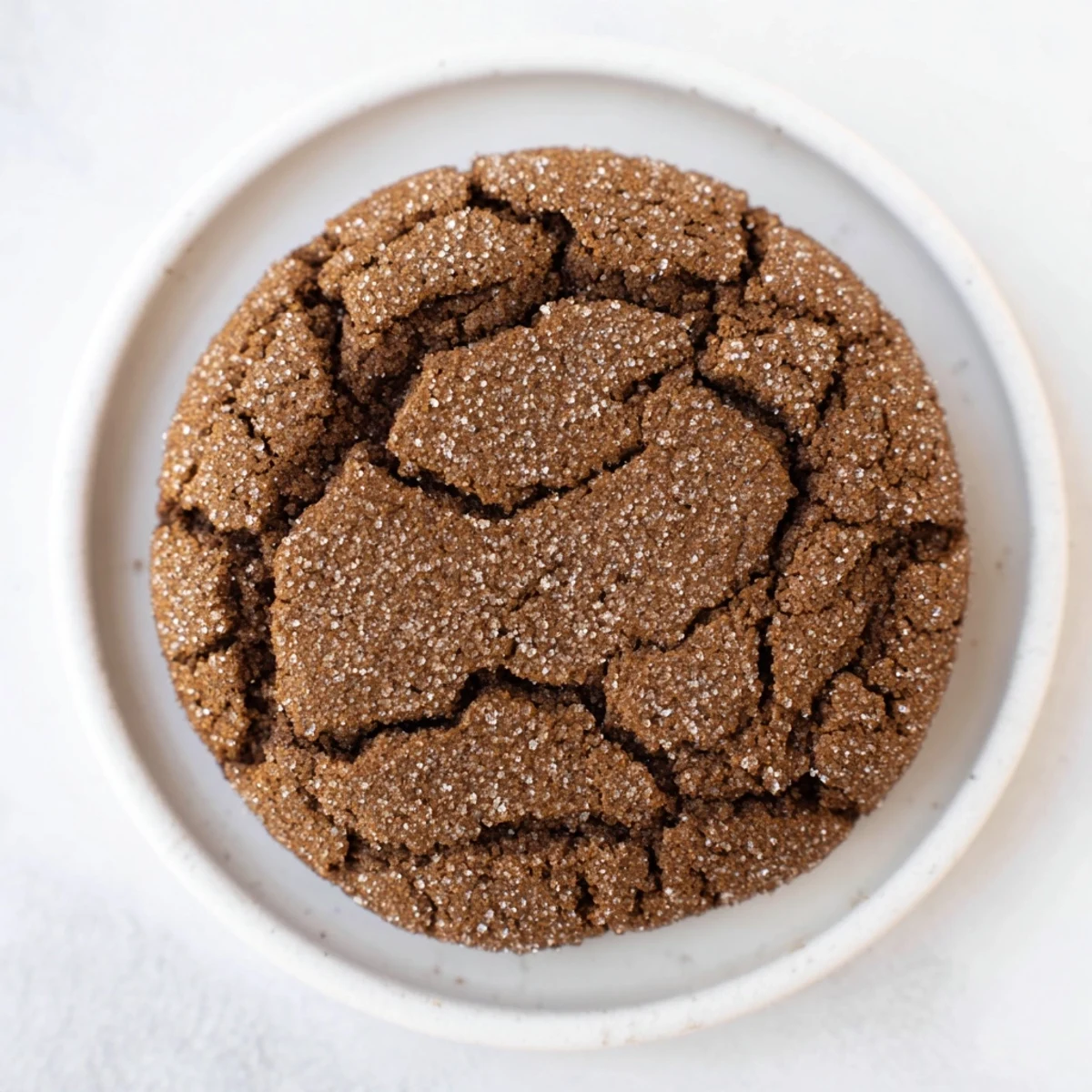
The magic of these cookies is in understanding what happens when you coat a soft dough ball in sugar before baking. The sugar melts and spreads across the surface, creating a thin shell. As the cookie bakes, the interior sets faster than the exterior shell can crack, creating those beautiful fissures that look like they're breaking open. It's the contrast between the soft inside and the crispy-edged outside that makes them so irresistible. The molasses contributes to this too—its hygroscopic nature means it pulls moisture from the air, which keeps the inside chewy even after cooling.
Spices: Building the Perfect Blend
I spent years making these with a spice blend that didn't quite feel right, until I learned about the ratio. Ginger is the lead voice here, supported by cinnamon's warmth, with cloves and nutmeg adding depth in the background. Together, they create what spice experts call a "warm" profile—the kind of flavor that feels like comfort in cookie form. The salt amplifies every spice note, which is why it's non-negotiable.
Storage, Freezing, and Second Chances
These cookies actually get better after a day, as the flavors continue to marry and deepen. Keep them in an airtight container at room temperature for up to 5 days, and they'll stay soft and chewy. Freezing them is one of my favorite shortcuts—baked cookies freeze beautifully for up to 2 months, and you can thaw them at room temperature in about 15 minutes whenever you need a moment of comfort. You can even freeze the dough balls on a baking sheet, then transfer to a freezer bag and bake from frozen, adding just 2 to 3 minutes to the baking time.
- If your kitchen is very humid, your cookies might spread more than expected. In that case, chill your dough for 30 minutes before baking.
- For extra spice depth, add a generous pinch of black pepper to the dry ingredients—it amplifies the spice notes in a way that feels almost secret.
- Pair these with coffee, chai tea, or even mulled cider for moments that feel intentional and warm.
 Save
Save These cookies have become my answer to so many moments—to friends who need comfort, to mornings that deserve something special, to afternoons when I want to slow down and remember that some of life's best things are simple. Make them, and they'll become your answer too.
Recipe FAQs
- → What spices give these cookies their warm flavor?
-
The cookies use ground ginger, cinnamon, cloves, and nutmeg, which combine to create a cozy, spiced taste.
- → How does rolling the dough in sugar affect the cookies?
-
Coating the dough balls in granulated sugar before baking creates a crisp, crackled crust that contrasts the soft interior.
- → Can these cookies be stored for later use?
-
Yes, once cooled, they freeze well and can be stored for up to two months without losing texture or flavor.
- → What baking tools are needed to prepare these treats?
-
Basic tools include a mixer or whisk, mixing bowls, measuring utensils, baking sheets, parchment paper, and a cooling rack.
- → What texture and flavor can be expected from these cookies?
-
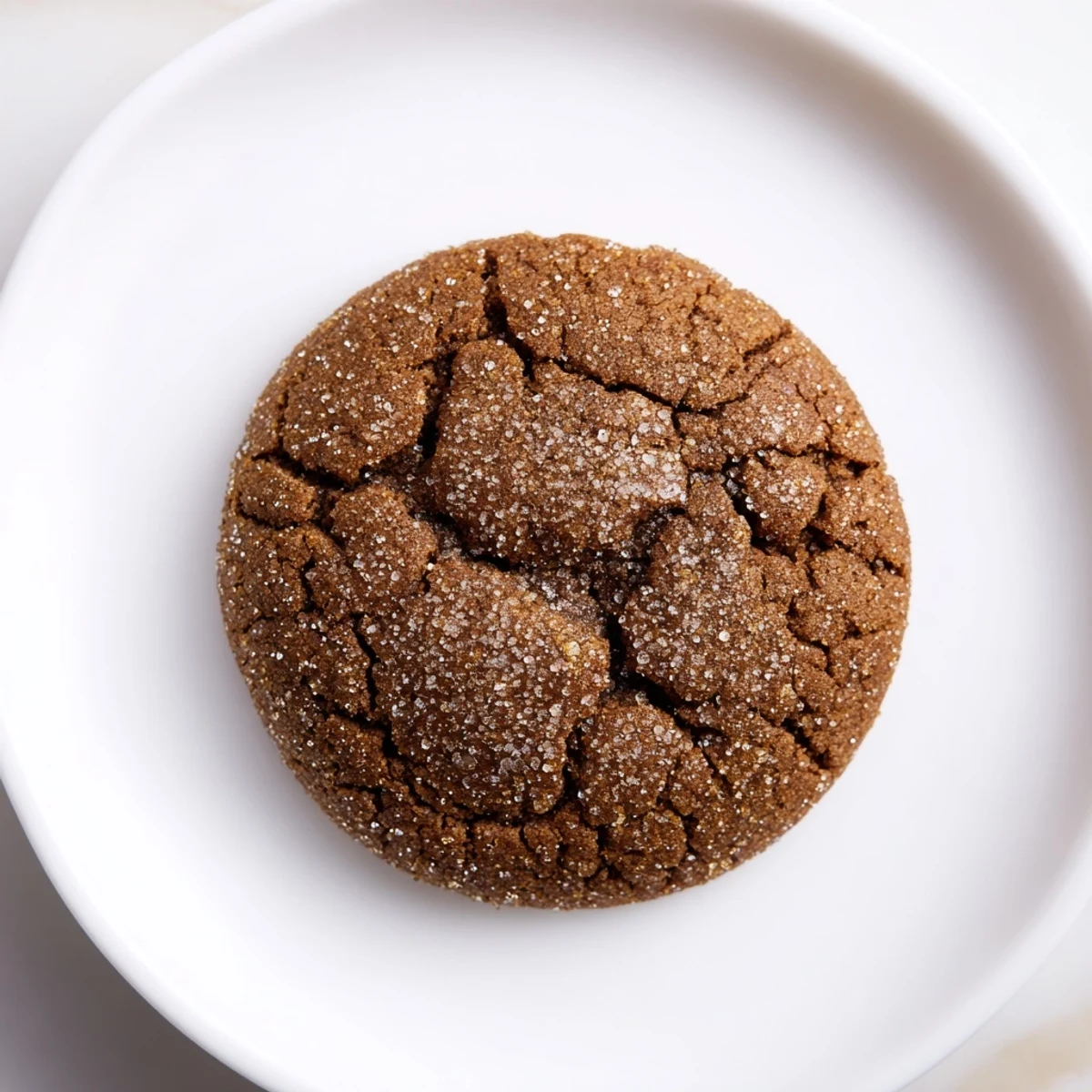
Expect a soft, chewy texture with rich molasses undertones, balanced by the warmth from spices and a sugary, crackled finish.