
 Save
Save This method guides you through extracting fresh lemon juice quickly and efficiently. Begin by washing and rolling the lemon to loosen the juice inside. Cut it in half, then squeeze over a bowl or glass, catching seeds and pulp as desired. For extra yield, warm the lemon slightly before squeezing. Use freshly extracted juice to enhance flavors in dressings, drinks, or dishes. Store juice refrigerated in an airtight container for up to three days.
There's something almost meditative about squeezing a lemon—the way your palm meets the bright yellow skin, how the juice releases in small bursts, that sharp citrus smell that fills your kitchen instantly. I learned years ago that this simple act, done right, can transform a dish from flat to alive. It's the kind of technique that seems trivial until you realize how often you'll need it.
I remember making vinaigrette for a friend's dinner party and realizing mid-recipe that I'd run out of bottled lemon juice. I grabbed a lemon from the bowl, rolled it on the counter like my grandmother had shown me, and squeezed it over the salad—and that's when I understood the difference. The juice was alive, cold, fragrant. Everyone asked what made the dressing taste so good.
Ingredients
- Fresh lemon: Choose firm, bright lemons that feel heavy for their size—this means they're packed with juice, not dried out. Room-temperature lemons yield more juice than cold ones.
Instructions
- Wash and prepare:
- Rinse your lemon under cool running water and pat it dry. This removes surface dirt and prepares the skin for cutting.
- Roll to soften:
- Place the lemon on your countertop and roll it firmly under your palm, applying steady pressure as you move it back and forth. You'll feel the fruit soften slightly—this breaks down the internal membranes and releases juice.
- Cut in half:
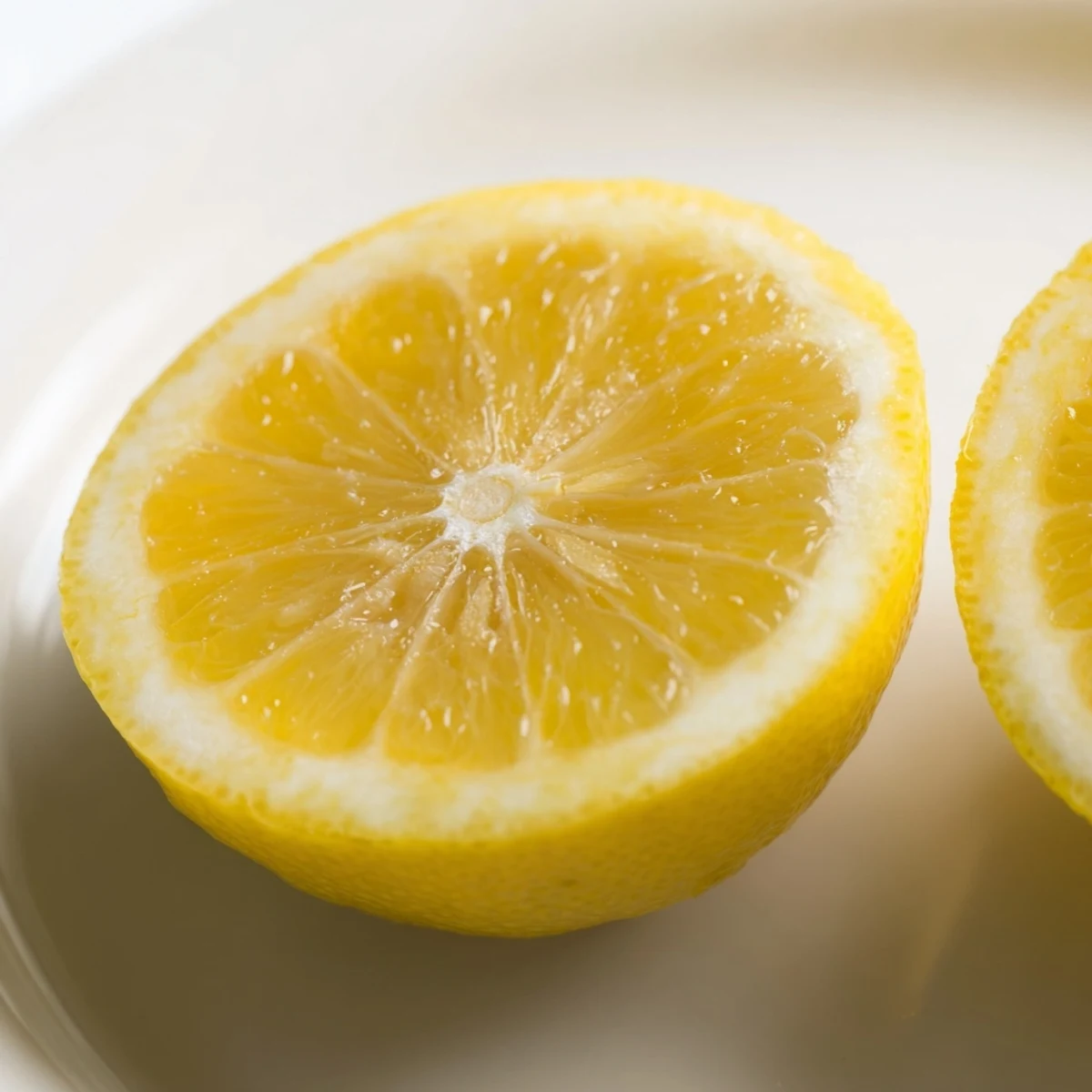
- Using a sharp knife, slice the lemon in half crosswise, right through the equator. This exposes more flesh and makes squeezing easier.
- Squeeze with intention:
- Hold one half cut-side up over a bowl or glass, and squeeze firmly with your hand. If you prefer a hands-free approach, use a citrus juicer—press down and twist slightly. You should hear small drips accelerate into a steady stream.
- Repeat and strain:
- Squeeze the second half the same way. If you want juice without pulp or seeds, pour everything through a fine mesh strainer and watch the liquid pass through golden and clear.
 Save
Save The first time I made fresh mayonnaise, I understood why this technique mattered so much. The lemon juice didn't just add tang; it brought balance and made the emulsion feel luxurious. That moment taught me that fresh juice isn't a luxury—it's the difference between a dish that works and one that sings.
The Microwave Trick
If your lemon feels a bit hard or you're in a hurry, pop it in the microwave for 10 to 15 seconds before cutting and squeezing. The gentle heat softens the fruit just enough to release more juice without cooking it. This small step has saved countless salads and drinks in my kitchen.
Storing Fresh Juice
Freshly squeezed lemon juice keeps in the refrigerator for up to three days in an airtight container, making it worth juicing several lemons at once if you're cooking actively. The juice oxidizes slowly, so it stays bright and useful for most of the week, though it's best within the first 72 hours for maximum zing.
Beyond the Squeeze
While you're squeezing, don't overlook the zest—that vibrant outer layer holds concentrated flavor and pairs beautifully with the juice itself. Save the zest before juicing, or use a zester afterward to capture those bright oils. The exhausted lemon halves can steep in hot water for a simple, uplifting tea that costs you nothing extra.
- Zest your lemons before juicing if you want both the oils and the juice in your recipe.
- Save lemon halves to rub on cutting boards that smell of onion or garlic.
- A single fresh lemon yields about 2 to 3 tablespoons of juice on average.
 Save
Save Once you master this, you'll reach for fresh lemons without hesitation, and your cooking will be brighter for it. This is one of those small skills that pays dividends every single time you step into the kitchen.
Recipe FAQs
- → How can I get more juice from a lemon?
-
Roll the lemon firmly on a countertop before cutting to loosen the juice. Warming it in the microwave for 10–15 seconds can also help increase yield.
- → Is it necessary to strain lemon juice after squeezing?
-
Straining is optional but helps remove pulp and seeds for a smoother liquid, especially useful for drinks and dressings.
- → How should I store fresh lemon juice?
-
Store the juice in an airtight container in the refrigerator, where it keeps well for up to three days.
- → Can lemon zest be used along with the juice?
-
Yes, lemon zest adds extra flavor and aroma, complementing the juice in many dishes.
- → What tools are recommended for extracting lemon juice?
-
A sharp knife to cut the lemon, a citrus juicer or your hands for squeezing, and a bowl or glass to catch the juice are helpful. Optionally, a fine mesh strainer can be used.